Headaches and stiff necks are common complaints that often occur together, leading many people to wonder what's happening in their body to cause this discomfort. The connection between these two symptoms can sometimes be simple, like muscle tension, but other times, it may signal something more significant happening in the body. Let's explore why these symptoms often go hand in hand, and what might be causing them.
Understanding the Anatomy: The Neck and Its Role
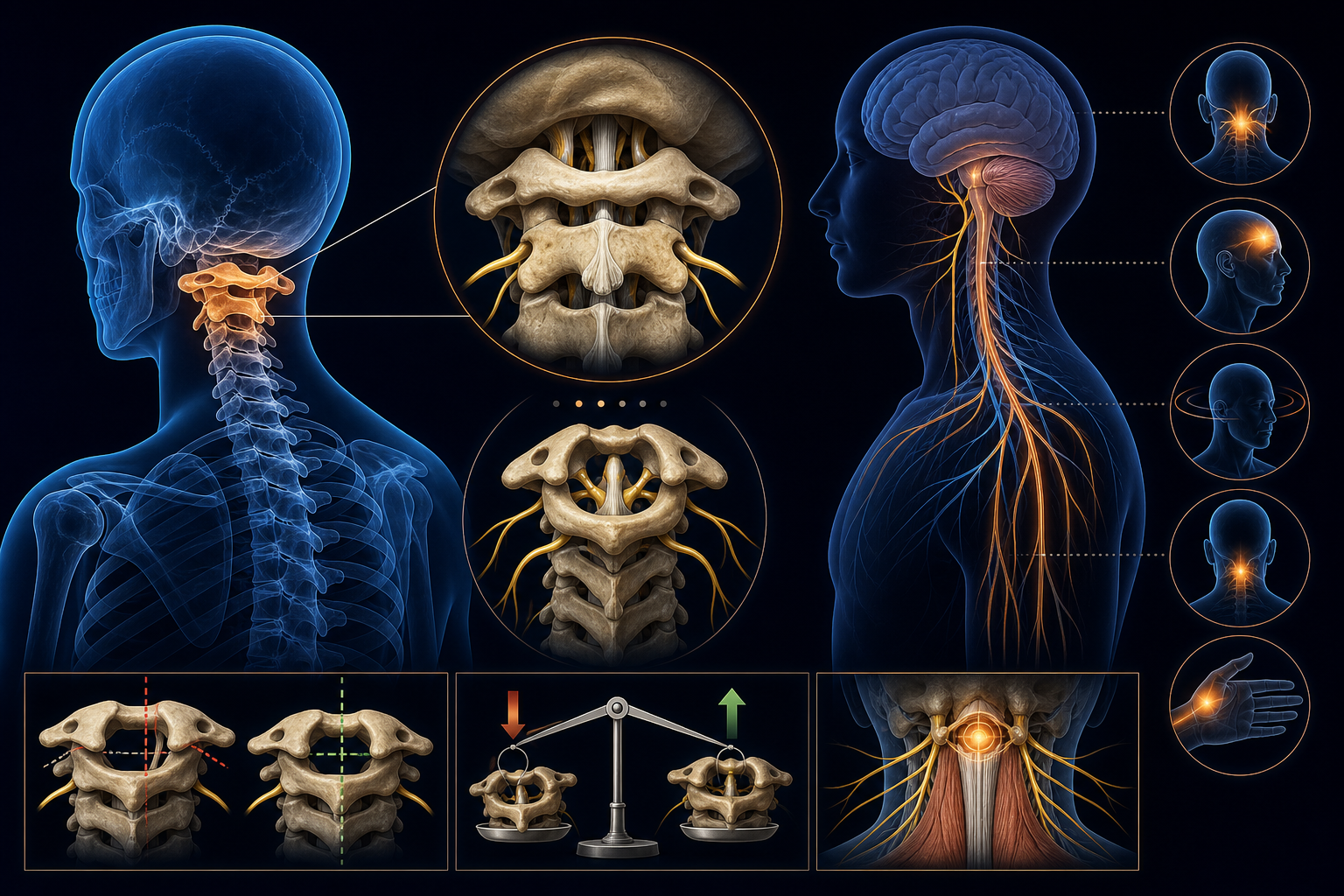
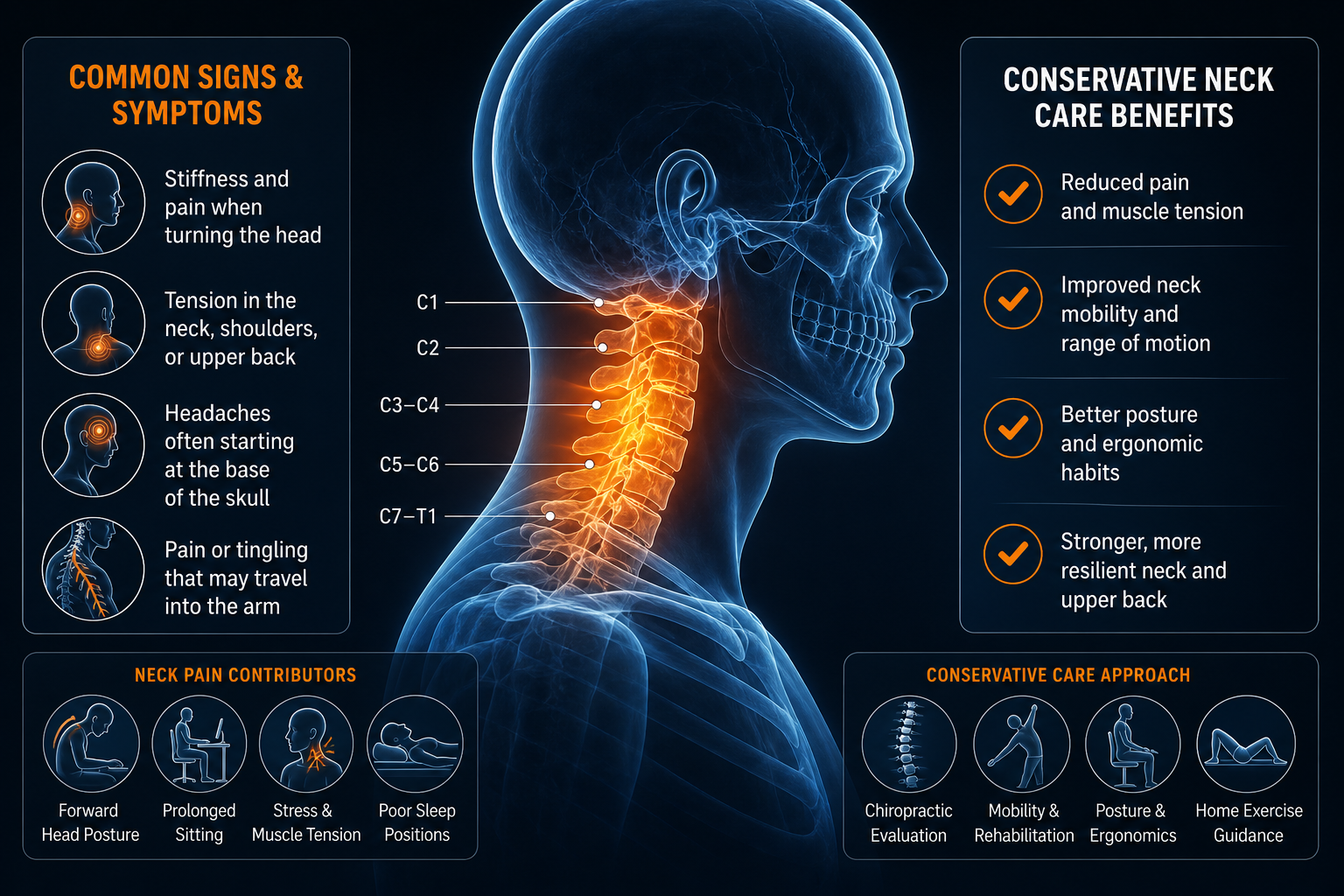
To understand why stiff necks and headaches are connected, it’s essential to understand the basic anatomy of the neck. The neck, known anatomically as the cervical region, is a complex structure that supports the head and allows for a wide range of movements. It consists of seven cervical vertebrae, muscles, ligaments, and nerves.
The cervical spine protects the spinal cord and nerves, which carry messages between the brain and the rest of the body. A disruption in this area, such as muscle tension or misalignment, can affect the flow of nerve signals and blood circulation, contributing to headaches.
Common Causes of Stiff Necks and Headaches
1. Tension and Stress
One of the most frequent causes of both stiff necks and headaches is muscle tension. Stress can lead to tightness in the neck and shoulders, which, in turn, can restrict blood flow to the head and scalp, causing tension headaches. This type of headache usually feels like a tight band around the head, and the neck may feel sore or stiff due to the strained muscles.
2. Poor Posture
Spending long hours hunched over a computer, looking down at your phone, or sleeping in an awkward position can strain the muscles in your neck, leading to stiffness. Over time, this poor posture can also trigger headaches, especially if the neck is misaligned with the spine. This results in tension building up in the muscles around the neck, leading to discomfort.
3. Cervical Spine Issues
Problems with the cervical spine, such as a herniated disc, cervical spondylosis, or misalignment of the vertebrae, can compress nerves in the neck. This compression may cause both neck pain and headaches. In some cases, cervical spine problems can lead to cervicogenic headaches, which start in the neck but are felt in the head.
4. Migraines
Although migraines are primarily a neurological condition, they can also be accompanied by neck stiffness and pain. During a migraine, muscles in the neck and upper back may tense up, contributing to the overall discomfort. Some migraine sufferers report that their headaches are preceded by or accompanied by neck stiffness.
5. Injury or Whiplash
Injuries, such as whiplash from a car accident, can strain the muscles and ligaments in the neck, leading to stiffness. The trauma may also affect the cervical vertebrae, resulting in headaches. If the injury involves the upper part of the cervical spine, headaches may radiate from the back of the head.
Symptoms to Watch For
While stiff necks and headaches can occur due to benign causes like muscle strain or stress, certain symptoms warrant further attention. You should see a healthcare provider if you experience:
- Severe or sudden headaches alongside neck stiffness, as could indicate an underlying issue such as meningitis.
- Neck pain after an injury like a fall or car accident.
- Nausea, vomiting, or vision changes in addition to headaches and neck stiffness, as these could be symptoms of a migraine or more serious condition.
The Connection Between Nerves, Muscles, and Blood Flow
When looking at the body’s anatomy, it’s clear that the nerves, muscles, and blood vessels in the neck and head are closely connected. A misalignment in the cervical spine, muscle tension, or nerve compression can reduce blood flow to the head and brain. When blood flow is restricted, headaches can result.
For instance, the trapezius and suboccipital muscles, which extend from the upper back and neck to the base of the skull, can tighten due to stress or poor posture. This tension may trigger a tension headache or exacerbate migraine symptoms.
How Chiropractic Care Can Help
Chiropractors specialize in identifying and correcting misalignments in the spine, including the cervical spine (your neck). Through gentle adjustments, chiropractors help restore proper alignment, reduce muscle tension, and relieve pressure on the nerves that may be causing headaches. Additionally, chiropractic care often includes lifestyle advice, like improving posture and stretches, to prevent future episodes of neck stiffness and headaches.
Benefits of Chiropractic Care for Neck and Headaches
- Non-invasive: Chiropractic care provides a hands-on, drug-free approach to relieving pain.
- Long-term relief: Regular chiropractic adjustments can help address the root causes of neck pain and headaches, providing lasting relief.
- Improved mobility: Chiropractic care helps improve your neck's range of motion, making it easier to move your head without pain.
- Stress reduction: Many people find chiropractic treatments relaxing, which can reduce overall stress and tension, potentially decreasing headache frequency.
When to See a Chiropractor
If you're experiencing frequent headaches or neck stiffness that doesn’t improve with rest or stretches, it may be time to consult a chiropractor. They can assess your spine’s alignment and help create a personalized plan to get you feeling better.