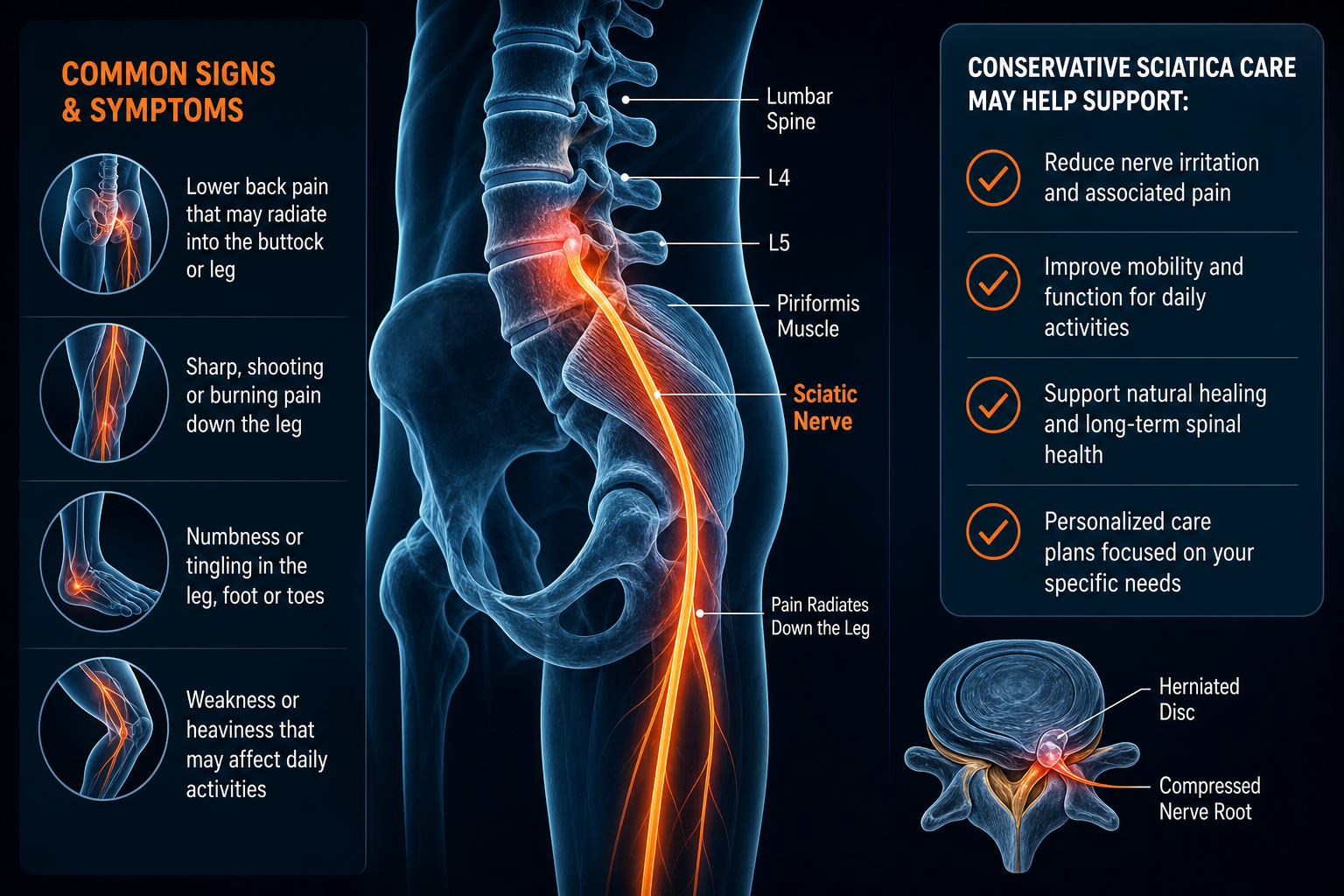
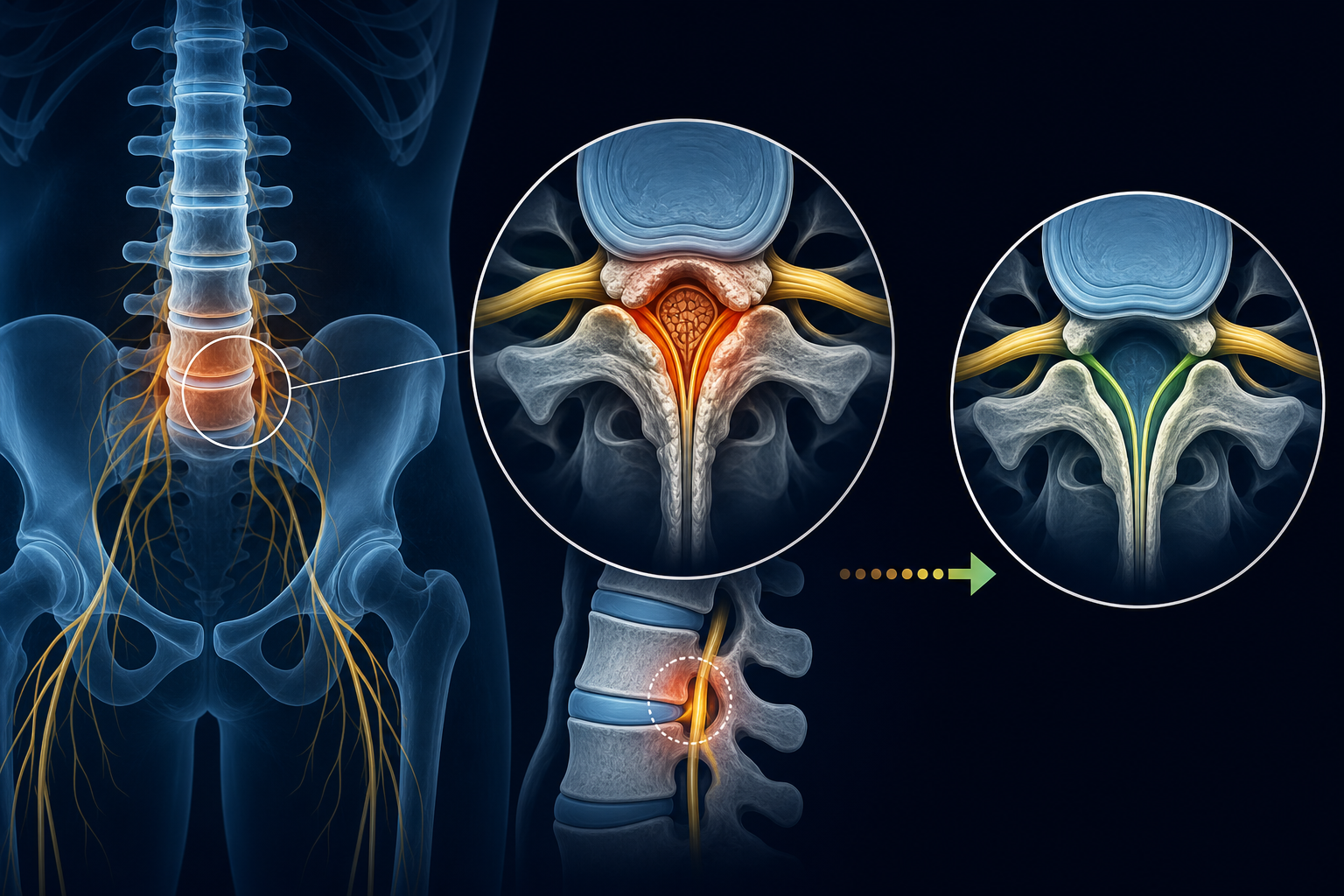
Back pain is a common ailment that affects millions of people worldwide. It can be debilitating and interfere with daily activities, particularly when it comes to getting a good night's sleep. Sleep plays a crucial role in our overall health and well-being, and finding effective solutions for back pain during sleep is essential. In this article, we will explore various causes of back pain, discuss how sleep quality can impact back health, and provide practical solutions to alleviate back pain and promote better sleep.
Understanding the Causes of Back Pain
1. Poor Mattress and Pillow Support
One of the primary culprits of back pain during sleep is an inadequate mattress or pillow. A mattress that is too soft or too firm can strain the back muscles and misalign the spine. Similarly, using a pillow that doesn't provide proper neck support can contribute to back pain. Opting for a mattress and pillow that offer optimal support for your specific needs is crucial.
2. Incorrect Sleeping Position
Your sleeping position can significantly impact your back health. Certain positions, such as sleeping on your stomach, can strain the back and neck. The best sleeping position for back pain is generally on your side with a pillow between your knees or on your back with a pillow under your knees. Experimenting with different positions to find what works best for you is recommended.
3. Muscle Imbalances and Weak Core
Weak core muscles and muscle imbalances can put added stress on the back, leading to pain and discomfort. Incorporating exercises that strengthen the core, such as planks and bridges, can help alleviate back pain and improve overall posture.
Practical Solutions for Better Sleep and Reduced Back Pain
1. Invest in a Supportive Mattress
Choosing a mattress that provides adequate support for your back is crucial. Look for medium-firm mattresses that contour to your body's natural curves while maintaining proper spinal alignment. Memory foam, latex, or hybrid mattresses are often recommended for back pain sufferers. It's advisable to test different mattresses and consult with experts before making a purchase.
2. Select a Suitable Pillow
Finding the right pillow can make a significant difference in back pain reduction. Look for pillows that provide adequate support for your neck and maintain proper alignment with your spine. Memory foam or latex pillows that conform to your head and neck contours are generally effective options.
3. Optimize Your Sleeping Position
As mentioned earlier, sleeping in the right position can alleviate back pain. Experiment with different positions to find what works best for you. If you sleep on your side, place a pillow between your knees to keep your spine aligned. If you prefer sleeping on your back, consider placing a pillow under your knees to reduce strain on your lower back.
4. Practice Good Sleep Hygiene
Establishing a consistent sleep routine and creating a sleep-friendly environment can contribute to better sleep quality. Ensure your bedroom is cool, dark, and quiet. Avoid electronic devices before bedtime and incorporate relaxation techniques, such as deep breathing or meditation, to help you unwind.
5. Incorporate Stretching and Exercise
Regular exercise, particularly activities that strengthen the core muscles, can help alleviate back pain. Gentle stretching exercises, such as yoga or Pilates, can improve flexibility and reduce muscle tightness. However, it's important to consult with a healthcare professional or a qualified trainer before starting any new exercise routine.
6. Consider Heat or Cold Therapy
Applying heat or cold therapy to the affected area can provide temporary relief from back pain. The heat helps relax muscles and increase blood flow, while cold therapy can reduce inflammation and numb pain. Experiment with both methods to see which one works best for you. Use heating pads or ice packs, but ensure you follow the recommended guidelines for safe use.
The Benefits of Chiropractic Care for Back Pain
While the aforementioned solutions can provide temporary relief, seeking professional help from a chiropractor offers long-term benefits for back pain sufferers. Chiropractic care focuses on the diagnosis, treatment, and prevention of mechanical disorders of the musculoskeletal system, particularly the spine.
1. Spinal Alignment
Chiropractors specialize in spinal adjustments, which can correct misalignments in the spine. Misalignments, also known as subluxations, can contribute to back pain. Through manual manipulation techniques, chiropractors restore proper alignment, reducing nerve compression and promoting overall spinal health.
2. Pain Management
Chiropractic care offers a holistic approach to pain management. Chiropractors use a variety of techniques, including spinal adjustments, massage therapy, and physical rehabilitation exercises, to alleviate pain and restore mobility. They also provide guidance on exercises, stretches, and lifestyle modifications to promote long-term healing and prevent future episodes of back pain.
3. Individualized Treatment Plans
Chiropractors assess each patient individually to create personalized treatment plans based on their specific needs and condition. They take into account factors such as the severity of back pain, the patient's medical history, and lifestyle factors. This customized approach ensures that the treatment aligns with the patient's goals and promotes optimal healing.
4. Preventive Care
In addition to treating existing back pain, chiropractors emphasize preventive care. They educate patients about proper posture, ergonomics, and lifestyle modifications to reduce the risk of future back pain episodes. Regular chiropractic adjustments and maintenance care can help maintain spinal health, enhance overall well-being, and improve sleep quality.
Back pain and poor sleep quality often go hand in hand, creating a cycle of discomfort and fatigue. By implementing effective sleeping solutions, such as optimal sleep positions, pillow and mattress selection, and sleep hygiene practices, you can alleviate back pain and improve sleep quality. However, for long-term relief and enhanced well-being, it is advisable to consult a chiropractor. Chiropractic care offers a holistic approach to back pain management, focusing on spinal alignment, pain relief, individualized treatment plans, and preventive care. By addressing the root cause of back pain and promoting optimal spinal health, chiropractic care can help you achieve lasting pain relief and a better quality of life.