Understanding Left-Sided Sciatica: What Makes It Different
Left-sided sciatica affects millions of patients worldwide, yet many don't realize that the specific side of their pain significantly impacts their treatment approach and recovery journey. Unlike general sciatica information, understanding left-sided sciatica requires knowledge of unique anatomical factors, symptom patterns, and treatment considerations that differ from right-sided presentations.
When patients experience left sciatic nerve pain, the location isn't just a minor detail—it's a crucial piece of information that helps healthcare providers develop more targeted treatment strategies. The following seven essential facts will help patients better understand their condition and make more informed decisions about their care.
1. Left-Sided Sciatica Has Unique Anatomical Causes
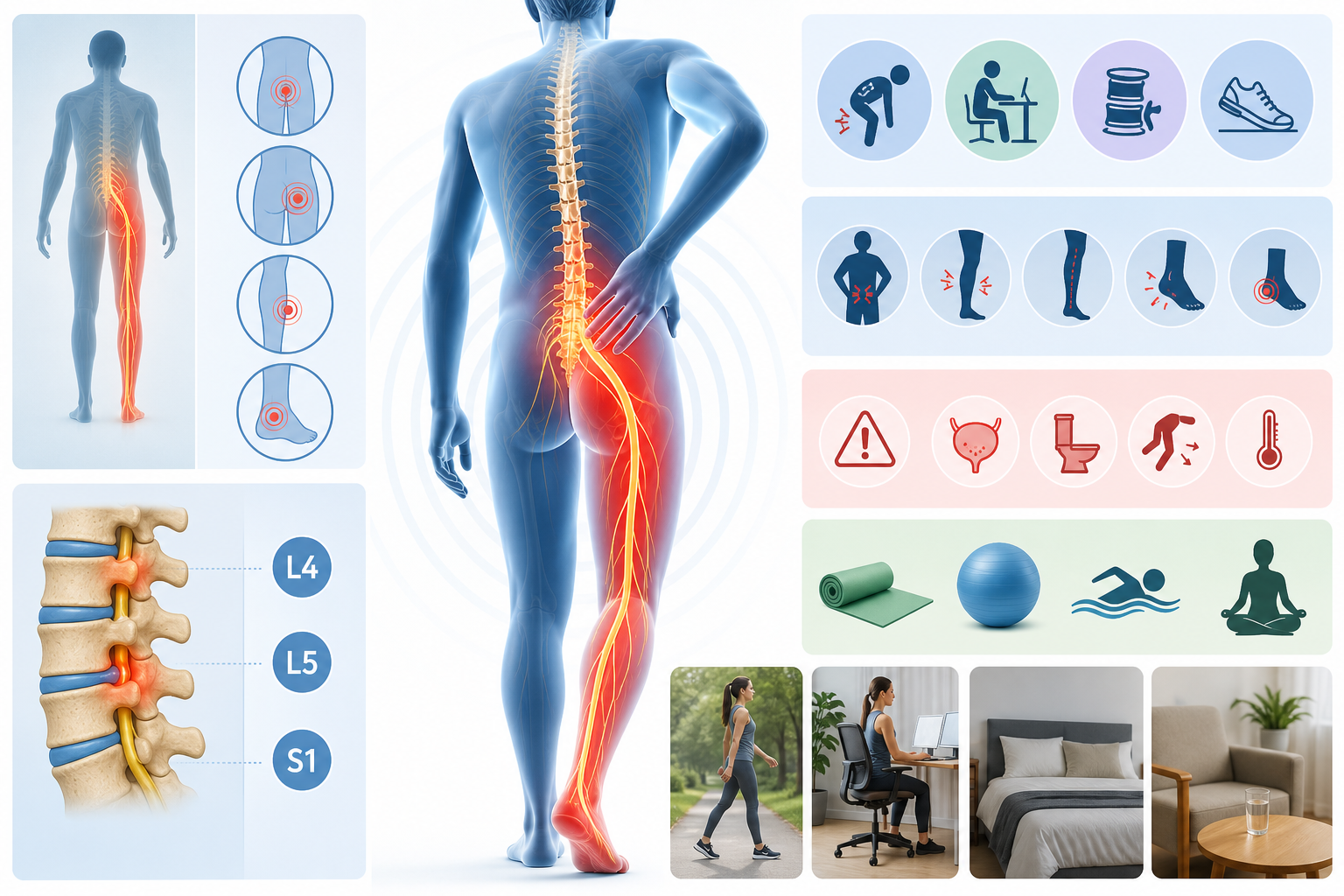
The sciatic nerve's pathway on the left side creates distinct compression patterns that healthcare providers recognize when developing treatment plans. Left-sided sciatica commonly originates from specific nerve root compression at the L4-L5 or L5-S1 levels, where anatomical variations can influence symptom presentation.
Left piriformis syndrome presents differently than right-sided cases, often correlating with dominant leg patterns and daily movement habits. The piriformis muscle's relationship with the left sciatic nerve may be influenced by factors like hip alignment, pelvic positioning, and even occupational postures that favor one side over the other.
Sleeping positions particularly impact left-sided symptoms, as patients often find that lying on their right side provides relief while left-side sleeping exacerbates discomfort. This positional sensitivity occurs because gravity and body weight distribution affect nerve compression differently depending on the affected side. Healthcare providers frequently assess sleep positioning as part of comprehensive left sciatica evaluation.
2. Your Symptoms Tell a Specific Story
Left leg sciatica follows predictable pain distribution patterns that help healthcare providers identify the precise nerve roots involved. Patients typically experience pain radiating from the left lower back, through the left buttock, and down specific areas of the left leg, depending on which nerve segments are compressed.
Numbness and tingling locations provide valuable diagnostic clues for medical professionals. Left-sided sciatica may cause numbness along the outer edge of the left foot, the top of the left foot, or specific toe areas, each pattern indicating different nerve root involvement. Some patients report tingling sensations that follow the path from the left buttock down to the left calf or ankle.
The symptom presentation differs from right-sided sciatica in subtle but important ways. Left-sided symptoms may interact differently with daily activities, particularly those involving the dominant leg. Patients often notice that left sciatica affects their ability to press gas pedals, climb stairs leading with the left leg, or maintain balance during specific movements. These functional limitations help healthcare providers understand the scope of nerve involvement.
3. Daily Activities Impact Left Sciatica Differently
Driving presents unique challenges for patients with left-sided sciatica, particularly regarding clutch operation in manual transmission vehicles and prolonged pressure on the left buttock and thigh. Healthcare providers often recommend specific seat adjustments, including lumbar support positioning and seat height modifications that accommodate left-sided nerve sensitivity.
Work positioning considerations become crucial for patients whose jobs require prolonged sitting, standing, or specific leg positioning. Left sciatica may make certain workplace arrangements more problematic, such as desks positioned to require left-leg extension or standing workstations that place more weight on the affected side. Occupational therapists frequently address these workplace modifications as part of comprehensive treatment plans.
Exercise modifications for left-side pain require careful attention to movement patterns and weight distribution. Activities like walking, jogging, or cycling may need adjustments to accommodate left-sided nerve sensitivity. Physical therapists often recommend specific warm-up routines, stretching sequences, and strengthening exercises that address left-sided imbalances while protecting the affected nerve pathway. Patients frequently benefit from understanding which exercises to modify versus which movements may actually help their recovery.
4. Treatment Approaches Should Be Side-Specific
Targeted physical therapy exercises for left-sided sciatica focus on specific muscle groups and movement patterns that address the unique biomechanical factors contributing to left nerve compression. Physical therapists design exercise programs that consider left-sided weakness patterns, muscle imbalances, and compensatory movements that may have developed over time.
Injection placement considerations become particularly important for left-sided sciatica treatment. Pain management specialists use imaging guidance to target specific nerve roots or trigger points on the affected side, with injection approaches that may differ from right-sided procedures. The anatomy and accessibility of injection sites can vary between sides, influencing treatment planning and expected outcomes.
Sleep position modifications play a crucial role in managing left-sided sciatica symptoms. Healthcare providers often recommend specific pillow positioning, mattress considerations, and sleep postures that reduce pressure on the left sciatic nerve pathway. Patients may benefit from body pillows, wedge supports, or specific sleeping surfaces that accommodate their left-sided symptoms while promoting healing and rest quality.
5. Red Flags Require Immediate Medical Attention
Progressive weakness in the left leg represents a serious warning sign that requires urgent medical evaluation. When patients notice increasing difficulty lifting the left foot, weakness in left ankle movement, or progressive loss of left leg strength, these symptoms may indicate significant nerve compression that needs immediate intervention.
Bladder or bowel dysfunction accompanying left-sided sciatica constitutes a medical emergency known as cauda equina syndrome. Patients experiencing difficulty urinating, loss of bowel control, or numbness in the saddle area along with left sciatica symptoms need emergency medical attention. This combination of symptoms suggests severe nerve compression that can result in permanent damage without prompt treatment.
Severe pain that worsens rapidly, particularly when accompanied by fever, significant left leg weakness, or loss of sensation, warrants immediate medical evaluation. Healthcare providers distinguish between typical sciatica fluctuations and concerning symptom progressions that may indicate complications such as infection, severe disc herniation, or other serious underlying conditions requiring urgent intervention.
6. Recovery Timeline Varies Based on Specific Factors
Typical healing phases for left sciatica follow predictable patterns, though individual timelines vary significantly based on underlying causes and patient factors. Most patients experience initial symptom improvement within 2-6 weeks of appropriate treatment, with continued progress over 3-6 months. Healthcare providers monitor specific milestones, including pain reduction, improved mobility, and functional recovery markers.
Several factors influence recovery speed for left-sided sciatica, including patient age, overall health status, severity of nerve compression, and adherence to treatment recommendations. Patients with acute left sciatica often recover more quickly than those with chronic presentations, while underlying conditions like diabetes or arthritis may extend recovery timelines.
Improvement milestones help patients and healthcare providers track progress and adjust treatment approaches. Early signs of recovery typically include reduced morning stiffness, improved sleep quality, and decreased pain intensity during specific movements. Later recovery phases involve increased walking tolerance, return to normal activities, and resolution of numbness or tingling sensations. Understanding these phases helps patients maintain realistic expectations while staying motivated throughout their recovery journey.
7. Finding the Right Specialist Makes All the Difference
Several types of specialists treat sciatica, each bringing different expertise to left-sided presentations. Neurologists focus on nerve function and can perform specialized testing to assess left sciatic nerve involvement. Orthopedic surgeons evaluate structural causes and surgical options when conservative treatments prove insufficient. Pain management specialists offer injection therapies and comprehensive pain control strategies specifically tailored to left-sided symptoms.
When selecting a provider, patients should look for experience with sciatica treatment, positive patient reviews, and appropriate board certifications. Providers who understand the nuances of left-sided presentations can offer more targeted treatment approaches and better coordinate care between different specialists when necessary.
Important questions to ask during consultation include: "How many left-sided sciatica cases do you treat annually?" "What treatment options do you recommend for my specific presentation?" "How will you monitor my progress?" and "When would you consider referral to other specialists?" These questions help patients gauge provider experience and treatment philosophy while ensuring comprehensive care planning.
Taking Action for Your Left-Sided Sciatica
Understanding these seven essential facts about left-sided sciatica empowers patients to make informed decisions about their healthcare and recovery journey. The key takeaways include recognizing unique anatomical factors, monitoring specific symptom patterns, understanding treatment approaches, and knowing when to seek immediate medical attention.
Professional consultation remains crucial for proper diagnosis and treatment planning, as each patient's presentation requires individualized assessment and care coordination. Healthcare providers can offer the expertise needed to address left-sided sciatica effectively while monitoring for potential complications.
MedXimity's comprehensive provider directory connects patients with qualified specialists who understand the complexities of left-sided sciatica treatment, making it easier to find the right healthcare team for optimal recovery outcomes.
This information is for educational purposes only and should not replace professional medical advice. Always consult with a qualified healthcare provider for personalized medical guidance.