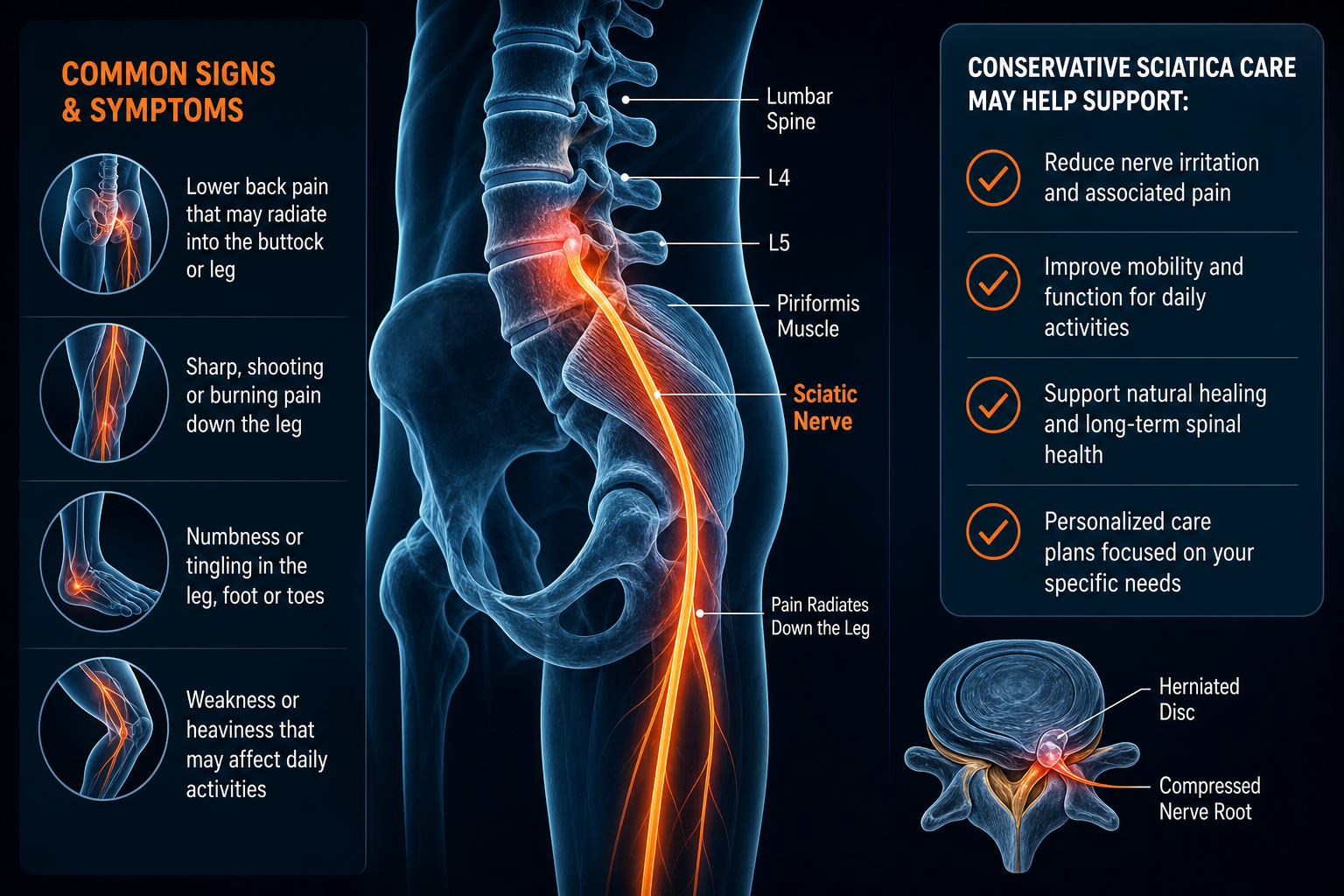
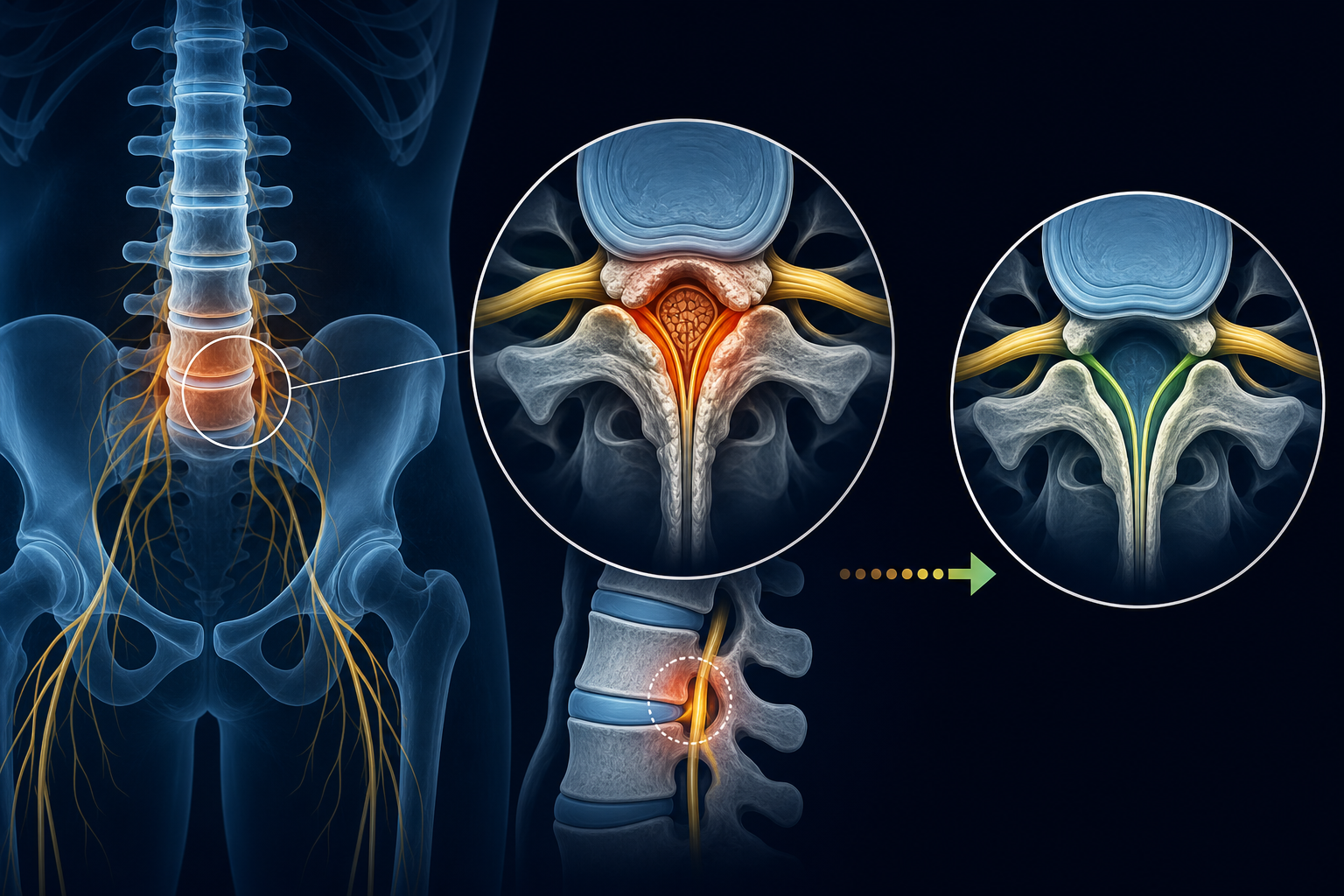
If you're experiencing pain in your buttocks that radiates down your leg, you may be suffering from piriformis syndrome. This condition is caused by the piriformis muscle - a small, round muscle located deep in the hip - pressing against the sciatic nerve and causing symptoms like pain, numbness, and tingling. Chiropractic care can help relieve these symptoms by providing targeted treatment to the piriformis muscle. Keep reading to learn more about how chiropractic care can help treat piriformis syndrome.
What is piriformis syndrome and how does it affect the body?
Piriformis Syndrome is a musculoskeletal pain condition caused by spasms or inflammation of the piriformis muscle. The piriformis muscle is located deep in the lower back and is connected to the hip, buttock, and thigh regions. This makes movement of these muscles harder which can result in severe pain that is often felt along one side of the body and made worse through activities like sitting or running. People with Piriformis Syndrome may also experience numbness, tingling, or weakness in their legs too. Fortunately, chiropractic care can be used to help manage this condition. Chiropractors can work to reduce tension within the piriformis muscle by manipulating its position as well as provide modalities such as cold and heat therapy to reduce inflammation. All these treatments are aimed at improving movement quality which in turn lessens pain and discomfort associated with Piriformis Syndrome.
How can chiropractic care help treat piriformis syndrome symptoms effectively?
Chiropractic care is a very effective therapeutic treatment to help alleviate the symptoms associated with piriformis syndrome. Trained chiropractors use specialized techniques and tools to manipulate joints, muscles, and pelvic organs, helping to relieve tension, reduce pain, and restore normal function. These techniques can also be utilized as either primary or complementary treatment methods for the relief of piriformis syndrome symptoms. Moreover, several studies have demonstrated that chiropractic care can increase the range of motion, improve strength, and flexibility, and reduce inflammation, further aiding in the successful management of the condition. As such, chiropractic care is an invaluable tool for those suffering from piriformis syndrome looking for relief from their symptoms.
Complementary treatments that can be used in addition to chiropractic care for piriformis syndrome?
In addition to chiropractic care, other types of complementary treatments for piriformis syndrome can include physical therapy, massage therapy, or acupuncture. Physical therapy exercises can help strengthen hips and abdominals, thereby limiting the strain on the piriformis muscle. Massage therapy has also proven to be beneficial in reducing tension in the muscles around the piriformis. The combination of focused massage pressure with stretching can improve joint movement and range of motion that is impaired by restrictive scar tissue and muscle spasms. Lastly, acupuncture could also be used alongside chiropractic care for relief from pain due to tightness around the piriformis muscle. This ancient Chinese healing modality uses a system of needles to stimulate points on the body with the goal of balancing energy which then leads to improved health and reduction of symptoms. Ultimately, combining all these treatments can help reduce inflammation and restore a normal range of motion so that you can better enjoy an active life.
Are there any lifestyle changes that can help prevent or reduce the symptoms of piriformis syndrome?
To help prevent or reduce the symptoms of piriformis syndrome, it is important to become mindful of activities that could potentially cause tightness in the gluteal muscles and other areas in the hip region. Regularly performing stretching exercises that focus on the hips and glutes can help alleviate tightness and improve flexibility and range of motion. It is also important to carefully ascertain biomechanical faults such as muscle imbalances, and if needed, incorporate corrective exercises into the workout routine to prevent imbalances from worsening. Additionally, avoiding sitting for long periods of time can be beneficial, since constant pressure on gluteal muscles can cause compression that can lead to piriformis pain. Seeing a chiropractor or other health professional specializing in the treatment of this condition can be another supportive approach to managing symptoms associated with this condition.
Chiropractic care is an effective treatment for piriformis syndrome that can help to reduce pain and improve range of motion. In addition to chiropractic care, there are a number of other complementary treatments that can be used to help treat the symptoms of piriformis syndrome. Some lifestyle changes may also be helpful in preventing or reducing the symptoms of this condition. If you think you may have piriformis syndrome, make an appointment with a chiropractor today and see how they can help you.