Exploring the Link Between Occipital Neuralgia and Spastic Neck Muscles: A Path to Recovery
Occipital Neuralgia, a debilitating pain syndrome, triggers severe, electric shock-like pain at the back of the head, diminishing one's quality of life significantly. This condition, closely related to Trigeminal Neuralgia, often leaves individuals searching for answers and relief. Exploring the connection between whiplash-type trauma, its subsequent impact on the nervous system, and how natural, noninvasive care approaches are offering new hope reveals critical insights into recovery.
Symptoms of Occipital Neuralgia: Understanding the Pain
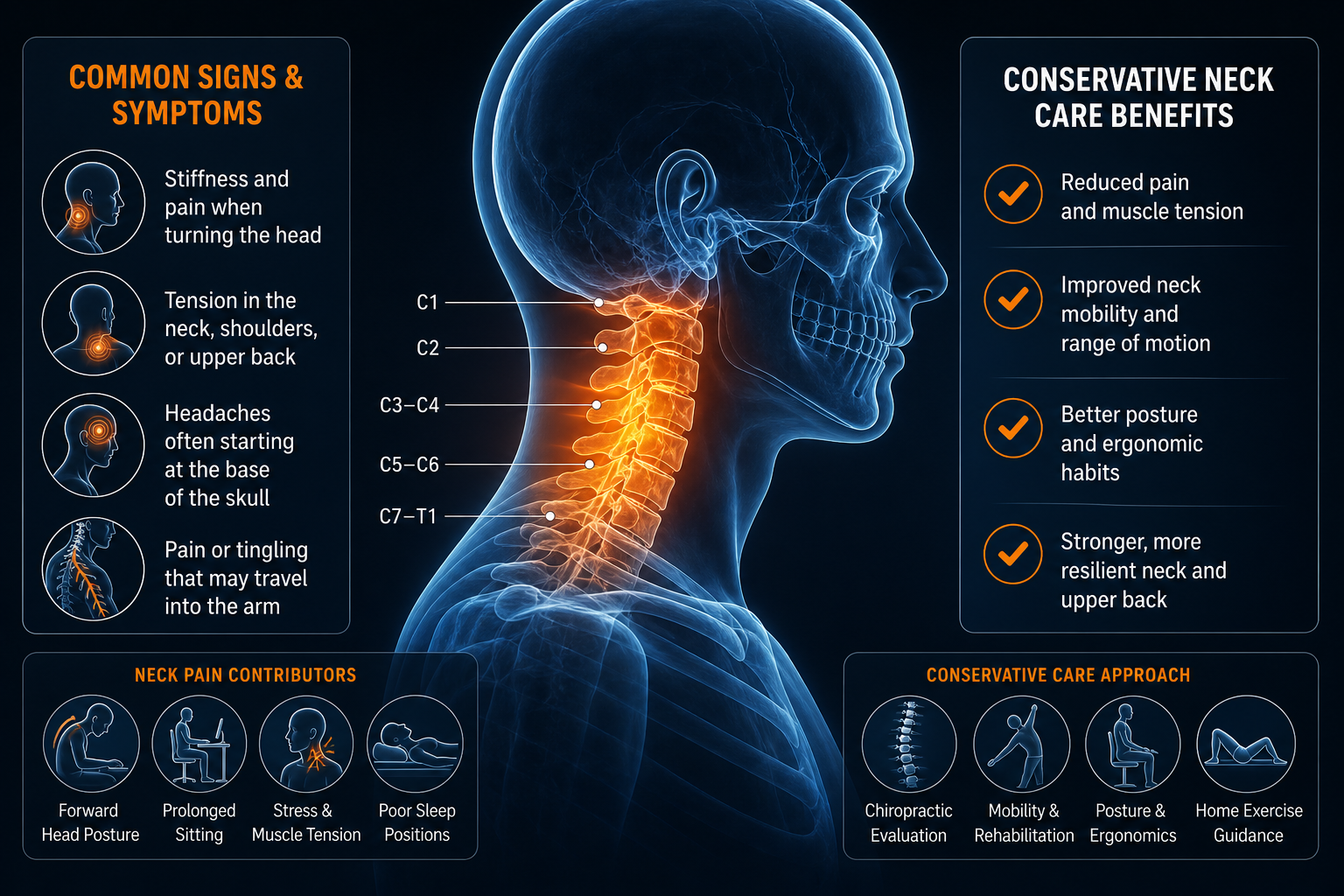
Occipital Neuralgia manifests through a spectrum of symptoms that can profoundly affect daily living:
Aching, burning, and throbbing pain originating at the base of the head and extending across the scalp.
- Pain that may affect one or both sides of the head.
- Discomfort behind the eye.
- ncreased sensitivity to light and sound.
- Difficulty with speech.
- Pain exacerbated by neck movement.
The impact of these symptoms goes beyond physical discomfort, influencing mental well-being and productivity. Many individuals struggle to maintain focus, engage in social activities, or perform routine tasks, creating a cycle of frustration and reduced quality of life.
Causes and Triggers of Occipital Neuralgia
In addition to whiplash-type injuries, there are other factors that can contribute to the onset of Occipital Neuralgia. These include:
- Chronic Poor Posture: Sitting for long periods with improper ergonomics can strain the neck and upper cervical spine, increasing the risk of nerve irritation.
- Stress and Tension: Prolonged tension in the neck and shoulder muscles can lead to spasms that irritate the occipital nerves.
- Underlying Health Conditions: Conditions such as arthritis, diabetes, or nerve compression disorders may predispose individuals to Occipital Neuralgia.
Understanding these triggers allows individuals to adopt preventative measures to reduce the risk of flare-ups.
The Role of Neck Injury in Occipital Neuralgia
Occipital Neuralgia in many patients can often be traced back to prior whiplash-type injuries. Despite the passage of years, many fail to connect these traumatic events to their current health challenges. Neck injuries, commonly resulting from car accidents, sports mishaps, or even prolonged poor posture, can cause profound disruptions to the nervous system.
The neck’s vulnerability stems from its unique anatomy. The head’s substantial weight rests on the relatively slight neck, making it particularly susceptible to damage from jolting movements. Micro-tears in soft tissue and joint capsules often occur, leading to joint instability, muscle spasms, and structural changes. These injuries can set the stage for chronic conditions, including Occipital Neuralgia.
Unrecognized or untreated neck injuries exacerbate the condition. Over time, these misalignments can interfere with nerve function, compounding symptoms and making recovery increasingly challenging without targeted intervention.
Tackling the Root Cause: Correcting Upper Cervical Spine Misalignments
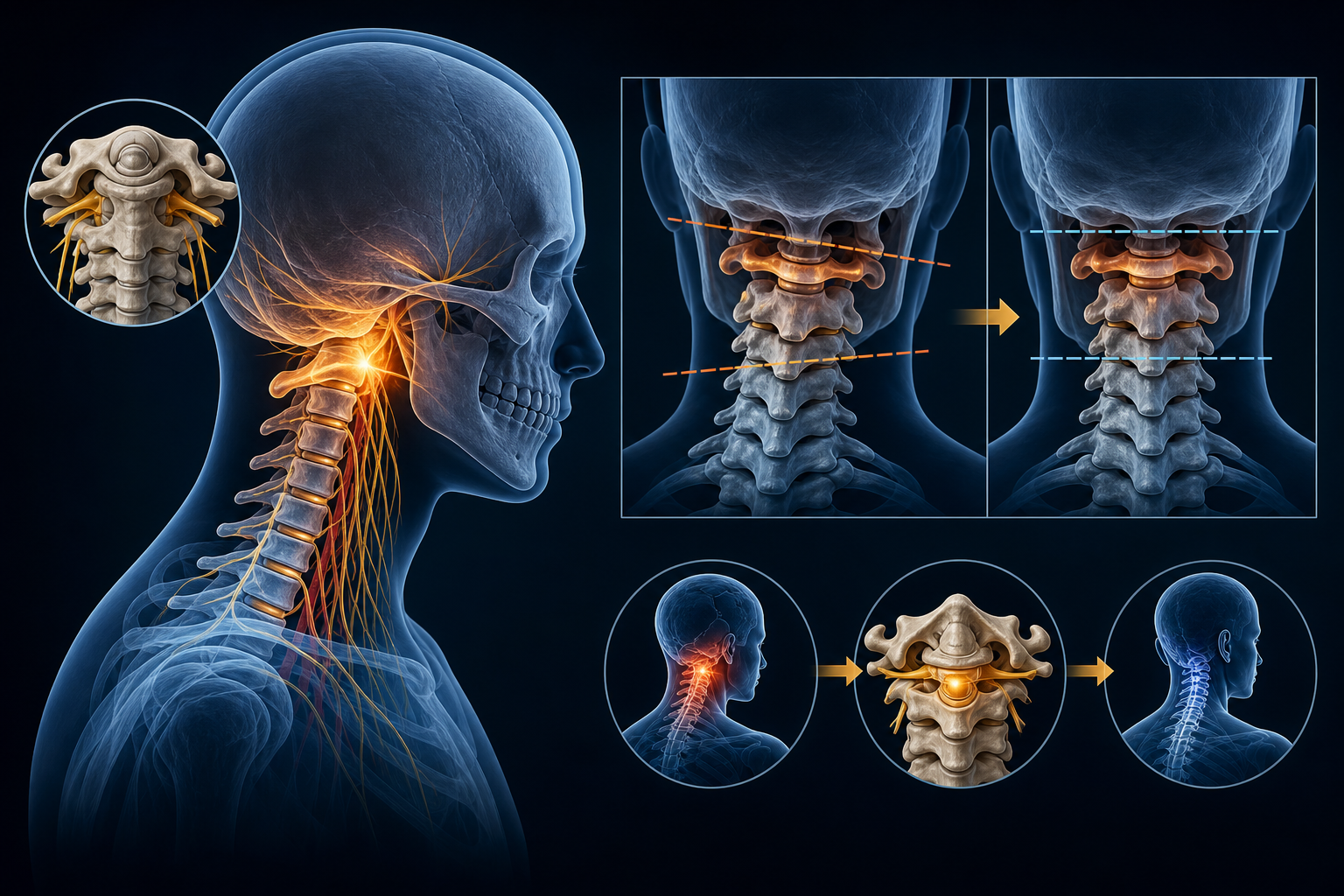
The underlying cause of Occipital Neuralgia often lies in injuries to the upper cervical spine. These injuries lead to persistent neck muscle spasms that trap and aggravate the occipital nerve. Conventional treatments frequently focus on symptomatic relief, such as medication or injections, which may provide temporary comfort but fail to address the root issue.
To truly address this condition, correcting spinal misalignments is essential. Misalignments disrupt the natural balance of the head and neck, putting undue pressure on the nervous system and perpetuating pain cycles. Realigning the upper cervical spine not only relieves nerve irritation but also restores the body’s ability to heal naturally.
Blair Upper Cervical Chiropractic: A Specialized Approach to Healing
Blair Upper Cervical Chiropractic offers a targeted approach to addressing misalignments in the upper cervical spine. This specialized care aims to rectify interference in the nervous system that arises from structural misalignments. By restoring proper alignment, patients often experience significant improvement in symptoms and overall well-being.
The Blair technique employs precise, objective testing to identify the root cause of the interference. Patients undergo detailed x-rays to determine the direction and angle of joint misalignment. Using this data, chiropractors apply a gentle, precise correction tailored to the individual’s unique anatomy. This adjustment avoids twisting, popping, or pulling, making it a comfortable option for those wary of traditional chiropractic methods.
Following the adjustment, patients are monitored closely to ensure the healing process is on track. Regular evaluations focus on maintaining proper vertebral alignment, as consistent positioning promotes long-term recovery and stability.
Lifestyle Changes to Support Recovery
For optimal results, addressing Occipital Neuralgia through chiropractic care can be complemented by lifestyle adjustments. These include:
- Ergonomic Adjustments: Setting up a workstation with proper alignment to reduce strain on the neck.
- Stretching and Strengthening Exercises: Incorporating neck and shoulder exercises to improve posture and muscle balance.
- Stress Management: Practicing mindfulness or relaxation techniques to prevent muscle tension.
- Healthy Sleep Habits: Using a supportive pillow and maintaining a neutral spine position during sleep.
These adjustments help create an environment where the body can heal and maintain balance more effectively.
FAQ About Occipital Neuralgia and Chiropractic Care
1. Can chiropractic care completely cure Occipital Neuralgia?
While results vary, chiropractic care can significantly reduce symptoms by addressing underlying spinal misalignments. Long-term benefits depend on consistent care and complementary lifestyle changes.
2. Is chiropractic care safe for everyone?
Yes, Blair Upper Cervical Chiropractic techniques are gentle and suitable for most individuals, including those with concerns about traditional methods.
3. How long does it take to see results?
Many patients report improvements after a few sessions, but recovery timelines depend on the severity of the condition and individual health factors.
4. Are there any side effects?
Most patients experience minimal to no side effects, with some reporting temporary soreness as the body adjusts to the correction.
This exploration into the connection between Occipital Neuralgia and spastic neck muscles highlights the importance of tackling underlying issues. The journey to recovery requires dedication, expertise, and a willingness to embrace comprehensive solutions that prioritize long-term health.