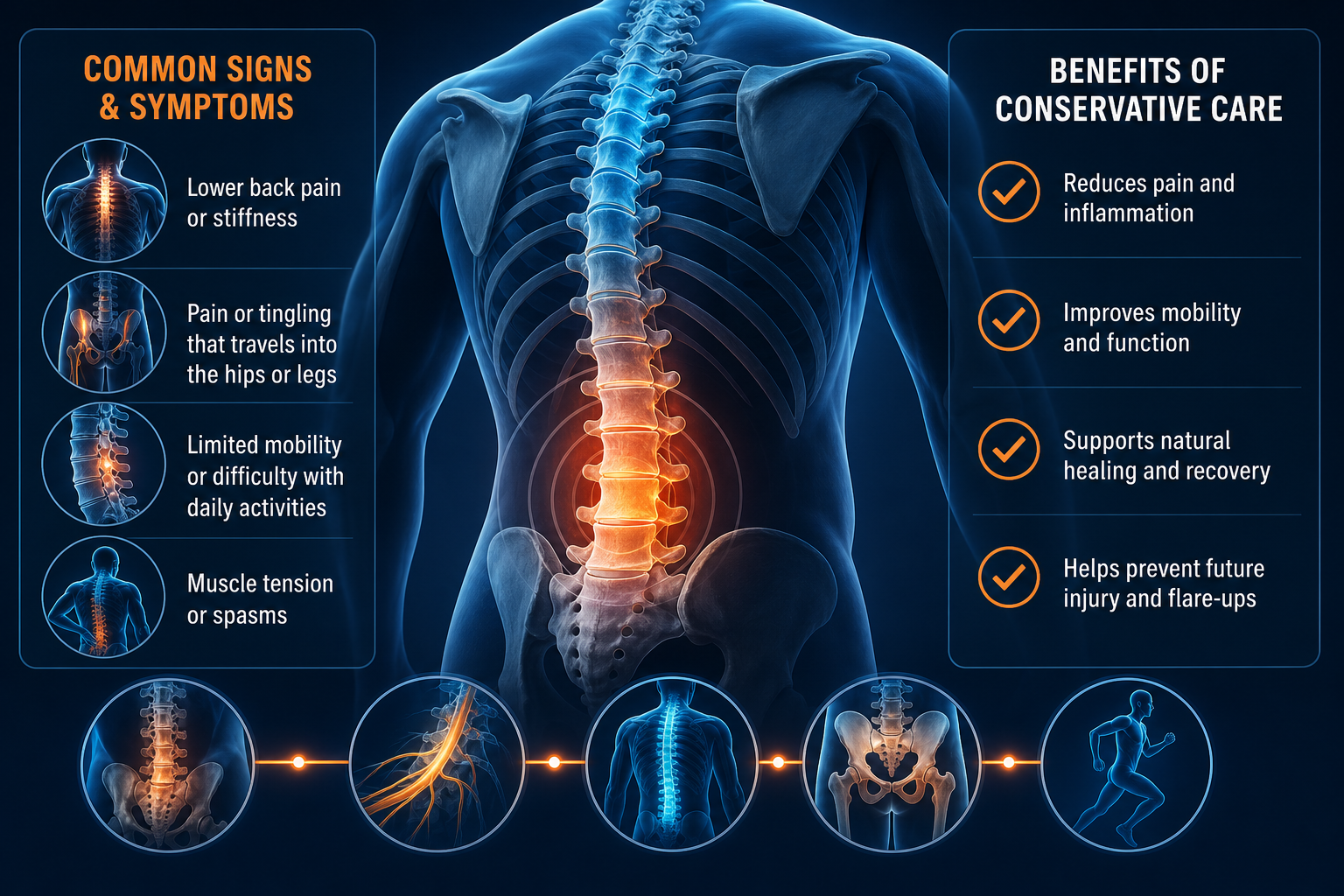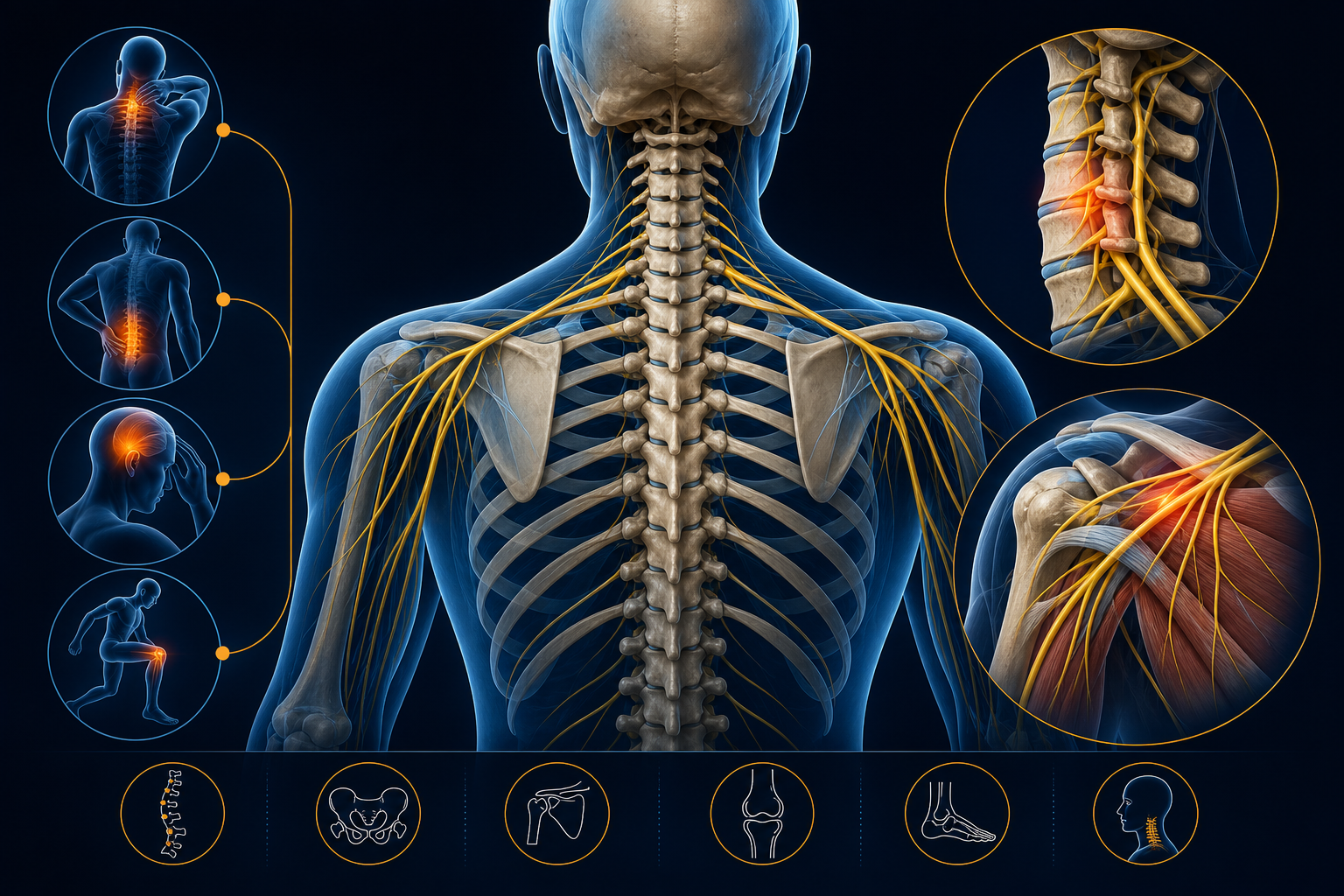
Understanding Cervical Spinal Stenosis: Symptoms, Causes, and Treatment starts with a simple idea: the cervical spine is the neck portion of your backbone, and stenosis means narrowing. When the spaces around the spinal cord or nerve roots become tighter, some people develop neck pain, arm tingling, hand numbness, weakness, balance changes, or pain when turning the neck.
Not every episode of neck stiffness or arm tingling means you have cervical spinal stenosis. Many conditions can cause similar symptoms, including muscle strain, irritated joints, a pinched nerve, or a herniated disc. A qualified provider can evaluate your symptoms, review your health history, and help determine whether conservative care may be appropriate. If you are looking for evaluation, you can search Medximity for physical therapy providers near you or chiropractors near you.
What Is Cervical Spinal Stenosis?
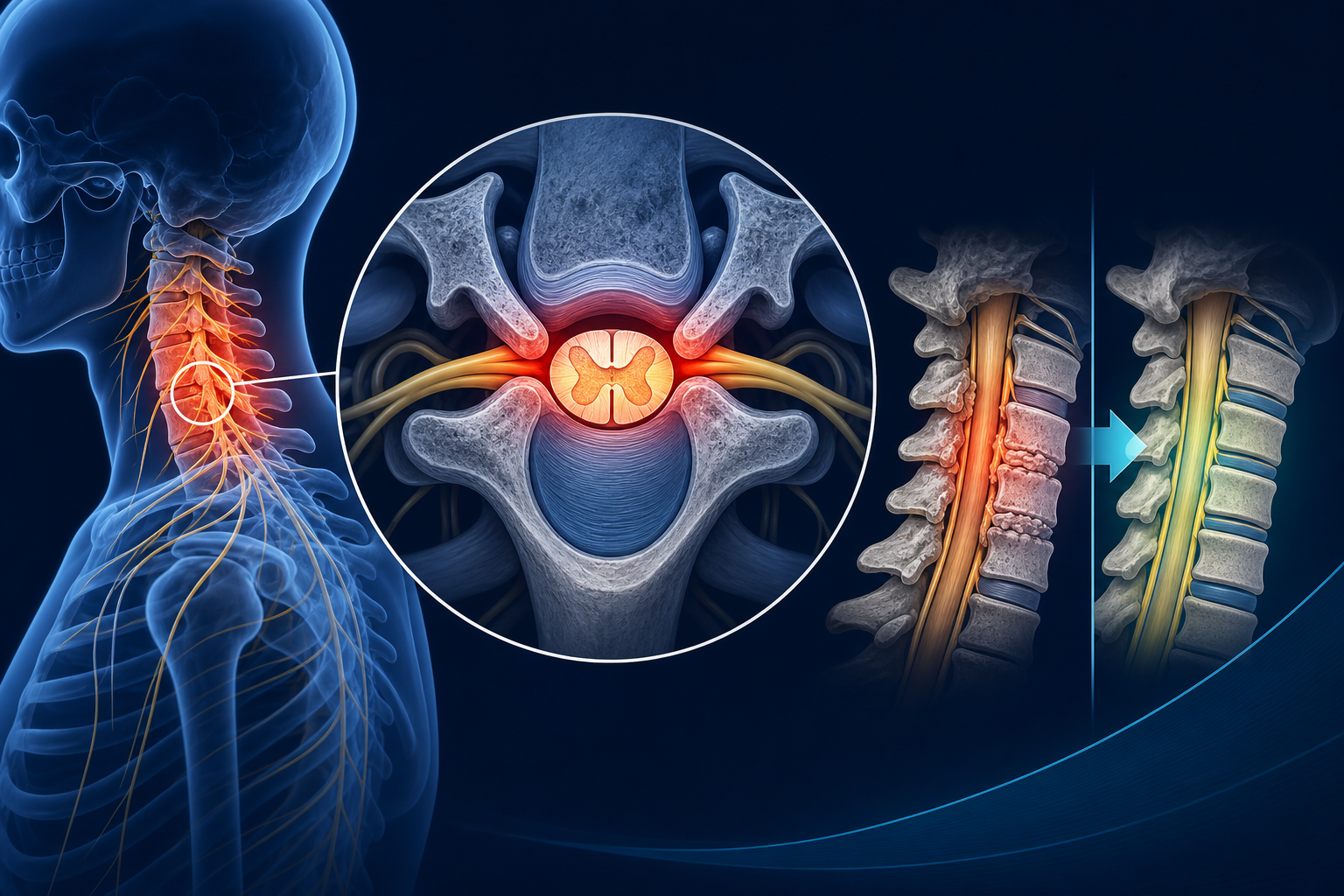
Cervical spinal stenosis is narrowing within the spinal canal or the small openings where nerves exit the neck. The cervical spine includes seven vertebrae, discs between the bones, joints, ligaments, muscles, and nerve structures that help control sensation and movement in the shoulders, arms, hands, and parts of the upper body.
When narrowing occurs, it may place pressure on a nerve root, the spinal cord, or both. Nerve root irritation may be associated with symptoms traveling into one arm. Spinal cord compression, sometimes called cervical myelopathy, may cause more widespread changes such as hand clumsiness, balance difficulty, or weakness. These symptoms require timely medical evaluation.
For a broader overview of neck-related conditions, Medximity offers patient resources on neck pain and related spine concerns.
Common Cervical Spinal Stenosis Symptoms
Cervical spinal stenosis symptoms can vary. Some people have imaging that shows narrowing but have few or no symptoms. Others have symptoms that fluctuate with posture, activity, or inflammation. Symptoms may develop gradually, but they can also become noticeable after a fall, car accident, awkward sleeping position, or prolonged desk work.
Neck Pain and Stiffness
Many people notice aching, tightness, or stiffness in the neck. Pain may be worse with extension, looking upward, or turning the head. If you have pain when turning your neck and tingling into the arm or hand, the symptoms may involve nerve irritation, but an evaluation is needed to understand the cause.
Cervical Spinal Stenosis Symptoms in Arms
Arm symptoms may include tingling, numbness, burning, heaviness, or shooting pain. Some people describe symptoms that travel from the neck into the shoulder blade, shoulder, arm, forearm, or fingers. The location can sometimes help a clinician identify which nerve may be involved, but symptom patterns are not always exact.
Hand Numbness, Weakness, or Clumsiness
Neck pain and hand numbness causes can include cervical stenosis, disc irritation, peripheral nerve compression, and other conditions. Hand weakness, dropping objects, difficulty buttoning a shirt, or changes in handwriting may be more concerning, especially if symptoms are progressing.
Balance or Walking Changes
When the spinal cord is affected, some people report feeling unsteady, having trouble with stairs, or noticing changes in coordination. These symptoms should be discussed with a healthcare provider promptly because they may suggest more than a simple neck strain.
Is It Normal to Feel Arm Tingling?
Brief arm tingling can happen for many reasons, such as sleeping on an arm or holding the neck in one position too long. However, tingling that keeps returning, spreads, comes with weakness, or appears with neck pain should not be ignored. It may be related to a nerve, circulation, muscle tension, or another medical issue.
If you cannot move your neck and have arm weakness, new numbness, loss of coordination, trouble walking, or symptoms after a significant injury, seek urgent medical evaluation. The same is true for symptoms with fever, unexplained weight loss, chest pain, or changes in bowel or bladder control.
What Causes Narrowing in the Cervical Spine?
The most common contributors to cervical spinal stenosis are age-related and mechanical changes. These changes do not always cause symptoms, but they may reduce available space around nerve tissue.
Degenerative Disc and Joint Changes
Over time, spinal discs may lose height and hydration. Facet joints can develop arthritic changes, and the body may form bone spurs. These changes may narrow the spinal canal or nerve openings.
Thickened Ligaments
Ligaments that support the spine can thicken over time. If thickened tissue reduces space in the canal, it may contribute to stenosis symptoms in some patients.
Disc Herniation or Bulging Disc
A disc bulge or herniation can take up space near a nerve root or spinal cord. Sometimes this is temporary and improves with conservative management. In other cases, it may contribute to persistent symptoms.
Congenital Narrowing
Some people are born with a smaller spinal canal. They may develop symptoms earlier or notice symptoms after relatively mild degenerative changes.
Cervical Stenosis vs. Herniated Disc Symptoms
Cervical stenosis and a herniated disc can overlap, which is why diagnosis should not be based on symptoms alone. A herniated disc often causes more sudden arm pain, tingling, or numbness along a nerve pathway. Cervical stenosis may develop more gradually and may include stiffness, arm symptoms, hand clumsiness, or balance changes if the spinal cord is involved.
That said, a person can have both conditions at the same time. Imaging findings also need clinical context. Many people have disc bulges or degenerative changes on imaging without significant symptoms. A provider will usually compare your exam findings, symptom history, function, and any imaging results before discussing treatment options.
If arm symptoms are a major concern, you may find it helpful to read more about neck pain and arm tingling and how providers approach these complaints.
When to See a Provider for Possible Cervical Spinal Stenosis
Consider scheduling an evaluation if neck pain lasts more than a few days, keeps returning, limits daily activity, or is paired with numbness, tingling, or weakness. You should also seek care if you have pain that travels into the shoulder or arm, symptoms that interfere with sleep, or difficulty working, driving, exercising, or caring for your family.
Seek urgent care for progressive weakness, new trouble walking, loss of balance, severe symptoms after trauma, or changes in bowel or bladder control. These signs may need immediate assessment.
Medximity can help you compare options for spine specialists, rehabilitation providers, and conservative care clinics in your area.
How Cervical Spinal Stenosis Is Evaluated
A provider may begin with a conversation about your symptoms, activities, medical history, and prior injuries. They may ask where symptoms travel, what makes them better or worse, and whether you have noticed weakness, coordination changes, or balance problems.
The physical exam may include range-of-motion testing, strength testing, reflexes, sensation checks, posture assessment, and functional movement. If symptoms suggest nerve involvement or spinal cord compression, the provider may recommend additional evaluation or imaging through the appropriate medical channels.
The goal is to identify the likely source of symptoms and determine whether conservative care is reasonable or whether referral is needed.
Cervical Spinal Stenosis Treatment Without Surgery
Many people first explore cervical spinal stenosis treatment without surgery, especially when symptoms are mild to moderate and there are no urgent neurological signs. Conservative care focuses on reducing irritation, improving neck mechanics, restoring strength, and helping the person return to safer movement.
Physical Therapy for Cervical Spinal Stenosis
Physical therapy for cervical spinal stenosis may include guided mobility exercises, posture training, gentle strengthening, nerve mobility work, manual therapy, and activity modification. A therapist may help you find positions that reduce symptoms and teach exercises that support the neck, upper back, and shoulders.
Exercises are usually progressed gradually. The right plan depends on your symptoms, your exam, and your tolerance. Some patients benefit from improving thoracic mobility, shoulder blade control, deep neck flexor endurance, and workstation ergonomics. Learn more about physical therapy services on Medximity.
Chiropractic and Manual Therapy Considerations
Chiropractic care may help some patients with neck pain, stiffness, and mobility limitations, but cervical stenosis requires careful screening. Not every technique is appropriate for every person. Providers may use low-force mobilization, soft tissue work, rehabilitative exercise, posture coaching, or referral when symptoms suggest spinal cord involvement or progressive neurological change.
If you are considering manual care, look for a provider who takes a thorough history, performs a neurological screen, explains risks and alternatives, and coordinates care when needed. Medximity has more information about chiropractic care and how conservative providers approach spine-related symptoms.
Natural Treatment for Cervical Spinal Stenosis
Natural treatment for cervical spinal stenosis usually means non-invasive strategies that may support comfort and function. These can include movement modification, heat or ice as tolerated, ergonomic changes, gentle stretching, strengthening, walking, sleep-position adjustments, and stress-reduction strategies. These approaches may help manage symptoms for some people, but they should be matched to your situation by a qualified provider.
It is also wise to avoid forcing painful stretches, aggressive neck cracking, or exercises that increase arm symptoms. More discomfort is not always a sign of progress when nerve irritation is involved.
What to Expect During Conservative Care
Your first visit may include a detailed history, exam, discussion of goals, and an initial plan. The provider may explain which symptoms are expected to improve gradually and which warning signs should be reported right away. Treatment often begins with gentle strategies and progresses as your symptoms allow.
You may receive home exercises, posture recommendations, and guidance on daily activities such as computer work, lifting, driving, and sleep positioning. Progress is often measured by function: less frequent arm tingling, better neck motion, improved grip confidence, better sleep, or the ability to return to normal tasks.
If symptoms do not improve, worsen, or suggest spinal cord involvement, your provider may recommend further evaluation. Conservative providers can be an important part of recognizing when another level of care is needed.
Finding Cervical Spinal Stenosis Treatment Near Me
If you are searching for cervical spinal stenosis treatment near me, focus on providers who regularly evaluate neck pain, arm symptoms, nerve irritation, and spine-related movement problems. Ask whether the clinic offers a neurological screen, individualized exercise plans, posture and ergonomic coaching, and coordination with medical providers when needed.
Medximity helps patients compare conservative care options in one place. You can start by browsing local physical therapists, local chiropractors, or rehabilitation providers who may help evaluate neck pain and arm symptoms.
FAQ: Cervical Spinal Stenosis
What is cervical spinal stenosis?
Cervical spinal stenosis is narrowing in the neck portion of the spinal canal or nerve openings. It may irritate the spinal cord or nerves, although some people have narrowing without noticeable symptoms.
Can cervical spinal stenosis cause arm tingling?
Yes, it may. Cervical spinal stenosis symptoms in arms can include tingling, numbness, burning, pain, or weakness. Similar symptoms can also come from other conditions, so evaluation is important.
What causes narrowing in the cervical spine?
Narrowing may be associated with disc degeneration, arthritis, bone spurs, thickened ligaments, congenital anatomy, or disc herniation. A provider can help determine which factors may apply.
Can physical therapy help cervical spinal stenosis?
Physical therapy may help some patients improve mobility, strength, posture, and symptom control. The plan should be individualized and adjusted if symptoms worsen or neurological signs appear.
When is arm weakness with neck pain urgent?
New or worsening arm weakness, trouble walking, loss of coordination, or changes in bowel or bladder control should be evaluated urgently. These symptoms may suggest more serious nerve or spinal cord involvement.