If you are searching for a neck pain chiropractor Dickson TN, you are probably trying to understand why your neck hurts, whether chiropractic care may help, and how soon you should be evaluated. Neck pain is common, but it can feel alarming when you have neck pain when turning your head, wake up stiff, or feel like you can’t move your neck without pain.
Chiropractic care for neck pain focuses on conservative, non-surgical evaluation and treatment. Depending on your exam findings, a chiropractor may use gentle spinal or joint mobilization, soft-tissue techniques, posture and ergonomic guidance, and home movement strategies. The right plan depends on the cause of your symptoms, your health history, and how your neck responds to care.
Medximity helps patients compare local providers and learn about care options. You can start by browsing chiropractors in Dickson, TN or searching for a neck pain chiropractor near me.
What Neck Pain Is and Why It Happens
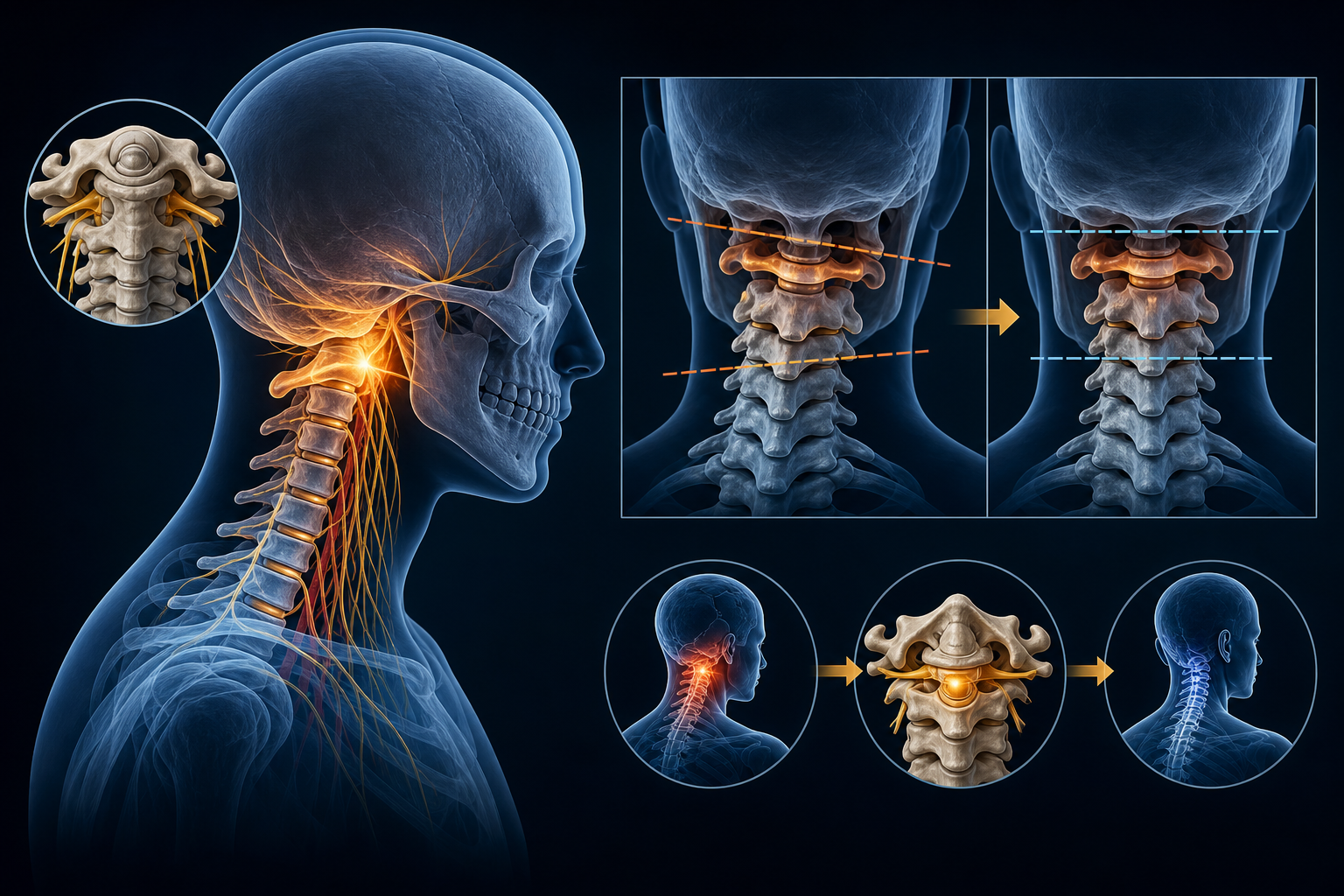
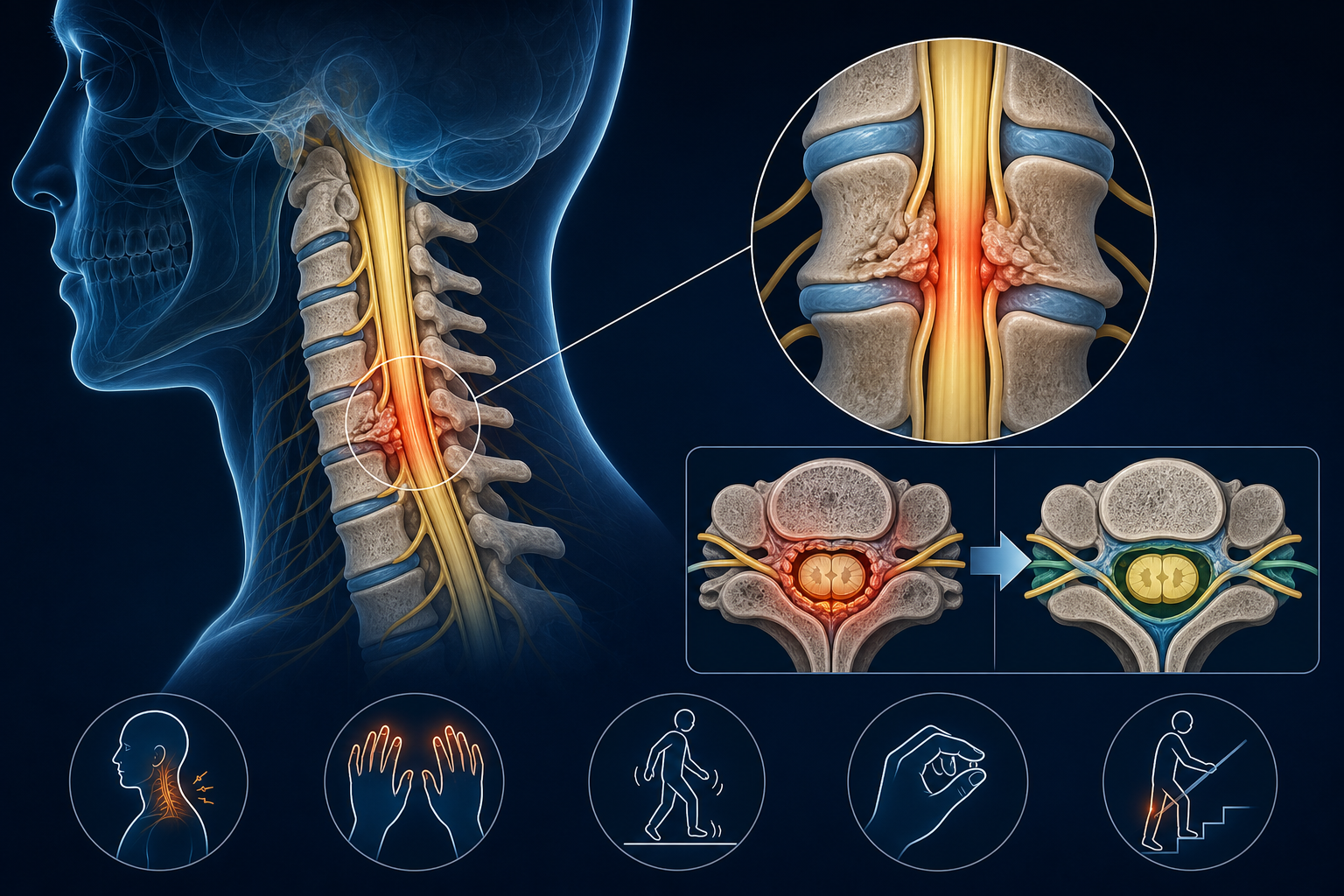
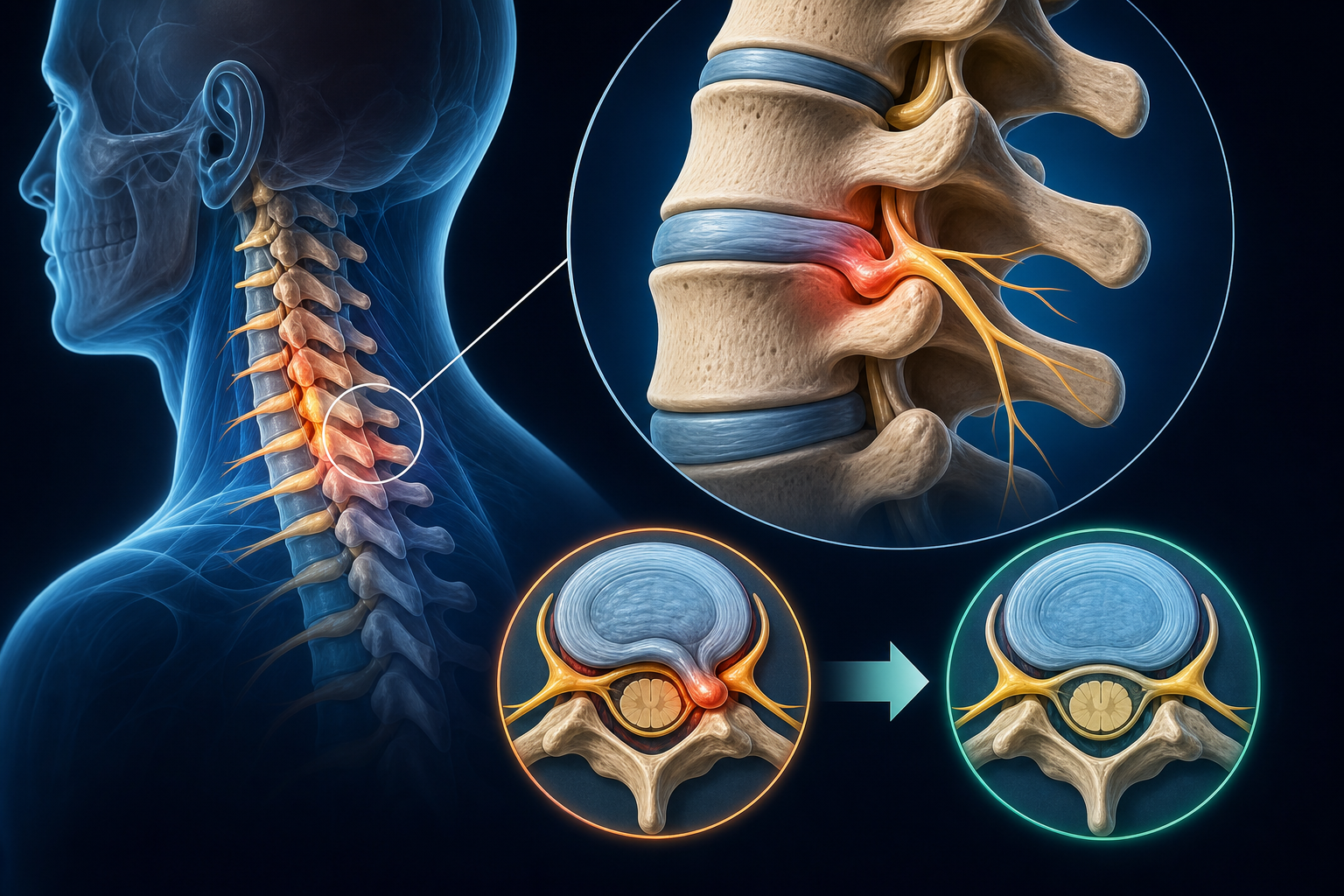
Neck pain can involve muscles, joints, ligaments, discs, nerves, or a combination of these structures. The cervical spine, or neck region, supports the head while allowing motion in several directions. Because it is highly mobile, it can become irritated by sustained posture, sudden movement, poor sleep positioning, or trauma.
Some neck pain is mostly muscular, such as tightness after a long workday or sleeping at an awkward angle. Other cases may involve joint restriction, nerve irritation, or inflammation after a car accident or sports injury. A provider can help determine which factors may be contributing to your symptoms.
For a broader overview, visit Medximity’s guide to neck pain symptoms and care options.
Common Causes of Neck Pain in Dickson Patients
What causes neck pain after sleeping?
Many people ask, what causes neck pain after sleeping? In many cases, morning neck pain may be associated with pillow height, sleeping position, a mattress that does not support the spine well, or remaining in one position for too long. Some patients also notice that stress-related muscle tension makes the neck more sensitive overnight.
Occasional stiffness after sleep may improve with gentle movement, but pain that persists, worsens, or limits your ability to turn your head should be evaluated by a qualified provider.
Neck pain when turning the head
Pain with rotation can occur when muscles tighten, joints become irritated, or nearby tissues are inflamed. You may notice a sharp pinch, a pulling sensation, or a feeling that your neck is stuck. A chiropractor may assess range of motion, tenderness, posture, and neurological signs to better understand why movement is painful.
Whiplash and car accident injuries
Whiplash can occur when the head and neck move suddenly forward and backward, often during a motor vehicle collision. Symptoms may appear right away or develop over the next day or two. A chiropractor for whiplash neck pain Dickson patients consult may evaluate neck mobility, muscle guarding, headaches, shoulder symptoms, and signs that further medical evaluation is needed.
Learn more about whiplash symptoms and conservative care.
When to See a Provider for Neck Pain
You should consider seeing a chiropractor or another qualified healthcare provider if neck pain lasts more than a few days, keeps returning, limits normal movement, interferes with sleep, or follows a fall, collision, or other injury. Evaluation is also reasonable if you feel stiffness spreading into the shoulders or upper back.
Seek urgent medical attention if neck pain occurs with severe headache, fever, confusion, chest pain, weakness, numbness, loss of coordination, trouble walking, or symptoms after significant trauma. These signs do not always mean something serious is present, but they deserve prompt assessment.
If you are unsure where to begin, a local provider can help determine whether chiropractic care is appropriate or whether you need referral for additional evaluation.
How Long Does Neck Pain Last?
How long does neck pain last? The answer depends on the cause, severity, general health, activity level, and whether the irritating factors continue. Mild muscle strain or stiffness may improve within days. More persistent mechanical neck pain, posture-related pain, or symptoms after a collision may take longer and may benefit from a structured care plan.
A chiropractor should not promise a timeline or guaranteed result. Instead, your provider may track range of motion, pain levels, function, sleep quality, and tolerance for daily activities to determine whether you are improving as expected.
Chiropractic Treatment for Stiff Neck
Chiropractic treatment for stiff neck is typically designed to improve comfortable movement, reduce mechanical stress, and support normal function. Treatment may include several conservative methods depending on your exam.
Gentle adjustment or mobilization
A chiropractic adjustment is a hands-on technique intended to improve joint motion. Some patients receive lower-force mobilization instead of a traditional adjustment, especially when the neck is very sensitive. You can read more about chiropractic adjustment techniques on Medximity.
Soft-tissue care
Soft-tissue work may focus on tight muscles in the neck, upper back, shoulders, or jaw area. Techniques may include manual pressure, assisted stretching, or movement-based release methods. These approaches may help some patients feel less guarded and more comfortable moving.
Exercise, posture, and ergonomics
A chiropractor may recommend gentle home movements, posture changes, desk setup adjustments, or sleep-position suggestions. These steps are often part of natural treatment for neck pain because they address daily habits that may keep symptoms irritated.
Neck Pain Treatment Without Surgery
Many patients want neck pain treatment without surgery. Conservative care may include chiropractic care, physical therapy, rehabilitation exercise, activity modification, and education. The goal is not just short-term relief, but also better movement patterns and fewer flare-ups when possible.
Some patients benefit from coordinated care that includes rehabilitation or therapeutic exercise. Medximity can help you explore physical therapy and rehabilitation options when strengthening, mobility, or injury recovery support is part of the plan.
What Happens at a First Chiropractic Visit?
If you are wondering what happens at first chiropractic visit, the appointment usually begins with a health history. Your chiropractor may ask when the pain started, what makes it better or worse, whether you have headaches or arm symptoms, and whether there was an accident or injury.
The exam may include posture observation, range-of-motion testing, orthopedic tests, muscle assessment, and a basic neurological screen when appropriate. If your symptoms suggest that imaging or another type of medical evaluation is needed, the chiropractor may refer you before starting care.
If chiropractic care appears appropriate, your provider should explain the findings, discuss options, review potential risks and benefits, and answer your questions before treatment. For more detail, see Medximity’s article on what to expect at your first chiropractic visit.
Is Chiropractic Care Safe for Neck Pain?
Is chiropractic care safe for neck pain? For many patients, chiropractic care is considered a conservative option when performed by a licensed provider after an appropriate evaluation. However, not every neck pain case is the same. Certain symptoms, health conditions, or injury patterns may require modification, referral, or a different approach.
Before treatment, tell your chiropractor about prior neck injuries, dizziness, neurological symptoms, bone health concerns, inflammatory conditions, surgeries, or major medical history. A careful provider will tailor care to your situation and avoid techniques that are not appropriate for your presentation.
How to Find the Best Neck Pain Chiropractor in Dickson, TN for You
The phrase best neck pain chiropractor Dickson TN means something different for every patient. Look for a provider who listens carefully, explains the likely causes of your pain in plain language, performs an appropriate exam, discusses conservative options, and gives you a plan you understand.
Convenience also matters. If pain makes driving difficult or you need follow-up care, location, scheduling, and communication can affect whether you stick with the plan. You can compare local options through the Medximity chiropractor directory or narrow your search to Dickson-area chiropractic providers.
FAQ: Neck Pain Chiropractor Dickson TN
Can a chiropractor help if I can’t move my neck without pain?
A chiropractor may be able to help evaluate restricted neck motion and determine whether conservative care is appropriate. If your symptoms include weakness, numbness, severe headache, fever, or recent major trauma, seek prompt medical evaluation.
What causes a stiff neck after sleeping?
A stiff neck after sleeping may be related to pillow support, sleep position, muscle tension, or joint irritation. If it does not improve or keeps returning, a provider can assess whether there are underlying mechanical factors.
How many visits will I need?
The number of visits depends on your symptoms, exam findings, response to care, and goals. A chiropractor should reassess progress and adjust the plan rather than promising a fixed outcome.
Can chiropractic care help whiplash?
Chiropractic care may be part of conservative whiplash care for some patients, often alongside gentle mobility work and home exercise. Because whiplash can involve several tissues, evaluation is important before treatment begins.
When should I not wait to get care?
Do not wait if neck pain follows significant trauma or occurs with neurological symptoms, severe headache, fever, confusion, chest pain, or trouble walking. These symptoms should be assessed urgently.