Find a Provider Community Forum
For Providers For Attorneys
Sign In

Medication Free Treatment for Tension Headaches

Medication Free Treatment for Tension Headaches

Key Takeaways

  • Tension headaches often come with neck, shoulder, or scalp tenderness and can disrupt your day even when they aren’t an emergency.
  • Medication-free care commonly focuses on reducing muscle tension, improving posture, and addressing movement habits that may trigger symptoms.
  • Conservative options like manual therapy, targeted stretching, and stress management may help decrease headache frequency for many people.
  • Tracking how often headaches occur (episodic vs. chronic) helps guide the right care plan and when to seek further evaluation.

Medication-Free Headache Treatment  

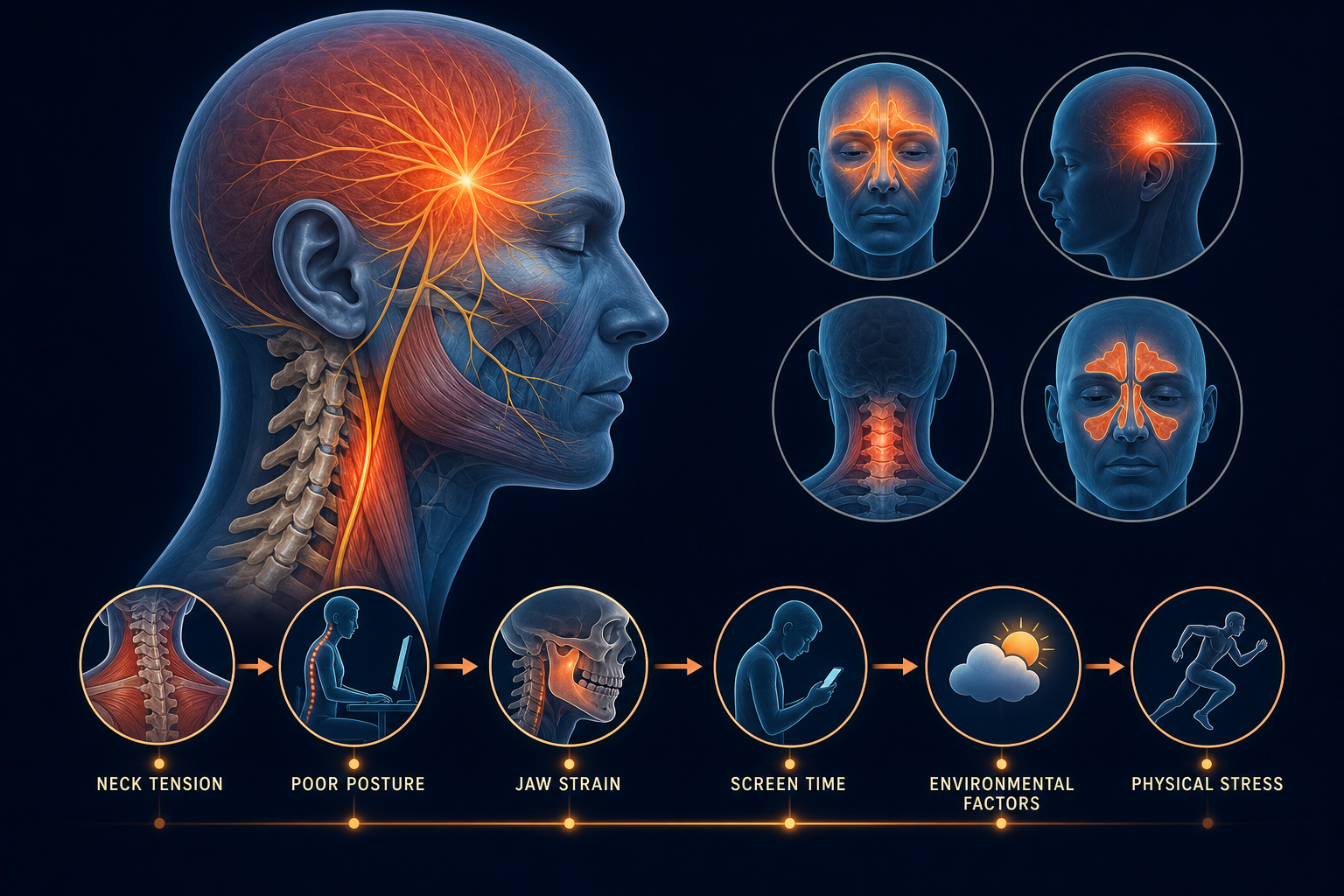
Additional symptoms may include a tender neck, shoulders, and scalp. While this is the most common form of a headache, it is still a mystery to the medical field as a whole. 

Tension headaches are not the kind of headaches that send a person to the emergency room or even the doctor. However, they are painful enough to take a good chunk out of your day while you recover. Your condition will be categorized by the frequency of occurrence. Episodic tension headaches occur less than 1 time per month over the course of three months. Chronic tension headaches occur more than 15 times per month in the same period.

Standard Medical Treatment

The standard treatment for a tension headache is an over-the-counter pain medication. Sometimes, when the problem becomes chronic, prescription drugs enter the scene. We all know that tension headaches are not caused by a drug deficiency.  But many people take drugs weekly because they don't have a natural alternative. Taking pain-killing medications over the long term is not only harmful to the body, but they also are not a solution.

Upper Cervical Care

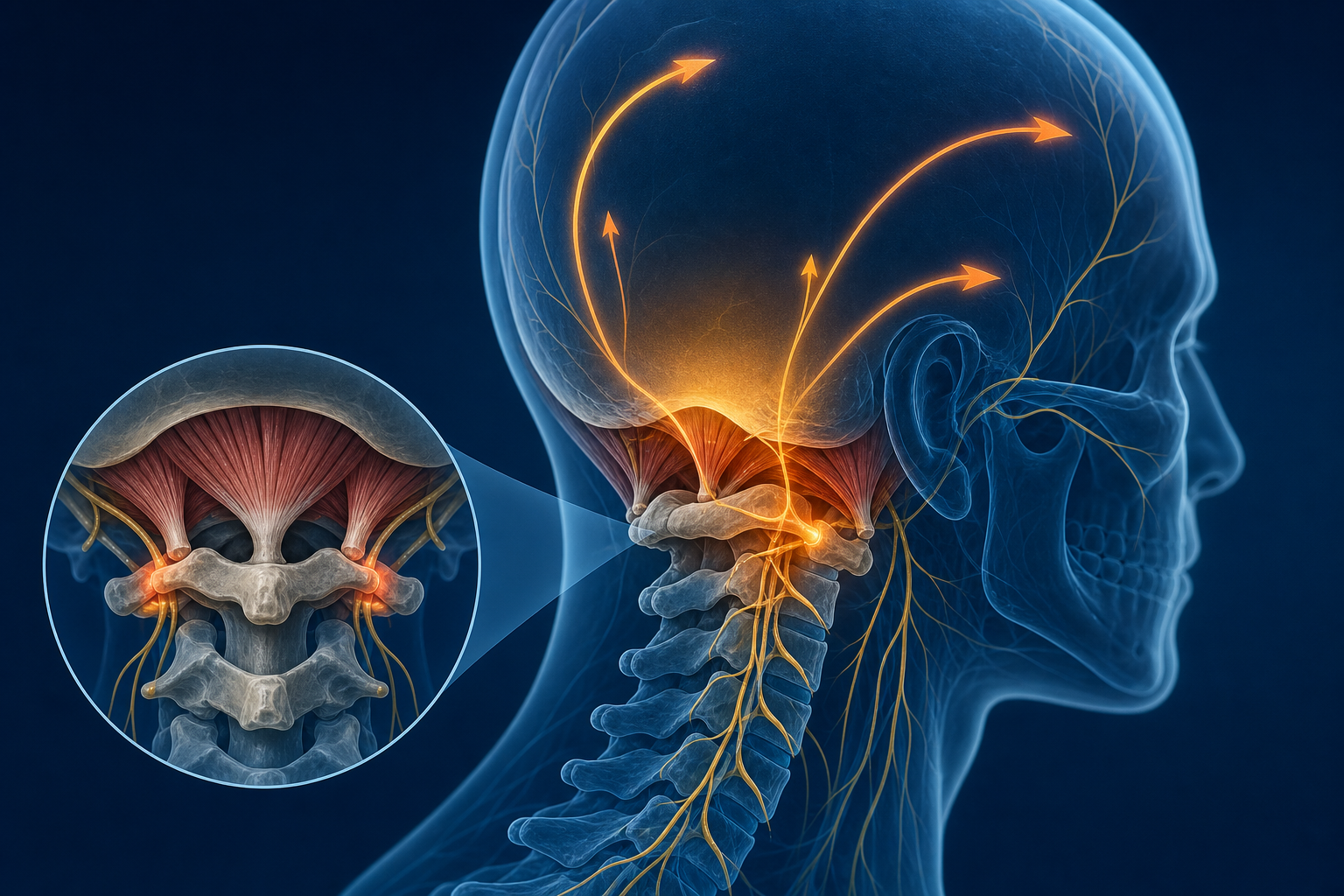
Pain relievers only mask a symptom. If you want to go after your headaches at the source, you will want to see headache specialists. What makes a headache specialist is the use of upper cervical chiropractic care. By means of upper cervical chiropractic adjustments, Doctors can correct misalignments in the uppermost part of the neck. Such misalignments may restrict blood flow, and CSF flow, and affect the nervous system adversely. 

Often, the result is chronic headaches or even migraines. Even the slightest misalignment can have severe neurological consequences. However, a gentle correction can realign the vertebrae and restore proper blood flow, CSF flow, and nervous system function. 

For many patients, this results in relief from migraines in the long term. True healing takes time and takes understanding. In our quick-fix, symptom treatment disease care model, many confuse relief with healing.  At Upper Cervical Health Care we follow a natural law: "NATURE NEEDS NO HELP JUST NO INTERFERENCE".  Our job is to find the interference and remove it.  It's nature's job to heal you from the inside out. Give Upper Cervical Care a try. You will be glad you did it. 



Medical Disclaimer: This article is for informational purposes only and does not constitute medical advice, diagnosis, or treatment. Always consult a qualified healthcare provider for personalized medical guidance. If you are experiencing a medical emergency, call 911 or your local emergency number immediately.

Frequently Asked Questions

What is a tension headache, and how does it feel?
A tension headache is a common headache type that often feels like a tight band or pressure around the forehead or the back of the head. Many people also notice **tenderness** in the neck, shoulders, or scalp. Symptoms are usually uncomfortable and distracting, but they typically aren’t an emergency.
What are medication-free treatment options for tension headaches?
Medication-free treatment for tension headaches often aims to reduce muscle tension and improve how your neck and upper back move. Common conservative options include **physical therapy**, gentle **manual therapy**, posture and ergonomic coaching, stretching and strengthening exercises, relaxation breathing, and stress-management strategies. A provider can tailor the plan based on your triggers and headache frequency.
Can chiropractic care or physical therapy help with tension headaches?
Many patients with tension headaches also have neck and upper-back tightness, limited mobility, or posture strain. Conservative care such as **spinal manipulation or mobilization**, soft-tissue work, and therapeutic exercise may help reduce headache frequency or intensity for some people. Results vary, and a provider should screen for red flags and rule out other headache causes.
What stretches or habits may help prevent tension headaches?
Prevention often comes down to reducing sustained strain. Helpful habits may include taking brief screen breaks every 30–60 minutes, adjusting monitor height, keeping shoulders relaxed, and doing gentle neck and upper-back stretches. Many people also benefit from consistent sleep, hydration, and stress-reduction routines. A physical therapist can teach specific exercises that match your posture and mobility needs.
When should I see a provider for tension headaches?
See a provider if headaches become frequent, change suddenly, or start interfering with work, sleep, or daily activities. Get urgent evaluation if you have a sudden “worst headache,” new weakness or numbness, confusion, fainting, fever with neck stiffness, head injury, or vision or speech changes. Those signs can point to causes beyond typical tension headaches.

Sources

  1. Tension headache - Symptoms and causes — Mayo Clinic (2024)
  2. Headache: Hope Through Research — National Institute of Neurological Disorders and Stroke (NINDS) (2023)
  3. Tension-type headache — World Health Organization (WHO) — Headache disorders fact sheet (2022)

We use first-party cookies to run this site and understand how patients find us. Privacy