Lower back pain is one of the most common reasons people seek healthcare in the United States, affecting people of all ages and activity levels. Whether your pain came on suddenly after lifting something heavy or has been building gradually over months, understanding your options for lower back pain treatment can help you take the right next step. This guide covers common causes, conservative care approaches, and how to know when it's time to see a provider.
What Causes Lower Back Pain — and What Makes It Flare Up?
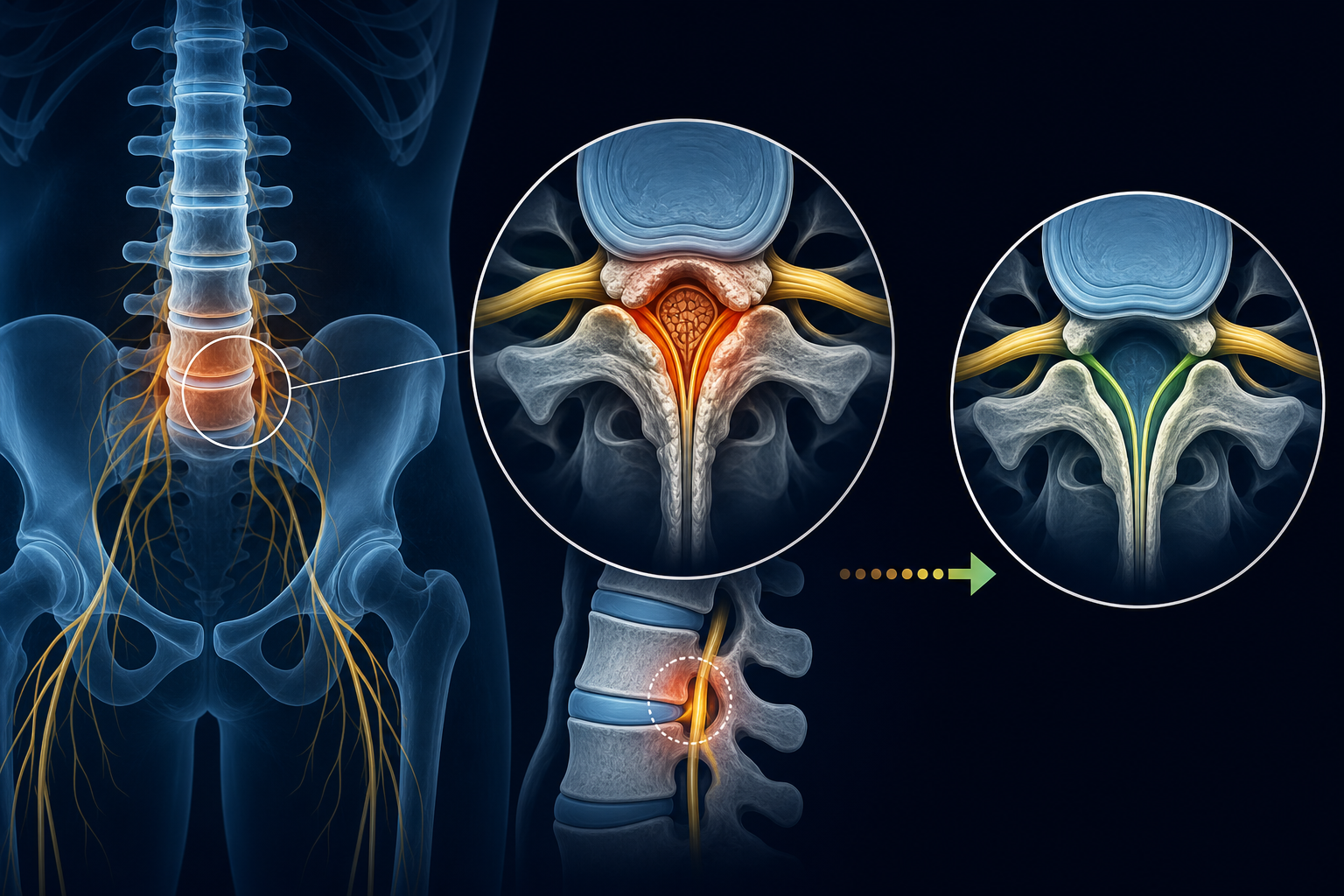
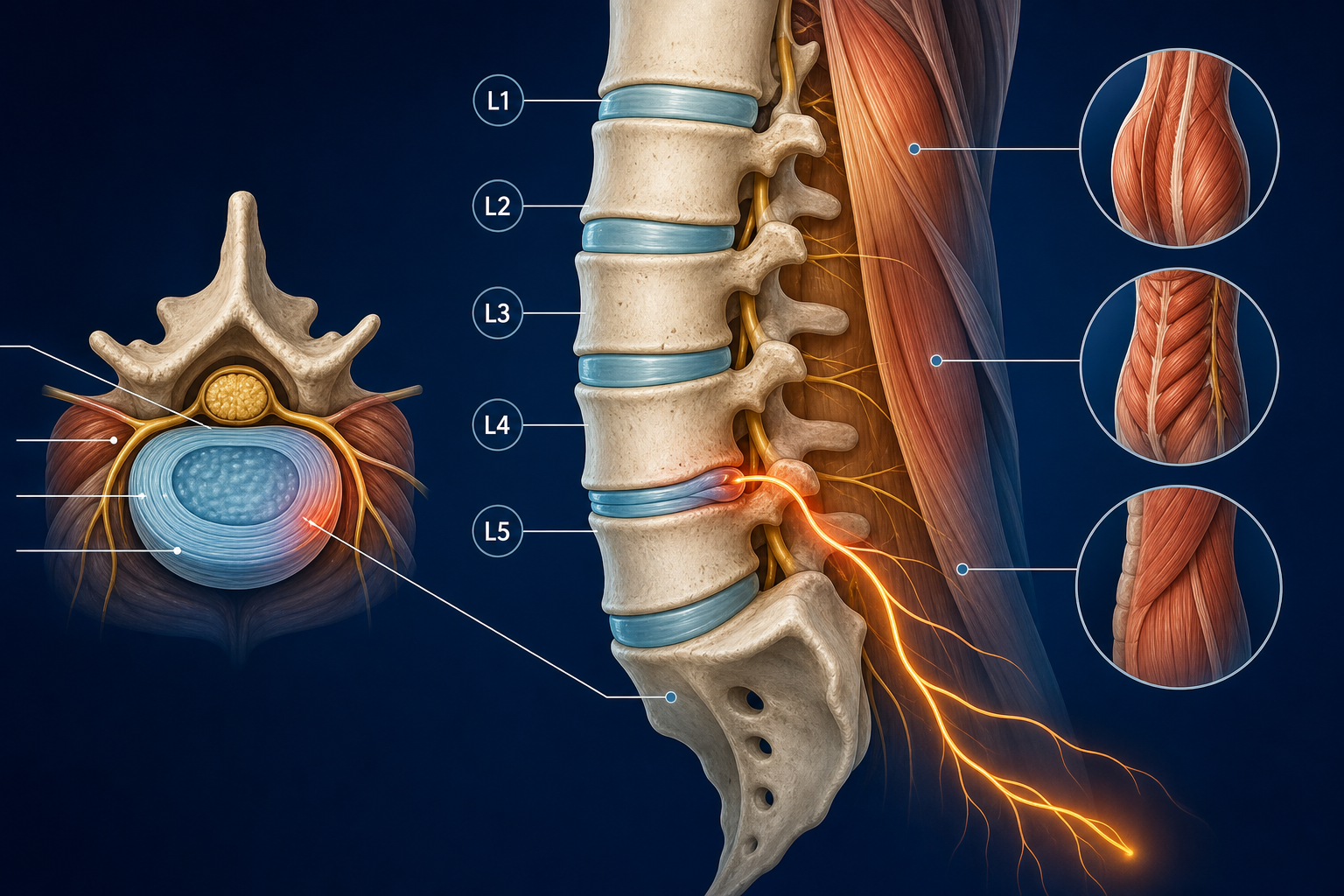
The lumbar spine — the five vertebrae in your lower back — bears a significant share of your body's load every day. Muscles, ligaments, intervertebral discs, and facet joints all work together to support movement and absorb force. When any of those structures are strained, compressed, or irritated, pain follows.
Common underlying causes include muscle or ligament strain, herniated or bulging discs, degenerative disc changes, spinal joint dysfunction, and postural imbalances that develop over time. But understanding what causes lower back pain to flare up — even after it seemed to improve — is equally important.
Common Flare-Up Triggers
- Prolonged sitting or poor workstation ergonomics — Hours at a desk compress the lumbar spine and shorten the hip flexors, which can pull the lower back out of its natural curve.
- Sudden movement or lifting — Twisting while carrying weight, or moving before muscles are warmed up, can strain supporting tissue quickly.
- Inflammation cycles — Underlying disc or joint inflammation can flare with changes in activity, sleep position, or even stress levels.
- Inactivity — Counterintuitively, too much rest weakens the stabilizing muscles that protect the spine, making re-injury more likely.
- Sleep position — Sleeping on a mattress that doesn't support spinal alignment, or in a position that torques the hips, can leave you stiff and sore by morning.
If you find yourself wondering "can't stand up straight — lower back pain causes" after getting out of bed or rising from a chair, that sensation often reflects muscle spasm or disc irritation that temporarily limits range of motion. It typically eases as you move, but persistent difficulty straightening up warrants professional evaluation.
Is It Normal to Have Lower Back Pain Every Day?
Occasional soreness after a long day or a demanding workout is common and usually resolves with rest and gentle movement. But daily lower back pain that disrupts your routine, affects your sleep, or limits what you can do is not something you need to accept as normal. Chronic low back pain — generally defined as pain lasting longer than 12 weeks — affects a meaningful portion of the adult population and, left unaddressed, can become progressively harder to manage.
Persistent daily pain is a signal worth taking seriously. The encouraging news is that conservative, non-surgical care — chiropractic, physical therapy, and targeted rehabilitation — has a strong track record for helping most patients with lower back pain reduce that pain significantly and regain function.
Lower Back Pain Treatment Without Surgery: Your Conservative Care Options
The large majority of lower back pain cases respond to lower back pain treatment without surgery. Medical guidelines from several professional bodies generally recommend exhausting conservative options before considering invasive interventions. Here is what those options look like in practice.
Chiropractic Adjustment
One of the most frequently asked questions we hear is: does chiropractic adjustment help lower back pain? Research suggests that spinal manipulation — the core technique chiropractors use — is associated with meaningful reductions in acute and chronic low back pain for many patients. A chiropractor evaluates spinal alignment, joint mobility, and soft tissue health, then applies controlled force to restricted joints to restore movement and reduce nerve irritation. Most patients report that treatment feels like a combination of pressure and a brief clicking sensation, followed by a sense of release and reduced tension.
Chiropractic care is often combined with soft tissue work, lifestyle guidance, and corrective exercises, making it a comprehensive approach rather than a single-technique fix. If you're searching for a lower back pain treatment chiropractor near you, the Medximity provider directory lets you search by location, specialty, and insurance to find a licensed chiropractor in your area.
Physical Therapy
Physical therapy addresses lower back pain by identifying the movement dysfunctions and muscle imbalances that are contributing to your symptoms, then building a structured program to correct them. Physical therapy exercises for lower back pain relief typically fall into several categories:
- Core stabilization — Exercises like dead bugs, bird-dogs, and modified planks activate the deep muscles that protect the lumbar spine under load.
- Hip and glute strengthening — Weak glutes shift load onto the lower back; exercises like bridges and clamshells address this pattern.
- Flexibility work — Stretching the hip flexors, hamstrings, and piriformis reduces the pulling forces those muscles exert on the pelvis and spine.
- Movement re-education — Learning to hinge at the hips rather than the lower back when bending or lifting reduces daily wear on spinal structures.
A licensed physical therapist will assess your specific presentation and build a plan around it — what works well for a desk worker with hip flexor tightness looks different from what helps a tradesperson recovering from a lumbar strain. Learn more about what to expect in our guide to your first physical therapy appointment.
Acupuncture vs. Chiropractic for Lower Back Pain
Both acupuncture and chiropractic care are supported by clinical evidence for low back pain, and they work through different mechanisms — which means they are often complementary rather than competing. Acupuncture involves the insertion of fine needles at specific points thought to influence pain signaling and promote circulation; some patients find it particularly effective for reducing muscle tension and improving sleep quality alongside their pain. Chiropractic adjustment targets the mechanical aspect of spinal dysfunction — joint restriction, misalignment, and nerve interference — more directly.
The right choice depends on your specific presentation, your comfort level with each approach, and what your provider recommends after evaluation. Many patients benefit from using both, especially in a multidisciplinary rehabilitation setting. You can search for providers who offer acupuncture and chiropractic services on Medximity and compare what's available in your area.
Natural Remedies for Chronic Lower Back Pain
Alongside professional care, several self-managed strategies may help reduce the burden of chronic lower back pain:
- Heat and cold therapy — Ice may help reduce acute inflammation in the first 48 hours after a flare; heat can relax muscle spasm and improve circulation in subacute and chronic phases.
- Gentle movement — Walking remains one of the most evidence-supported forms of movement for low back pain; it promotes circulation, reduces stiffness, and keeps the stabilizing muscles active without overloading the spine.
- Sleep positioning — Placing a pillow between the knees when sleeping on your side, or under the knees when sleeping on your back, can reduce lumbar strain overnight.
- Stress management — Research consistently links elevated psychological stress to worsening pain perception and slower recovery; practices like diaphragmatic breathing and mindfulness may support the overall treatment process.
- Anti-inflammatory nutrition — While no diet eliminates back pain, dietary patterns associated with lower systemic inflammation — emphasizing vegetables, lean proteins, and healthy fats — may support tissue health over time.
These strategies work best as complements to professional care, not replacements for it — especially when pain is severe, persistent, or limiting your daily function.
Best Stretches for Lower Back Pain at Work
If you sit for most of your workday, your lumbar spine pays a price. Here are stretches that can be done at a desk or in a break room without special equipment, and that many physical therapists recommend as part of a workplace pain-management routine:
Seated Figure-Four Stretch
Sit upright in your chair, cross one ankle over the opposite knee, and gently press down on the raised knee while hinging slightly forward at the hips. This stretches the piriformis and external hip rotators — muscles that often contribute to lower back and glute pain in people who sit for long periods. Hold 20–30 seconds per side.
Standing Hip Flexor Stretch
Step one foot forward into a shallow lunge position, keep your torso upright, and gently press the rear hip forward until you feel a stretch at the front of the back hip. Tight hip flexors tilt the pelvis forward and increase lumbar compression — this stretch addresses that pattern directly. Hold 20–30 seconds per side.
Lumbar Rotation
Seated upright, place both feet flat on the floor and slowly rotate your upper body to one side, using the back of the chair as light resistance. Rotate to the comfortable end range, hold briefly, and return to center. This mobilizes the thoracolumbar junction and relieves compressive stiffness. Repeat 5–8 times per side.
Aim to break from sitting every 45–60 minutes and incorporate one or two of these stretches. Our guide to workplace ergonomics and back pain has additional strategies for setting up your workstation to reduce daily strain.
How Long Does Lower Back Pain Take to Heal?
Recovery timelines vary considerably depending on what is causing the pain, how long it has been present, and how consistently treatment is pursued. As a general frame of reference:
- Acute muscle strain — Many cases improve meaningfully within 2–6 weeks with appropriate care and activity modification.
- Subacute pain (6–12 weeks) — Recovery continues but typically requires a more structured approach — consistent physical therapy or chiropractic care rather than rest alone.
- Chronic pain (12+ weeks) — Progress is real but slower, and a multimodal approach combining manual care, therapeutic exercise, and lifestyle changes tends to produce better outcomes than any single treatment.
If you are not seeing improvement after several weeks of conservative care, a provider may recommend imaging or co-management with another specialist to rule out structural issues that require additional attention.
When Should I See a Doctor for Lower Back Pain?
Many episodes of lower back pain resolve or improve significantly with rest and early conservative care. However, certain symptoms warrant prompt professional evaluation — and a few are urgent:
See a provider soon if you experience:
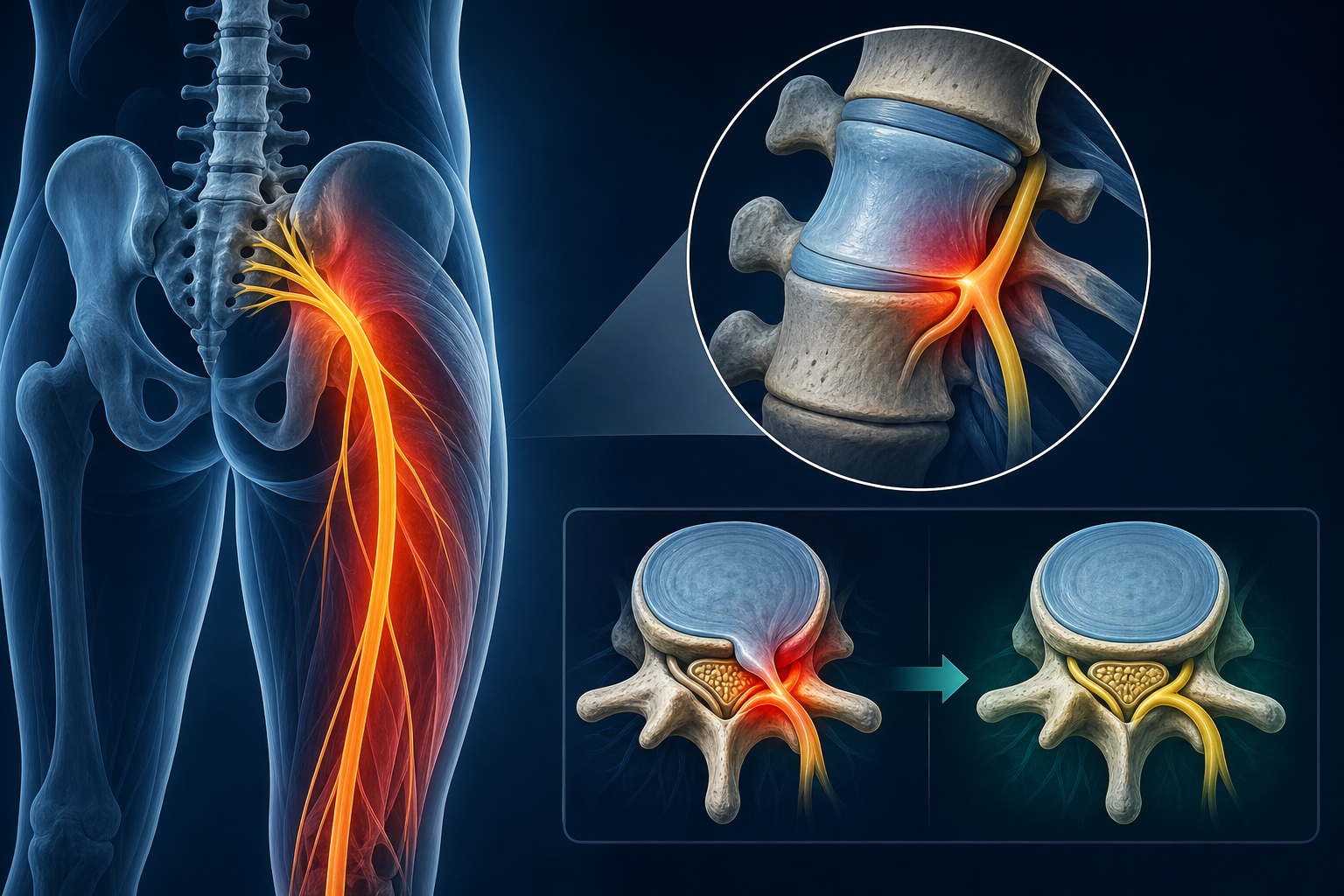
- Pain that radiates down one or both legs, especially past the knee
- Numbness, tingling, or weakness in the legs or feet
- Pain that worsens at night or consistently wakes you from sleep
- No improvement after 2–4 weeks of self-care
- Pain following a significant impact or fall
- A history of cancer, osteoporosis, or prolonged steroid use
Seek emergency care if you experience:
- Loss of bladder or bowel control
- Saddle anesthesia (numbness in the groin or inner thighs)
- Sudden, severe weakness in both legs
These are potential signs of serious spinal conditions that require immediate assessment. When in doubt, it is always appropriate to be evaluated by a licensed provider. You can find a chiropractor or physical therapist near you through the Medximity directory, or explore condition-specific resources for lower back pain on our site.
Finding the Right Lower Back Pain Provider Near You
The most effective lower back pain treatment is usually one that is tailored to your specific anatomy, history, and goals — and delivered by a provider who takes the time to understand all three. Chiropractors, physical therapists, and rehabilitation specialists each bring distinct strengths to the management of low back pain, and many patients do best with a coordinated approach.
Medximity makes it straightforward to find licensed, credentialed providers in your area. Use our provider search to filter by specialty, location, and insurance, read verified profiles, and connect with a practice that fits your needs. You can also explore how chiropractic care approaches back pain or what physical therapy for lower back pain typically involves before booking your first appointment.
You do not have to manage lower back pain alone, and you do not have to accept daily pain as the baseline. Conservative care options are accessible, effective for most patients, and available in communities across the country.
Frequently Asked Questions About Lower Back Pain Treatment
Is it normal to have lower back pain every day?
Daily lower back pain is common, but it is not something you should have to accept as inevitable. Persistent pain that interferes with your sleep, work, or daily activities is a signal that something in the spine or supporting soft tissue needs attention. Most patients who pursue consistent conservative care — chiropractic, physical therapy, or a combination — experience meaningful improvement.
What causes lower back pain to flare up after it seemed better?
Flare-ups often stem from re-aggravating the underlying cause — a period of prolonged sitting, a sudden awkward movement, disrupted sleep, or increased stress. Incomplete resolution of the original injury is also a factor; pain can ease before the tissue has fully healed, leading to re-injury under normal activity. A structured rehabilitation program helps address the root mechanical issues rather than just the symptoms.
Does chiropractic adjustment help lower back pain?
For many patients, yes. Research suggests that spinal manipulation is associated with significant reductions in low back pain intensity and improved function, particularly for acute and subacute presentations. Results vary by individual, and your chiropractor will assess whether spinal manipulation is appropriate for your specific situation before beginning care.
How long does lower back pain take to heal?
Acute muscle strain often improves within 2–6 weeks with appropriate care. Subacute and chronic pain typically requires longer, more structured treatment — anywhere from several weeks to several months. Consistent adherence to your provider's care plan, including any home exercises, significantly influences how quickly recovery progresses.
What is the difference between acupuncture and chiropractic for lower back pain?
Chiropractic care focuses primarily on the mechanical function of the spine — correcting joint restriction, reducing nerve irritation, and restoring movement. Acupuncture targets pain signaling and muscular tension through the insertion of fine needles at specific points. Both approaches have clinical support for low back pain; many patients find that they work well together rather than as either/or options.
Can I treat lower back pain without surgery?
The large majority of lower back pain cases respond well to conservative, non-surgical care. Medical guidelines generally recommend exploring chiropractic adjustment, physical therapy, exercise, and other conservative approaches before considering surgical options. Surgery is typically reserved for cases with specific structural findings — such as significant nerve compression — that have not responded to thorough conservative treatment.
When should I see a doctor for lower back pain?
You should see a provider if your pain radiates down your leg, is accompanied by numbness or weakness, wakes you from sleep, follows a significant injury, or has not improved after 2–4 weeks of self-care. Seek emergency care immediately if you experience loss of bladder or bowel control, or sudden weakness in both legs — these may indicate a serious spinal emergency.