Neck pain is a common complaint that can originate from various sources. It can range from mild discomfort to debilitating pain that affects daily life. Understanding the cause of your neck pain is the first step towards effective treatment. In this article, we’ll explore common causes of neck pain, its symptoms, and various ways to manage it. Let's begin by examining whether your neck might be the source of your discomfort.
The Anatomy of the Neck: A Complex Structure
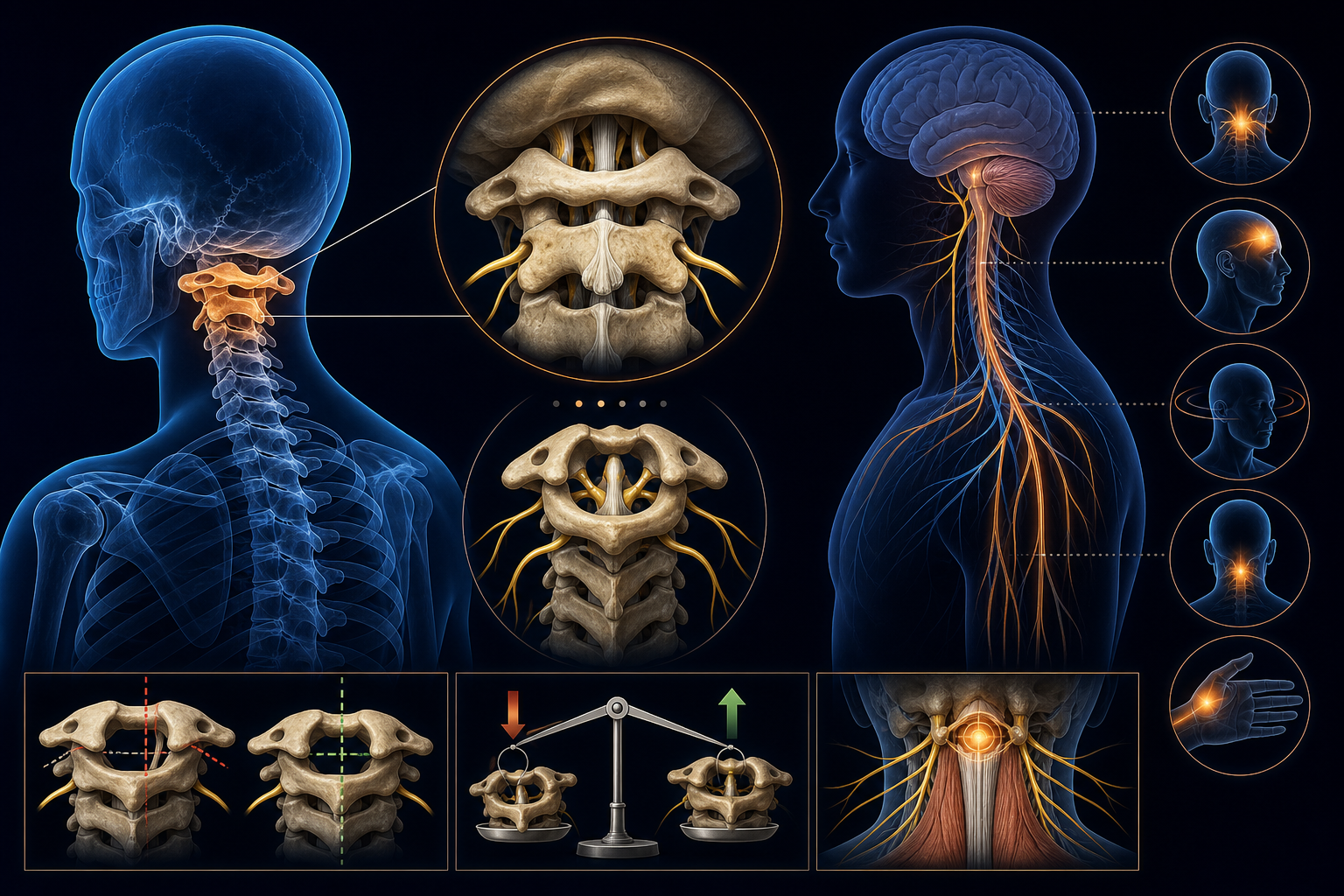
The neck, also known as the cervical region, is composed of several vital structures, including muscles, bones, nerves, and blood vessels. The cervical spine consists of seven vertebrae (C1 to C7) that support the skull, protect the spinal cord, and allow a wide range of motion. These vertebrae are cushioned by intervertebral discs, which help absorb shock. Understanding the anatomy of the neck can provide insight into where your pain might be originating.
- Cervical Vertebrae: These bones protect the spinal cord and provide flexibility and stability to the neck.
- Intervertebral Discs: The discs act as shock absorbers between the vertebrae.
- Muscles and Ligaments: These provide support and allow movement.
- Nerves: The cervical nerves send signals between the brain and other parts of the body.
When one or more of these components becomes irritated or injured, neck pain can occur.
Common Causes of Neck Pain
Several factors can contribute to neck pain, and identifying the cause can help guide treatment. Here are some common culprits:
1. Muscle Strain
Muscle strain is one of the most frequent causes of neck pain. It often occurs due to poor posture, such as slouching while working at a computer or holding your neck in an awkward position during sleep.
Symptoms:
- Stiffness
- Aching or soreness
- Limited range of motion
Prevention and Treatment:
- Maintain proper posture while sitting or standing.
- Stretch regularly, especially if your work involves sitting for long periods.
- Use ergonomic equipment to reduce strain on the neck
2. Cervical Disc Herniation
The intervertebral discs in the cervical spine can sometimes herniate or bulge, pressing on the nerves in the neck. This can cause significant pain, particularly if the herniated disc compresses the spinal cord.
Symptoms:
- Sharp, burning pain in the neck, shoulder, or arm
- Numbness or tingling in the arms or hands
- Muscle weakness
3. Degenerative Disc Disease
Over time, the discs between the vertebrae can degenerate due to wear and tear, leading to pain and reduced mobility. Degenerative disc disease is a natural part of aging but can cause discomfort in some individuals.
Symptoms:
Chronic neck pain that worsens with activity
Stiffness in the neck
Pain that radiates to the arms
4. Cervical Spondylosis
Cervical spondylosis, also known as neck arthritis, refers to the age-related wear and tear affecting the spinal discs. As the discs dehydrate and shrink, bone spurs may form, leading to pain and reduced motion.
Symptoms:
Persistent neck pain
Muscle weakness or numbness in the arms
Headaches
5. Whiplash Injury
Whiplash occurs when the neck is suddenly jerked backward and then forward, often due to a car accident or a sports injury. This motion can strain the muscles and ligaments in the neck, leading to pain and stiffness.
Symptoms:
- Pain and stiffness in the neck
- Dizziness or blurred vision
- Difficulty concentrating
Preventing Neck Pain
Preventing neck pain often involves lifestyle changes and being mindful of your posture and daily activities. Here are some tips:
- Maintain proper posture: Keep your head aligned with your spine, and avoid slouching.
- Take breaks: If you sit at a desk all day, take regular breaks to stretch and move around.
- Use supportive pillows: A good pillow can help keep your neck in a neutral position while sleeping.
- Strengthen neck muscles: Incorporate exercises that target the muscles supporting your neck.
- Be mindful of lifting: When lifting heavy objects, use your legs, not your back or neck.
When to See a Chiropractor
If you're dealing with ongoing neck pain that doesn't seem to improve with rest or home remedies, it might be time to consult a chiropractor. They can assess whether your neck pain is caused by misalignment, tension, or another issue and offer treatment to help alleviate your discomfort.
Final Thoughts
Neck pain is more than just an inconvenience—it can impact your quality of life. Chiropractic care provides a holistic approach to treating neck pain, addressing not just the symptoms but also the underlying causes. If your neck is the source of your pain, a chiropractor may be able to help you find relief and get back to your daily activities.
If you're experiencing neck pain, consider visiting a chiropractor to explore your options for a natural and effective treatment plan!