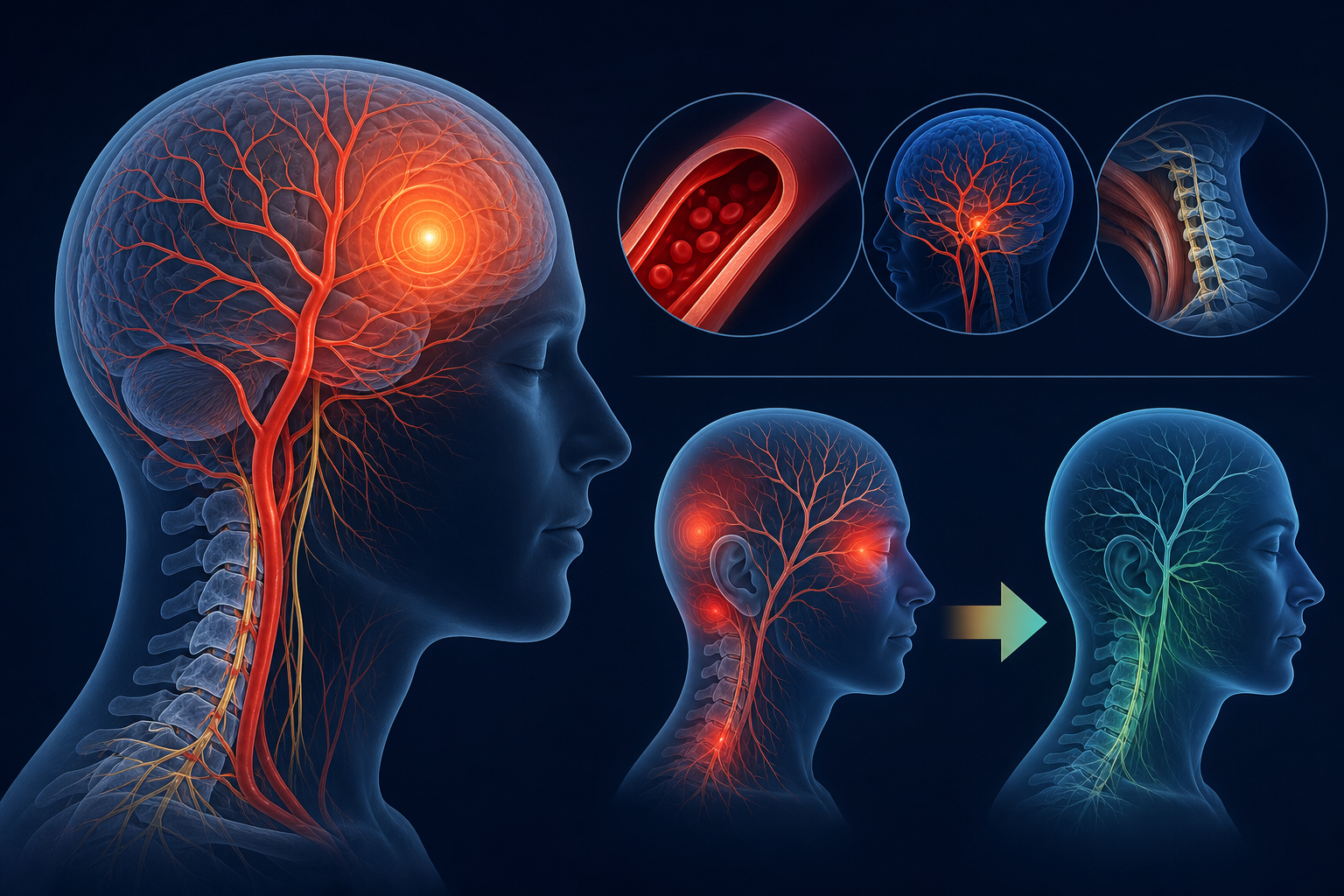
Cervicogenic headaches originate from issues in the cervical spine (neck). Unlike migraines or tension headaches, cervicogenic headaches are often caused by neck problems with the vertebrae, muscles, or nerves. These headaches can be persistent and debilitating, affecting your daily life. In this blog, we'll explore the causes, symptoms, chiropractic treatment options, and helpful advice for managing cervicogenic headaches.
What are Cervicogenic Headaches?
Cervicogenic headaches are secondary headaches, meaning they are caused by an underlying issue in the neck rather than being a primary condition. The pain typically starts in the neck and radiates to the head, often affecting one side of the head.
Causes of Cervicogenic Headaches
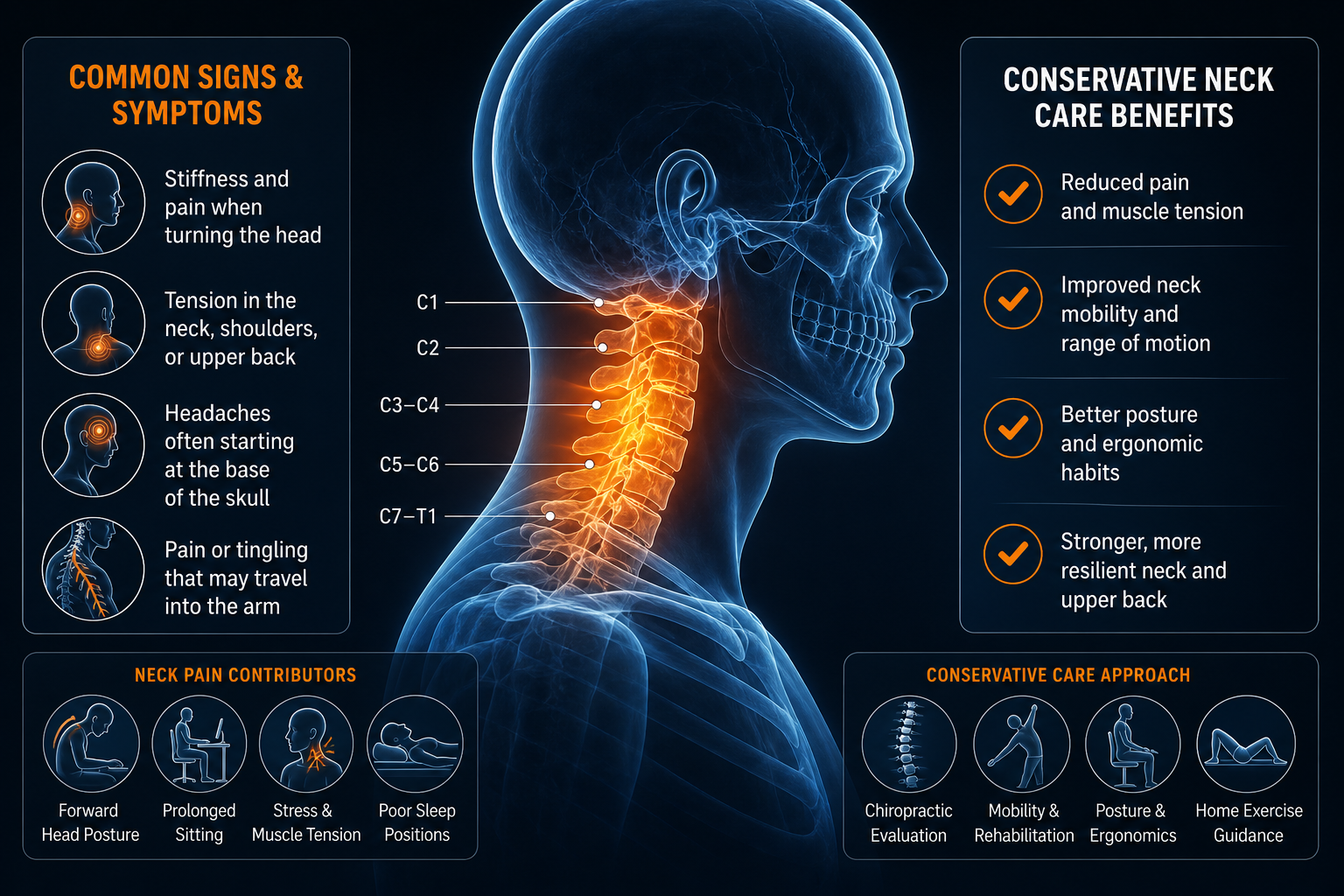
Several factors can contribute to cervicogenic headaches, including:
Poor Posture: Chronic poor posture can strain the muscles and joints in the neck, leading to headaches.
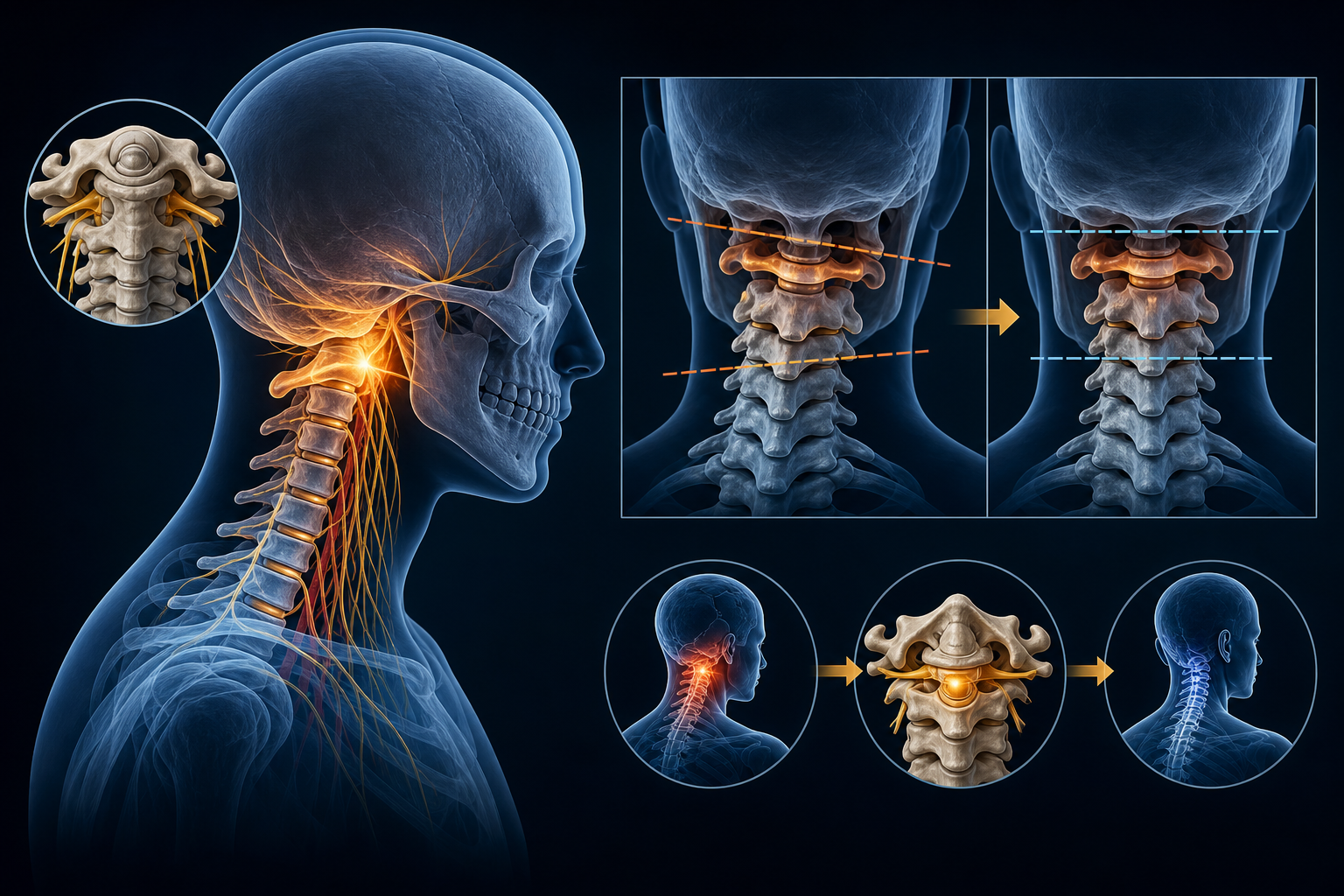
Neck Injuries: Whiplash or other neck injuries can cause misalignment of the cervical spine, leading to cervicogenic headaches.
Arthritis: Degenerative changes in the cervical spine due to arthritis can irritate nerves and cause headaches.
Muscle Tension: Tightness and tension in the neck muscles can trigger cervicogenic headaches.
Nerve Compression: Compression of nerves in the cervical spine can lead to referred pain in the head.
Symptoms of Cervicogenic Headaches
Cervicogenic headaches can present with various symptoms, including:
Unilateral Head Pain: Pain typically occurs on one side of the head, starting in the neck and radiating to the forehead, temples, or eyes.
Neck Stiffness: Stiffness and limited range of motion in the neck are common.
Shoulder and Arm Pain: Pain may radiate from the neck to the shoulders and arms.
Worsening Pain with Neck Movement: Pain often intensifies with certain neck movements or positions.
Chiropractic Care for Cervicogenic Headaches
Chiropractic care is an effective, non-invasive treatment option for cervicogenic headaches. Chiropractors focus on correcting the underlying issues in the cervical spine to relieve pain and prevent recurrence.
Spinal Adjustments: Chiropractors use gentle adjustments to realign the cervical vertebrae, reducing nerve irritation and improving function.
Soft Tissue Therapy: Techniques such as massage or trigger point therapy can help relax tight muscles and alleviate tension in the neck.
Posture Correction: Chiropractors may guide on improving posture to reduce strain on the neck and prevent headaches.
Stretching and Strengthening Exercises: Specific exercises can help strengthen the neck muscles and improve flexibility, reducing the risk of future headaches.
Helpful Advice for Managing Cervicogenic Headaches
Practice Good Posture: Maintain proper posture, especially when sitting or using electronic devices. Keep your head aligned with your spine and avoid slouching.
Stay Hydrated: Dehydration can exacerbate headaches, so drink plenty of water throughout the day.
Use a Supportive Pillow: Choose a pillow that supports the natural curve