Find a Provider Community Forum
For Providers For Attorneys
Sign In

Fibromyalgia treated with Upper Cervical Care help

Fibromyalgia treated with Upper Cervical Care help

Key Takeaways

  • Fibromyalgia causes widespread pain, persistent fatigue, and cognitive difficulties known as fibro fog
  • Genetic factors and past infections may contribute to symptom onset and nervous system sensitivity
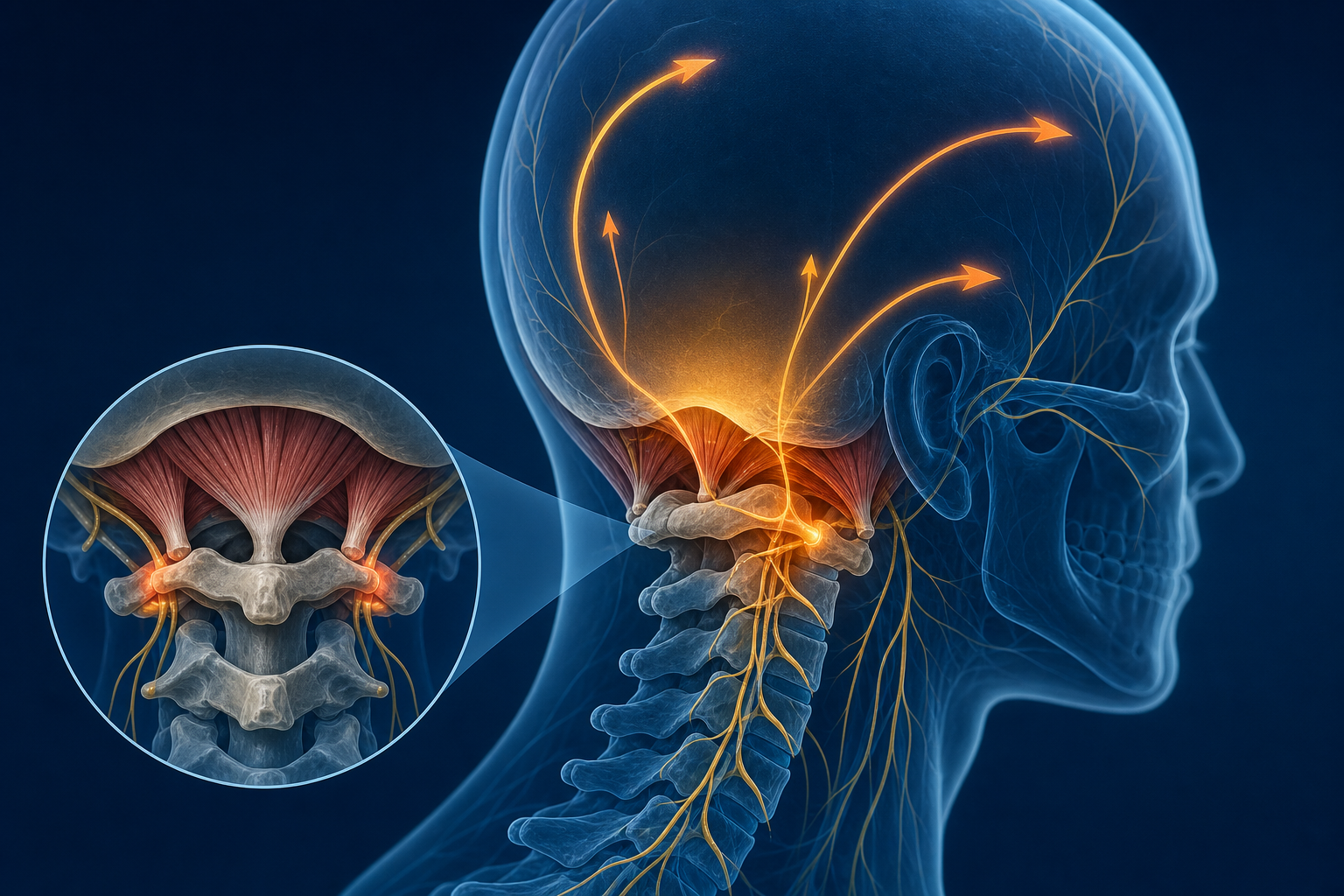
  • Upper cervical chiropractic care targets the top two neck vertebrae to support nervous system function
  • Conservative management combines professional care with gentle movement and consistent sleep routines
  • Symptom tracking and pacing activities help patients identify triggers and reduce daily discomfort

Fibromyalgia Doctor

This particular condition primarily presents with pain all over the body, periods of fatigue (even if the patient gets enough rest), fibro fog (cognitive problems like focus and memory), headaches, depression, and other less common symptoms.  There are many different ideas on the cause of fibromyalgia. Some researchers believe that genetics play a role in whether or not someone develops this condition. Others blame the problem on infections and other types of illness or on trauma (whether physical or mental).
Fox News recently reported on a woman who began to experience fibromyalgia after being in a series of unfortunate car accidents. While she was not at fault in any of the accidents, she suffered for nearly three decades as a result. Finally, she found a way to get some relief. She saw an upper cervical chiropractor. After just her first adjustment, her husband found her crying, not because she was in pain, but because it was the first time in years that she could take a shower and wash her hair without pain. After one year of treatment, she can lift her arm fully, sleep up to 4-6 hours straight each night, and has gotten back to reading books—all things that pain had kept her from doing previously.

How Upper Cervical Chiropractic Helps Fibromyalgia Pain

Upper cervical chiropractic is very different from general chiropractic which involves popping and twisting the bones and body in various ways. This is a very gentle approach that affects a very specific part of the spine—the C1 and C2 vertebrae that are found right at the base of the skull.  These vertebrae protect the brainstem which is responsible for communication between the brain and the rest of the body. When these bones are misaligned, it can place pressure on the brainstem and disrupt that communication.  The resulting symptoms can be those found in fibromyalgia, chronic fatigue syndrome, and many other chronic health conditions. In turn, when the misalignments are corrected, the body can communicate properly again. As a result, many patients see significant results after just one adjustment as was noted in the experience above.  

Medical Disclaimer: This article is for informational purposes only and does not constitute medical advice, diagnosis, or treatment. Always consult a qualified healthcare provider for personalized medical guidance. If you are experiencing a medical emergency, call 911 or your local emergency number immediately.

Frequently Asked Questions

What is fibromyalgia and how does it affect the body?
Fibromyalgia is a chronic condition characterized by widespread musculoskeletal pain, persistent fatigue, and cognitive difficulties often called fibro fog. Many patients also experience headaches, sleep disturbances, and mood changes. The exact cause remains unclear, but researchers believe it involves how the brain processes pain signals. Conservative management focuses on symptom relief and improving daily function through non-invasive approaches.
Can upper cervical chiropractic care help manage fibromyalgia symptoms?
Upper cervical chiropractic care targets the top two vertebrae in the neck to support proper nervous system communication. Some patients report reduced pain levels and improved sleep after receiving targeted adjustments. While it does not cure the condition, many find it helpful as part of a broader conservative care plan. Working with a qualified provider can help you explore whether this approach aligns with your symptom management goals.
What are the most common triggers for fibromyalgia flare-ups?
Flare-ups often stem from physical stress, emotional strain, poor sleep, or changes in weather. Past infections and genetic predisposition may also play a role in symptom onset. Keeping a symptom journal can help you identify personal triggers. Many patients find that consistent rest, gentle movement, and stress reduction techniques help keep daily discomfort at a manageable level.
How does upper cervical care differ from traditional chiropractic adjustments?
Traditional chiropractic care often addresses multiple spinal regions, while upper cervical care focuses exclusively on the atlas and axis vertebrae at the top of the neck. Providers use precise, low-force techniques to correct misalignments without twisting or cracking. This targeted approach aims to support nervous system function, which some patients find helpful for managing widespread discomfort and fatigue associated with chronic conditions.
What lifestyle changes support conservative fibromyalgia management?
Gentle movement like walking or swimming, consistent sleep routines, and stress management techniques often provide meaningful relief. Many patients benefit from pacing activities to avoid overexertion, staying hydrated, and eating balanced meals. Combining these daily habits with professional conservative care creates a sustainable foundation for managing symptoms and maintaining overall wellness over time.

We use first-party cookies to run this site and understand how patients find us. Privacy