What is Fibromyalgia?
Fibromyalgia is a chronic condition characterized by widespread pain in the muscles and soft tissues due to abnormal pain processing in the brain. This condition causes tenderness throughout the body, disrupted sleep patterns, and cognitive issues such as memory problems and difficulty concentrating. Although fibromyalgia is a prevalent neurologic disorder, it often confuses healthcare providers during diagnosis. It is frequently misidentified as arthritis, autoimmune diseases, or other musculoskeletal conditions. Women are disproportionately affected, with 80 to 90 percent of cases occurring in females. According to the National Institute of Arthritis and Musculoskeletal and Skin Diseases (NIAMS), approximately 5 million adults in the United States suffer from fibromyalgia.
---
What Causes Fibromyalgia?
The exact cause of fibromyalgia remains unknown, but ongoing research continues to uncover potential contributing factors. Experts agree that fibromyalgia is not a form of arthritis, inflammatory disease, or autoimmune condition. The following factors are believed to play significant roles:
- Genetics: Fibromyalgia often runs in families, suggesting a genetic predisposition. Individuals with a family history of the condition are at greater risk.
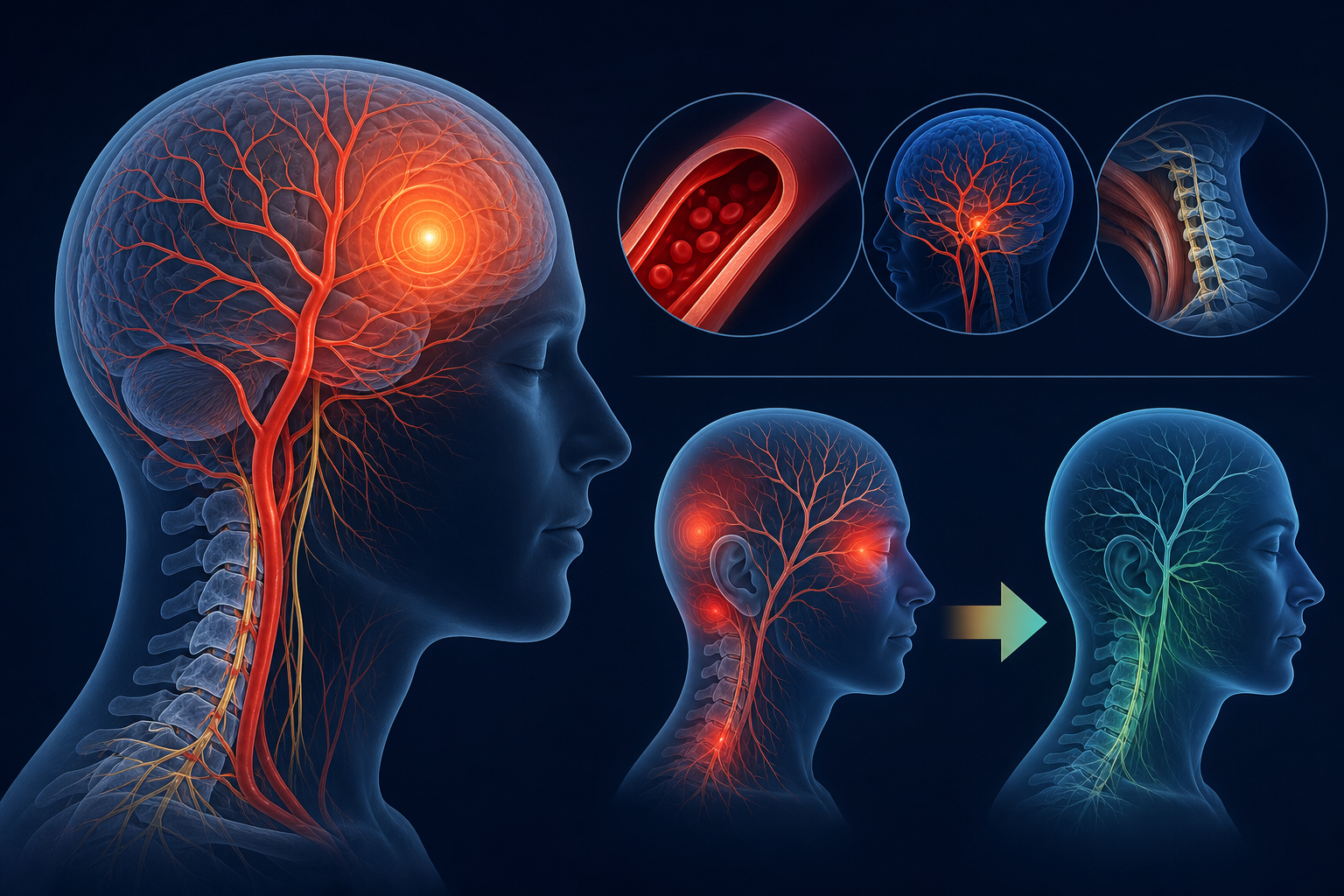
- Physical or Psychological Trauma: Injuries or psychological stress can damage the brain's pain-processing centers. Accidents, head injuries, or trauma to the cervical vertebrae may disrupt normal pain signal communication and blood flow to the brain. This disruption can lead to chronic pain sensitivity.
- Stress and Emotional Factors: High stress levels, including those associated with PTSD, anxiety, depression, or abuse, are common precursors to fibromyalgia.
- Impaired Cerebrospinal Fluid (CSF) Flow: Trauma to the cervical vertebrae can impair CSF drainage, increasing intracranial pressure and affecting the body’s overall function.
---
Who Is at Risk?
Although fibromyalgia affects both men and women, women are more commonly diagnosed. Key risk factors include:
- Genetic Predisposition: A family history of fibromyalgia increases susceptibility.
- Existing Musculoskeletal Disorders: Conditions such as osteoarthritis, rheumatoid arthritis, or lupus elevate the likelihood of developing fibromyalgia.
- Age: While fibromyalgia can develop in individuals of any age, middle-aged and older adults are at a higher risk.
- Trauma and Injuries: Physical trauma, such as from car accidents or falls, significantly increases the risk.
- Stress and Infections: Chronic stress and infections can also contribute to the onset of fibromyalgia.
---
What Are the Symptoms of Fibromyalgia?
Fibromyalgia symptoms can be challenging to recognize immediately. A thorough observation of conditions over time is often necessary for accurate diagnosis. Common symptoms include:
- Widespread Pain: Persistent, dull aching pain affecting both sides of the body and areas above and below the waist for at least three months.
- Fatigue: Severe exhaustion that persists despite adequate sleep. Patients often experience an unrelenting desire to rest.
- Sleep Disorders: Conditions such as sleep apnea and Restless Legs Syndrome (RLS) are frequently reported.
- Cognitive Issues: Commonly referred to as "fibro fog" or "brain fog," this symptom involves memory lapses, difficulty concentrating, and diminished problem-solving abilities.
- Exacerbated Symptoms in Women: Women often experience more severe symptoms, including heightened pain, morning fatigue, and worsened menstrual pain.
---
Pain as a Hallmark of Fibromyalgia
Pain associated with fibromyalgia can manifest in various parts of the body, each with unique characteristics:
- Chest Pain: Sharp, stabbing, or burning sensations in the chest, often mistaken for a heart attack. The pain may radiate to the shoulders and arms.
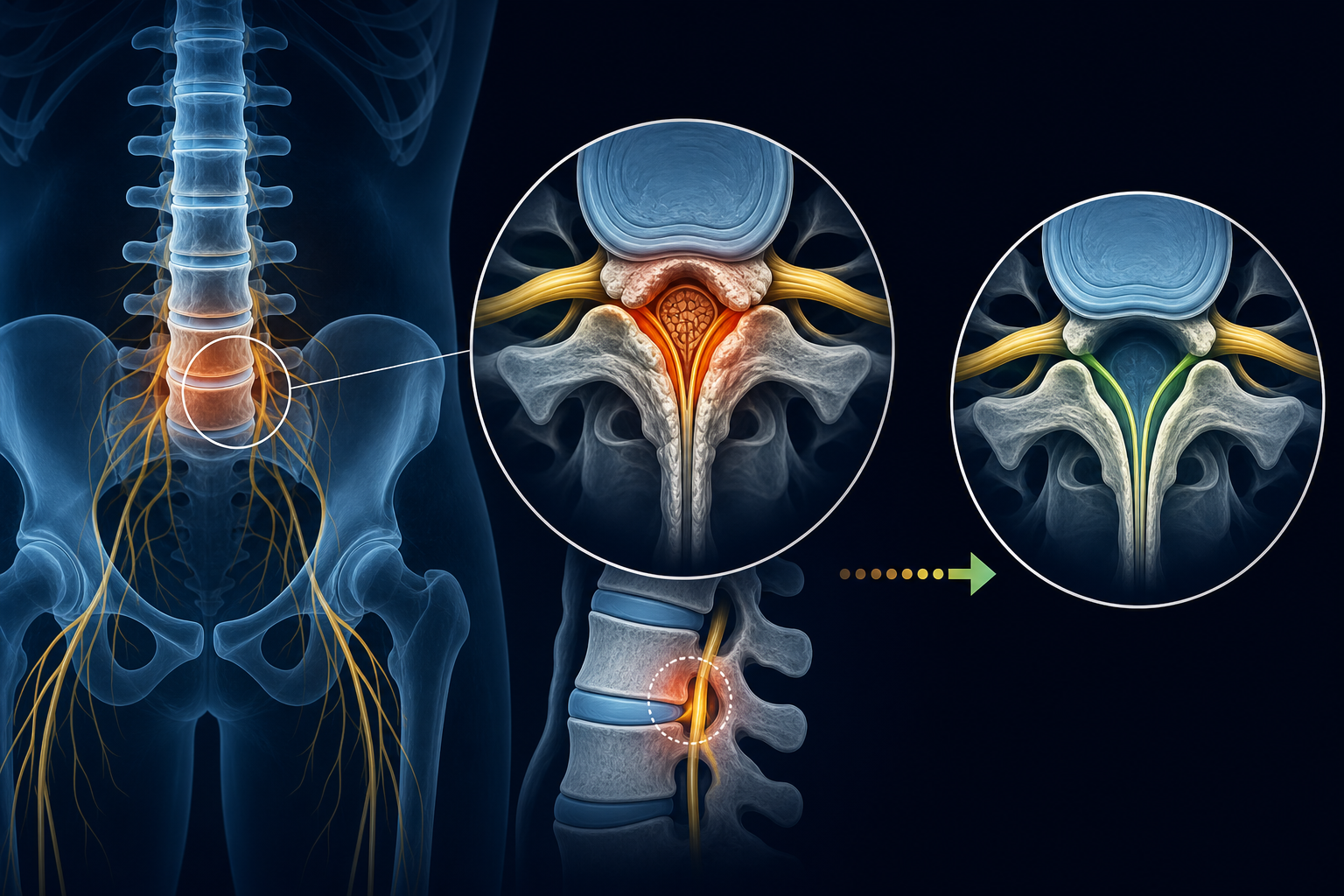
- Back Pain: Dull aching in the lower back, one of the most common complaints among fibromyalgia patients.
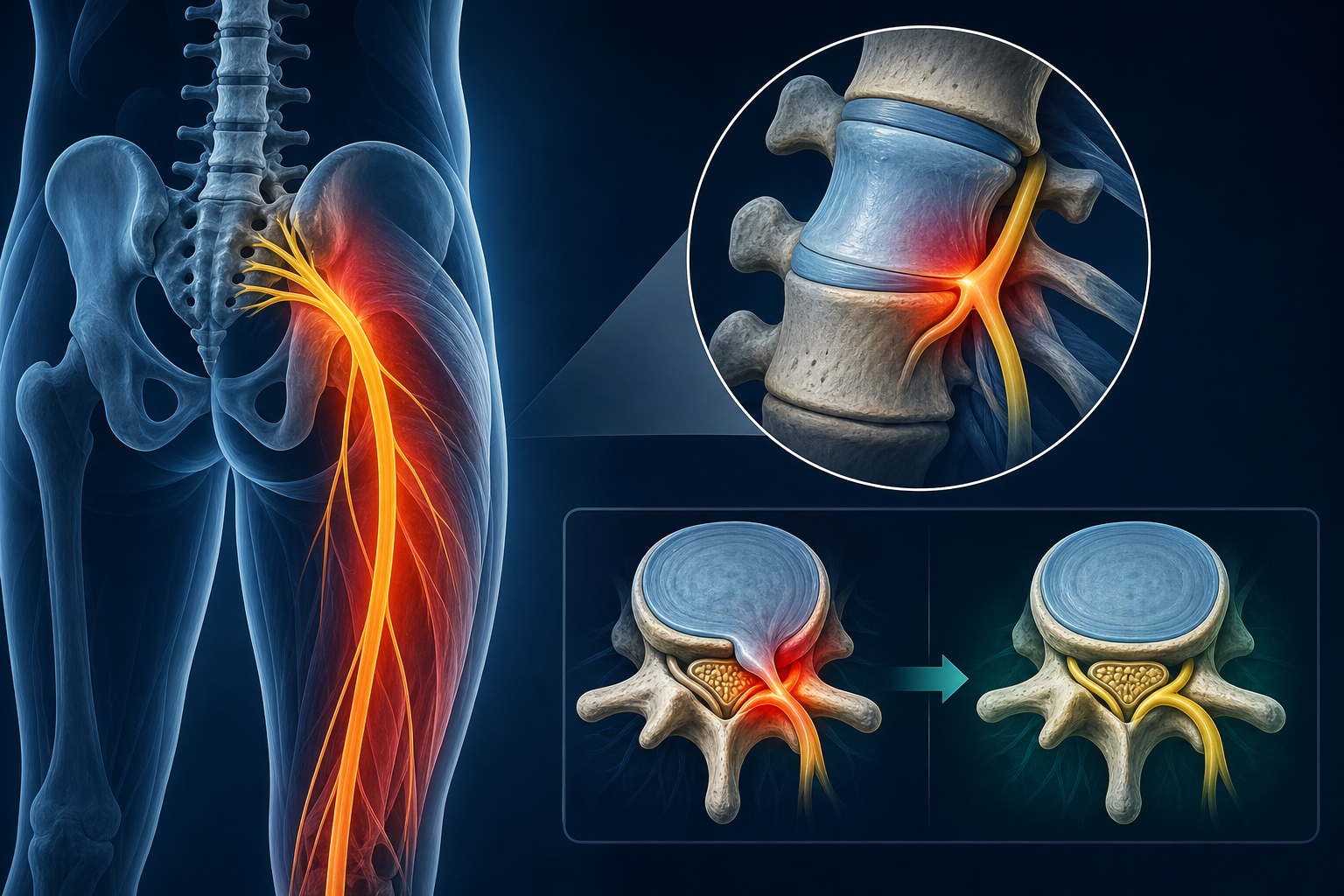
- Leg Pain: A deep burning or throbbing sensation in the legs, sometimes accompanied by tingling or numbness. Restless Legs Syndrome (RLS) may also occur, characterized by an uncontrollable urge to move the legs.
---
How Is Fibromyalgia Treated?
While there is no cure for fibromyalgia, several treatment approaches can help manage symptoms. These include:
- Medications: Prescription drugs such as pain relievers, antidepressants, and anticonvulsants are commonly used to alleviate symptoms.
- Therapies: Physical therapy, cognitive behavioral therapy (CBT), and stress management programs can be effective in improving quality of life.
- Lifestyle Adjustments: Regular exercise, proper sleep hygiene, and a balanced diet play crucial roles in symptom management.
- Complementary Therapies: Techniques such as acupuncture, massage, and mindfulness meditation can provide additional relief.
---
The Role of Upper Cervical Chiropractic Care
Upper cervical chiropractic care offers a promising treatment option for fibromyalgia. Chiropractors focus on realigning the C1 and C2 vertebrae in the cervical spine, which can:
- Improve communication between the brain and the body.
- Alleviate pain by reducing pressure on the brainstem.
- Restore normal cerebrospinal fluid flow.
Research suggests that even minor misalignments in the cervical vertebrae can contribute to fibromyalgia symptoms. Correcting these misalignments has shown to significantly reduce symptoms in many patients, often within a few sessions.
---
Fibromyalgia is a complex condition that demands a multifaceted approach to diagnosis and management. By addressing underlying factors and tailoring treatments to individual needs, patients can achieve meaningful improvements in their quality of life.