Dissecting the Diagnosis
Navigating the world of health can sometimes feel like traversing a maze. However, understanding each term can shed light on the overall picture:
- Migraine with Aura: Unlike its counterpart without aura, this diagnosis signifies that a person experiences warning signs prior to the onset of the migraine. These warning signs, known as auras, might be visual, sensory, or even verbal in nature.
- Not Intractable: An optimistic aspect of this diagnosis, this term means the migraine isn't resistant to treatment or interventions.
- With Status Migrainosus: This denotes a severe form of migraine that persists for over 72 hours, despite attempts at relief.
Impact on Patient's Health
Beyond the recurring pain, such a diagnosis has layered health implications:
- Physical Disruptions: Extended headaches can be debilitating, restricting day-to-day activities, disrupting sleep patterns, and potentially leading to muscle tension and fatigue.
- Mental Health Strains: The unpredictability of aura occurrences can induce anxiety, while chronic pain may lead to depressive episodes.
- Social Impediments: Sustained migraines might mean missed social engagements, potential career disruptions, and an overall impact on interpersonal dynamics.
Symptomatic Manifestations
Understanding the myriad symptoms can be instrumental in management:
- Forewarning auras, which may include visual disturbances (like zigzag patterns or blind spots), tingling sensations, or speech challenges.
- A pulsating headache, often one-sided.
- Sensitivity to sensory stimuli – be it light, sound, or scent.
- Nausea, occasionally escalating to vomiting.
- A preference for dim, silent spaces during attacks.
The Upper Cervical Approach
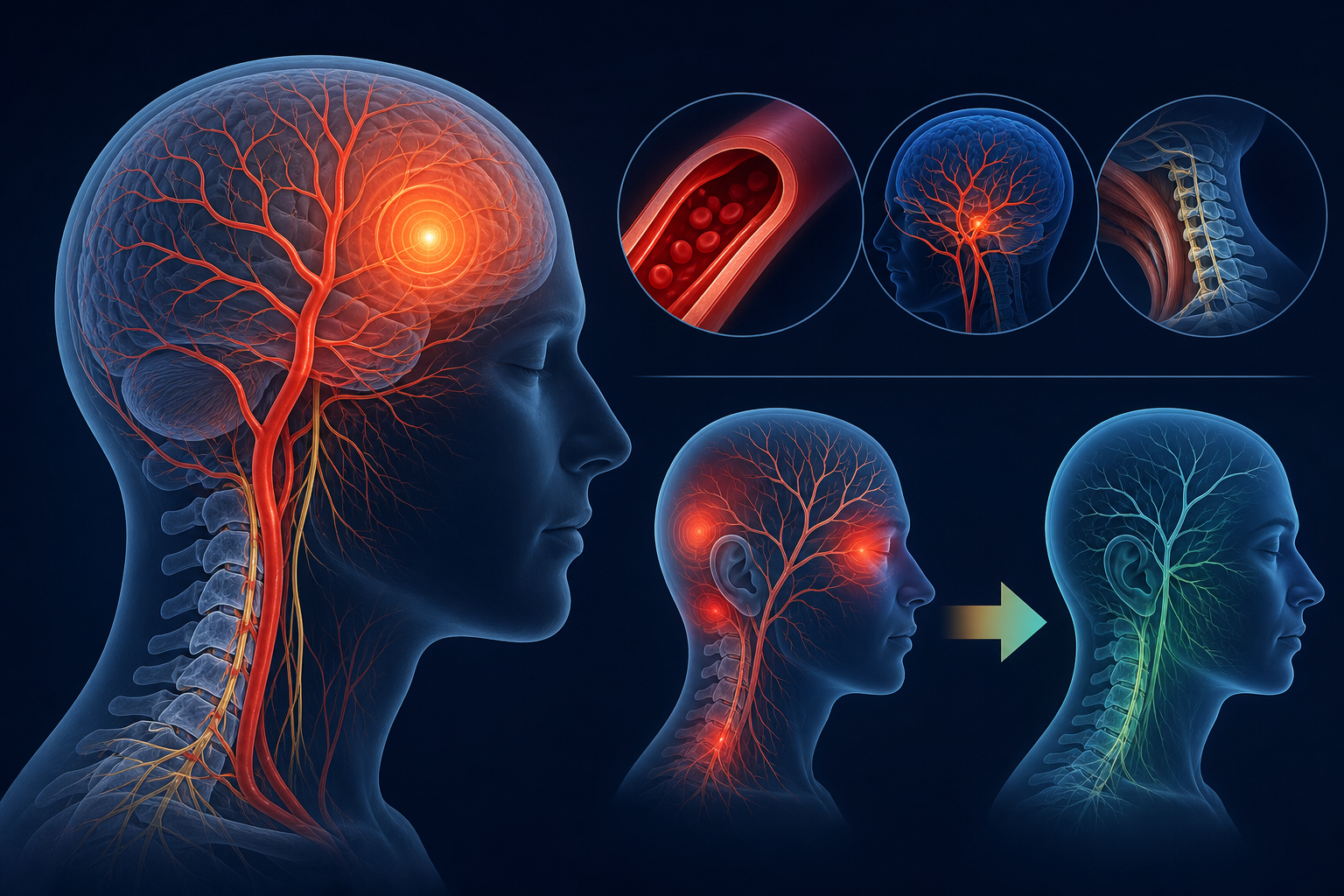
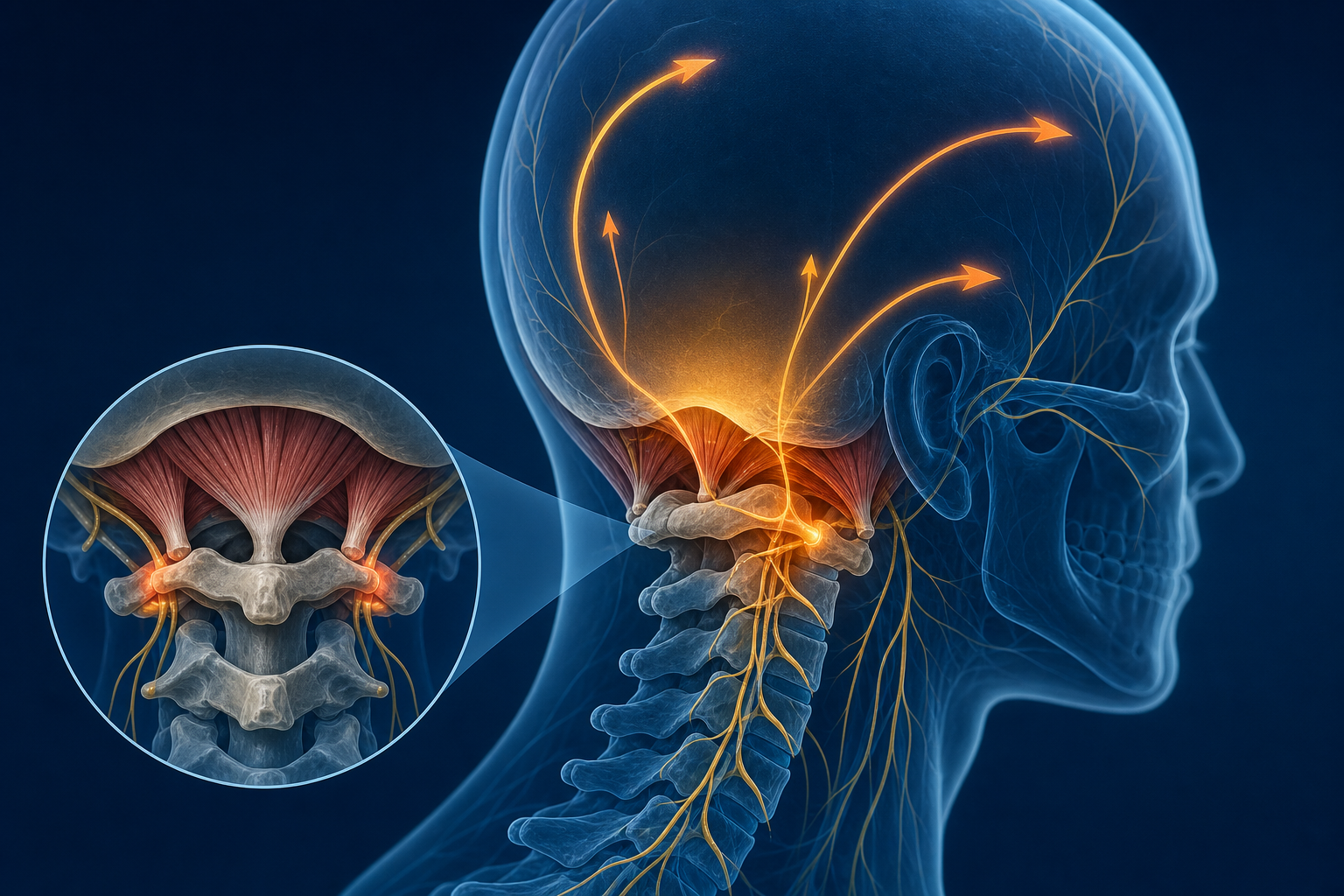
The spine, particularly its upper cervical region, is a neural nexus. Misalignments here can reverberate across health spectrums, potentially exacerbating migraines.
1. Personalized Diagnostic Assessment: A detailed analysis of medical history is augmented by physical examinations and, when deemed necessary, imaging studies. The endeavor is to pinpoint any irregularities or misalignments in the upper cervical area.
2. Tailored Therapeutic Interventions: Based on the diagnostic findings, a unique care protocol is crafted. This typically involves gentle, precise adjustments in the upper cervical region.
3. Habitual and Lifestyle Guidance: Beyond direct interventions, patients benefit from holistic guidance – be it optimizing posture, dietary alterations, or stress management techniques.
Post-Care Projections
Every patient's journey is unique, shaped by individual histories and bodies:
- While some bask in instantaneous relief, others embark on a more gradual path to alleviation.
- Minor symptom oscillations post-adjustment are possible but are typically transient.
To optimize therapeutic outcomes:
- Foster transparent communication with the upper cervical professional, aiding in the refinement of care strategies.
- Implement and embrace the advised lifestyle modifications.
Determinants of Health Outcomes
Several factors steer the trajectory of recovery and influence therapeutic outcomes:
- General Health Metrics: A robust lifestyle, characterized by balanced diets, regular exercise, and effective stress management, can modulate migraine triggers and intensities.
- Age Considerations: While migraines are age-neutral, the body's response to therapeutic interventions may vary across age brackets.
- Gender Dynamics: Hormonal fluctuations, more predominant in women, can influence migraine patterns. Navigating these hormonal nuances becomes essential.
- Historical Context: The longevity of the migraine condition might intricately impact its management.
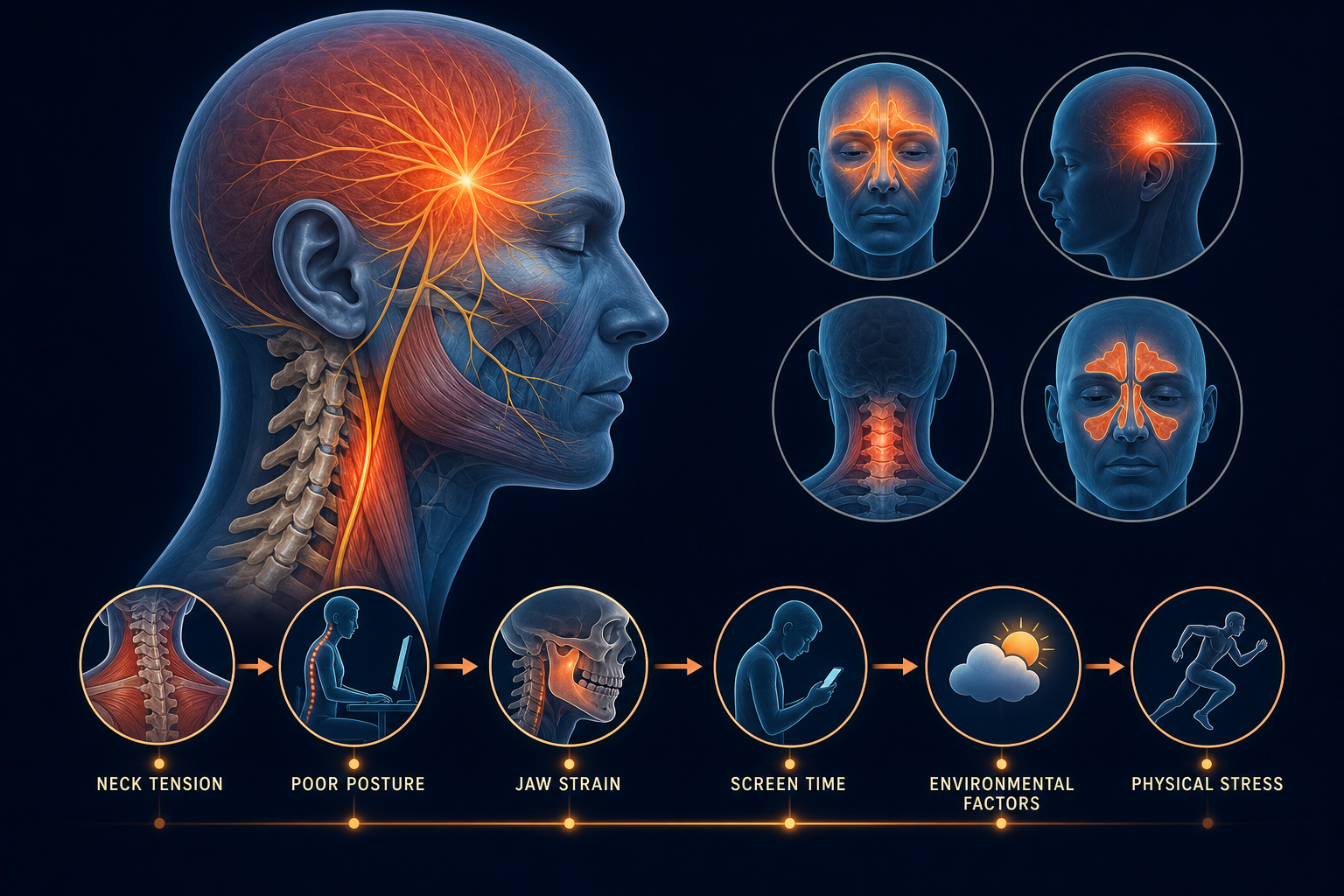
- Trigger Recognition: Identifying and understanding individual migraine triggers – be they dietary, emotional, or environmental – equips patients with preventive strategies.
The Path Forward
Migraine with aura, not intractable, with status migrainosus, can be an intricate health puzzle. But with informed approaches, rooted in the upper cervical care philosophy, alleviation isn't just possible; it's probable. Being proactive, partnering with healthcare professionals, and staying informed can transform this health journey from overwhelming to empowering. As with all health challenges, the patient's engagement and commitment remain integral to the journey ahead.