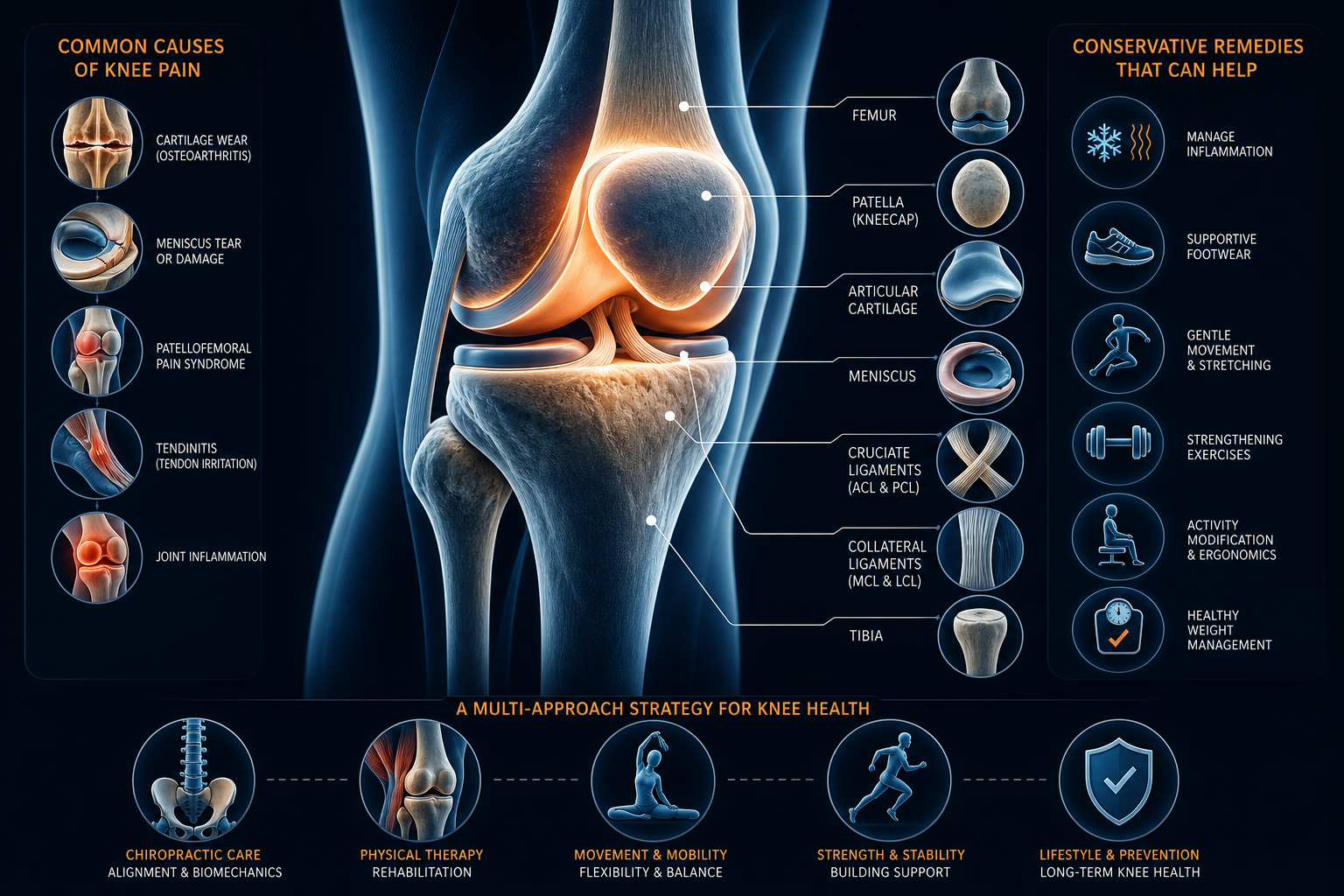
Referrals remain one of the most reliable growth channels in conservative healthcare — not because of marketing spend, but because a trusted colleague's recommendation carries weight that advertising simply cannot replicate. For chiropractors, physical therapists, acupuncturists, and rehabilitation specialists, building a structured cross-referral network often separates practices that steadily grow from those that plateau and stall.
This guide covers what a genuine, compliant, reciprocal referral partnership looks like, how to approach new partners professionally, which relationships tend to produce the most value for patients and providers alike, and how to recognize when a partnership has stopped working — before it costs you time or reputation.
What Cross-Referral Partnerships Between Providers Actually Mean
A cross-referral partnership is a formal or informal professional arrangement in which two or more providers agree to send appropriate patients to each other when one provider's scope of care does not fully address the patient's needs. The operative word is appropriate. The partnership works — and remains defensible — only when referrals are clinically driven, not transactionally driven.
A chiropractor who routinely sees patients with cervicogenic headaches may partner with a physical therapist who specializes in vestibular rehabilitation. A physical therapist managing post-MVA soft tissue injuries may refer patients experiencing persistent anxiety symptoms to a licensed counselor. An acupuncturist treating chronic low back pain patients may send those with underlying structural complaints to a chiropractor for spinal assessment. Each exchange serves the patient first; the mutual business benefit is a byproduct, not the driver.
When referrals become transactional — when they are exchanged as favors rather than extended for clinical reasons — they cross into territory that raises serious compliance concerns. That distinction is the foundation of everything that follows.
The Strongest Referral Partnerships in Conservative Care
Chiropractic to Physical Therapy (and Back)
The chiro-to-PT referral loop is among the most natural in musculoskeletal care. Chiropractors often manage acute spinal complaints and joint dysfunction; physical therapists focus on functional restoration, strengthening, and movement re-education. A patient who responds well to spinal manipulation may plateau without the stabilization work a physical therapist provides. Conversely, a PT patient whose progress stalls because of joint restriction may benefit from a chiropractic evaluation. When both providers communicate openly, patients receive a more complete episode of care — and both practices see genuine reciprocal referral volume over time.
For guidance on how to structure your chiropractic practice's online presence to support these relationships, see how to optimize your chiropractic provider profile on Medximity.
Building a Chiro-to-PT-to-Acupuncture Referral Loop
Some of the most durable referral networks in conservative care involve three or more disciplines cycling patients through complementary services. A typical loop might look like this: a chiropractor handles the structural component of a musculoskeletal complaint, a physical therapist addresses functional deficits and exercise progression, and an acupuncturist manages residual pain and inflammation in patients who respond well to that modality.
Building this kind of loop requires that each provider understands what the others do — not superficially, but well enough to explain to a patient why they are being referred and what to expect. Providers who invest time in cross-disciplinary education tend to build more durable loops because their referral rationale is specific and credible, which patients can feel.
Personal Injury Providers and Attorney Relationships
Many chiropractors and physical therapists treat a significant volume of patients injured in motor vehicle accidents, slip-and-falls, or workplace incidents. These patients often come through personal injury law firms, and understanding how personal injury attorneys choose treating providers is critical for practices that want to serve this population.
Attorneys involved in personal injury cases prioritize providers who document thoroughly, communicate reliably, and maintain consistent treatment records that withstand scrutiny. An attorney referring a client to a treating provider needs to trust that the records will accurately reflect the patient's presentation, the clinical rationale for treatment, and the patient's functional progress or limitations. Practices that demonstrate this level of documentation discipline become preferred providers over time — not because of relationship-building lunches, but because of clinical reliability.
For a deeper look at the documentation expectations that matter most in injury cases, review medical documentation in personal injury cases: what providers need to know.
Letters of Protection and Lien-Based Care: What Providers Need to Know
In personal injury contexts, patients sometimes cannot pay for treatment out of pocket while their case is pending. A letter of protection (LOP) is a written agreement — typically between the patient, the treating provider, and the patient's attorney — in which the provider agrees to defer payment until the case resolves, with the expectation of payment from any settlement or judgment proceeds.
Lien-based care arrangements carry real financial risk: if a case does not settle, or settles for less than anticipated, the provider may collect less than the billed amount or nothing at all. Before entering any LOP arrangement, providers should consult with a healthcare attorney familiar with their state's rules, as the legal framework for liens varies significantly by jurisdiction. That said, for practices that manage LOP risk carefully, this model can open a referral channel from personal injury attorneys who represent clients with genuine injuries but limited immediate resources.
Anti-kickback rules apply here as they do everywhere: the decision to accept an LOP must be based on the clinical merits of treating the patient, not on the volume of referrals an attorney sends. The distinction matters both legally and practically.
Anti-Kickback Compliance for Personal Injury Referral Relationships
Federal and state anti-kickback statutes prohibit offering, paying, soliciting, or receiving anything of value in exchange for patient referrals. In the personal injury context, this means that a provider cannot pay an attorney for referrals — directly or indirectly — and an attorney cannot receive compensation from a provider in exchange for sending clients their way. Gifts, excessive meals, "marketing fees," or any arrangement in which the referral relationship itself is compensated raises serious legal exposure.
This does not mean providers and attorneys cannot have professional relationships. It means those relationships must be built on clinical reliability, transparent communication, and genuine service to the patient — not on financial exchange. Providers who are uncertain about where the line falls in their state should seek guidance from a healthcare compliance attorney rather than relying on informal assumptions.
Compliance is not just a legal requirement; it is also a reputational matter. Practices known for clean, clinically grounded referral practices attract better long-term partners than those perceived as operating in gray areas.
How to Approach a New Referral Partner for the First Time
The first outreach to a potential referral partner sets the tone for everything that follows. Providers who approach this conversation as a sales call tend to get transactional responses. Providers who approach it as a clinical collaboration conversation tend to build lasting relationships.
Do Your Homework First
Before reaching out, understand what the prospective partner does. If you are a chiropractor approaching a physical therapist, know enough about their specialty — manual therapy certifications, neurological rehab experience, sports rehabilitation focus — to speak specifically about the patients who would benefit from crossing between your two practices. Generic outreach signals that you are looking for volume, not fit.
Frame the Conversation Around Patient Care
Lead with a clinical scenario. "I see a significant number of patients with post-MVA cervical complaints who plateau on the structural side and would benefit from active rehabilitation — do you have capacity for those referrals, and what does your intake process look like?" is a far more productive opening than "I'd like to send you patients and receive referrals in return."
Propose a Formal Communication Protocol Early
Referral relationships work better when there is a clear, HIPAA-compliant communication channel in place from the start. Agree on how referral notes will be transmitted, what format the receiving provider prefers, and how updates on shared patients will flow back to the referring provider. Establishing this protocol early signals professionalism and protects both parties.
To understand the technical and procedural requirements for compliant inter-provider communication, see HIPAA-compliant communication between referring providers.
Tracking Referral Volume and Reciprocity in a Small Practice
One of the most common mistakes small practices make is failing to track referral flow with any rigor. Without data, it is impossible to know whether a partnership is truly reciprocal, whether one provider is consistently over-sending while the other under-delivers, or whether a referral channel has quietly dried up.
Basic Tracking That Every Practice Can Implement
At minimum, your intake process should capture the referral source for every new patient. Over time, this data reveals which partners are sending consistently, which relationships are one-directional, and which referring sources have declined in volume without explanation. Even a simple spreadsheet with partner name, referral date, and patient intake date gives you enough to have an honest conversation with a partner after six months.
Reciprocity Is Not a Scoreboard
Tracking reciprocity is about identifying imbalances — not about demanding equal numbers. If a physical therapy practice is sending thirty referrals per quarter to a chiropractor and receiving two in return, something is off. Either the chiropractor's patient population genuinely does not generate PT-appropriate cases (worth confirming clinically), or the relationship has drifted into something one-sided that should be addressed directly. Tracking makes that conversation possible and grounded in fact rather than feeling.
For practices using Medximity EHR, referral source tracking can be built into the intake workflow, making this kind of data capture routine rather than manual. Learn more about how Medximity EHR supports referral tracking and documentation.
Why Your Provider Directory Profile Matters for Getting More Referrals
Referral partners — both clinical providers and personal injury attorneys — increasingly vet potential partners online before reaching out. A Medximity provider profile that is complete, specific about specialties and techniques, and current is more than a marketing asset; it is a professional credential that a prospective partner uses to assess whether you are the right fit for their patients.
Profiles that list specific conditions treated, named techniques or certifications, and clear information about injury care experience communicate clinical depth. Profiles that are thin or generic communicate the opposite. In a competitive market, the provider who has clearly articulated their scope of care and clinical approach will receive the referral call over the provider whose profile reads like a placeholder.
If your Medximity profile needs attention, search the provider directory to see how your listing currently appears and identify gaps to address.
Signs a Referral Partnership Is Not Working Anymore
Not every referral relationship is worth maintaining indefinitely. Recognizing when a partnership has stopped serving patients — or your practice — is as important as knowing how to build one.
Volume Has Declined Without Explanation
A steady referral partner who suddenly stops sending patients may have changed their patient population, added a new in-house service that overlaps with yours, had a significant staffing change, or simply found a different provider who communicates more reliably. A brief, professional conversation — "I noticed referrals have slowed; is there anything I can do better on my end?" — often reveals a fixable problem or a natural evolution worth acknowledging.
Documentation Quality Issues Have Emerged
If a partner is sending patients with inadequate documentation, failing to respond to requests for records, or communicating inconsistently, patient care is being compromised. A well-run referral relationship depends on clinical communication, not just patient volume.
The Relationship Has Become Transactional
If conversations with a referral partner have shifted from clinical topics to purely volume-focused exchanges — tracking numbers without discussing patient outcomes, or implying that referral flow is contingent on reciprocity rather than clinical fit — the relationship has drifted into territory that creates compliance risk and serves patients poorly. This is a signal to reset the relationship explicitly or step back from it.
Building a Long-Term Referral Network: The Practical Checklist
- Identify three to five complementary specialties whose patient populations meaningfully overlap with yours.
- Research specific providers in each specialty before reaching out — know what they do and why it fits.
- Lead every initial conversation with a clinical scenario, not a volume pitch.
- Establish a HIPAA-compliant communication protocol before the first referral crosses.
- Capture referral source data at intake for every new patient.
- Review referral data with each partner every quarter — informally, but consistently.
- Keep your Medximity provider profile current and specific enough to attract the right inbound inquiries.
- Consult a healthcare compliance attorney before entering any arrangement involving letters of protection, lien-based care, or any form of compensation adjacent to a referral relationship.
- Address imbalances and concerns directly, early, and professionally.
Building a referral network takes time. The practices that sustain strong networks over years are those that treat referral relationships the same way they treat patient care — with consistency, communication, and a clear understanding of scope. There are no shortcuts that hold up.
To find chiropractic, physical therapy, and rehabilitation providers in your area who may be strong referral candidates, explore the Medximity provider directory. For additional practice-building resources, visit the Medximity practice growth blog.
Frequently Asked Questions
How do I start a cross-referral partnership with another provider without it feeling awkward?
Frame the first conversation around a specific clinical scenario rather than a general request to exchange referrals. When the discussion centers on what is best for a type of patient you both see, the professional dynamic is natural rather than transactional. Most providers are receptive to a well-prepared clinical conversation with a colleague — it does not need to feel like a sales meeting.
What is the difference between a referral partnership and an anti-kickback violation?
A compliant referral partnership is built on clinical appropriateness — you refer patients because that provider is the right fit for their needs, not because that provider is paying you or providing something of value in exchange. Anti-kickback statutes prohibit any arrangement in which something of value is exchanged as an inducement or reward for referrals. The clinical rationale must be the reason for every referral, documented and defensible. If you are unsure whether a specific arrangement is compliant, consult a healthcare compliance attorney in your state.
How should I communicate patient information when making a referral?
Any transmission of patient health information between providers must comply with HIPAA's minimum necessary standard and must be protected through appropriate secure channels — encrypted email, a compliant fax system, or a healthcare communications platform with a business associate agreement in place. Never send patient records through unsecured email or standard text messaging. Establish the communication protocol with your partner before the first referral.
How many referral partners is the right number for a small practice?
There is no universal answer, but most small practices build deeper, more sustainable relationships with three to eight active partners rather than casting a wide net. Depth of relationship — meaning consistent communication, clinical alignment, and mutual understanding — produces more reliable referral volume than a large number of superficial connections.
Do letters of protection create legal risk for providers?
They can. Letters of protection defer payment until a personal injury case resolves, which means providers absorb financial risk if the case does not settle favorably. The risk is real and varies by case type, attorney, and jurisdiction. Before accepting LOP cases, consult a healthcare or healthcare finance attorney who understands your state's lien laws and the practical realities of personal injury litigation in your market.
Why does my Medximity profile affect my referral volume?
Referring providers and personal injury attorneys increasingly research potential referral partners online before making contact. A complete, specific, and current profile signals that a practice is active, professional, and credible. A thin or outdated profile signals the opposite and may cause a prospective partner to choose someone whose credentials and specialties are more clearly presented.
How do I know when a referral partnership is worth continuing?
Evaluate each partnership on three dimensions: clinical fit (are the patients who cross between your practices actually benefiting?), communication quality (do both sides exchange information reliably and completely?), and reciprocity over time (is the referral flow reasonably balanced given each practice's patient population?). If all three are working, the relationship is worth nurturing. If one or more are consistently broken and direct conversation has not fixed them, it may be time to redirect your relationship-building efforts.
", "faq_data": [ { "q": "How do I start a cross-referral partnership with another provider without it feeling awkward?", "a": "Frame the first conversation around a specific clinical scenario rather than a general request to exchange referrals. When the discussion centers on what is best for a type of patient you both see, the professional dynamic is natural rather than transactional. Most providers are receptive to a well-prepared clinical conversation with a colleague." }, { "q": "What is the difference between a referral partnership and an anti-kickback violation?", "a": "A compliant referral partnership is built on clinical appropriateness — you refer patients because that provider is the right fit for their needs, not because that provider is paying you or providing something of value in exchange. Anti-kickback statutes prohibit any arrangement in which something of value is exchanged as an inducement or reward for referrals. If you are unsure whether a specific arrangement is compliant, consult a healthcare compliance attorney in your state." }, { "q": "How should I communicate patient information when making a referral?", "a": "Any transmission of patient health information between providers must comply with HIPAA's minimum necessary standard and must be protected through appropriate secure channels — encrypted email, a compliant fax system, or a healthcare communications platform with a business associate agreement in place. Establish the communication protocol with your partner before the first referral." }, { "q": "How many referral partners is the right number for a small practice?", "a": "Most small practices build deeper, more sustainable relationships with three to eight active partners rather than casting a wide net. Depth of relationship — consistent communication, clinical alignment, and mutual understanding — produces more reliable referral volume than a large number of superficial connections." }, { "q": "Do letters of protection create legal risk for providers?", "a": "They can. Letters of protection defer payment until a personal injury case resolves, which means providers absorb financial risk if the case does not settle favorably. Before accepting LOP cases, consult a healthcare or healthcare finance attorney who understands your state's lien laws and the practical realities of personal injury litigation in your market." }, { "q": "Why does my Medximity profile affect my referral volume?", "a": "Referring providers and personal injury attorneys increasingly research potential referral partners online before making contact. A complete, specific, and current profile signals that a practice is active, professional, and credible. A thin or outdated profile may cause a prospective partner to choose someone whose credentials and specialties are more clearly presented." }, { "q": "How do I know when a referral partnership is worth continuing?", "a": "Evaluate each partnership on three dimensions: clinical fit, communication quality, and reciprocity over time. If all three are working, the relationship is worth nurturing. If one or more are consistently broken and direct conversation has not fixed them, it may be time to redirect your relationship-building efforts." } ], "key_takeaways": [ "Cross-referral partnerships between providers must be clinically driven — every referral should be justified by the patient's needs, not by a transactional arrangement.", "The chiro-to-PT-to-acupuncture loop is one of the most durable referral networks in conservative care when providers invest in cross-disciplinary understanding.", "Personal injury attorneys choose treating providers based on documentation quality, clinical reliability, and consistent communication — not relationship-building alone.", "Anti-kickback statutes apply to personal injury referral relationships; any arrangement that compensates referral volume creates serious legal and reputational risk.", "HIPAA-compliant communication protocols should be established before the first referral crosses between partners, not after.", "Tracking referral volume and reciprocity with basic intake data allows practices to identify imbalances early and address them directly.", "A complete and specific Medximity provider profile is a professional credential that prospective referral partners use to vet your practice before reaching out.", "Signs that a referral partnership is no longer working include unexplained volume decline, documentation failures, and a shift toward purely transactional conversations.", "Letters of protection carry real financial risk and require legal guidance before a practice accepts them as part of its model.", "Practices that build three to eight deep referral relationships outperform those with large networks of superficial connections." ], "tags": [ "referral network", "cross-referral partnerships", "chiropractic practice growth", "physical therapy referrals", "personal injury providers", "letters of protection", "anti-kickback compliance", "HIPAA communication", "provider directory", "practice management", "lien-based care", "referral tracking", "chiro to PT referral", "acupuncture referral loop", "Medximity" ], "schema_markup": { "@context": "https://schema.org", "@type": "Article", "headline": "Cross-Referral Partnerships Between Providers: How to Build a Referral Network That Works for Your Practice", "description": "A comprehensive guide for chiropractors, physical therapists, and rehabilitation providers on building compliant, reciprocal cross-referral partnerships — including anti-kickback compliance, HIPAA communication, letters of protection, and how to track referral volume effectively.", "author": { "@type": "Organization", "name": "Medximity" }, "publisher": { "@type": "Organization", "name": "Medximity", "url": "https://www.medximity.com" }, "mainEntityOfPage": { "@type": "WebPage", "@id": "https://www.medximity.com/blog/cross-referral-partnerships-between-providers-how-to-build-referral-network" }, "keywords": [ "cross-referral partnerships between providers", "how to build a referral network for chiropractic practice", "cross-referral partnerships between chiropractors and physical therapists", "how personal injury attorneys choose treating providers", "letters of protection lien-based care what providers need to know", "how to track referral volume and reciprocity in small practice", "HIPAA compliant communication between referring providers", "anti-kickback compliance for personal injury referral relationships", "how to build chiro to PT to acupuncture referral loop", "why provider directory profile matters for getting more referrals" ], "articleSection": "Practice Growth", "inLanguage": "en-US" } }