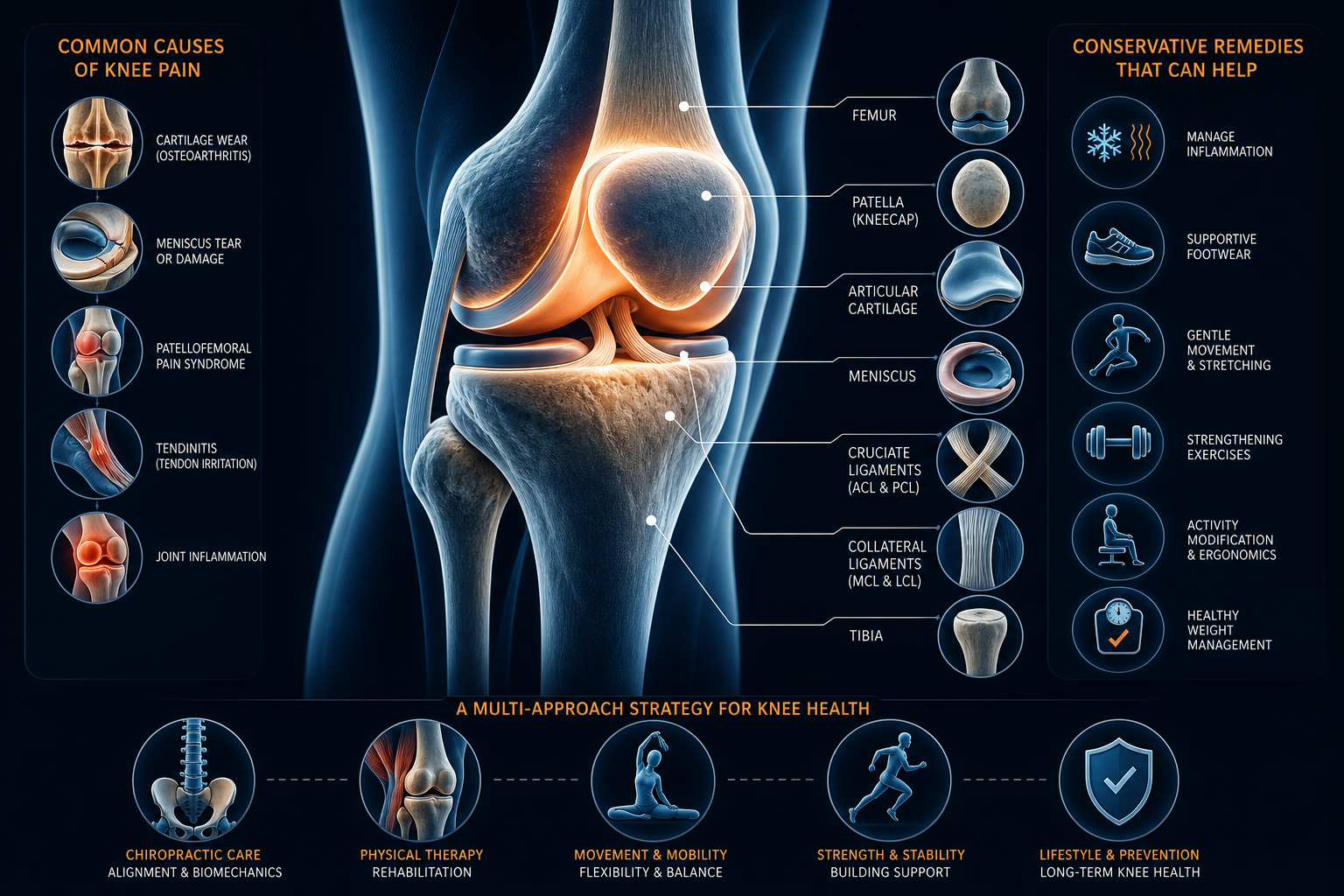
For chiropractors, physical therapists, and rehabilitation specialists, referrals are not a side strategy — they are often the spine of a thriving practice. Yet many providers approach referral-building informally, relying on chance encounters at continuing education events or a business card left at a front desk. That approach leaves genuine opportunity on the table and, more importantly, leaves patients without a coordinated care experience they deserve.
Cross-referral partnerships between providers — structured, mutual relationships in which two or more clinicians send appropriate patients to one another — work best when they are intentional, documented, and centered on clinical fit rather than volume. This guide covers how to identify the right partners, structure agreements that hold up to scrutiny, avoid the compliance traps that derail even well-meaning practices, and use tools like a modern EHR to keep the whole system running smoothly.
Why Cross-Referral Partnerships Matter for Conservative Care Practices
Conservative care — chiropractic, physical therapy, massage therapy, acupuncture, and rehabilitation — rarely operates in isolation. A patient presenting with lumbar radiculopathy after a motor vehicle accident may need chiropractic spinal manipulation, guided therapeutic exercise from a physical therapist, soft-tissue work from a licensed massage therapist, and, in some cases, coordination with a personal injury attorney who is managing the legal side of their recovery. No single provider does all of that.
When providers build genuine cross-referral relationships, patients receive care that is better coordinated, less duplicated, and more responsive to the full picture of their condition. From a practice standpoint, a structured referral network reduces patient acquisition costs, fills appointment gaps with clinically appropriate cases, and positions your practice as a trusted hub rather than an isolated service.
Practices listed on Medximity's provider directory are already positioned for discovery by patients and potential referral partners alike — but a directory listing alone is not a referral strategy. It is the foundation one is built on.
The Best Provider Types to Partner With for Patient Referrals
The right referral partners share two things: a patient population that overlaps with yours and a clinical philosophy that is compatible with conservative care. Below are the most productive pairing types, along with what makes each relationship work.
Chiropractors and Physical Therapists
Cross-referral partnerships between chiropractors and physical therapists are among the most natural in conservative care. Chiropractors often manage acute joint dysfunction, spinal manipulation, and neurological symptom patterns, while physical therapists frequently focus on functional movement, strengthening, and return-to-activity programming. A patient stabilized through chiropractic care may benefit from a structured PT regimen; a PT patient with recurring joint restriction may benefit from chiropractic evaluation. When both providers communicate regularly about shared patients — ideally through a shared or interoperable EHR — outcomes tend to improve and patients stay engaged longer.
Acupuncture and Massage Therapy Referral Partnerships for Rehabilitation
Acupuncture and licensed massage therapy are increasingly integrated into rehabilitation pathways, particularly for musculoskeletal and post-injury recovery. Research suggests that acupuncture may support pain modulation in certain patient populations, and therapeutic massage is associated with improvements in tissue mobility and reported pain levels. Chiropractors and physical therapists who refer to — and receive referrals from — acupuncturists and massage therapists tend to see broader coverage of the patient's symptom picture without duplicating manual or exercise interventions.
Personal Injury Attorney Referral Networks for Conservative Care
Personal injury law firms represent a distinct but important referral source for conservative care practices. Attorneys managing motor vehicle accident, slip-and-fall, or workers' compensation cases frequently need to connect clients with providers who can deliver thorough, well-documented treatment. From the provider side, understanding what attorneys need — detailed clinical records, consistent attendance documentation, clear causation language in chart notes — is as important as the clinical relationship itself.
This is one area where compliance is especially critical. Any arrangement that could be interpreted as paying for referrals — even indirectly — creates serious legal exposure. That compliance piece is covered in detail below. See Medximity's resource on personal injury documentation best practices for guidance on what attorneys and adjusters typically look for in clinical records.
Primary Care Physicians and Urgent Care Clinics
Many patients visit a primary care physician or urgent care clinic after an injury and are told to rest, take anti-inflammatories, and follow up if symptoms persist. A warm referral relationship with a family medicine or urgent care provider in your community can channel those patients into conservative care sooner — often with better functional outcomes — while giving the referring physician confidence that their patients will be seen and documented appropriately.
Pain Management and Orthopedic Specialists
Specialists in pain management and orthopedics sometimes prefer to co-manage patients with conservative care providers before recommending more invasive interventions. Establishing relationships with these specialists — not as subordinates, but as clinical partners — can create a steady referral stream of patients who are good candidates for conservative care and who may return to the specialist for follow-up only if conservative management is insufficient.
How to Set Up Cross-Referral Agreements Between Providers
A referral relationship that exists only in conversation is fragile. A referral relationship documented in a written agreement is durable, defensible, and easier to evaluate over time. Here is what a sound cross-referral agreement typically addresses.
Define the Clinical Scope of the Referral Relationship
Specify which patient types or condition categories are appropriate for mutual referral. A chiropractic practice and a physical therapy practice might agree that post-surgical spine patients, acute whiplash presentations, and chronic low back cases are within the shared scope, while pediatric neurodevelopmental cases or cardiac rehabilitation are not. Clarity here prevents awkward mismatches and protects both practices from receiving cases they are not equipped to manage.
Establish Communication Protocols
Good referral partners communicate about shared patients. Decide in advance: Will you send a brief referral summary when you send a patient? Will the receiving provider send a progress note back within a defined window? How will urgent changes in a patient's status be communicated? These logistics feel minor until they are not, and establishing them early is far easier than retrofitting them after a breakdown.
Document Everything in Writing
Even between practices with strong personal relationships, a written memorandum of understanding — reviewed by a healthcare attorney — protects both parties. The document should confirm that the relationship is non-exclusive, that no compensation is exchanged for referrals, and that both practices retain independent clinical judgment about every patient they see. This is not bureaucracy for its own sake; it is the compliance backbone of the arrangement.
How to Avoid Anti-Kickback Violations in Medical Referrals
This is the section that separates sustainable referral networks from arrangements that collapse under regulatory scrutiny. Anti-kickback laws — at both the federal level and in most states — prohibit offering, paying, soliciting, or receiving anything of value in exchange for referrals of patients covered by federal healthcare programs. Some state laws extend similar prohibitions to all patient referrals, regardless of payer.
The most important rule: referrals must be based on clinical appropriateness, not on volume or value exchanged. Common arrangements that may cross legal lines include:
- Paying a flat fee per referral received, regardless of clinical framing
- Offering discounted services, free equipment, or office space to a referring provider without a fair-market-value justification
- Splitting fees between providers on shared patients outside of a formal co-management arrangement reviewed by counsel
- Referral arrangements that explicitly or implicitly guarantee a minimum referral volume
None of this means that cross-referral relationships are inherently problematic. Mutual, non-compensated, clinically grounded referral relationships are standard practice in healthcare. The line is drawn at any arrangement in which something of value — money, services, favorable terms — flows specifically because of referrals. When in doubt, consult a healthcare compliance attorney before formalizing any agreement. Laws vary by state, and the specifics of your payer mix matter considerably.
Is a Letter of Protection Required for Personal Injury Referrals?
A letter of protection (LOP) is a document from a personal injury attorney that commits to paying a provider's fees from the patient's settlement proceeds if the patient cannot pay out of pocket during treatment. LOPs are common in personal injury cases but are not universally required for a referral relationship to exist. Whether to accept LOPs is a practice-level decision that depends on your cash flow tolerance, your state's regulations, and the terms offered. It is not a referral compliance issue per se, but it is worth understanding before entering a referral relationship with personal injury firms. Medximity's guide to letters of protection for providers covers the practical and financial considerations in more depth.
EHR Tools for Managing Cross-Provider Referral Documentation
The administrative side of a referral network — tracking who was referred, when, for what reason, and what happened next — can become unmanageable quickly without the right infrastructure. This is where your EHR does more than store charts.
A well-configured EHR system, like Medximity EHR, can support referral tracking through structured referral logs, templated referral letters that capture clinical rationale, and intake workflows that tag referred patients for follow-up. When a shared patient returns from a partner practice with a progress note, that note should be stored alongside the patient's chart and visible to everyone on the care team — not buried in an email inbox.
For practices managing personal injury cases, documentation discipline is especially important. Attorneys and adjusters look for consistent, dated, clinically specific notes that tie treatment to the mechanism of injury. An EHR that prompts providers to document causation language, functional limitations, and treatment response at each visit makes that record far stronger than one assembled retroactively from memory.
How Long Does It Take to Build a Referral Network?
There is no honest answer that promises speed. A referral network built on genuine clinical relationships and mutual trust typically takes six to eighteen months to produce meaningful, consistent referral volume. The early months involve identifying candidates, having introductory conversations, sending a handful of test-case referrals, and evaluating how each partner communicates and follows up. Consistency on your end — reliably sending good referrals and following up on received ones — is what accelerates the process more than any marketing tactic.
Some practices see faster traction when they start with providers they already know personally from continuing education, professional associations, or shared patient situations. Others use a structured outreach approach: a brief practice overview letter, a follow-up call, an in-person meeting, and a first referral within thirty days. Either way, the relationship phase cannot be skipped, and volume is a lagging indicator of relationship quality.
How to Find Chiropractic Referral Partners Near You
Before you can build a relationship, you need to identify candidates. Several channels tend to surface reliable prospects:
- Provider directories: Medximity's searchable provider directory allows you to identify chiropractors, physical therapists, acupuncturists, and other conservative care providers in your service area by specialty and location — a practical starting point for identifying potential partners.
- State and local professional associations: Chiropractic associations, physical therapy associations, and bar association sections on personal injury law are natural meeting places for providers open to referral conversations.
- Continuing education events: Multi-disciplinary CE events frequently bring together providers who share a clinical philosophy and are already inclined toward collaboration.
- Shared patients: When a patient mentions they also see a physical therapist or acupuncturist you do not know, that is a natural, low-pressure opening for a collegial introduction.
How to Exit a Referral Partnership Without Damaging Relationships
Not every referral relationship will last indefinitely. A partner practice may change ownership, shift clinical focus, move out of the service area, or simply prove to be a poor fit in terms of communication style or patient handling. Exiting cleanly — without burning goodwill in a professional community that is often smaller than it seems — requires the same intentionality that built the relationship.
If the arrangement is formalized in a written agreement, follow whatever exit procedures it specifies — typically a written notice period of thirty to ninety days. If it is informal, a direct, professional conversation is appropriate: acknowledge the relationship, explain the change without blame, and where possible, help transition any shared patients to other providers. Avoid abrupt ghosting, and do not allow shared patients to experience a gap in care as a side effect of a business decision. Your reputation in your referral community is built slowly and damaged quickly; a graceful exit protects both.
Putting It Together: A Practical Starting Point
If you are building your referral network from scratch, the most productive first step is not drafting an agreement — it is making a list. Identify five provider types in your community whose patient populations genuinely overlap with yours. For each, identify one or two specific practices you already have some connection to, even a loose one. Reach out to each with a brief, specific message: who you are, what you do, what kinds of patients you treat, and why you think a conversation might be worthwhile. Keep the clinical focus front and center.
From there, the process is iterative: meet, send a referral, follow up, receive a referral, communicate about the shared patient, evaluate the fit. The practices that make this a repeatable internal process — not a one-time outreach campaign — are the ones that end up with referral networks that genuinely sustain them.
To explore providers available for partnership in your area or to make your own practice more discoverable to potential referral partners, search the Medximity provider directory or learn more about listing your practice on Medximity.
Frequently Asked Questions
What is a cross-referral partnership between providers?
A cross-referral partnership is a mutual, non-compensated arrangement in which two or more healthcare providers agree to refer appropriate patients to one another based on clinical fit. Neither provider pays the other for referrals; the arrangement is grounded in shared patient-centered goals and complementary clinical capabilities.
Are cross-referral agreements between chiropractors and physical therapists legal?
Yes, mutual non-compensated referral relationships between licensed providers are generally legal and standard practice in healthcare. The critical compliance requirement is that no payment, gift, or thing of value is exchanged in connection with the referrals. Anti-kickback laws at the federal and state level govern when referral arrangements become problematic. Consult a healthcare compliance attorney to review any formalized arrangement, as laws vary by state and payer type.
Do I need a written agreement to have a referral relationship with another provider?
A written agreement is not always legally required for an informal referral relationship, but it is strongly advisable. A written memorandum of understanding, reviewed by a healthcare attorney, protects both practices by clearly documenting that the arrangement is non-compensated, non-exclusive, and based on clinical appropriateness. It also provides a clear framework for resolving disputes or exiting the relationship cleanly.
Is a letter of protection required for personal injury referrals from attorneys?
No, a letter of protection is not universally required in order to accept referrals from personal injury attorneys. An LOP is a financial arrangement — a commitment by the attorney to pay your fees from settlement proceeds — not a prerequisite for the referral relationship itself. Whether to accept LOPs is a separate business and financial decision for each practice to make with appropriate legal and financial guidance.
How long does it typically take to build a functional referral network?
Most practices find that a referral network begins producing consistent, meaningful volume within six to eighteen months of intentional outreach and relationship-building. Early referrals tend to be sporadic as both sides evaluate the relationship; volume typically increases as trust and communication patterns are established. Consistency — reliable follow-through on both sending and receiving referrals — is the single most reliable accelerant.
What EHR features help manage cross-provider referral documentation?
Useful EHR features for referral management include structured referral tracking logs, templated referral letters with clinical rationale fields, patient intake flags that identify referral source, and the ability to store and link incoming records from partner providers. For personal injury cases specifically, features that prompt providers to document causation, functional limitations, and treatment response at each visit are particularly valuable.
What types of providers make the best referral partners for a chiropractic practice?
Physical therapists, licensed massage therapists, acupuncturists, primary care physicians, urgent care providers, pain management specialists, and personal injury attorneys are among the most productive referral partners for chiropractic practices. The best partners share a patient population that overlaps with yours and a clinical philosophy compatible with conservative, patient-centered care.
How do I exit a referral partnership without damaging professional relationships?
Exit with transparency and advance notice. If a written agreement exists, follow its specified exit procedures. If the relationship is informal, a direct professional conversation is appropriate. Avoid abrupt disengagement, help transition any shared patients to appropriate ongoing care, and communicate your reasons without blame. The conservative care and personal injury professional communities tend to be tightly networked, and a graceful exit protects your reputation long after the specific relationship ends.