Lower back pain affects a significant portion of adults at some point in their lives, and it remains one of the leading reasons people seek both medical care and time off work. If you've been dealing with a dull ache that won't quit, sharp pain when bending or lifting, or that frustrating inability to stand up straight in the morning, you may be wondering whether a chiropractor can help — and what that care actually looks like.
This article breaks down what chiropractors do for lower back pain, how chiropractic treatment compares to other conservative options, what the research generally suggests, and how to get started finding care near you.
What Does a Chiropractor Do for Lower Back Pain?
Chiropractors are licensed healthcare providers who specialize in diagnosing and treating musculoskeletal conditions — particularly those involving the spine. For lower back pain, the cornerstone of chiropractic care is the spinal adjustment (also called spinal manipulation), a hands-on technique in which the chiropractor applies a controlled, targeted force to a spinal joint to improve its range of motion and reduce mechanical stress on the surrounding nerves and soft tissue.
But an adjustment is rarely the only tool involved. A thorough chiropractic evaluation for lower back pain typically includes:
- A detailed health history and review of how and when your pain started
- Postural and gait analysis
- Orthopedic and neurological testing to assess nerve function and joint mobility
- Review of any relevant imaging (X-rays, MRI) if available
- A treatment plan tailored to your specific presentation
Beyond spinal adjustments, many chiropractors incorporate soft-tissue therapies, therapeutic exercises, ergonomic guidance, and rehabilitative stretching into a care plan. The goal is not simply to relieve immediate pain but to address the mechanical patterns that may be contributing to it.
Search for a chiropractor for lower back pain near you on Medximity to see provider profiles, specialties, and patient reviews in your area.
Common Lower Back Conditions Chiropractors Treat
Chiropractors evaluate and manage a range of lower back conditions. Some of the most frequently presenting issues include:
Acute Muscle Strains and Ligament Sprains
Sudden onset lower back pain — from lifting something awkwardly, a sports injury, or even sleeping in an unusual position — often involves strained muscles or sprained ligaments. Chiropractic care may help reduce inflammation, restore joint movement, and guide early rehabilitation to prevent an acute problem from becoming chronic.
Herniated or Bulging Disc
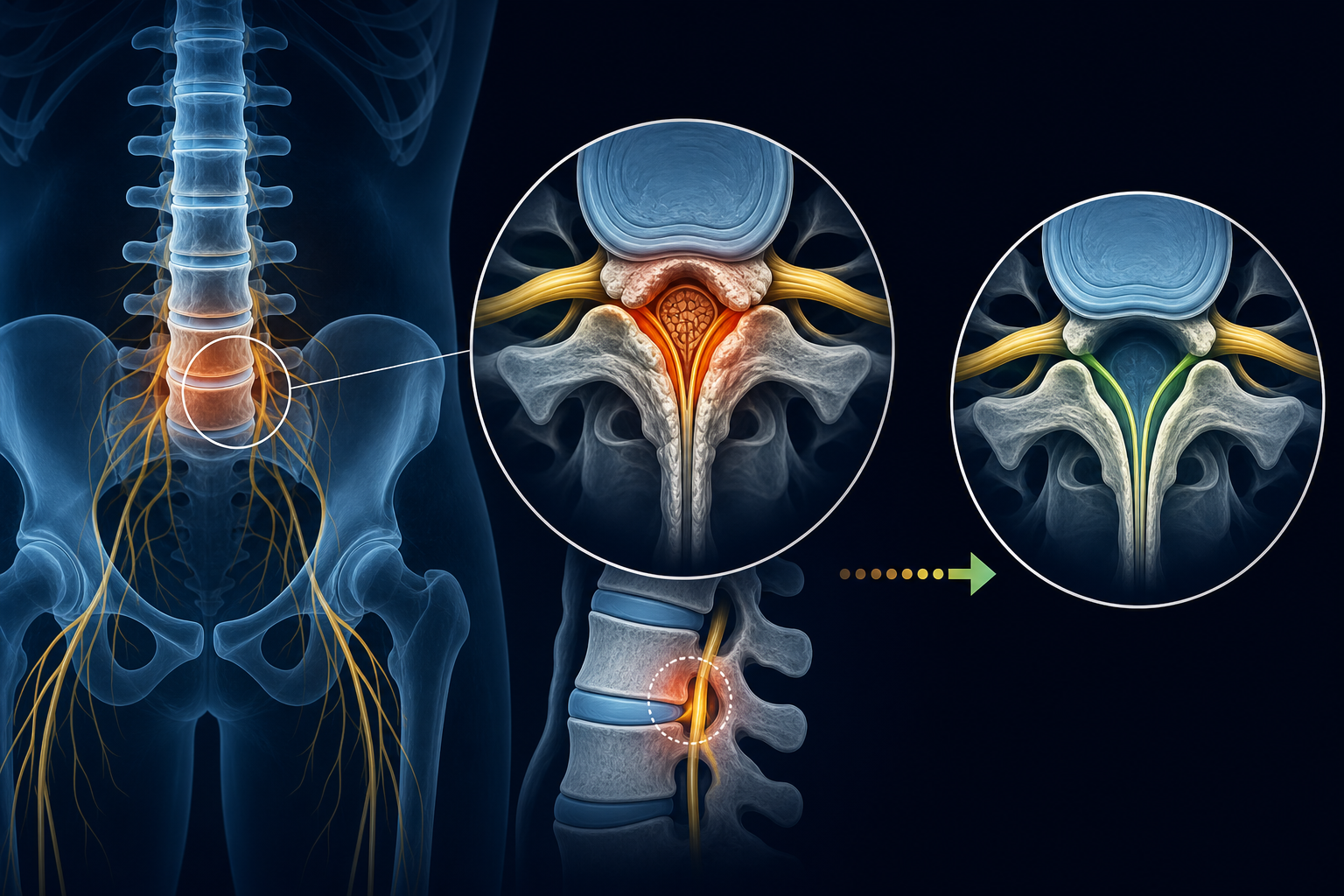
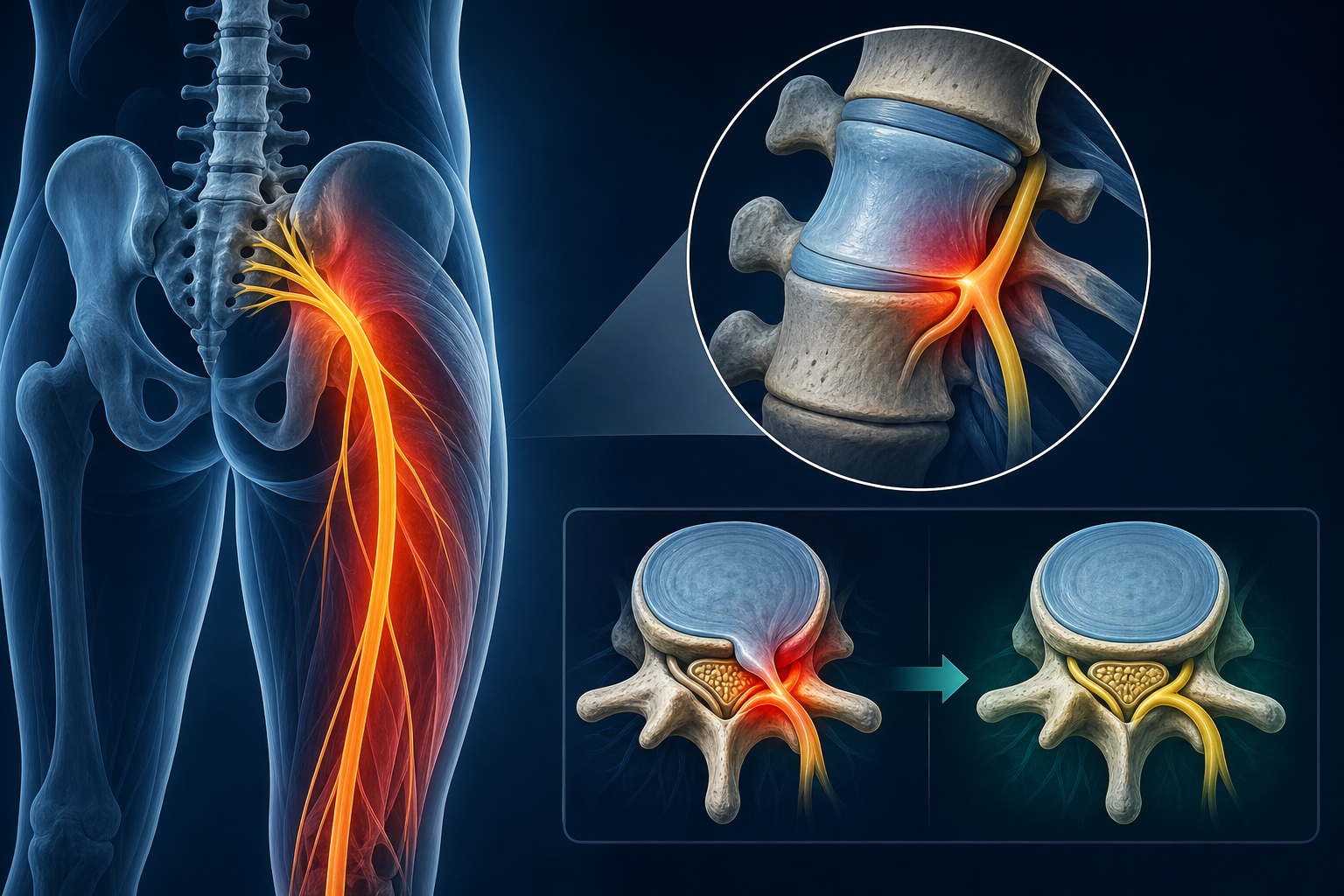
A lumbar disc herniation occurs when the inner material of a spinal disc pushes through its outer layer, potentially pressing on a nearby nerve root. This can cause local lower back pain, but also radiating pain, numbness, or tingling down one leg — a pattern commonly associated with sciatica. Chiropractic treatment for herniated disc lower back pain typically involves gentle mobilization techniques, flexion-distraction therapy, and targeted soft-tissue work. Many patients with disc-related pain report meaningful improvement with conservative care, though outcomes vary depending on the severity and specific anatomy involved.
Facet Joint Dysfunction
The small joints at the back of each vertebra (facet joints) can become restricted or irritated, producing localized or referred low back pain — especially noticeable when standing up from a chair or extending the spine. Chiropractic adjustments are commonly applied directly to these joints to restore movement and reduce pain signals.
Sacroiliac Joint Pain
The sacroiliac (SI) joint, where the pelvis meets the spine, is a surprisingly common source of lower back and buttock pain. Chiropractors are trained to assess SI joint dysfunction and apply specific manipulation or mobilization techniques to this region.
Chronic Lower Back Pain
When lower back pain lasts beyond 12 weeks, it is generally classified as chronic. Finding the best chiropractor for chronic lower back pain often means looking for a provider who takes a multimodal approach — combining manual therapy with rehabilitative exercise, lifestyle counseling, and, when appropriate, co-management with other providers.
Learn more about lower back pain conditions and treatment options on Medximity.
Is Chiropractic Adjustment Safe for Lower Back Pain?
Safety is a reasonable and important question. For most adults with mechanical lower back pain, chiropractic spinal manipulation is considered a low-risk intervention when performed by a licensed provider following a proper evaluation. Clinical practice guidelines from several major healthcare organizations, including those representing family medicine and occupational health, have recognized spinal manipulation as a recommended conservative option for non-specific lower back pain.
That said, chiropractic care is not appropriate for every situation. Conditions such as severe osteoporosis, certain spinal fractures, active cancer affecting the spine, or specific vascular concerns may require modified techniques or referral to a different type of provider. A thorough intake examination — which every reputable chiropractor performs before beginning treatment — is designed to screen for these contraindications.
Minor temporary soreness after an adjustment is common, particularly after the first few sessions, and typically resolves within 24 to 48 hours. Serious adverse events from lumbar chiropractic manipulation are considered rare in the published literature, though any treatment carries some level of risk. Discuss your full medical history openly with your chiropractor so they can determine the most appropriate approach for your specific condition.
How Long Does Chiropractic Care Take for Back Pain?
One of the most common questions patients have before starting care is: how many chiropractic sessions will I need for lower back pain? The honest answer depends on several factors, including how long you've had the pain, what's causing it, your overall health, and how consistently you follow through on any home exercises or lifestyle recommendations.
As a general framework:
- Acute lower back pain (pain that started within the last four to six weeks) often responds relatively quickly — many patients begin to notice meaningful improvement within four to eight visits over two to four weeks.
- Subacute pain (six to twelve weeks in duration) may require a more extended initial course of care, typically in the range of eight to twelve visits.
- Chronic lower back pain (more than twelve weeks) generally requires a longer, more structured rehabilitation approach. Progress may be gradual, and some patients benefit from an ongoing maintenance schedule after their primary complaint resolves.
A good chiropractor will reassess your progress at regular intervals and adjust the treatment plan accordingly. If you are not making the expected progress within a reasonable timeframe, a quality provider will discuss other options — including referral to physical therapy, imaging, or a medical specialist — rather than simply continuing the same approach indefinitely.
Sharp Lower Back Pain When Bending or Lifting — Should You See a Chiropractor?
Sharp lower back pain that flares when bending forward, picking something up off the floor, or getting in and out of a car is a very common presentation in chiropractic practice. This pattern is often associated with disc irritation, muscle guarding, or a restricted lumbar segment that puts abnormal load on surrounding structures when the spine flexes under load.
If you've been dealing with this type of pain and find you can't stand up straight after bending — or you feel a catch or spasm when you try — that is typically a sign that something mechanical is going on that a chiropractic evaluation can help clarify. It is not something you simply have to tolerate or wait out.
Lower back pain that won't go away after several weeks, especially when it is interfering with daily activities, is a good reason to schedule a professional evaluation rather than continuing to self-manage. The sooner mechanical problems are addressed, the less likely they are to become entrenched patterns.
Read our guide on when to see a chiropractor for more detail on symptom patterns that warrant professional evaluation.
Chiropractic vs. Physical Therapy for Lower Back Pain
Both chiropractic care and physical therapy are well-established conservative approaches for lower back pain, and they are not mutually exclusive. Understanding the general differences can help you make an informed decision — or recognize when both might be part of the same recovery plan.
Chiropractic Care
Chiropractic care tends to emphasize joint-level diagnosis and treatment. Spinal adjustments, mobilizations, and manual soft-tissue techniques are central to the chiropractor's toolkit. Many patients find that chiropractic care addresses their pain quickly and efficiently, particularly when joint restriction or spinal alignment is a primary contributing factor.
Physical Therapy
Physical therapists typically focus more heavily on therapeutic exercise, neuromuscular re-education, and functional movement restoration. If muscular weakness, poor movement patterns, or post-surgical rehabilitation is a primary driver of your pain, physical therapy may be particularly well suited.
When Both Make Sense
Many patients benefit from a combination — a chiropractor to address the joint mechanics and acute pain, alongside a physical therapist to rebuild strength and movement patterns. Co-management between these two professions is increasingly common and generally supported by clinical practice guidelines for complex or chronic cases.
Explore the full comparison of chiropractic vs. physical therapy on Medximity.
Search for physical therapists near you on Medximity if you're considering a combined approach.
How to Fix Lower Back Pain Without Surgery
Most people who develop lower back pain — even those with diagnosed disc herniations or degenerative changes — do not require surgery. Conservative care, including chiropractic treatment, physical therapy, targeted exercise, and lifestyle modifications, is recommended as the first-line approach by most clinical guidelines before surgical options are considered.
A conservative care plan for lower back pain that won't go away might include:
- Spinal manipulation or mobilization to restore joint movement
- Soft-tissue therapy to address muscle tension and trigger points
- Core stabilization and therapeutic exercise
- Ergonomic adjustments to workstation, sleeping posture, or daily movement habits
- Activity modification to avoid aggravating movements during recovery
- Nutritional and lifestyle guidance to support tissue healing and reduce inflammation
Surgery may become a consideration when conservative care has been given a genuine trial and specific structural findings suggest it is warranted — but that determination should involve a thorough evaluation by the appropriate specialist. A good chiropractor will refer you when referral is the right next step.
Read about conservative care options for back pain on Medximity.
Finding a Chiropractor for Lower Back Pain Near You
When you're ready to find care, choosing the right provider matters. Look for a licensed Doctor of Chiropractic (DC) who:
- Performs a thorough initial examination before beginning treatment
- Explains their findings and proposed treatment plan clearly
- Sets realistic expectations about timeline and outcomes
- Incorporates rehabilitative exercise alongside manual therapy
- Is willing to co-manage or refer when your case requires it
Patient reviews, specialty focus areas, and accepted insurance can all be reviewed on provider profiles to help narrow your search.
Search for a chiropractor for lower back pain near you on Medximity — browse profiles, read reviews, and connect with providers in your area.
Frequently Asked Questions
What does a chiropractor do for lower back pain?
A chiropractor evaluates the spine and musculoskeletal system to identify restricted joints, disc involvement, or soft-tissue dysfunction contributing to your lower back pain. Treatment typically involves spinal adjustments, manual soft-tissue work, and therapeutic exercise guidance, with the goal of reducing pain and restoring normal movement.
Is chiropractic adjustment safe for lower back pain?
For most adults with mechanical lower back pain, lumbar spinal manipulation performed by a licensed chiropractor is considered a low-risk intervention. A proper intake examination screens for conditions where manipulation should be modified or avoided. Discuss your full health history with your provider before starting care.
How many chiropractic sessions do I need for lower back pain?
This varies by the type, severity, and duration of your pain. Acute cases may improve meaningfully in four to eight visits; chronic or complex cases may require a longer structured course. Your chiropractor should reassess your progress regularly and adjust the plan accordingly.
Can a chiropractor help with a herniated disc in the lower back?
Chiropractic care is a commonly used conservative approach for disc-related lower back pain. Techniques such as flexion-distraction therapy and gentle mobilization may help reduce nerve irritation and improve function. Outcomes vary depending on the extent of the herniation and individual factors, so a thorough evaluation is important.
How do I know when lower back pain that won't go away needs professional care?
Lower back pain lasting more than two to three weeks without improvement, pain that is getting progressively worse, pain accompanied by numbness or tingling down the leg, or pain that significantly limits daily activities are all good reasons to seek a professional evaluation rather than continuing to wait it out.
Should I see a chiropractor or physical therapist for lower back pain?
Both are effective conservative options. Chiropractic care tends to emphasize joint-level treatment and spinal manipulation, while physical therapy focuses more on therapeutic exercise and movement rehabilitation. Many patients benefit from both, and co-management between the two professions is common for complex or chronic cases.
Can chiropractic care fix lower back pain without surgery?
Many patients with lower back pain — including those with disc herniations or degenerative changes — respond well to conservative care without ever needing surgery. Chiropractic treatment, combined with therapeutic exercise and lifestyle adjustments, is recommended as a first-line approach by most clinical guidelines before surgical options are explored.