Find a Provider Community Forum
For Providers For Attorneys
Sign In

Can A Neck Injury Cause Trigeminal Neuralgia?

Can A Neck Injury Cause Trigeminal Neuralgia?

Key Takeaways

  • Tight muscles at the skull base, especially the Rectus Capitis Posterior Minor, correlate with increased symptom severity.
  • Neck tension can create pressure or irritation near the brain stem and cranial nerves.
  • Post-injury muscle tightness may contribute to facial pain patterns in some patients.
  • Conservative care focusing on muscle release and posture often helps manage symptoms.

Can A Neck Injury Cause Trigeminal Neuralgia

Patients who suffered from muscle tightness at the base of the skull had a higher incidence of the severity of post-TBI symptoms and longer recoveries. The research showed when the Rectus Capitus Posterior Minor muscle was tight there was a correlation between symptom severity. The tighter the neck muscles were the more pressure or irritation there is to the brain stem.

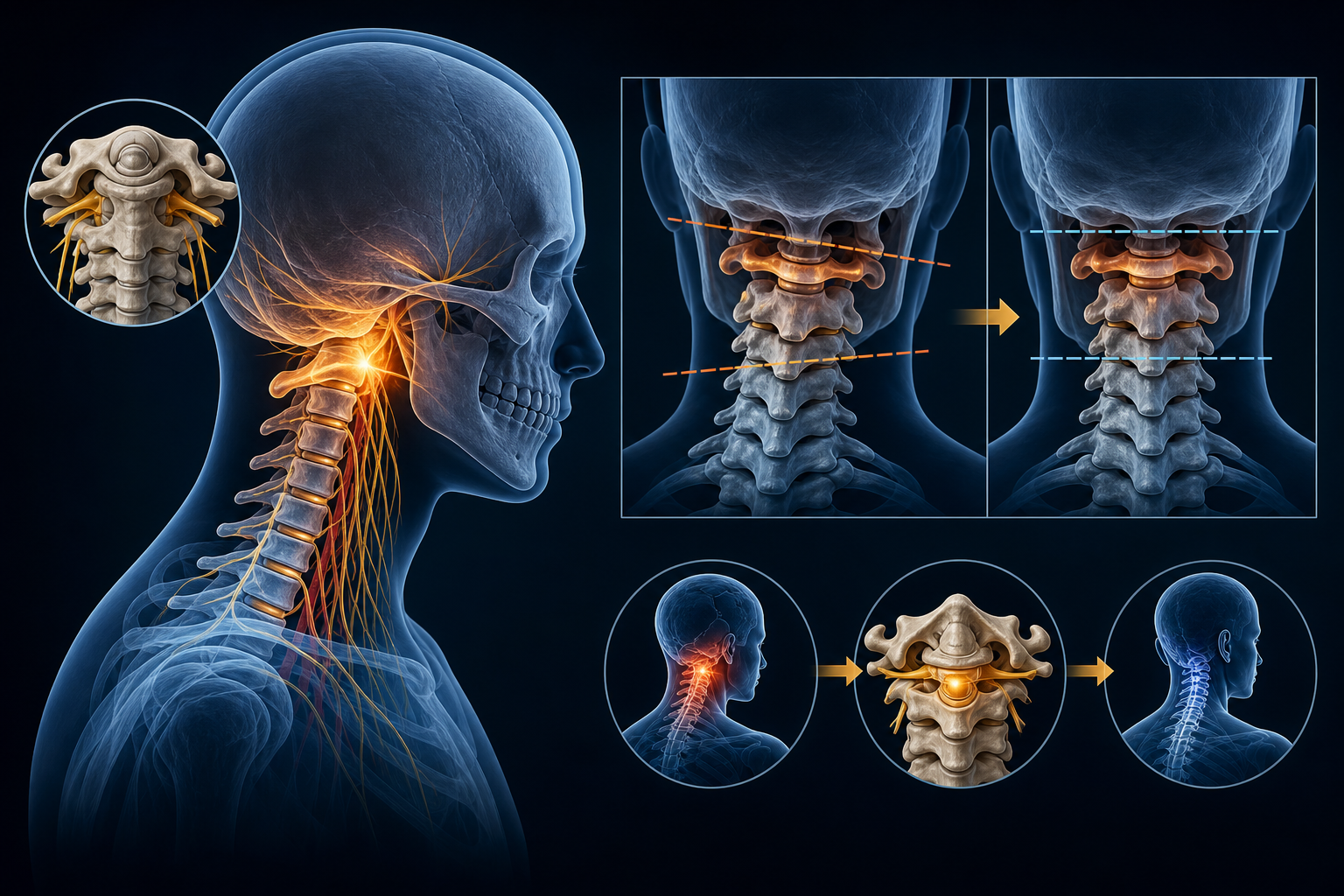
Not too long ago a breakthrough anatomical finding showed that this muscle had a direct attachment to the sheath that covers the spinal column.  It may be that Trigeminal Neuralgia cases have neck injury before TN onset. The nuclei that control the Trigeminal nerve have their control center in the brainstem which is in close proximity to the rectus capital oblique muscles dural attachment.

Trigeminal Neuralgia

Doctors throughout the country that practice Upper Cervical Chiropractic have seen great results with Trigeminal Neuralgia patients. While it is not a cure-all many that have received care have had their lives change for the better. Many cases find long-lasting relief and are able to get off of their medications.

The Upper Cervical Procedure has one goal. Locate nerve irritation to the spinal cord and correct it. The upper cervical doctor does this by first running objective tests to locate the problem. Second, a precise set of x-rays is taken to determine what direction the vertebra in the neck has misaligned. By knowing the direction of misalignment and angulation of the joint the doctor can precisely make a correction. 

The correction does not involve twisting, popping, or pulling the neck. Care is administered over time. Healing does not happen overnight.
 

Medical Disclaimer: This article is for informational purposes only and does not constitute medical advice, diagnosis, or treatment. Always consult a qualified healthcare provider for personalized medical guidance. If you are experiencing a medical emergency, call 911 or your local emergency number immediately.

Frequently Asked Questions

Can neck tension actually trigger facial nerve pain?
Yes, tight muscles at the base of the skull can irritate nearby nerves and affect how pain signals travel. When the Rectus Capitis Posterior Minor or surrounding tissues become overly tense, it may increase pressure near the brain stem. This mechanical irritation can sometimes mimic or worsen facial pain patterns, which is why providers often evaluate the neck alongside facial symptoms.
What is the Rectus Capitis Posterior Minor muscle?
This is a small muscle located at the very top of the neck, connecting the first cervical vertebra to the skull. Despite its size, it contains proprioceptive fibers that help your brain monitor head position. When this muscle becomes tight or restricted after an injury, it can contribute to localized tension and potentially influence nearby nerve pathways.
How does a neck injury relate to trigeminal neuralgia?
While neck injuries don’t directly cause trigeminal neuralgia, the resulting muscle tightness and altered mechanics can irritate nearby structures. The trigeminal nerve originates near the brain stem, and cervical tension may amplify pain signaling in that region. Many providers address the neck first to reduce overall nerve irritation and support natural recovery.
What conservative treatments help relieve this type of pain?
Conservative care typically focuses on gentle manual therapy, targeted stretching, and postural correction. Providers may use myofascial release, cervical mobilization, and specific exercises to reduce muscle tension. These approaches aim to restore normal movement patterns and decrease pressure on sensitive areas without invasive procedures.
Should I see a specialist for neck-related facial pain?
It’s wise to consult a provider who specializes in cervical care or neurological pain. They can evaluate your neck mechanics, rule out other causes, and design a conservative treatment plan tailored to your symptoms. Early evaluation often leads to better outcomes and helps prevent chronic tension patterns from developing.

We use first-party cookies to run this site and understand how patients find us. Privacy