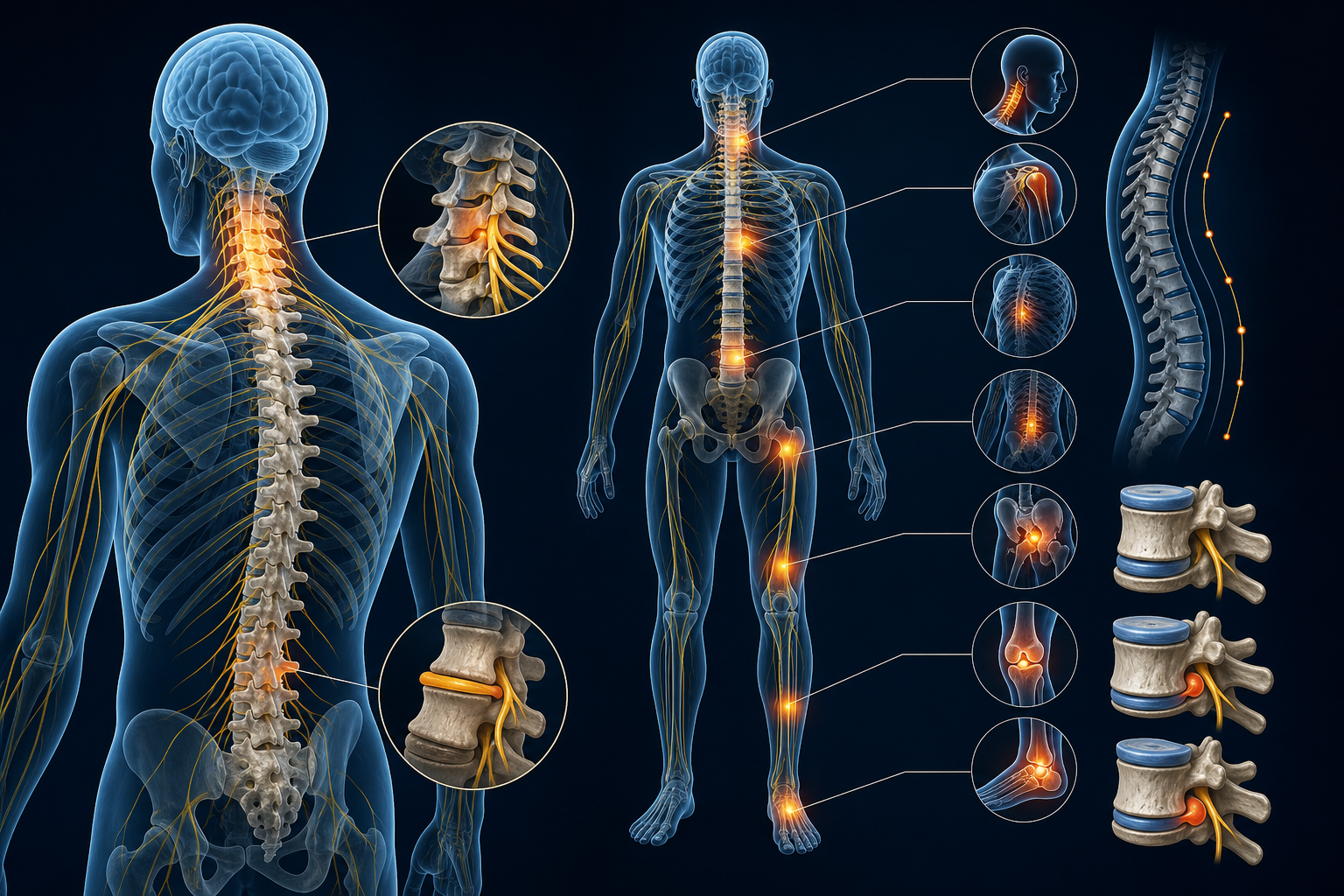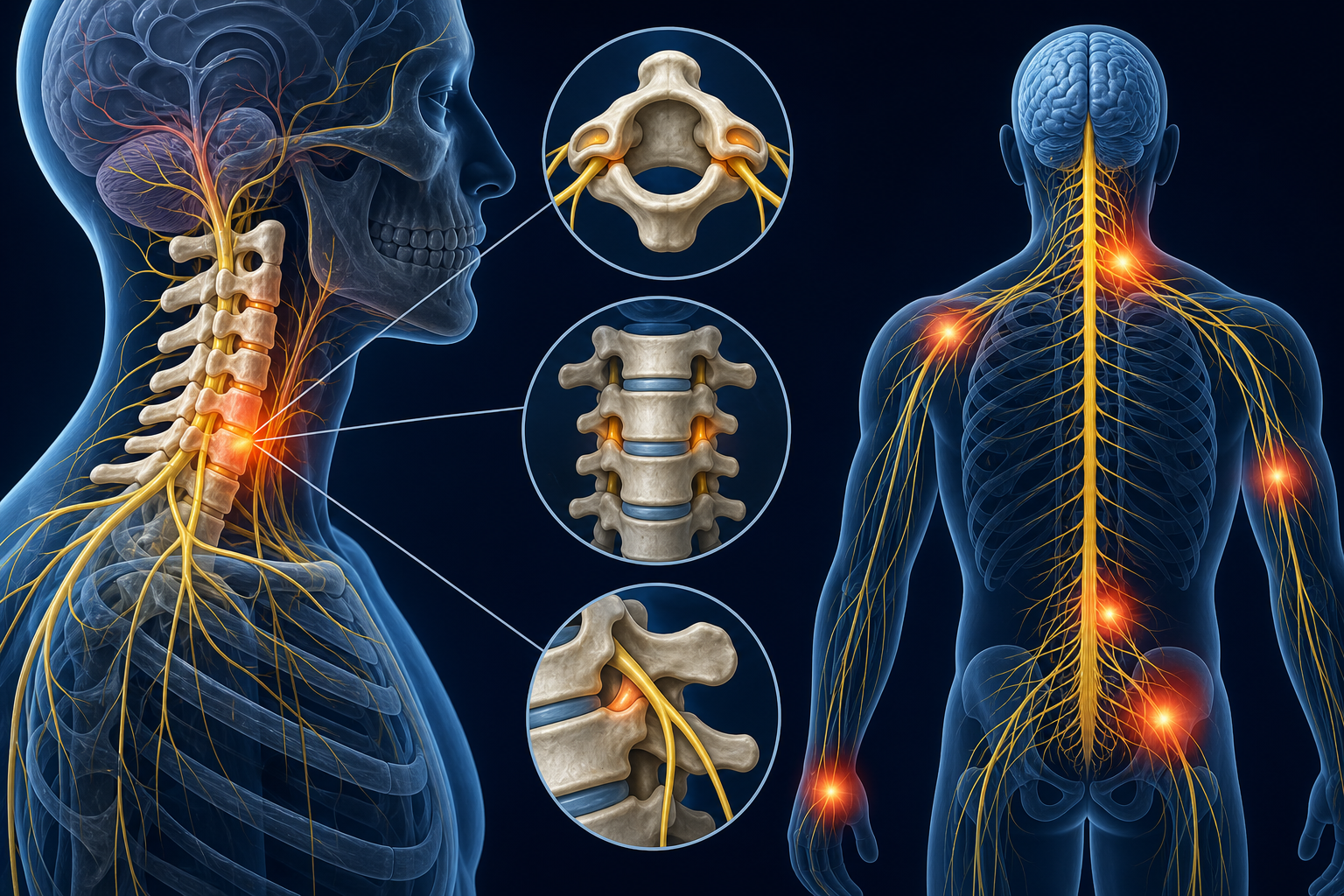
The best chiropractor in Los Angeles for you depends on your specific condition, the techniques you respond to, and practical factors like location, insurance, and language. LA County has over 4,000 licensed chiropractors — more per capita than almost any metro in the country. That density gives you options, but it also makes the selection process harder. This guide breaks down exactly what credentials to verify, which specialties match which conditions, and what questions to ask before you book.
What Makes a Great Chiropractor in Los Angeles
Knowing how to find a good chiropractor in Los Angeles starts with separating signal from noise. A great chiropractor does three things consistently: performs a thorough examination before any treatment, explains your diagnosis in terms you understand, and sets measurable recovery goals with a defined timeline.
Look for providers who take a functional assessment approach — testing your range of motion (ROM), evaluating posture under load, and identifying which specific spinal segments or peripheral joints are involved. A provider who adjusts you on the first visit without imaging or orthopedic testing is cutting corners.
- Evidence-based protocols: Treatment plans grounded in peer-reviewed research, not open-ended "come back three times a week forever" schedules.
- Transparent timelines: Most acute musculoskeletal complaints respond within 6–12 visits over 2–6 weeks. If you're not improving by visit 8, your provider should reassess or refer.
- Active care integration: The best outcomes combine spinal manipulation with prescribed therapeutic exercises, soft tissue work, and lifestyle modifications — not passive adjustments alone.
- LA-specific logistics: A practice near your commute route, open early or late to accommodate traffic patterns, with multilingual staff if needed. Los Angeles practices commonly offer Spanish, Korean, Farsi, and Mandarin.
A chiropractor who fits your schedule but doesn't fit your clinical needs won't deliver results. Start with credentials, then narrow by specialty, then filter by logistics.
Key Credentials and Qualifications to Look For
Every chiropractor practicing in California holds a Doctor of Chiropractic (DC) degree and has passed both National Board of Chiropractic Examiners (NBCE) Parts I–IV and the California state licensing exam. That baseline is non-negotiable — verify any provider's active license through the California Board of Chiropractic Examiners.
What "Board Certified" Actually Means
When patients search for a board certified chiropractor near me in Los Angeles, they typically mean a DC with postdoctoral diplomate status. These are advanced certifications earned through 300+ additional hours of study and examination in a subspecialty:
- DACBSP — Diplomate, American Chiropractic Board of Sports Physicians. Relevant for athletes and active individuals.
- DACRB — Diplomate, American Chiropractic Rehabilitation Board. Focused on rehab-intensive recovery from injuries.
- DABCO — Diplomate, American Board of Chiropractic Orthopedists. Specialized in complex musculoskeletal diagnosis.
- CACCP — Certified by the Academy of Chiropractic Family Practice. Relevant if you're considering chiropractic care for children.
Other Credentials Worth Checking
Qualified Mechanical Examiner (QME) status matters if your case involves workers' comp or auto injury claims — common in LA. Providers with Cox Flexion-Distraction certification or McKenzie Method credentials signal specific training in disc-related conditions. Ask about these directly; not all credentials appear on a provider's website.
Chiropractic Specialties: Matching the Provider to Your Condition
The biggest mistake patients make is treating chiropractic as one-size-fits-all. A chiropractor who primarily manages wellness maintenance may not be the right fit for a fresh auto-accident injury, and vice versa.
Your Condition Best Provider Specialty Key Techniques to Ask About Typical Timeline Auto-accident whiplash / neck injury Personal injury chiropractor (PI) Diversified, cervical traction, soft tissue mobilization 12–24 visits over 6–12 weeks Herniated disc (lumbar or cervical) Disc specialist / orthopedic chiropractor Cox Flexion-Distraction, McKenzie Method, spinal decompression 12–20 visits over 4–8 weeks Sports injury (shoulder, knee, ankle) Sports chiropractor (DACBSP) ART, Graston, kinesio taping, functional rehab 6–12 visits over 3–6 weeks Chronic low back pain (no acute injury) Rehab-focused DC or general practice DC Diversified, activator, stabilization exercises 8–12 visits, then monthly maintenance Headaches / migraines (cervicogenic) Upper cervical specialist NUCCA, Atlas Orthogonal, toggle recoil 6–10 visits over 4–6 weeks Pregnancy-related back pain Webster-certified chiropractor Webster Technique, prenatal-specific adjustments Ongoing through pregnancy, typically weeklyIf you need a chiropractor for a herniated disc in Los Angeles, confirm the provider has experience with disc cases specifically — ask how many disc patients they manage per month and what their referral criteria are if conservative care stalls. Similarly, a sports injury chiropractor in Los Angeles should have experience with your sport's movement demands, not just generic joint manipulation.
Providers who treat occipital neuralgia or tennis elbow use different examination and treatment approaches than a general wellness chiropractor. Matching matters.
What Questions Should You Ask Before Your First Appointment?
The questions to ask a chiropractor before your first visit tell you more than any website bio. Call the practice — a good front desk can answer most of these in two minutes.
- "What technique does the doctor primarily use?" — If they can't name specific techniques (Diversified, Gonstead, Thompson, Activator), that's a red flag.
- "Do you take X-rays or order imaging before adjusting?" — For new patients with trauma history or radiculopathy symptoms, imaging should precede manipulation.
- "What does a typical treatment plan look like for [your condition]?" — Expect a number range (e.g., "8–12 visits over 4 weeks"), not vague promises.
- "Do you incorporate rehab exercises or just manual adjustments?" — Research consistently shows better outcomes when adjustments are paired with active rehabilitation.
- "Do you accept my insurance / offer a cash rate?" — In LA, many PPO plans cover chiropractic. HMO plans may require a referral. Ask about the per-visit cash rate if you're uninsured — typical LA range is $65–$150 per adjustment visit.
- "What would cause you to refer me out?" — A provider who never refers is a provider who treats outside their scope. Look for someone who collaborates with PTs, pain management specialists, and orthopedists when needed.
For a deeper breakdown on choosing the right provider, see our guide to finding the right chiropractor.
What Happens at Your First Chiropractic Appointment?
Here is what happens at your first chiropractic appointment in a well-run LA practice — the entire visit typically takes 45–60 minutes.
Intake and History
You'll complete paperwork covering your health history, current symptoms, and any prior imaging. The provider then takes a detailed history: mechanism of injury, symptom pattern (constant vs. intermittent), aggravating and relieving factors, and previous treatments. Bring any existing MRI or X-ray reports.
Examination
A thorough chiropractic exam includes orthopedic tests (Kemp's, straight leg raise, Spurling's), neurological screening (dermatome testing, deep tendon reflexes, muscle strength grading), and palpation of the paraspinal musculature, facet joints, and sacroiliac joints. Many LA providers use digital posture analysis or functional movement screening as well.
First Treatment
Depending on findings, you may receive your first adjustment on the same day or the provider may schedule you for a report of findings on visit two. Both approaches are clinically acceptable.
Is it normal to be sore after a chiropractic adjustment? Yes. Mild soreness in the adjusted area — similar to post-exercise muscle fatigue — is common for 12–48 hours after your first 1–3 visits. This is a normal tissue response, not a sign of injury. Ice for 10–15 minutes if needed.
Research published in the Journal of Manipulative and Physiological Therapeutics reports that approximately 50% of chiropractic patients experience mild transient soreness after their first adjustment, with symptoms resolving within 24 hours in the vast majority of cases.
Red flag — seek emergency care immediately: If you experience sudden severe headache, loss of bladder or bowel control, progressive weakness in both legs, or difficulty speaking after any spinal treatment, go to the nearest emergency room. These symptoms are extremely rare but require immediate evaluation.
How Can Patient Reviews Help You Evaluate a Chiropractor?
Knowing how to read chiropractor reviews online separates useful feedback from noise. Focus on patterns, not individual reviews.
- Look for clinical specifics: Reviews mentioning specific conditions ("fixed my sciatica after 8 visits," "helped my L4-L5 disc issue") carry more weight than generic praise.
- Check for consistency: Ten reviews mentioning long wait times matters. One doesn't.
- Note negative patterns: Repeated mentions of high-pressure sales tactics, unnecessary long-term care plans, or refusal to refer are disqualifying signals.
- Verify volume and recency: A provider with 200+ reviews accumulated over several years shows sustained patient satisfaction. A cluster of 30 reviews in one week may indicate solicitation campaigns.
- Cross-reference platforms: Check Google, Yelp, and provider directories. Consistent ratings across platforms are more reliable than a single high score on one site.
Reviews are one data point. Combine them with credentials, technique fit, and your in-person experience during the first visit.
When Should You See a Chiropractor vs. Another Provider?
The question of chiropractor vs. orthopedic doctor for back pain comes up constantly. The answer depends on your symptoms, duration, and whether neurological deficits are present.
Chiropractic care is a strong first-line option for:
- Acute and chronic low back pain without progressive neurological loss
- Cervical and thoracic spine pain, including neck injuries
- Tension headaches and cervicogenic migraines
- SI joint dysfunction, piriformis syndrome, and facet joint irritation
- Natural treatment for lower back pain without surgery — the American College of Physicians recommends non-pharmacologic therapies including spinal manipulation as first-line treatment for acute and chronic low back pain
Consider a different provider first if you have:
- Progressive muscle weakness or leg numbness that is worsening
- Suspected fracture (high-impact trauma, osteoporosis history)
- Symptoms that haven't improved after 4–6 weeks of conservative care
- Fever with back pain (possible infection — see a physician immediately)
Many LA chiropractors work in multidisciplinary practices alongside physical therapists and acupuncturists, which streamlines referrals when your condition needs a combined approach.
A Home Exercise You Can Start Today
While you're searching for a provider, this prone press-up (McKenzie extension) can help with centralization of lumbar disc pain:
- Lie face down on a firm surface with your palms flat near your shoulders.
- Slowly press your upper body up, straightening your elbows while keeping your hips and pelvis on the surface.
- Hold the top position for 2–3 seconds. Your low back should arch — this is intentional.
- Lower slowly. Repeat 10 times, every 2–3 hours.
- Stop immediately if pain increases in your leg below the knee. That indicates this direction of movement isn't appropriate for your specific disc issue.
This exercise is not a substitute for professional evaluation — it's a safe starting point for most non-specific low back pain presentations.
What to Do Next
You now know what credentials to verify, which specialty matches your condition, and what to ask before booking. The next step is straightforward.
- Search by your condition and location. Find a chiropractor near you through the Medximity directory — filter by specialty, insurance accepted, and patient ratings.
- Call 2–3 practices. Use the six questions above. Compare answers.
- Book with the provider whose technique and experience match your specific issue. Top-rated chiropractors accepting new patients in Los Angeles typically book 3–7 days out, so don't wait if you're in acute pain.
- Bring your imaging and prior records to your first visit. This saves time and prevents duplicate testing.
If you're unsure whether chiropractic care is the right starting point, or you want to understand the best time to see a chiropractor, start by exploring more health topics on Medximity or browsing providers in your area to review credentials and specialties before committing to an appointment.