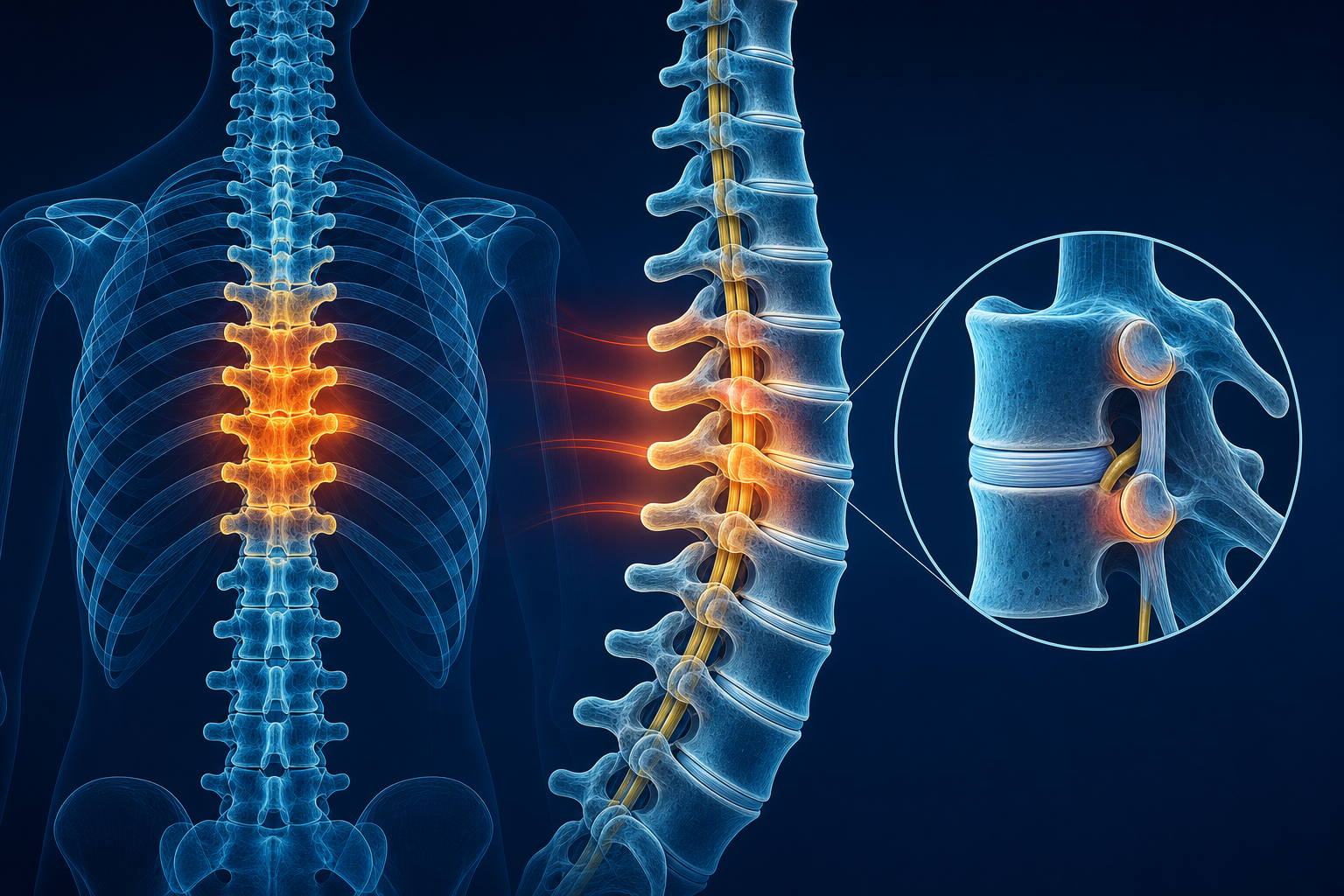
Ankylosing spondylitis (AS) is a degenerative inflammatory disease of the spine, rib and hip joints. The joints become fused together, reducing mobility, causing pain and a hunched posture. Unfortunately, there is no cure for this condition at the present. What healthcare professionals focus on is helping patients have a good quality of life and reduce pain. In this respect, chiropractic for ankylosing spondylitis is a complementary therapy worth considering.
What Are the Causes of Ankylosing Spondylitis?
So far, researchers have identified a gene, called HLA-B27, which increases the risk of developing this condition. However, many other people who do not have this gene also suffer from ankylosing spondylitis.
What is certain is that men are more likely to suffer from this condition than women. Its onset occurs in the late teens and early twenties and advances progressively. Thus, in order to benefit from the results of chiropractic for ankylosing spondylitis, it is important to note the first symptoms of the condition and seek professional care.
The Most Frequent Symptoms and Affected Areas by Ankylosing Spondylitis
The early symptoms of ankylosing spondylitis are:
• Neck pain
• Fatigue
• Stiffness in the lower back and hips – especially after waking up or periods of inactivity.
The fusing of the joints is more likely to occur in the following areas:
• Between the base of the spine and the pelvis
• In the lumbar (lower) spine
• Between the breastbone and the ribs
• The shoulder and hip joints.
Is Chiropractic for Ankylosing Spondylitis Effective?
In short, yes, specific chiropractic manipulations work in helping patients reduce pain and improve their mobility. In a study conducted in 2017 on patients with inactive ankylosing spondylitis, researchers found that chiropractic helped them improve mobility and musculoskeletal function.
Chiropractors agree that the care for patients with AS should be a joint effort from various healthcare specialties, including your rheumatologist. By combining anti-inflammatory treatment with specific adjustments, patients can look forward to an active life, and a delayed full onset of the symptoms of ankylosing spondylitis.
How Chiropractic for Ankylosing Spondylitis Works
Experienced chiropractors know that forceful manipulations must be avoided, because they can do more harm than good. However, chiropractic involves a large range of adjustments and manipulations, adequate for various conditions.
For instance, the Activator Methods rely on low force adjustments and rotation movements that promote flexibility in the area affected by bone fusion, without causing injury. Chiropractic for ankylosing spondylitis also involves:
• Massage
• Heat application
• Using the TENS unit (a device that uses mild electrical current to relieve pain).
The Chiropractor Will Help You Improve Your Lifestyle
Living with AS is a challenge, but you are not alone along this journey. Your chiropractor will look into all the possible ways of helping you delay and minimize the symptoms of your condition.
This is also a part of chiropractic for ankylosing spondylitis, the long term care that aims to improve your quality of life. The chiropractor may advise you to:
• Use an ergonomic chair at the desk
• Improve your posture and gait
• Use a mattress and pillow that offer you optimal support during sleep
• Do exercises and stretching, following a specialized routine that strengthens your muscles and improves mobility.
Chiropractic for ankylosing spondylitis in conjunction with your regular treatment plan can help you live free of pain and enjoy a higher quality of life. Find a chiropractor near you in our online directory and book your first appointment!