Shoulder Pain in Fountain Inn: What This Guide Covers
If you are searching for back in motion fountain inn shoulder pain, you may be looking for local, conservative options to understand shoulder discomfort and decide what type of provider to contact. Shoulder pain can come from the shoulder joint itself, nearby muscles and tendons, the neck, the upper back, or daily movement habits. This guide is educational and does not diagnose your symptoms. It explains common patterns, red flags, and what to discuss with a qualified healthcare professional near Fountain Inn.
What Shoulder Pain Can Feel Like
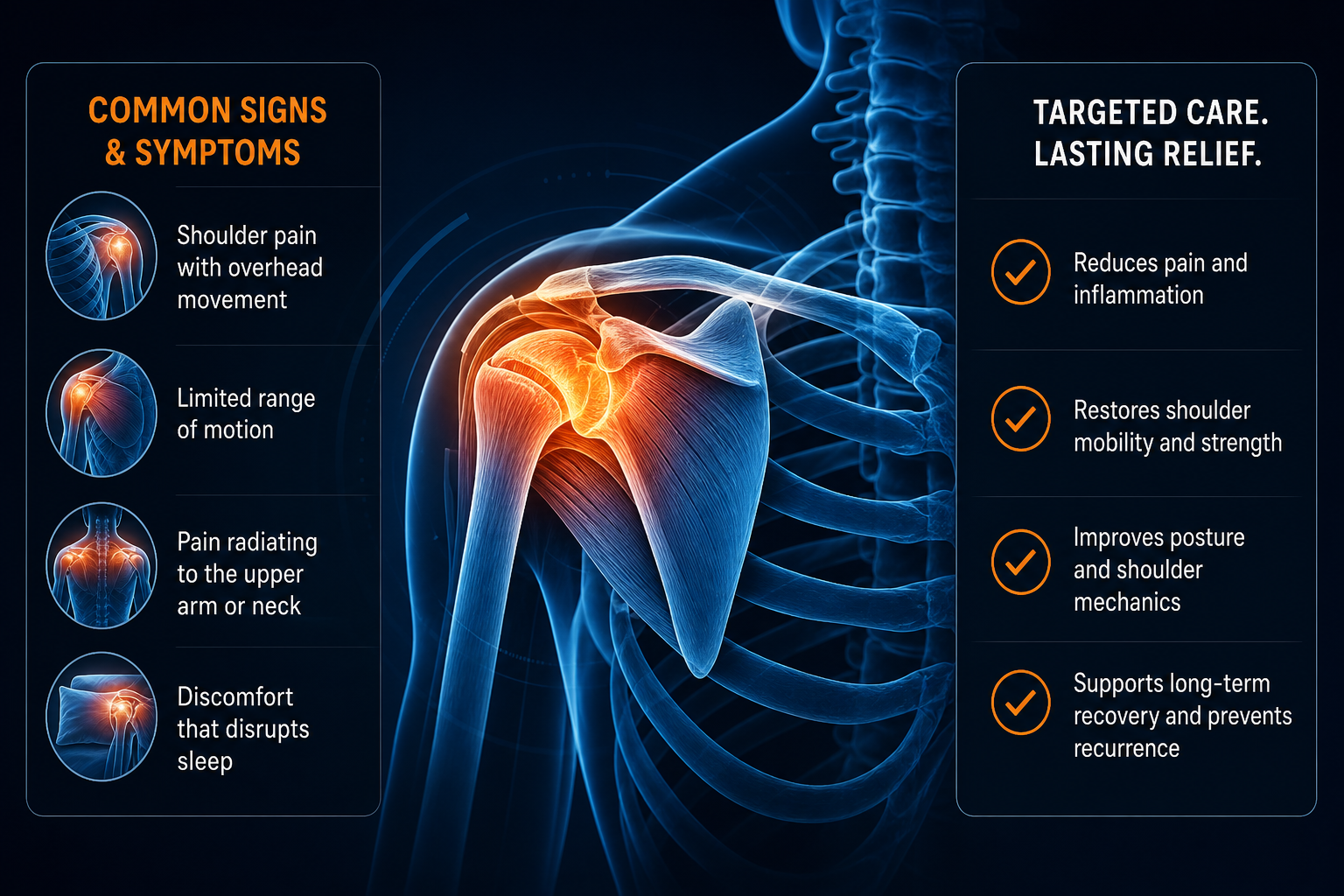
Shoulder pain is not the same for everyone. Some people notice a dull ache across the front or side of the shoulder. Others feel sharp pain during reaching, pulling, pushing, or carrying. Shoulder pain when lifting arm overhead is a common reason people seek care because it affects work tasks, exercise, dressing, grooming, and household activities.
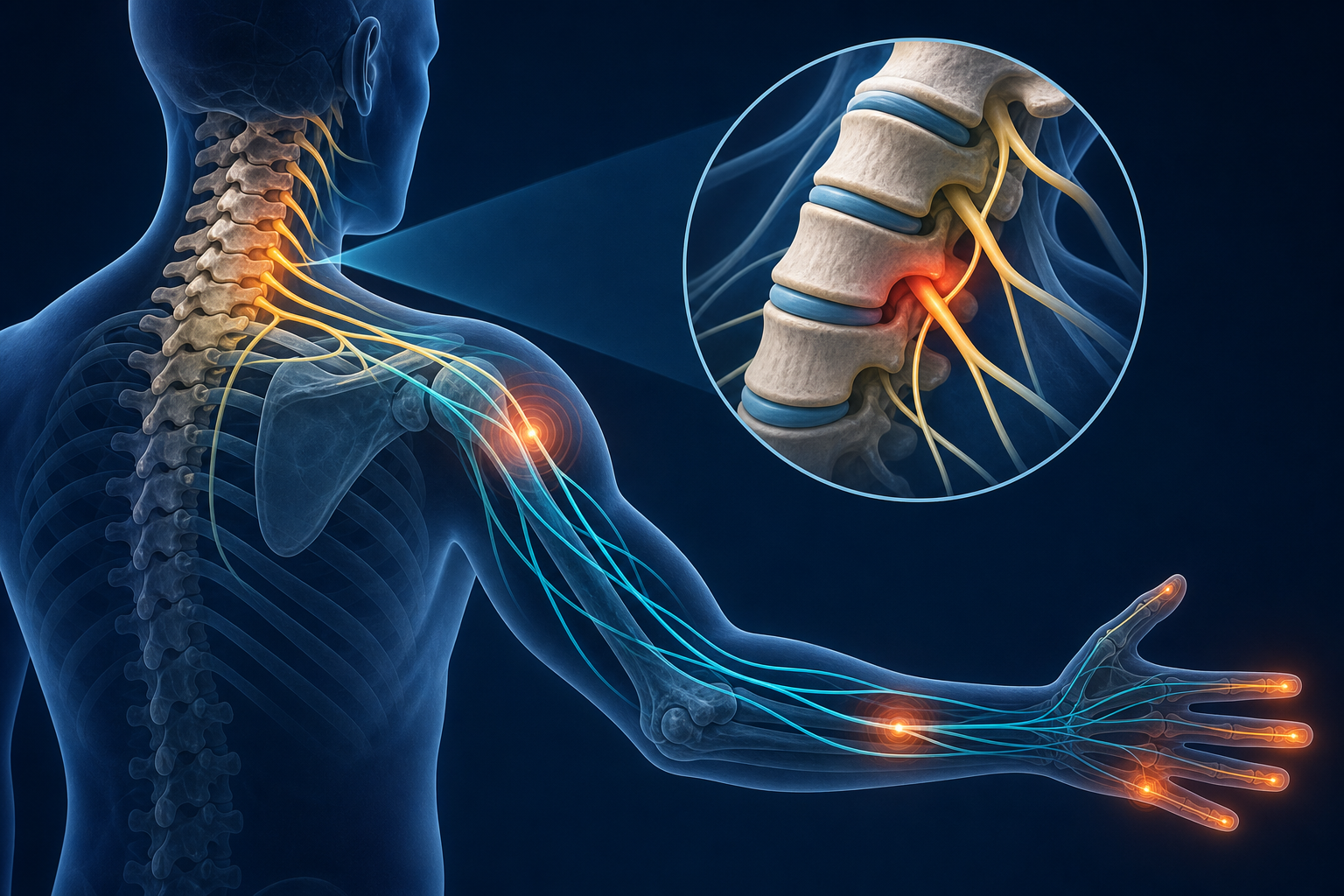
Symptoms may also include stiffness, clicking, a sense of weakness, tightness in the neck or upper back, or discomfort that travels toward the upper arm. These patterns do not point to one single cause on their own, which is why a hands-on evaluation and movement assessment can be helpful.
Common Reasons People Develop Shoulder Pain
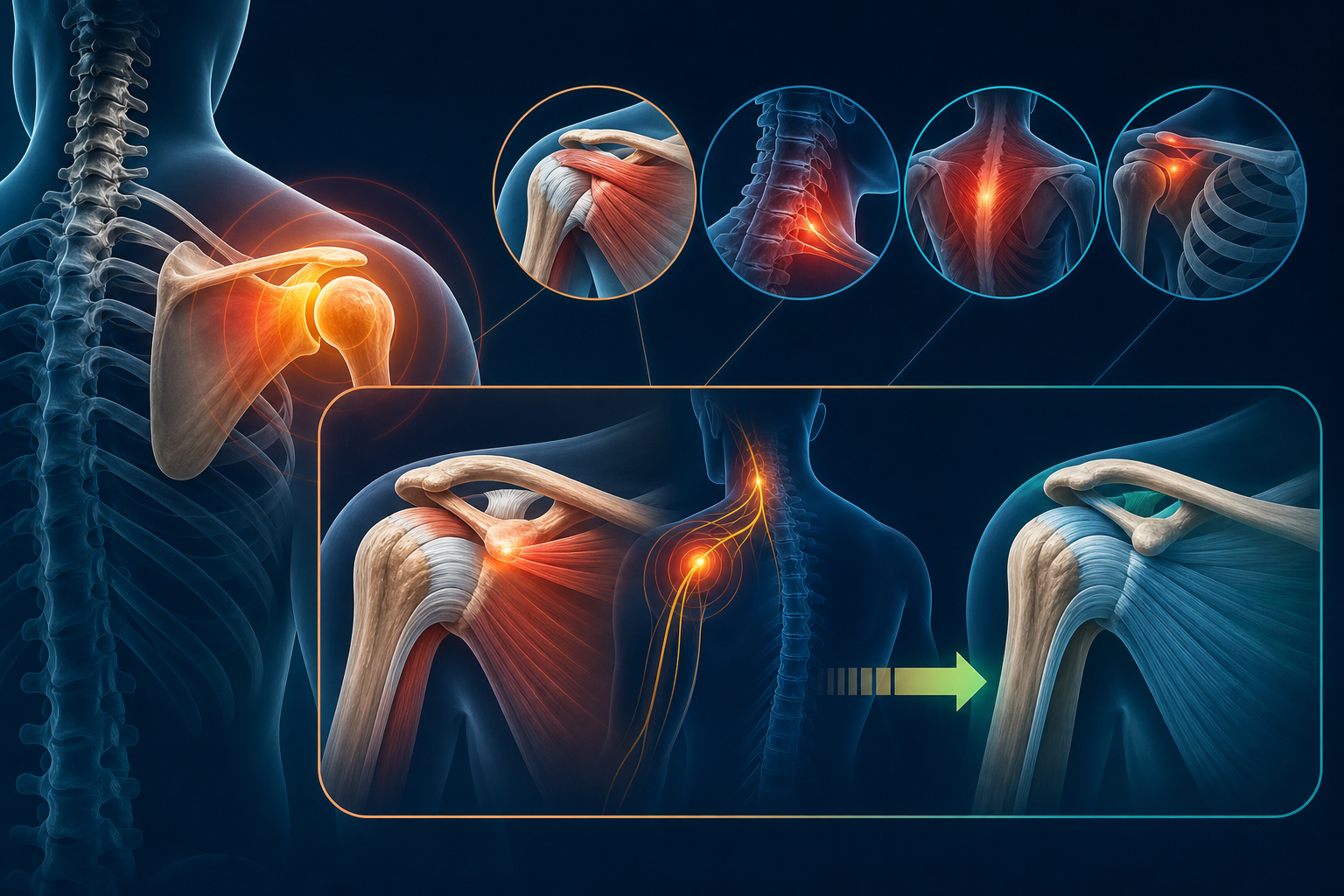
Many patients ask what causes shoulder pain with movement. Possible contributors include irritation of the rotator cuff tendons, limited shoulder blade control, joint stiffness, muscle guarding, upper back mobility restrictions, repetitive overhead activity, recent changes in exercise, or strain after a fall or lifting incident. Neck-related irritation can also create symptoms that feel like shoulder or upper arm pain.
Daily habits may contribute as well. Long periods at a desk, frequent phone use, driving posture, sleeping position, and repeated reaching can influence the shoulder, neck, and upper back. The cause may be simple for some people and more layered for others, so individualized assessment matters.
When Shoulder Pain Needs Urgent Medical Evaluation
Knowing when shoulder pain needs urgent care is important. Seek immediate medical evaluation if shoulder pain occurs with chest pain, shortness of breath, fainting, sudden severe symptoms, or pain after significant trauma. Prompt care is also appropriate for a visible deformity, inability to move the arm after an injury, sudden weakness, new numbness, spreading redness, fever, or signs of infection.
These red flags do not mean every shoulder symptom is an emergency. They do mean that some symptoms require immediate medical attention rather than waiting for a routine conservative care visit.
How Conservative Providers Evaluate Shoulder Pain
A conservative shoulder evaluation usually begins with a history of when symptoms started, what movements aggravate them, what activities are limited, and whether there was an injury. The provider may observe posture, shoulder range of motion, neck movement, shoulder blade mechanics, strength, and functional tasks such as reaching or lifting.
The goal is not just to label pain, but to understand how the shoulder and surrounding regions are moving. If the provider sees signs that the issue may need additional medical evaluation, they can discuss an appropriate referral pathway.
Chiropractic Care for Shoulder and Upper Back Mechanics
Chiropractic care for shoulder and upper back pain may focus on the relationship between the neck, thoracic spine, ribs, shoulder blade, and shoulder joint. A chiropractor may assess joint mobility, soft tissue tension, posture, and movement coordination. Conservative care may include manual therapy, mobility work, corrective exercises, ergonomic coaching, and activity modification.
This approach may help some people move more comfortably, especially when shoulder symptoms are associated with neck stiffness, upper back restriction, or poor shoulder blade control. For related reading, Medximity has resources on neck pain treated by chiropractic doctors and the link between headaches and back pain, both of which discuss how connected regions can influence discomfort.
Physical Therapy and Exercise-Based Rehabilitation
People searching for physical therapy for shoulder pain near me are often looking for a plan that restores strength, mobility, and confidence with daily movement. A physical therapy visit may include range-of-motion testing, strength assessment, movement analysis, education, and a progressive exercise plan.
Exercise-based rehabilitation may include shoulder blade control, rotator cuff strengthening, mobility drills, and gradual return to reaching, carrying, or recreational activity. The right plan depends on the person, the irritability of symptoms, goals, work demands, and how the shoulder responds over time.
Massage Therapy, Mobility Work, and Soft Tissue Support
Massage therapy for shoulder muscle tightness may be considered when the area feels guarded, tense, or overloaded from work, exercise, stress, or protective movement patterns. Soft tissue care may focus on the upper trapezius, pectoral region, posterior shoulder, upper back, or neck muscles.
Massage therapy is often most useful when paired with movement education, stretching, strengthening, or ergonomic changes. Muscle tightness may be part of the picture, but shoulder discomfort can involve multiple tissues and movement patterns. A qualified provider can help determine whether soft tissue care fits your situation.
Posture, Ergonomics, and Daily Movement Habits
Posture is not about holding one perfect position all day. It is about giving the shoulder, neck, and upper back enough variety and support. Small adjustments to monitor height, chair setup, keyboard position, driving posture, and how often you change positions may reduce unnecessary strain for some people.
Posture exercises for shoulder discomfort may include gentle upper back mobility, shoulder blade retraction control, doorway stretching, breathing mechanics, and light strengthening. These should be matched to your symptoms and tolerance. Medximity also offers workplace-focused guidance in Ensuring Safety and Preventing Back Pain at Work, which may be useful for readers thinking about ergonomics more broadly.
How to Find a Shoulder Pain Provider Near Fountain Inn
When looking for a shoulder pain provider near Fountain Inn, consider the type of care you want and the activities you need to return to. Chiropractic, physical therapy, massage therapy, and exercise-based rehabilitation may all play a role in conservative shoulder care, but they do not all provide the same services.
If your search started with back in motion fountain inn shoulder pain, review local provider information carefully. Look for experience with shoulder and upper back concerns, clear explanations of evaluation methods, conservative treatment options, and a willingness to refer when symptoms fall outside the provider’s scope. A shoulder-specific search can be more useful than a generic back or neck pain search because it focuses on overhead motion, reaching, lifting, and shoulder blade mechanics.
What to Bring to Your First Visit
If you are wondering what to expect at shoulder pain appointment, plan to describe your symptoms clearly. Bring a list of movements that bother you, activities you have changed, prior injuries, relevant imaging reports if you already have them, and the goals that matter most to you. Examples include lifting a child, returning to gym exercises, sleeping on one side, working overhead, or carrying tools.
Wear clothing that allows comfortable shoulder movement. Be ready to discuss whether symptoms are improving, worsening, or staying about the same. If you have related neck, upper back, or arm symptoms, mention those too.
Questions to Ask Before Starting a Care Plan
Useful questions to ask shoulder pain provider include: What movements appear most limited? What findings suggest the shoulder, neck, or upper back may be contributing? What conservative options fit my goals? How will progress be measured? Which activities should be modified while symptoms are irritated? What signs would suggest I should seek additional medical evaluation?
You can also ask how home exercises will be selected, how often they may be updated, and what role hands-on care, strengthening, mobility work, or posture coaching may play. For broader context on musculoskeletal pain education, see Medximity’s guide on where lower back pain may come from.
Educational disclaimer: This article provides general educational information and is not a diagnosis or a substitute for professional medical advice. Shoulder symptoms vary, and individualized care should be discussed with a qualified healthcare professional. If you have red-flag symptoms, seek appropriate immediate medical evaluation.
This article is for educational purposes only and is not a substitute for professional medical advice, diagnosis, or treatment. Always consult a qualified healthcare provider about your specific condition. If you may be experiencing a medical emergency, call 911 or seek emergency care immediately.