Find a Provider Community Forum
For Providers For Attorneys
Sign In

A Chiropractor Explains the Dangers of Tech Neck

A Chiropractor Explains the Dangers of Tech Neck

Key Takeaways

  • Tech neck develops from repeatedly tilting the head forward to look at phones and laptops, placing up to 60 pounds of extra force on the cervical spine.
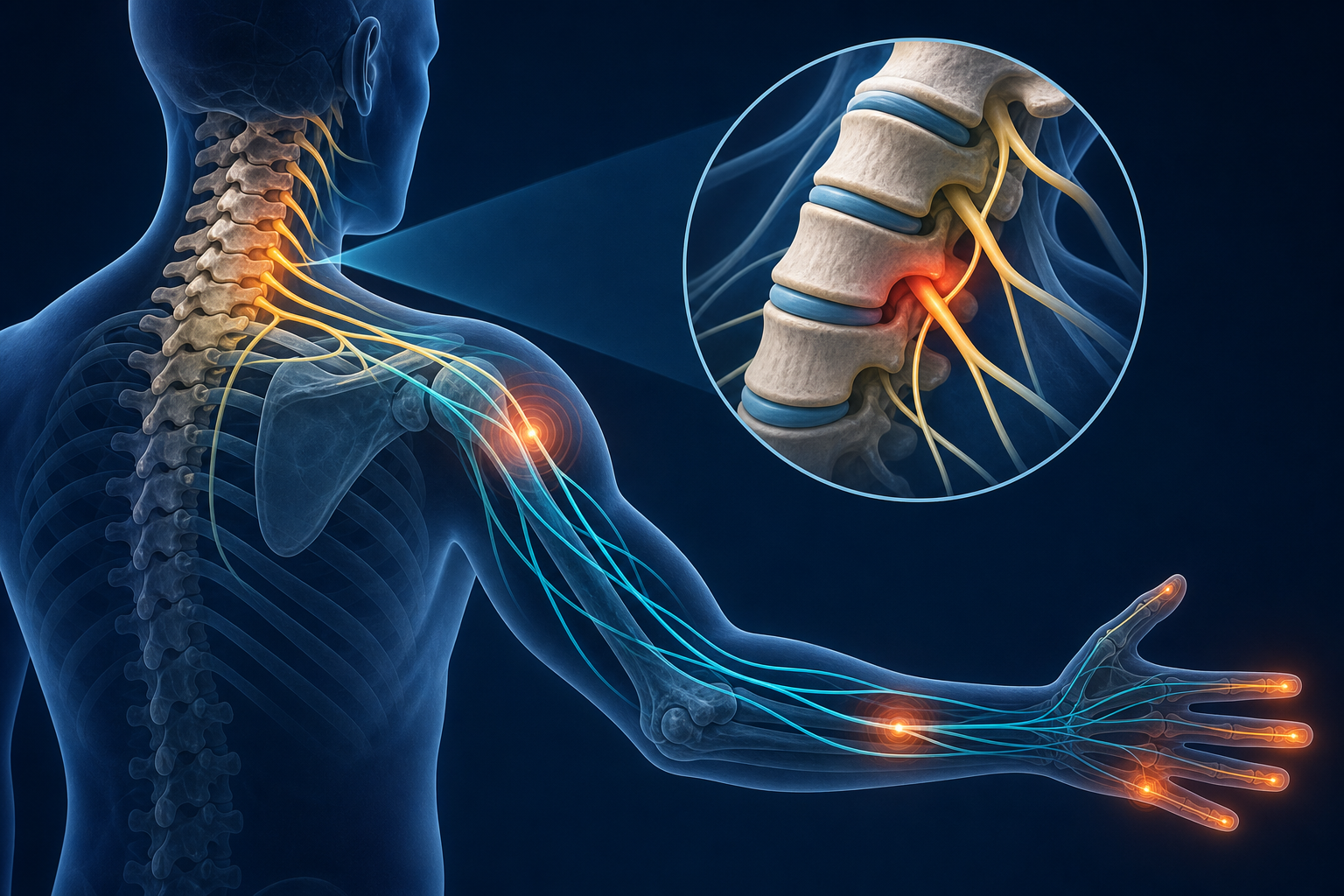
  • Common symptoms include chronic neck pain, upper back tension, headaches, and in advanced cases, numbness or tingling in the arms and hands.
  • Children and teenagers are especially vulnerable because their spines are still developing, making early intervention more important.
  • Left unaddressed, tech neck can accelerate cervical disc degeneration and lead to long-term postural changes.
  • Chiropractic care, postural correction exercises, and simple screen habit adjustments can help reduce and prevent tech neck symptoms.

The tech neck is one of the most recent health issues we developed. A mere decade ago, the term did not exist and there were very few rare cases. Now, with everyone bending over a smartphone or a laptop, it has become a common issue among children, teenagers and young adults who use smart gadgets on a daily basis. But what are the true dangers of tech neck? Should you really be worried about it? A chiropractor will explain everything you need to know in this article.

What Exactly Is Tech Neck?

Tech neck is a constant strain on the upper cervical vertebrae and the neck muscles by bending your head forward to look at a device. Specialists calculate that most people bend their head at a 60 degree angle to use a smartphone or game console.

Thus, the weight of the head (10-12 pounds) is actually perceived as a 60-pound load. That’s the equivalent of carrying an 8-year old child hanging by your neck. In time, with an average 5.4 hours spent using a smartphone (that’s what statistical data say), a person will develop an unnatural curvature in the upper spine.

But that is not all. Tech neck puts extra pressure on the neck muscles and ligaments. And, in time, a secondary unnatural curvature will form in the mid section of the spine, as the body tries to adapt to the unhealthy posture of the head.

Chiropractors Explain the Symptoms of Tech Neck

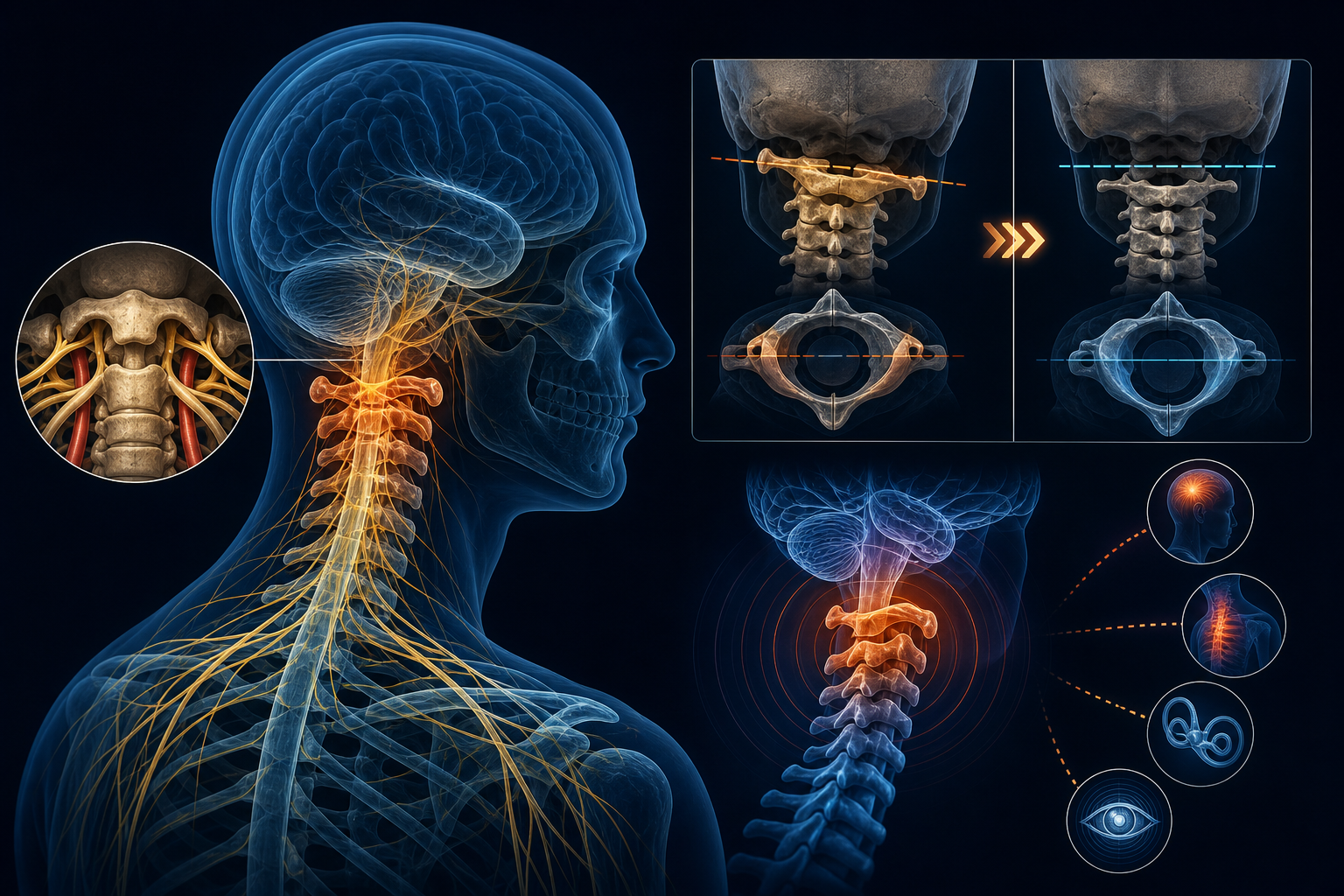
What is the effect of an unnatural position of the upper spine on your health? The answer is: the negative effects are many and they will reflect in every aspect of your life. The first symptoms of tech neck are:
•    Neck pain and stiffness
•    Ringing in the ears (tinnitus)
•    Dizziness
•    Muscular weakness.

Left untreated, tech neck will result in a permanent abnormal curvature of the spine, affecting your overall posture while standing and sitting. In turn, it will lead to chronic pain, with its multiple negative impacts:
•    Poor sleep
•    Fatigue
•    Lack of ability to focus on a task
•    Depression and anxiety.

All these issues stem from ignoring the fact that using smart devices without maintaining a correct posture has a negative impact on your life and health.

Can Chiropractic Help with Tech Neck?

Chiropractors specialize in many health issues stemming from misalignments of the spine. Tech neck is one of them. Over the last 5-10 years, the chiropractic field has evolved to offer safe and non-invasive solutions for health issues caused by tech neck.

A chiropractor can restore the natural position of the upper spine with careful adjustments. Massages will help reduce tension in muscles and strengthen them, as well. Also, a chiropractor who knows the dangers of tech neck will teach you how to keep a correct posture at all times.

Is Chiropractic Recommended for Children?

Unfortunately, the dangers of tech neck are even more severe for children and teenagers. Generation Z was practically born with a smartphone in their hands. And as the unnatural curve forms while the child’s body is developing, the effects are more serious and long lasting.

However, you can safely bring your child to a chiropractor to resolve tech neck. Specialists are trained to apply different techniques to various categories of patients, such as:
•    Children
•    Athletes
•    Pregnant women
•    Elderly persons.

Also, chiropractors have a great bedside manner when talking to children about the dangers of tech neck and showing them how to use their mobile phone without risks to their health.

If you are using smart devices for a few hours every day, you may be at risk to suffer the dangers of tech neck. We encourage you to find a chiropractor near you in our online directory and schedule an evaluation appointment!
Medical Disclaimer: This article is for informational purposes only and does not constitute medical advice, diagnosis, or treatment. Always consult a qualified healthcare provider for personalized medical guidance. If you are experiencing a medical emergency, call 911 or your local emergency number immediately.

Frequently Asked Questions

What is tech neck and what causes it?
Tech neck is a postural condition caused by repeatedly bending the head forward and downward to look at smartphones, tablets, or laptops. For every inch the head tilts forward, the effective weight on the cervical spine increases significantly — reaching up to 60 pounds at a 60-degree angle. Over time, this sustained stress strains the muscles, ligaments, and discs of the neck.
What are the most common symptoms of tech neck?
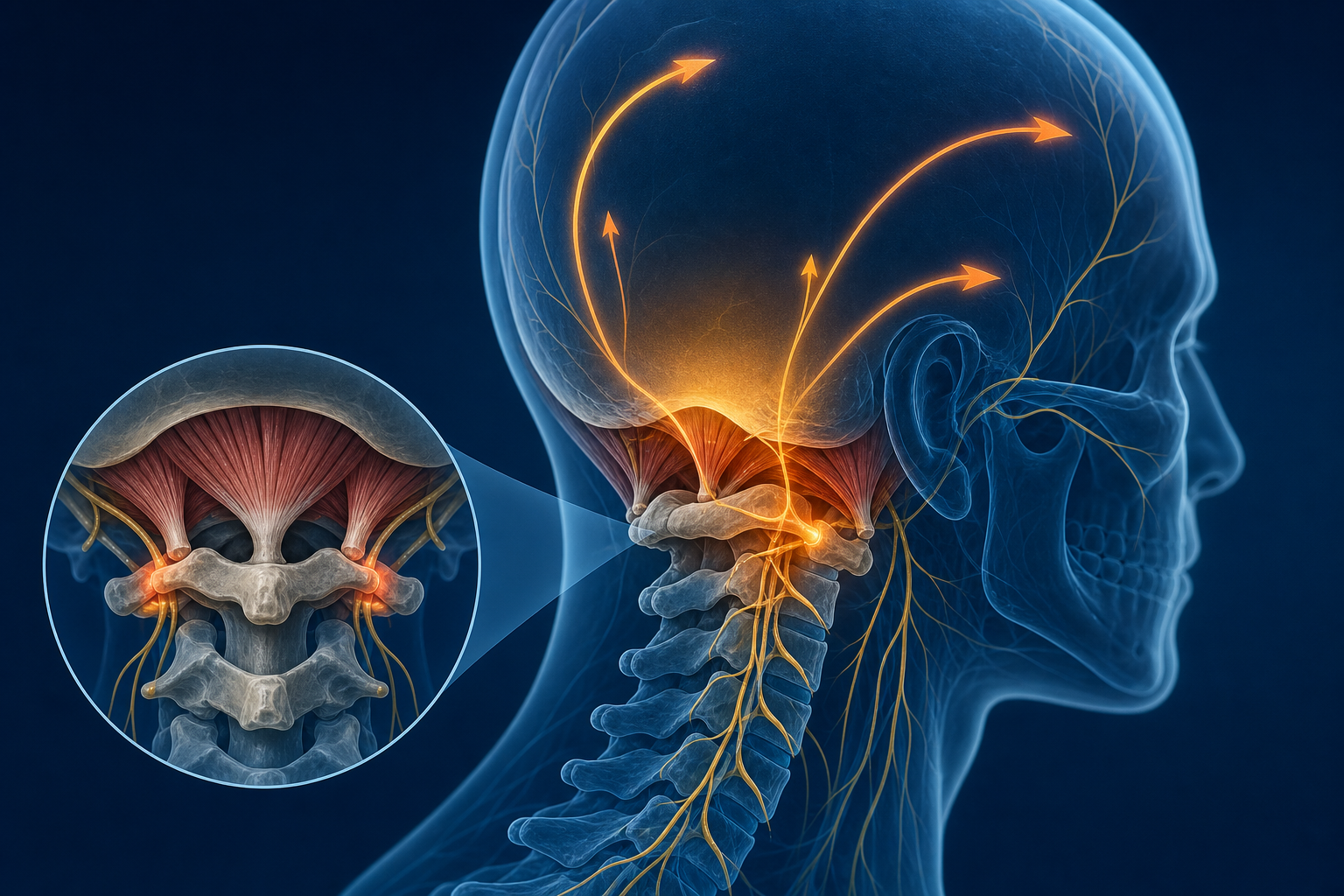
The most common symptoms include chronic neck pain and stiffness, upper back and shoulder tension, frequent headaches, and a forward head posture that becomes visible over time. In more advanced cases, people may experience numbness, tingling, or weakness in the arms and hands due to nerve irritation in the cervical spine.
Can tech neck cause permanent damage?
Yes, if left unaddressed, tech neck can contribute to lasting structural changes. Prolonged forward head posture may accelerate cervical disc degeneration, reduce the natural curve of the neck, and cause chronic muscle imbalances. Early care and postural correction are key to preventing these long-term effects from becoming permanent.
How can a chiropractor help with tech neck?
A chiropractor can assess the degree of postural change and spinal stress involved, then develop a care plan that may include spinal adjustments to restore cervical alignment, soft tissue work to release tight muscles, and corrective exercises to strengthen the deep neck flexors and upper back. Many patients experience reduced pain and improved posture with consistent care.
Are children at greater risk for tech neck than adults?
Yes. Children and teenagers are at higher risk because their spines are still developing. Sustained poor posture during growth years can influence how the spine forms, potentially leading to more pronounced postural problems in adulthood. Limiting screen time, encouraging movement breaks, and teaching proper device positioning are especially important for younger users.
What can I do at home to relieve tech neck symptoms?
Raising your screen to eye level is one of the most effective changes you can make. Taking a short movement break every 30 minutes, performing chin tucks and shoulder blade squeezes, and stretching the chest and upper trapezius muscles can all help. Strengthening the deep neck flexors through targeted exercises also supports better posture over time.

We use first-party cookies to run this site and understand how patients find us. Privacy