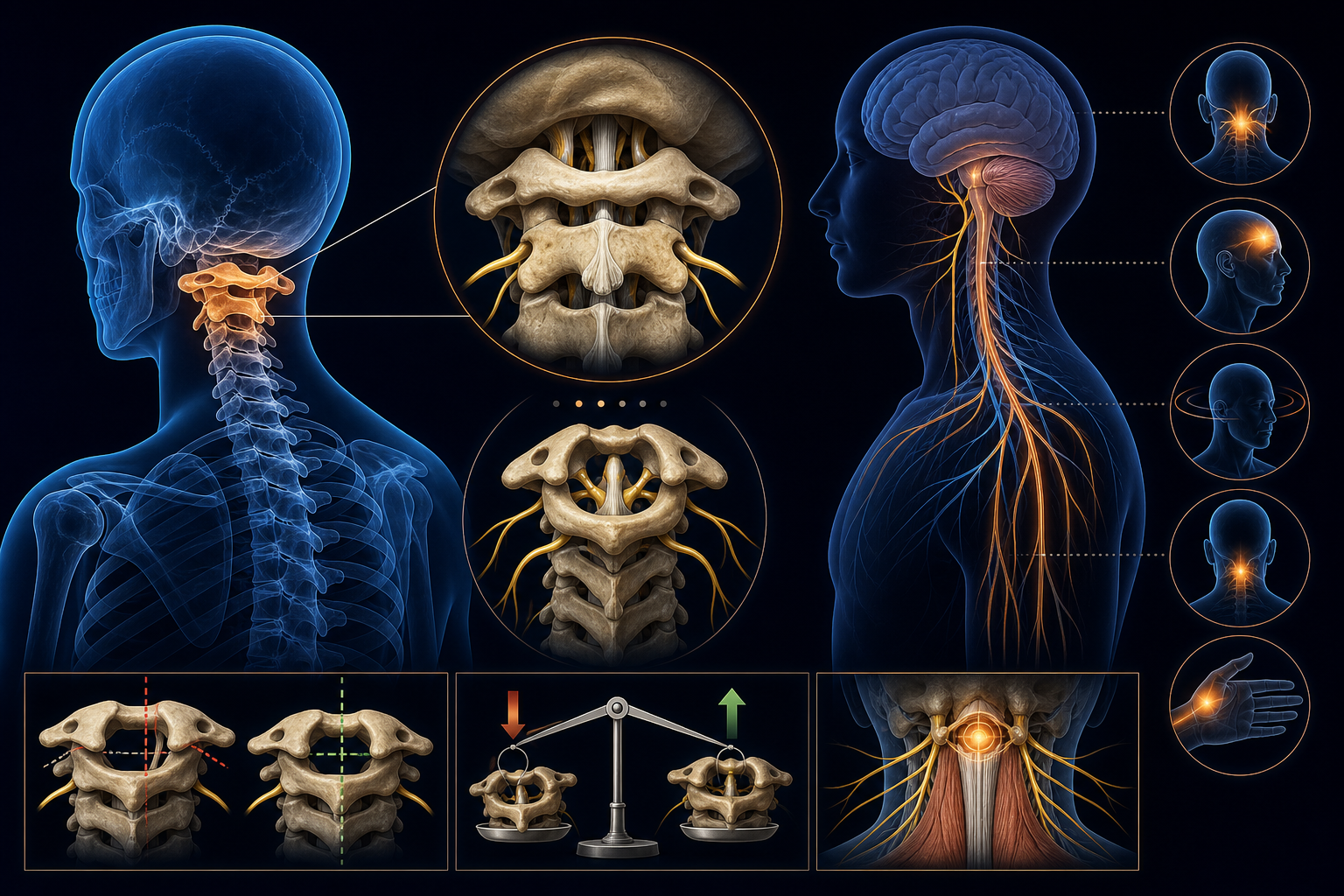
If your neck has been aching for more than a few days — or if a sharp, persistent stiffness keeps coming back — you are not alone. Neck pain is one of the most common musculoskeletal complaints seen in chiropractic and physical therapy offices across the country. Clinically, it is often documented as cervicalgia, a term that simply means pain in the cervical spine — the seven vertebrae that stack from the base of your skull to the top of your shoulders.
Cervicalgia can be mild and short-lived, or it can become a chronic condition that interferes with sleep, concentration, and daily movement. Knowing what the symptoms actually look like, what tends to cause them, and which conservative treatment paths are available can help you have a more informed conversation with a qualified provider — and help you avoid letting manageable pain quietly escalate.
What Is Cervicalgia? A Plain-Language Definition
Cervicalgia is not a diagnosis in the way that a herniated disc or a fracture is a diagnosis. It is a descriptive term — essentially a label that says \"this person has pain in the neck region\" — and it appears frequently in clinical notes, insurance coding, and referral letters. The underlying cause still needs to be identified through examination and, when warranted, imaging.
The cervical spine is a remarkably mobile structure. It houses the spinal cord, supports the full weight of the head (which typically weighs between 10 and 12 pounds), and allows the wide range of rotation and flexion that lets you look left, right, up, and down. That mobility comes at a cost: the cervical region is vulnerable to postural strain, repetitive stress, acute injury, and the gradual wear that accumulates over years of movement and loading.
When any of the structures in that region — the vertebral joints, the intervertebral discs, the surrounding muscles, the ligaments, or the nerve roots — become irritated or damaged, the result is often what patients simply call a stiff neck, a crick in the neck, or neck and shoulder pain. All of those everyday descriptions may fall under the clinical umbrella of cervicalgia.
Common Cervicalgia Symptoms to Recognize
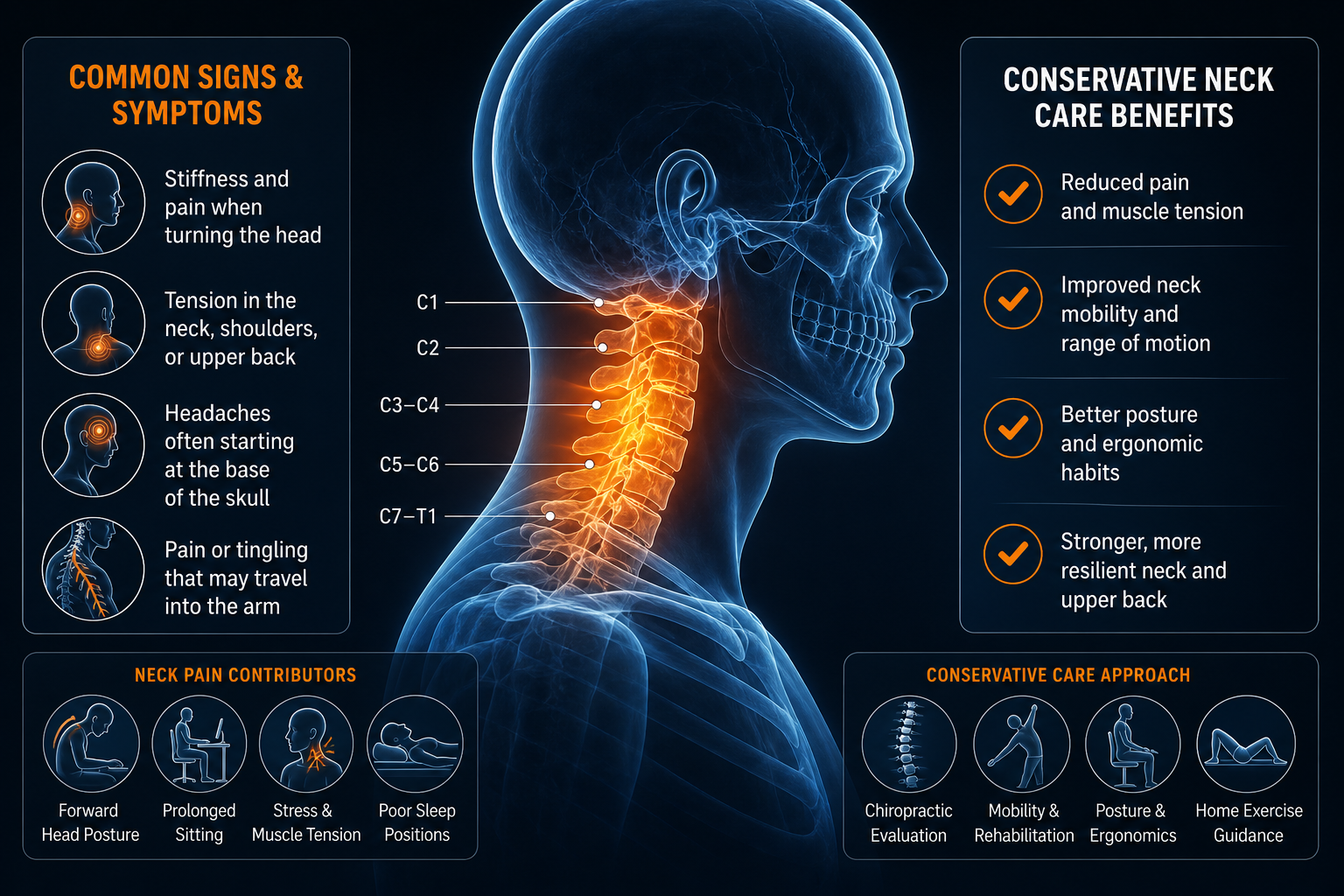
Cervicalgia symptoms can vary widely depending on the underlying cause, the structures involved, and how long the problem has been present. The most frequently reported experiences include:
Localized Neck Pain and Stiffness
A dull, aching pain centered in the neck — often worst in the morning or after prolonged sitting — is the most recognizable symptom. Stiffness that limits rotation (turning your head to check your blind spot, for example) is also common. Many patients describe the sensation as tightness or a feeling that something is "locked."
Cervicalgia Symptoms Including Tingling Down the Arm
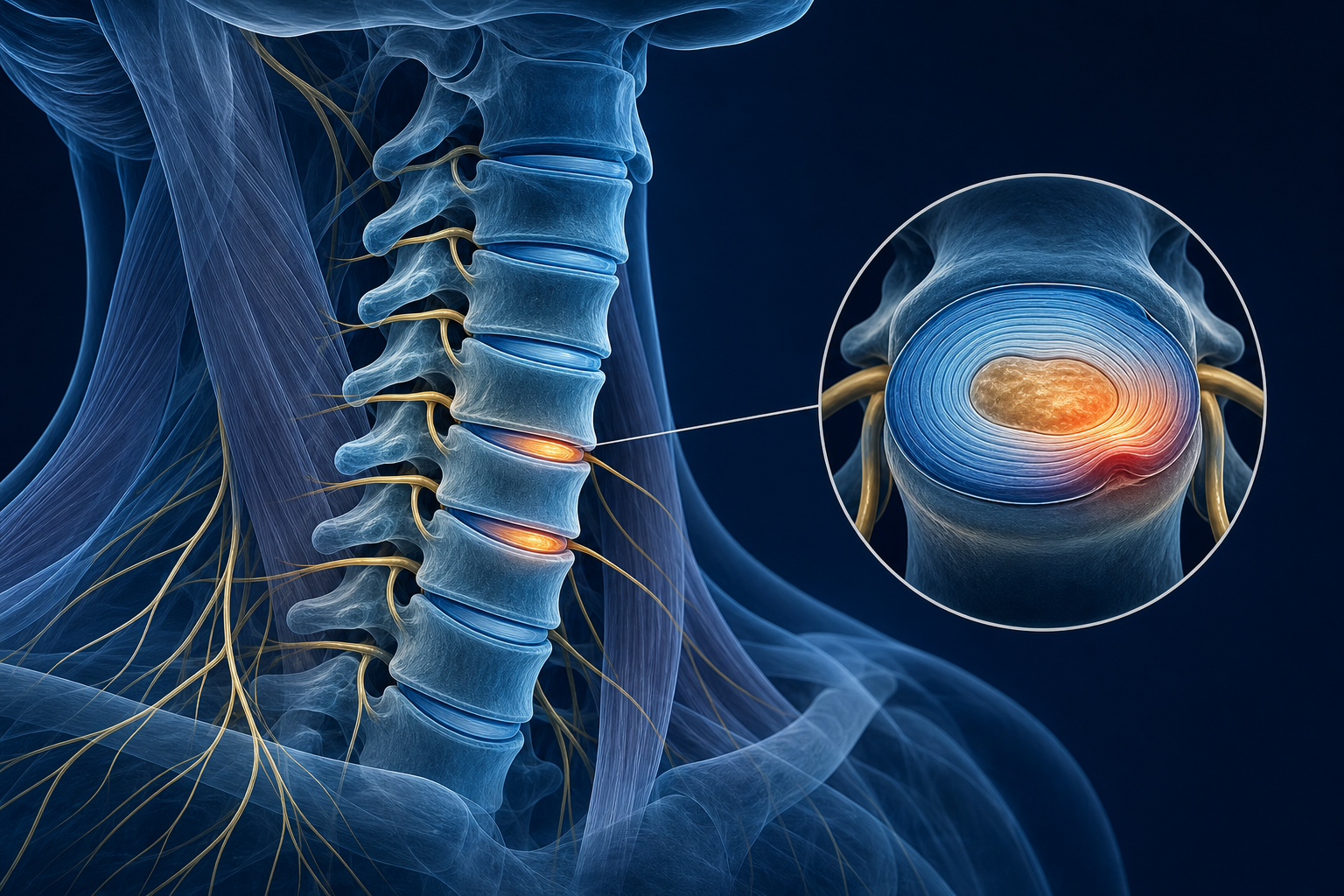
When irritation or compression affects a nerve root exiting the cervical spine — a pattern called cervical radiculopathy — symptoms can radiate beyond the neck itself. Tingling, numbness, or a sharp, electric-like sensation traveling into the shoulder, arm, or hand is a reported pattern that deserves prompt evaluation by a provider. This is distinct from purely local neck pain and may indicate disc involvement or foraminal narrowing.
Neck Pain Headaches Behind the Eyes and Shoulders
The upper cervical joints and the muscles at the base of the skull have nerve connections that, when irritated, can refer pain forward into the head. Cervicogenic headaches — headaches that originate from cervical structures — are commonly described as starting at the base of the skull and traveling toward the eye, temple, or forehead. They are often one-sided and frequently accompany neck stiffness. This pattern differs from migraine, though the two can coexist.
Shoulder and Upper Back Pain
Muscle tension in the trapezius and levator scapulae — muscles that connect the neck to the shoulder and upper back — frequently accompanies cervicalgia. Patients often report that their neck pain and shoulder tightness feel inseparable, especially after long hours at a desk or during periods of high stress.
Reduced Range of Motion
Pain that limits how far you can tilt, rotate, or flex your neck is a functional symptom that tends to improve with treatment but can worsen if the underlying cause goes unaddressed.
When Is Neck Pain a Serious Warning Sign?
Most cervicalgia has a mechanical origin and responds well to conservative care. However, certain features suggest that a more urgent evaluation is needed. Seek prompt medical attention if neck pain is accompanied by any of the following:
- Fever, chills, or unexplained weight loss alongside new neck pain
- Severe headache that comes on suddenly and feels unlike any previous headache
- Progressive weakness or loss of coordination in the arms or legs
- Loss of bladder or bowel control
- Neck pain following significant trauma, such as a car accident or a fall
- Pain that is worsening steadily despite rest, without any obvious mechanical trigger
These patterns can indicate infection, vascular events, spinal cord compression, or other conditions that fall outside the scope of conservative outpatient care and require urgent medical assessment. When in doubt, a healthcare provider — whether a chiropractor, physical therapist, or physician — can help determine whether imaging or a specialist referral is appropriate.
What Causes Cervicalgia? Understanding the Root of the Problem
Identifying the cause of neck pain that won't go away is often more useful than simply treating symptoms. Several common drivers are worth understanding.
Neck Pain from Sitting at a Desk All Day
Postural strain is one of the leading causes of cervicalgia in working-age adults. When the head drifts forward of the shoulders — a position that becomes habitual during prolonged screen use — the effective load on the cervical spine increases substantially. The muscles at the back of the neck work harder to hold the head up, the joints at the base of the skull are compressed, and the discs and ligaments in the mid-cervical region are placed in sustained tension. Over time, this creates the cycle of daily stiffness, muscle fatigue, and recurrent aching that many desk workers recognize immediately.
Whiplash and Acute Injury
Whiplash — typically associated with rear-end vehicle collisions — involves a rapid, forceful back-and-forth motion of the neck that can strain or tear soft tissues, irritate joint capsules, and, in more significant cases, affect disc integrity. Whiplash neck pain treatment near me is among the most commonly searched health phrases following a car accident, reflecting how frequently this type of injury prompts people to seek care. Symptoms may not peak until 24 to 72 hours after the event, and without appropriate treatment, some patients develop chronic pain patterns.
Degenerative Changes and Disc Problems
Cervical spondylosis — the gradual wear of the discs and joints in the cervical spine — is a normal part of aging, though it does not inevitably cause pain. When degenerative changes do produce symptoms, they may include stiffness, reduced motion, and, if disc material impinges on a nerve root, the radiating arm symptoms described earlier. Research suggests that the presence of degenerative findings on imaging does not always correlate directly with the severity of a patient's pain, which is why a thorough clinical examination remains essential.
Muscle Tension and Stress
Emotional stress, anxiety, and poor sleep are reliably associated with increased muscle tension in the neck and upper shoulder region. Many patients with chronic cervicalgia report that their symptoms flare during stressful periods and improve during rest or vacation — a pattern that reflects the real physiological effects of stress on the muscular system.
Sleep Position and Pillow Support
The position of the cervical spine during the six to eight hours of sleep can reinforce or relieve daytime strain. Sleeping on the stomach forces the neck into sustained rotation; sleeping without adequate support can leave the cervical spine in a prolonged position that loads muscles and joints unevenly. The best pillow for neck pain and cervicalgia is typically one that maintains the natural curve of the cervical spine in the side-lying or back-lying position — but individual anatomy varies, and a provider familiar with your specific situation can offer guidance tailored to you.
Trauma, Sports Injuries, and Repetitive Strain
Contact sports, falls, and occupational activities that involve repetitive neck movement or sustained awkward postures can all contribute to cervicalgia. These causes are worth identifying because they often require a targeted rehabilitation approach rather than general stretching alone.
Conservative Treatment for Chronic Neck Pain Without Surgery
The encouraging reality is that most cervicalgia — even when it has been present for months — responds to conservative, non-surgical care. The evidence base for several approaches is meaningful, though as with any musculoskeletal condition, individual response varies and no treatment works for everyone.
Chiropractic Care for Cervicalgia
Chiropractors are trained to assess and treat problems in the cervical spine, including joint dysfunction, restricted mobility, and the soft tissue changes that accompany them. Chiropractic manipulation and mobilization of the cervical and thoracic spine are among the more extensively studied conservative interventions for mechanical neck pain. Research in this area generally suggests that manual therapy, particularly when combined with exercise, may provide meaningful pain reduction and improved function for many patients. A licensed chiropractor will conduct an examination — including orthopedic and neurological testing — before determining whether adjustive techniques are appropriate for a given patient's presentation.
If you are considering seeing a provider, you can search for chiropractors near you on Medximity to find licensed practitioners in your area.
Physical Therapy for Neck Pain
Physical therapists approach cervicalgia through a combination of therapeutic exercise, manual techniques, postural training, and patient education. A structured exercise program targeting the deep cervical flexors — the stabilizing muscles that support the front of the neck — is associated with improved outcomes for chronic neck pain in several clinical studies. Physical therapists also address the contributing factors that keep pain from resolving: faulty movement patterns, ergonomic problems at work, and muscle imbalances between the neck, shoulders, and upper back.
Find physical therapists near you on Medximity to connect with providers who specialize in neck and spine rehabilitation.
Therapeutic Exercise and Movement
Gentle, progressive movement is generally more beneficial for cervicalgia than prolonged rest. Specific stretches for the levator scapulae, scalenes, and upper trapezius, combined with strengthening work for the deep cervical flexors and periscapular muscles, form the foundation of most exercise programs for neck pain. These are best learned with guidance from a qualified provider rather than from generic routines, because the appropriate exercise depends on the underlying cause and the patient's current tolerance.
Ergonomic Modification
Changing the conditions that produce daily strain can be as important as hands-on treatment. Monitor height, chair support, screen distance, and keyboard position all influence cervical loading during work hours. For patients whose neck pain from sitting at a desk all day is the primary driver, ergonomic changes may produce lasting improvement where treatment alone does not fully hold.
Soft Tissue Techniques
Massage therapy, trigger point therapy, and myofascial release techniques may help reduce muscle tension, improve circulation, and restore tissue mobility in the neck and upper back. Many patients find that these approaches complement chiropractic or physical therapy care, particularly during flare-ups when muscle guarding is prominent.
Natural Relief for Stiff Neck and Muscle Tension
Several self-care strategies are commonly recommended alongside professional treatment. Applying heat to tense muscles may help increase tissue extensibility; cold application can reduce acute inflammation in the first 48 to 72 hours after an injury. Gentle movement throughout the workday — breaking up prolonged sitting with brief stretching or walking — is also associated with lower reported pain levels in people with desk-related neck pain. Stress management practices, including breathing techniques and adequate sleep, address the muscular tension component of cervicalgia that purely structural interventions may not fully reach.
For a deeper look at complementary approaches, see our related guide on natural relief strategies for neck and shoulder muscle tension.
Chiropractor or Physical Therapist for Neck Pain: Which Should You See?
Both disciplines are well-suited to treating cervicalgia, and many patients benefit from care that draws on elements of both. The deciding factors are usually the suspected cause, the patient's preference, and what is available locally.
Chiropractic care tends to be the first choice for patients whose pain has a clear joint or segmental component — clicking, locking, or pain that is sharply positional. Physical therapy may be particularly valuable when the presentation involves notable weakness, significant movement dysfunction, or a need for structured functional rehabilitation. In practice, chiropractors and physical therapists frequently collaborate, and a provider in either discipline should be willing to refer if they believe another approach would serve you better.
You can learn more about how these specialties approach spine care by exploring how chiropractic and physical therapy compare for neck pain treatment on Medximity.
How Long Does Cervicalgia Take to Heal?
This is one of the most common questions patients ask, and the honest answer is: it varies significantly. Acute cervicalgia — pain that has been present for fewer than four weeks and has a clear mechanical cause — often improves meaningfully within a few weeks of appropriate care and activity modification. Subacute pain (four to twelve weeks) generally takes longer and benefits from a more structured treatment plan. Chronic cervicalgia, defined as pain present for more than twelve weeks, may require a longer course of care, and outcomes are more variable.
Factors that research suggests are associated with slower recovery include high baseline pain intensity, significant psychological distress, passive coping strategies, and a work or lifestyle environment that perpetuates the contributing postural or mechanical factors. This is why provider evaluation matters — not just to treat the pain, but to identify and address what is sustaining it.
If you have been managing neck pain for more than a few weeks without meaningful improvement, it is worth consulting a qualified chiropractor or physical therapist rather than waiting further. Prolonged pain that goes untreated has a tendency to entrench itself, both physically and in terms of the movement-avoidance patterns that can develop around it.
Whiplash Neck Pain: Seeking Treatment After an Accident
Whiplash injuries deserve specific attention because they are frequently underestimated in the days immediately following a collision. The adrenaline response, delayed onset of symptoms, and variability in how people perceive and report pain can all contribute to a patient dismissing an injury that would benefit from early treatment.
Research in this area suggests that early mobilization and active care — rather than prolonged collar use and rest — is generally associated with better outcomes for whiplash-associated disorders. Chiropractors and physical therapists with experience in post-accident rehabilitation can assess the scope of the injury and begin an appropriate treatment plan. Documentation of the injury, its symptoms, and its functional impact may also be relevant if a personal injury claim is involved — a topic worth discussing with a legal professional if that situation applies to you.
If you were recently in an accident and are searching for whiplash neck pain treatment, Medximity's provider search can help you find chiropractors experienced in post-accident care in your area.
Finding the Right Provider for Cervicalgia
Cervicalgia is common enough that many providers treat it, but the quality and specificity of that care varies. When choosing a chiropractor or physical therapist for neck pain, it can help to look for providers who conduct a thorough initial examination, take time to explain the likely cause of your symptoms, offer a clear treatment plan with measurable goals, and are willing to coordinate with other providers when needed.
Medximity's directory includes chiropractors, physical therapists, and rehabilitation specialists across the country. You can filter by location, specialty, and conditions treated to find providers who have experience with cervical spine care specifically. Search for neck pain providers near you on Medximity to get started.
You may also find it useful to read our related articles on cervicogenic headaches and how they are treated and what to expect at your first chiropractic appointment before booking.
Frequently Asked Questions About Cervicalgia
What is cervicalgia and how is it treated?
Cervicalgia is the clinical term for pain in the cervical spine — the neck region. It is a descriptive term rather than a specific diagnosis, and the underlying cause can range from postural strain and muscle tension to disc problems or joint degeneration. Treatment depends on the cause but commonly includes chiropractic manipulation or mobilization, physical therapy, therapeutic exercise, ergonomic adjustments, and soft tissue work. Most cases respond to conservative care without the need for surgery or prescription medications.
Why do I have neck pain that won't go away?
Persistent neck pain that doesn't resolve on its own often has a sustained cause driving it — whether that is a postural habit, a workplace ergonomic problem, a sleep position issue, ongoing stress, or an injury that was not fully addressed. Chronic cervicalgia can also involve sensitization of the nervous system over time, meaning the pain response becomes amplified even when the original tissue irritation has partially healed. A qualified provider can help identify what is sustaining your pain and build a plan to address it.
What does it mean when cervicalgia causes tingling down the arm?
Tingling, numbness, or radiating pain traveling from the neck into the shoulder, arm, or hand may indicate that a nerve root exiting the cervical spine is being irritated or compressed — a condition called cervical radiculopathy. This can occur with a herniated disc, foraminal narrowing from degenerative changes, or joint inflammation. It is distinct from purely local neck pain and deserves prompt evaluation. A chiropractor or physical therapist can conduct orthopedic and neurological testing to assess the pattern, and may refer for imaging if needed.
Should I see a chiropractor or physical therapist for neck pain?
Both are effective options for most types of cervicalgia, and many patients benefit from care that includes elements of both disciplines. Chiropractors often focus on joint mobility, spinal alignment, and manipulation-based techniques. Physical therapists frequently emphasize exercise, movement retraining, and functional rehabilitation. The best choice depends on your specific presentation, your preferences, and what providers are available in your area. Either discipline should refer you if they believe another approach would serve you better.
How long does cervicalgia take to heal?
Recovery time varies based on the cause, severity, and how long the pain has been present. Acute cervicalgia with a clear mechanical origin may improve meaningfully within a few weeks of appropriate care. Chronic cervicalgia — present for more than 12 weeks — generally requires a longer, more structured treatment approach, and outcomes depend significantly on identifying and modifying the factors that have kept the pain going. If your neck pain has persisted for more than a month without improvement, consulting a provider sooner rather than later is generally advisable.
When is neck pain a serious warning sign that needs urgent attention?
Most neck pain is mechanical and not dangerous, but certain symptoms alongside neck pain warrant prompt medical evaluation: sudden, severe headache unlike any previous headache; fever with neck stiffness; progressive arm or leg weakness; loss of bladder or bowel control; neck pain after significant trauma; or pain that is steadily worsening without a clear mechanical cause. These patterns may signal conditions — including infection, vascular events, or spinal cord compression — that require urgent medical assessment beyond conservative care.
What is the best pillow for neck pain and cervicalgia?
The best pillow for cervicalgia is generally one that maintains the natural inward curve of the cervical spine during sleep, in whatever position you commonly sleep in. Side sleepers typically need a firmer, higher pillow to fill the gap between the ear and the shoulder; back sleepers often do better with a contoured or medium-loft pillow that supports the neck without pushing the head too far forward. Stomach sleeping is generally not recommended for people with neck pain. Because individual anatomy varies, a provider who has examined you can offer the most reliable recommendation for your specific situation.
Can natural approaches help relieve stiff neck and muscle tension?
Several self-care strategies may help manage stiff neck and muscle tension alongside professional treatment. Applying heat to tense muscles, taking short movement breaks during prolonged sitting, performing gentle stretches for the neck and upper shoulders, improving sleep position and pillow support, and managing stress through breathing or relaxation techniques are all commonly recommended. These approaches are generally most effective when combined with professional evaluation to address the underlying cause, rather than used in isolation as a long-term substitute for care.
", "faq_data": [ { "q": "What is cervicalgia and how is it treated?", "a": "Cervicalgia is the clinical term for pain in the cervical spine — the neck region. It is a descriptive term rather than a specific diagnosis, and the underlying cause can range from postural strain and muscle tension to disc problems or joint degeneration. Treatment depends on the cause but commonly includes chiropractic manipulation or mobilization, physical therapy, therapeutic exercise, ergonomic adjustments, and soft tissue work. Most cases respond to conservative care without the need for surgery or prescription medications." }, { "q": "Why do I have neck pain that won't go away?", "a": "Persistent neck pain that doesn't resolve on its own often has a sustained cause driving it — whether that is a postural habit, a workplace ergonomic problem, a sleep position issue, ongoing stress, or an injury that was not fully addressed. Chronic cervicalgia can also involve sensitization of the nervous system over time. A qualified provider can help identify what is sustaining your pain and build a plan to address it." }, { "q": "What does it mean when cervicalgia causes tingling down the arm?", "a": "Tingling, numbness, or radiating pain traveling from the neck into the shoulder, arm, or hand may indicate that a nerve root exiting the cervical spine is being irritated or compressed — a condition called cervical radiculopathy. This can occur with a herniated disc, foraminal narrowing, or joint inflammation. It deserves prompt evaluation by a chiropractor or physical therapist who can conduct orthopedic and neurological testing and refer for imaging if needed." }, { "q": "Should I see a chiropractor or physical therapist for neck pain?", "a": "Both are effective options for most types of cervicalgia. Chiropractors often focus on joint mobility, spinal alignment, and manipulation-based techniques. Physical therapists frequently emphasize exercise, movement retraining, and functional rehabilitation. The best choice depends on your specific presentation, your preferences, and what is available in your area. Either discipline should refer you if they believe another approach would serve you better." }, { "q": "How long does cervicalgia take to heal?", "a": "Recovery time varies based on cause, severity, and duration. Acute cervicalgia may improve meaningfully within a few weeks of appropriate care. Chronic cervicalgia — present for more than 12 weeks — generally requires a longer, more structured treatment approach. If your neck pain has persisted for more than a month without improvement, consulting a provider sooner is generally advisable." }, { "q": "When is neck pain a serious warning sign that needs urgent attention?", "a": "Most neck pain is mechanical and not dangerous. However, seek prompt medical evaluation if you have: a sudden, severe headache unlike any previous headache; fever with neck stiffness; progressive arm or leg weakness; loss of bladder or bowel control; neck pain after significant trauma; or pain that is steadily worsening without a clear mechanical cause." }, { "q": "What is the best pillow for neck pain and cervicalgia?", "a": "The best pillow is generally one that maintains the natural inward curve of the cervical spine during sleep. Side sleepers typically need a firmer, higher pillow; back sleepers often do better with a contoured or medium-loft option. Stomach sleeping is generally not recommended for people with neck pain. A provider who has examined you can offer the most reliable recommendation for your anatomy." }, { "q": "Can natural approaches help relieve stiff neck and muscle tension?", "a": "Several self-care strategies may help alongside professional treatment: applying heat to tense muscles, taking movement breaks during prolonged sitting, gentle stretching, improving sleep position, and stress management through breathing or relaxation techniques. These approaches are most effective when combined with professional evaluation to address the underlying cause." } ], "key_takeaways": [ "Cervicalgia is the clinical term for neck pain and can range from mild stiffness to chronic pain with radiating arm symptoms — the cause determines the right treatment approach.", "Postural strain from prolonged desk work is one of the most common drivers of neck pain in working-age adults, and ergonomic changes are often a critical part of recovery.", "Tingling or numbness traveling from the neck into the arm may indicate nerve root involvement (cervical radiculopathy) and warrants prompt professional evaluation.", "Most cervicalgia responds to conservative, non-surgical care — including chiropractic, physical therapy, therapeutic exercise, and soft tissue techniques — without the need for surgery.", "Certain red-flag symptoms alongside neck pain — including sudden severe headache, fever, progressive limb weakness, or loss of bladder/bowel control — require urgent medical attention.", "Both chiropractors and physical therapists are well-suited to treat cervicalgia; the best choice depends on the specific cause, individual preference, and provider availability.", "Whiplash injuries may have delayed symptom onset and generally respond better to early, active care than to prolonged rest or immobilization.", "Recovery time varies widely: acute cases may resolve in weeks, while chronic cervicalgia typically requires a longer, more structured treatment plan addressing the root cause." ], "tags": [ "neck pain", "cervicalgia", "chiropractic", "physical therapy", "whiplash", "cervical spine", "conservative care", "cervicogenic headache", "desk posture", "musculoskeletal pain", "cervical radiculopathy", "rehabilitation", "spine health", "muscle tension", "natural pain relief" ], "schema_markup": { "@context": "https://schema.org", "@type": "Article", "headline": "Understanding Neck Pain (Cervicalgia): Symptoms, Causes, and Treatment", "description": "A comprehensive patient guide to cervicalgia — what it is, what causes it, how to recognize warning signs, and which conservative treatments including chiropractic and physical therapy may help.", "author": { "@type": "Organization", "name": "Medximity" }, "publisher": { "@type": "Organization", "name": "Medximity", "logo": { "@type": "ImageObject", "url": "https://www.medximity.com/logo.png" } }, "mainEntityOfPage": { "@type": "WebPage", "@id": "https://www.medximity.com/blog/understanding-neck-pain-cervicalgia-symptoms-causes-treatment" }, "keywords": "cervicalgia, neck pain, what is cervicalgia and how is it treated, neck pain that won't go away causes, cervicalgia symptoms tingling down arm, chiropractor or physical therapist for neck pain, conservative treatment for chronic neck pain without surgery, whiplash neck pain treatment, when is neck pain a serious warning sign", "articleSection": "Patient Education", "inLanguage": "en-US" } }