Find a provider Community Forum
For providers For Attorneys
Sign In Attorneys

比佛利山庄脊椎指压治疗师:如何选择及就诊须知

比佛利山庄脊椎指压治疗师:如何选择及就诊须知

Key Takeaways

  • A Beverly Hills chiropractor uses hands-on spinal manipulation and soft tissue techniques to treat musculoskeletal conditions without surgery or medication.
  • Common conditions treated include chronic low back pain, neck pain, sciatica, herniated discs, tension headaches, and car accident injuries.
  • When choosing a chiropractor, verify their DC license, ask about their treatment approach, and confirm they have experience with your specific condition.
  • Your first chiropractic visit typically includes a health history review, postural assessment, orthopedic testing, and an initial adjustment or treatment plan discussion.
  • Chiropractic care plays a recognized role in personal injury recovery, with chiropractors often documenting injuries and coordinating care within the medical-legal ecosystem.

比佛利山庄的脊椎指压治疗师专门诊断和治疗肌肉骨骼疾病,尤其是涉及脊柱、骨盆及周围软组织的问题。无论您是在应对慢性腰背痛、从车祸中恢复,还是在处理与颈椎错位相关的紧张性头痛,脊椎指压治疗都提供了一种非侵入性的徒手方法,帮助恢复功能、缓解疼痛。以下是您在预约首次就诊前需要了解的内容。

比佛利山庄脊椎指压治疗师的实际工作

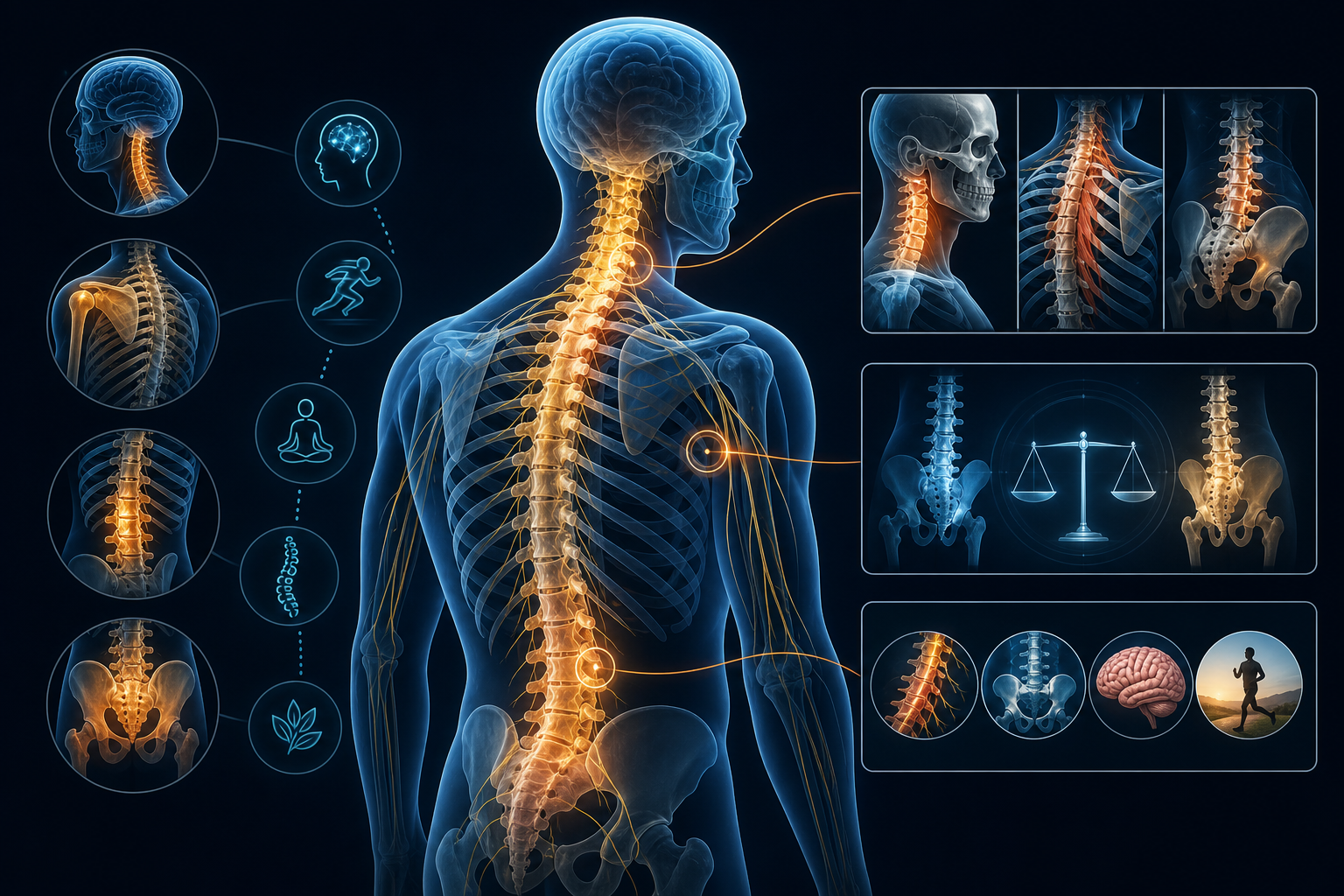
那么,脊椎指压治疗师针对腰背痛或其他肌肉骨骼问题究竟做什么?脊椎指压治疗的核心是脊柱手法治疗(也称为脊椎调整):对特定椎体节段施以精准的高速推力,以恢复因组织损伤、炎症或姿势压力而受限关节的活动度。

这是基础,但并非全部。比佛利山庄的脊椎指压治疗师通常还提供以下服务:

  • 软组织治疗——筋膜松解、触发点治疗以及器械辅助技术,针对脊椎旁肌肉、上斜方肌和梨状肌
  • 康复训练——在调整后通过纠正性运动模式来稳定腰椎或颈椎
  • 人体工程学与姿势评估——尤其适用于比佛利山庄每天伏案或长时间驾车超过8小时的专业人士
  • 营养指导——采用抗炎饮食策略以支持康复

脊椎指压治疗与物理治疗在腰背痛方面的比较

两个学科治疗的病症有所重叠,但方法不同。脊椎指压治疗师侧重于关节手法治疗和脊柱对位;物理治疗师则强调渐进式运动和功能性动作再训练。许多患者可从两者中同时受益——在比佛利山庄,诊疗机构越来越多地跨学科协同管理患者。如需更深入的比较,请了解脊椎指压治疗师如何融入运动治疗方案

比较维度 脊椎指压治疗 物理治疗 主要方法 脊柱手法治疗、徒手调整 治疗性运动、拉伸 最适用于 关节受限、急性脊柱疼痛、头痛 伤后康复、肌力不足、平衡问题 典型就诊时长 15–30分钟 30–60分钟 平均疗程 3–6周内共6–12次 4–8周内共8–16次 是否需要转诊 无需(加州允许直接就诊) 无需(加州允许直接就诊)

比佛利山庄脊椎指压治疗师常见诊治病症

如果您正在比佛利山庄寻找治疗颈部和腰背痛的脊椎指压治疗师,这是非常普遍的需求——脊柱疼痛约占全国脊椎指压治疗就诊量的60%至70%。但其诊治范围远不止于脊柱。

脊柱相关疾病

  • 腰椎间盘突出——脊椎调整对椎间盘突出是否安全?大多数情况下是安全的。屈曲牵引技术和Cox减压疗法能在不施加高速推力的情况下轻柔地牵伸腰椎,降低L4-L5或L5-S1节段的椎间盘内压力。《脊柱手法与生理治疗杂志》发表的研究显示,90%的椎间盘突出患者在接受脊椎指压治疗3个月内报告病情有所改善。
  • 坐骨神经痛——无需手术的坐骨神经痛自然疗法通常将腰椎调整与梨状肌拉伸及针对坐骨神经的神经滑动训练相结合。大多数患者在4至6周内可获得显著的疼痛缓解。
  • 颈源性头痛——起源于C1-C3椎体功能障碍及枕下肌群。如果您有从颅底向上放射的头痛,了解脊椎指压治疗师如何治疗枕神经痛

四肢及软组织问题

警示信号:如果您突然出现大小便失禁、双侧下肢进行性无力,或严重持续性疼痛将您从睡眠中惊醒,请勿前往脊椎指压治疗师处就诊,应立即前往急诊室。这些症状可能提示马尾综合征,需要立即进行医学评估。

如何在附近选择合适的脊椎指压治疗师?

了解如何在附近选择合适的脊椎指压治疗师,关键在于五项具体标准——而不仅仅是Yelp评分。

  1. 执照与资质 — 确认其持有有效的加利福尼亚州脊椎指压治疗师执照(DC)。DACBSP(运动方向)或CCSP等专科资质可为特定病症提供更具针对性的专业知识。
  2. 技术匹配 — 询问其所使用的治疗技术。多样化手法、Gonstead手法、Activator手法和屈曲牵引手法各自适用于不同病症。对每位患者只采用单一方法的医疗服务提供者值得注意。
  3. 诊断方式 — 医疗服务提供者在进行脊椎调整前,应先进行骨科和神经系统检查。仅在临床有指征时拍摄X光片,而非作为常规附加收费项目。
  4. 治疗方案透明度 — 可信赖的医疗服务提供者会告知您预计就诊次数及可量化的治疗目标。对于要求每周就诊3次、持续数月的开放式治疗方案,应保持谨慎。
  5. 保险与账单清晰度 — 如果您需要在Beverly Hills寻找接受保险的脊椎指压治疗师,请在首次就诊前核实您的保险计划。Beverly Hills的许多诊所接受PPO计划、工伤赔偿及人身伤害留置权。同时也可咨询网络外福利。

如需更详细的说明,请阅读寻找合适脊椎指压治疗师的完整指南

首次脊椎指压治疗预约时应有哪些预期?

以下是在Beverly Hills首次脊椎指压治疗预约时的预期流程,通常持续45至60分钟:

  • 健康病史采集 — 既往损伤、当前症状、日常活动,以及您已有的任何影像学检查资料
  • 体格检查 — 运动范围测试(颈椎、胸椎、腰椎)、骨科检查(如用于评估坐骨神经受累的直腿抬高试验),以及脊椎节段触诊
  • 诊断与治疗方案 — 您的脊椎指压治疗师应向您说明检查结果,制定具体方案(例如"4周内共8次就诊,第4次后重新评估"),并讨论预期疗效
  • 首次脊椎调整 — 若检查结果明确,许多医疗服务提供者会在首次就诊时即开始治疗

脊椎指压治疗需要多长时间才能见效?对于急性腰痛,大多数患者在2至4次就诊后会感到明显改善。慢性病症——即持续超过3个月的情况——通常需要6至12次就诊才能产生显著变化。如果4周后病情仍未改善,良好的医疗服务提供者会重新评估,并可能转介您进行影像学检查或协同治疗。

脊椎指压治疗与人身伤害康复

Beverly Hills的Wilshire Boulevard、Santa Monica Boulevard及周边路段交通事故频发。如果您需要在Beverly Hills寻找治疗车祸伤害的脊椎指压治疗师,以下几点至关重要:

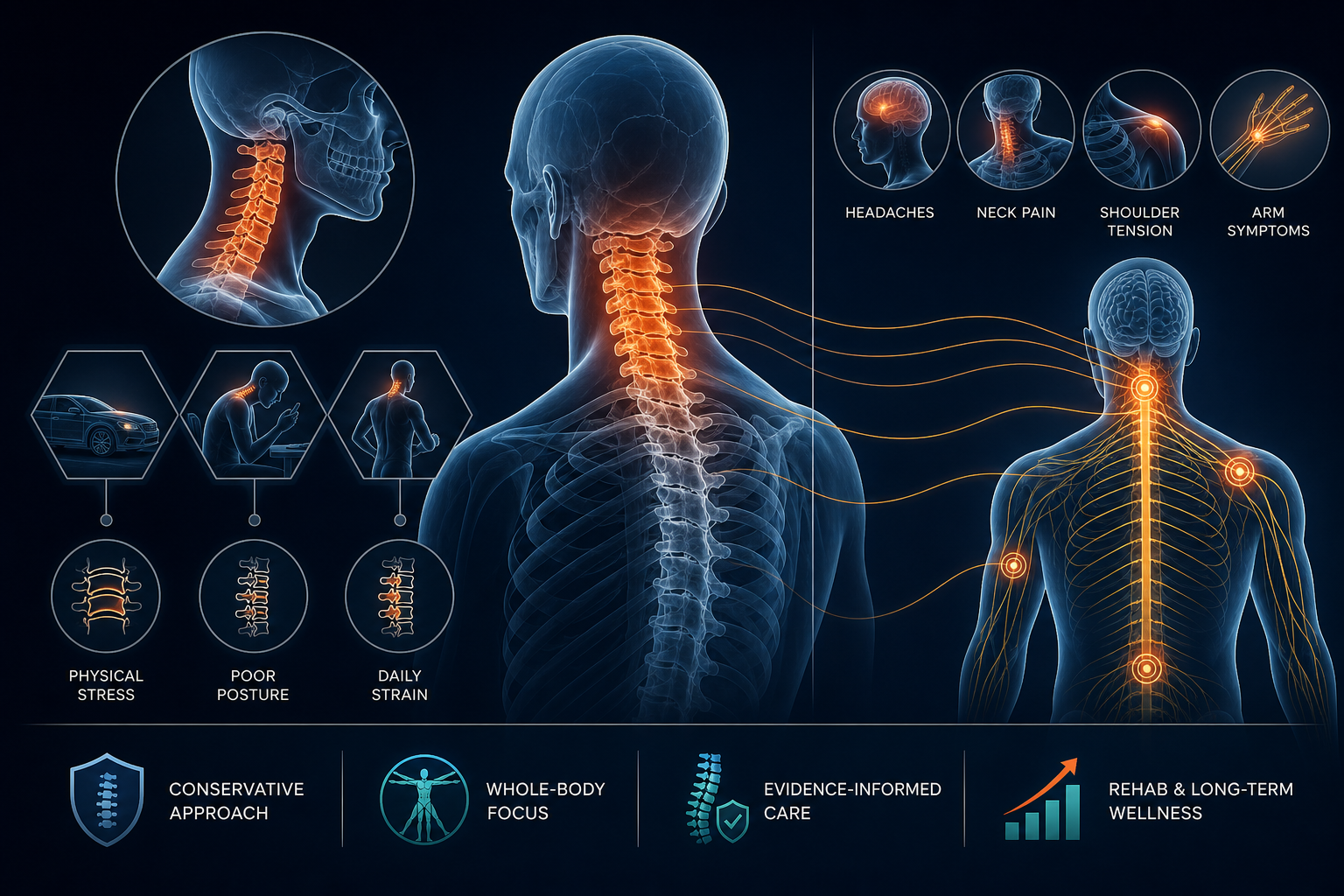
  • 挥鞭伤(颈椎加速-减速损伤)影响C4至C6节段、胸锁乳突肌及前斜角肌。症状通常在碰撞后24至72小时出现,而非立即显现。
  • 记录至关重要 — 脊椎指压治疗记录可作为人身伤害索赔的证据。您的医疗服务提供者应在每次就诊时记录损伤机制、客观检查结果及功能恢复进展。
  • 留置权治疗 — 许多Beverly Hills的脊椎指压治疗师为车祸案例提供基于留置权的治疗,即您在案件结案前无需自付费用。

挥鞭伤的治疗通常需要在6至8周内进行12至16次就诊,结合颈椎调整、软组织松动及颈深屈肌的渐进性强化训练。颈部损伤需要及时处理——延误治疗超过2周与更长的康复周期相关。

何时应因背痛就诊脊椎指压治疗师?

简而言之:应比大多数人更早就诊。研究表明,在症状出现后4周内开始保守治疗的患者,比等待观望者恢复更快。以下具体情况提示您应前往就诊:

  • 背部或颈部疼痛持续超过3至5天且无改善
  • 疼痛放射至手臂或腿部(神经根病)
  • 僵硬或运动范围减小,影响日常活动
  • 反复发作的头痛,起源于颈部或颅底
  • 四肢麻木或刺痛感 — 了解腿部麻木何时需要专业评估

现在可以进行的简单自我评估

背靠墙站立,脚跟距踢脚线约5厘米。检查三个接触点:骶骨、胸椎(中背部)和枕骨(后脑勺)。如果您的头部不向后仰就无法贴到墙面,则很可能存在头部前倾姿势——这是颈椎疼痛和紧张性头痛的常见诱因。请在首次就诊时告知医疗服务提供者这一情况。

下一步该怎么做

如果您正在经历背痛、颈部僵硬、事故后症状或慢性头痛,且位于 Beverly Hills 地区,持牌脊椎指压治疗师可以评估您的状况并制定有针对性的治疗方案——通常在第一次就诊时即可完成。

以下是具体步骤:

  1. 按专科和地区搜索 — 通过 Medximity 的医疗服务提供者目录查找附近的脊椎指压治疗师,可按地区、专科及接受的保险进行筛选。
  2. 为就诊做好准备 — 请携带现有的影像资料(MRI、X 光片)、注明发病日期的症状清单以及您的保险卡。
  3. 提出关键问题 — 您采用什么治疗技术?您建议进行几次就诊?到第 4 次就诊时,我应该期待哪些可量化的改善效果?

脊椎指压治疗的最佳效果,取决于您找到一位治疗方法与您病情相匹配的医疗服务提供者。在 Medximity 上浏览 Beverly Hills 的医疗服务提供者,立即开始搜索。
Medical Disclaimer: This article is for informational purposes only and does not constitute medical advice, diagnosis, or treatment. Always consult a qualified healthcare provider for personalized medical guidance. If you are experiencing a medical emergency, call 911 or your local emergency number immediately.

Frequently asked questions

What does a chiropractor do for back pain?
A chiropractor evaluates the spine and surrounding soft tissue to identify areas of restricted movement or misalignment. Using spinal manipulation and manual therapy techniques, they work to restore joint mobility, reduce muscle tension, and decrease pain signals. Many patients with acute or chronic low back pain experience meaningful relief through a structured course of chiropractic care, often combined with corrective exercises and ergonomic guidance.
Is chiropractic adjustment safe for a herniated disc?
Chiropractic care may be appropriate for certain herniated disc presentations, but it depends on the severity and location of the herniation. Chiropractors typically perform a thorough assessment — and may review imaging — before proceeding with any spinal manipulation. Gentler techniques such as flexion-distraction are commonly used when a standard high-velocity adjustment is not indicated. Always disclose your full history so your provider can tailor care accordingly.
What should I expect at my first chiropractic appointment?
Your first visit generally runs 45 to 60 minutes. The chiropractor will review your health history, ask about your symptoms, and perform a physical examination that may include postural analysis, range-of-motion testing, and orthopedic assessments. Some providers order X-rays on the first visit. You may receive an initial adjustment, or your provider may use the first appointment to build a treatment plan before beginning hands-on care.
How long does chiropractic treatment take to work?
Many patients notice some improvement within the first two to four visits, though the timeline varies depending on the condition, its severity, and how long it has been present. Acute injuries often respond faster than chronic conditions. A typical initial treatment plan runs six to twelve visits over several weeks, with progress re-evaluated regularly. Your chiropractor should give you a reasonable expectation based on your specific presentation.
Can a chiropractor treat injuries from a car accident?
Yes. Chiropractors are commonly involved in post-accident care, particularly for whiplash, cervical strain, lumbar injuries, and soft tissue damage that may not appear on initial emergency imaging. They can document injury findings, track recovery progress, and coordinate with other providers and attorneys when personal injury claims are involved. Seeking care promptly after an accident helps establish a clear clinical record tied to the incident.
When should I see a chiropractor for back pain?
Consider scheduling an appointment if your back pain has persisted for more than a few days without improvement, if it follows an accident or injury, or if it is affecting your ability to work or move normally. Radiating pain down the leg, numbness, or tingling may indicate nerve involvement and warrants prompt evaluation. A chiropractor can help determine whether your condition is appropriate for conservative care or requires referral.

Sources

  1. Spinal Manipulative Therapy for Acute Low Back Pain — Annals of Internal Medicine (2017)
  2. Chiropractic Management of Whiplash-Associated Disorders — Journal of Manipulative and Physiological Therapeutics (2019)
  3. Noninvasive Treatments for Acute, Subacute, and Chronic Low Back Pain: A Clinical Practice Guideline — Annals of Internal Medicine (2017)
  4. Evidence-Based Guidelines for Chiropractic Treatment of Adults with Neck Pain — Journal of Manipulative and Physiological Therapeutics (2014)

We use first-party cookies to run this site and understand how patients find us. Privacy