Points clés
- Cluster headaches often come in cycles, with weeks-to-months of attacks followed by remission periods.
- Pain is commonly one-sided and may feel burning or stabbing, sometimes radiating from the neck to the temple.
- Associated symptoms can include nasal congestion, tearing, and eyelid drooping on the affected side.
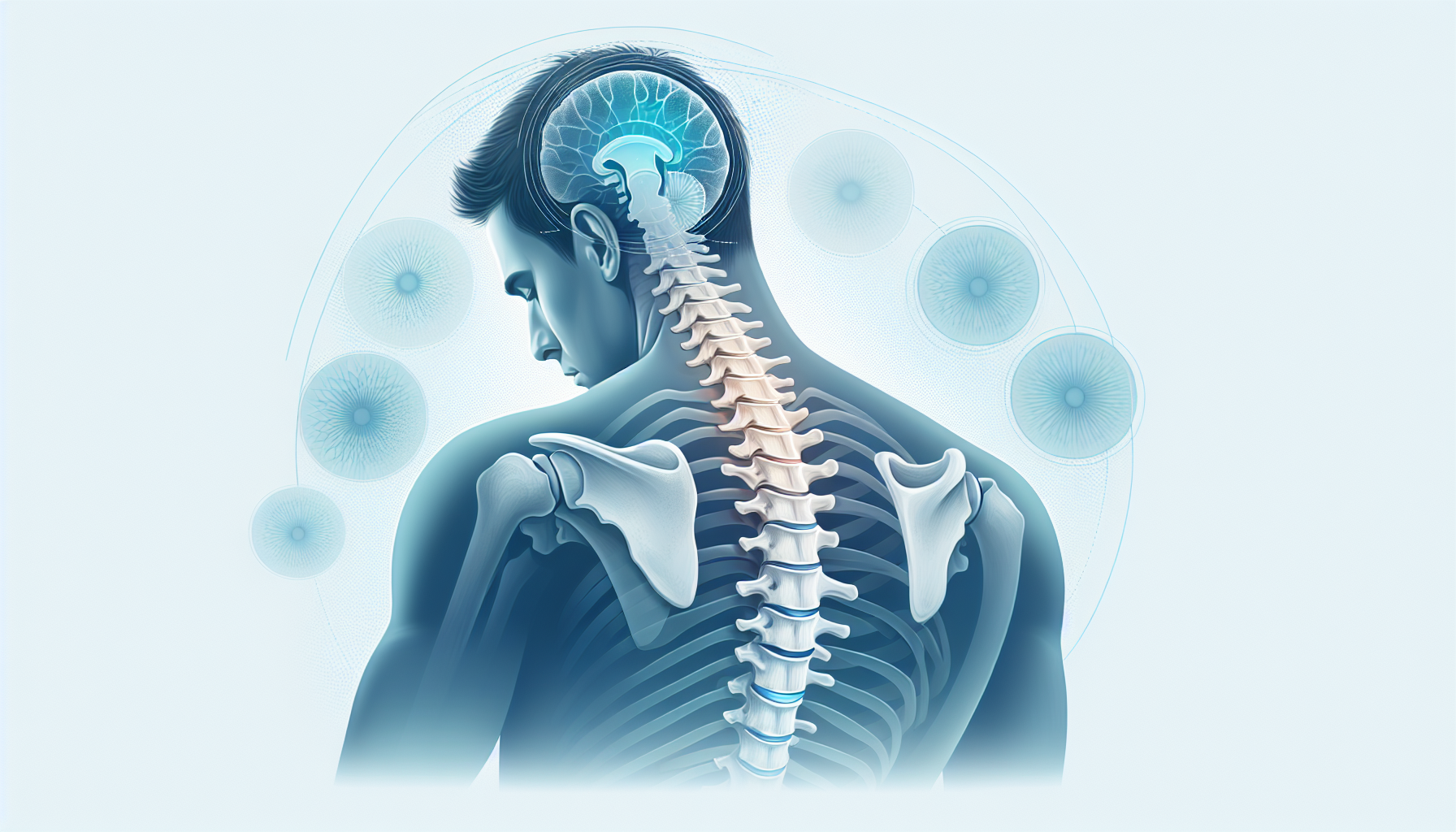
- Upper cervical care focuses on the top of the neck (C1–C2) and may help some people reduce headache frequency or intensity by improving neck function and reducing irritation triggers.
Avertissement médical: This article is for informational purposes only and does not constitute medical advice, diagnosis, or treatment. Always consult a qualified healthcare provider for personalized medical guidance. If you are experiencing a medical emergency, call 911 or your local emergency number immediately.
Questions fréquemment posées
What are cluster headaches?
Cluster headaches are a type of primary headache disorder known for severe, one-sided head or facial pain that can occur in “clusters” over weeks or months. Attacks often happen around the same time each day and may be accompanied by symptoms like tearing, nasal congestion, or eyelid drooping on the painful side. A qualified provider should confirm the diagnosis.
What symptoms commonly occur with cluster headaches?
Along with intense one-sided pain (often around the eye or temple), many people notice autonomic symptoms on the same side of the face. These can include a watery eye, nasal congestion or runny nose, facial sweating, and a drooping eyelid. Because these symptoms can overlap with other conditions, it’s smart to get evaluated rather than self-diagnose.
What is upper cervical care, and how is it different from general chiropractic care?
Upper cervical care is a conservative approach that focuses on the top two neck joints—C1 (atlas) and C2 (axis). Providers use detailed assessment and gentle, specific adjustments aimed at improving alignment and motion in this region. The goal is to support normal joint mechanics and reduce strain patterns that may contribute to head and neck symptoms.
Can upper cervical care help with cluster headaches?
Upper cervical care may help some people who have cluster headaches, especially when neck tension, posture strain, or restricted upper-neck motion seems to be part of the picture. Evidence for manual therapies in headache care is stronger for some headache types than others, and results vary. A provider can help determine whether an upper cervical evaluation makes sense for you.
When should I see a provider for cluster headache symptoms?
Seek prompt medical evaluation if you have sudden, severe head pain; new or changing headache patterns; headaches with weakness, numbness, confusion, fainting, fever, or vision changes; or if you’re unsure whether your symptoms are cluster headaches. For ongoing cycles of one-sided headaches with tearing or congestion, a diagnosis and coordinated care plan can help you manage episodes safely.