Key Takeaways
- Whiplash injuries can cause Meniere's disease by displacing upper cervical vertebrae
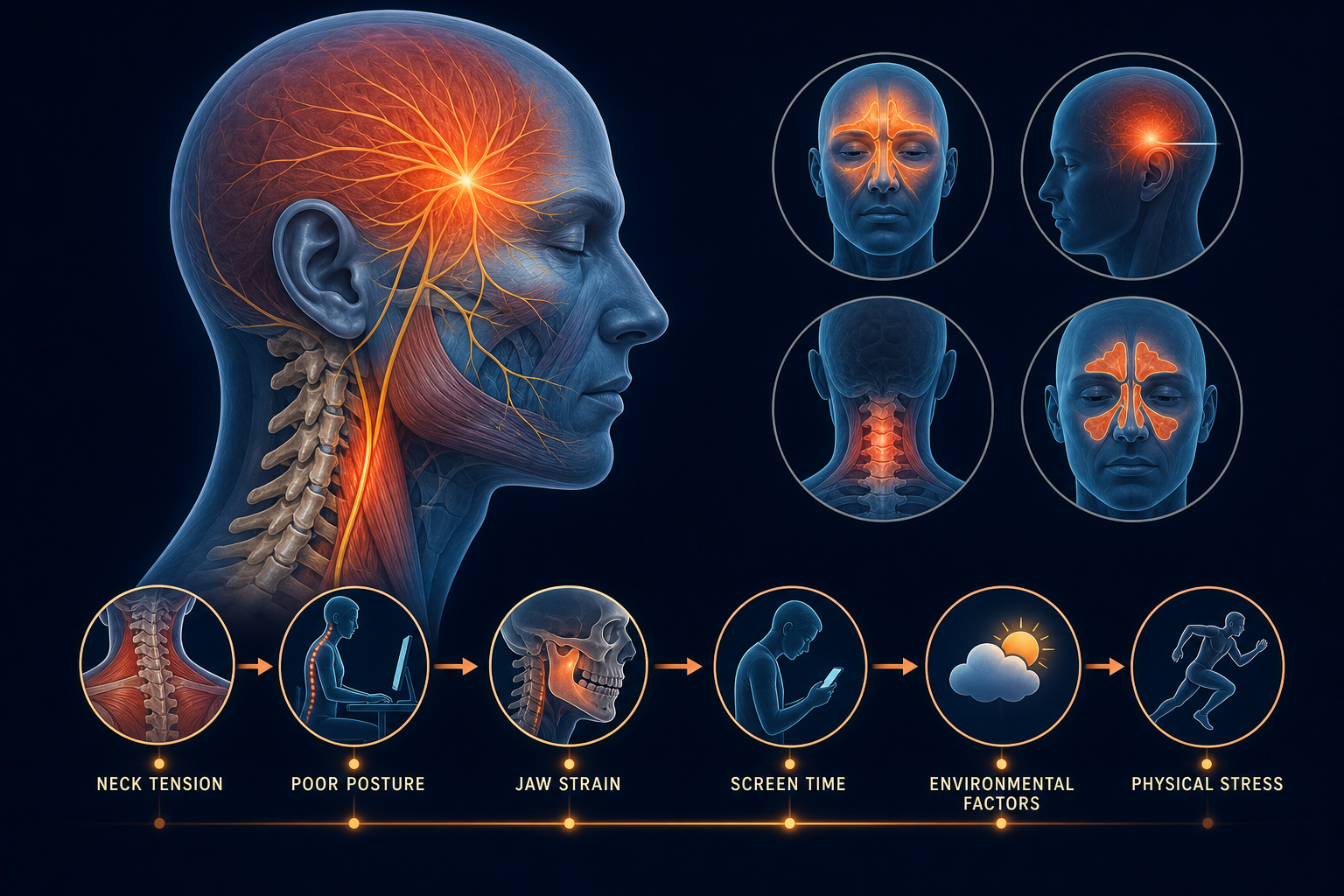
- Symptoms may appear weeks to years after the initial whiplash trauma
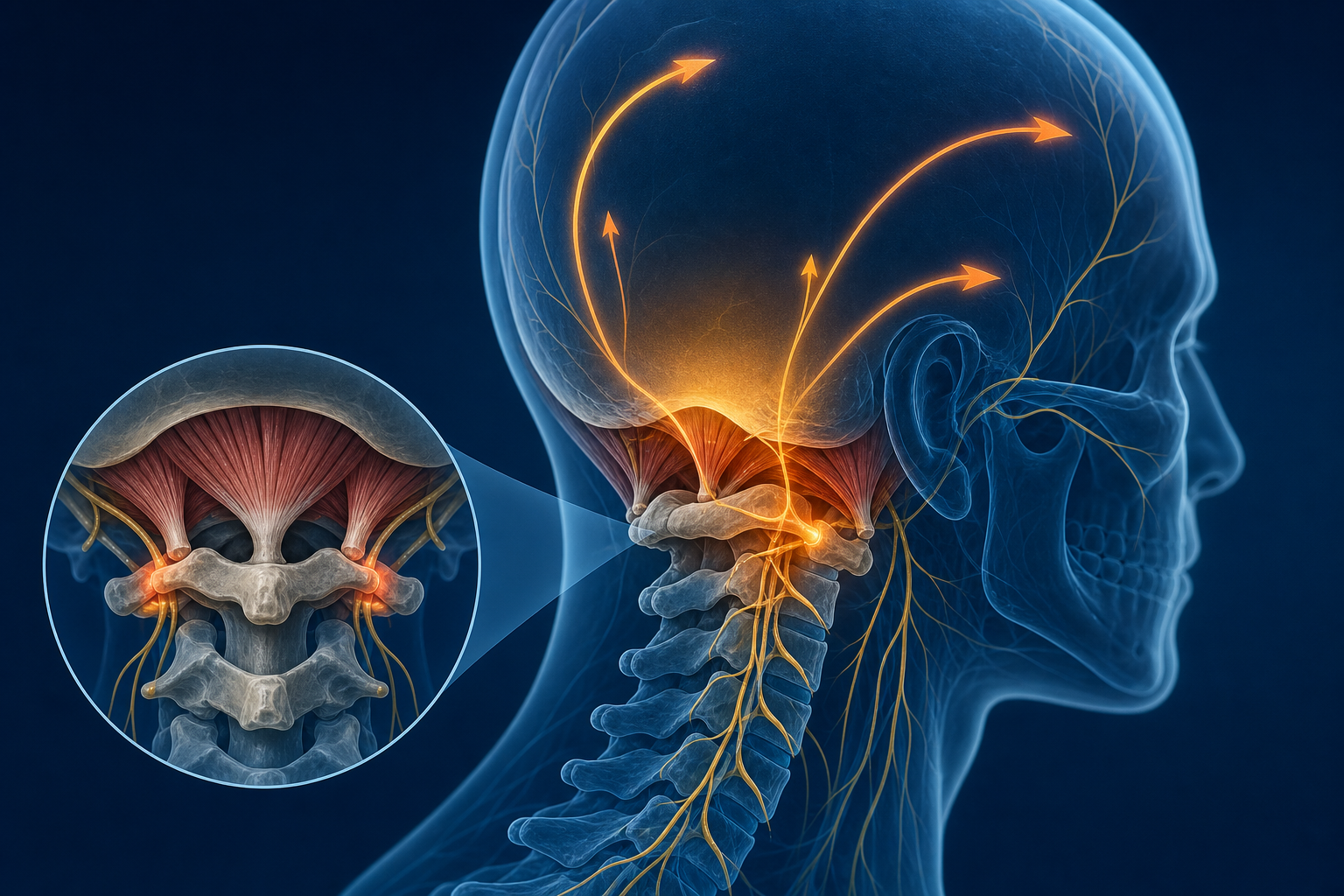
- Atlas misalignment from whiplash impairs inner ear fluid drainage
- Upper cervical correction addresses the root cause rather than masking symptoms
Medical Disclaimer: This article is for informational purposes only and does not constitute medical advice, diagnosis, or treatment. Always consult a qualified healthcare provider for personalized medical guidance. If you are experiencing a medical emergency, call 911 or your local emergency number immediately.
Frequently Asked Questions
Can whiplash cause Meniere's disease?
Yes. Whiplash injuries can misalign the upper cervical spine, affecting inner ear drainage and vestibular function, which can trigger Meniere's disease symptoms months or even years after the initial injury.
How does whiplash affect the inner ear?
Whiplash can displace the atlas vertebra, compressing structures that regulate inner ear fluid drainage. This disruption leads to endolymphatic hydrops — the fluid buildup responsible for Meniere's symptoms.
What are the symptoms of whiplash-related Meniere's disease?
Symptoms include episodic vertigo, tinnitus, fluctuating hearing loss, ear fullness, nausea, and balance problems. These may develop weeks to years after the original whiplash injury.
How is whiplash-related Meniere's treated?
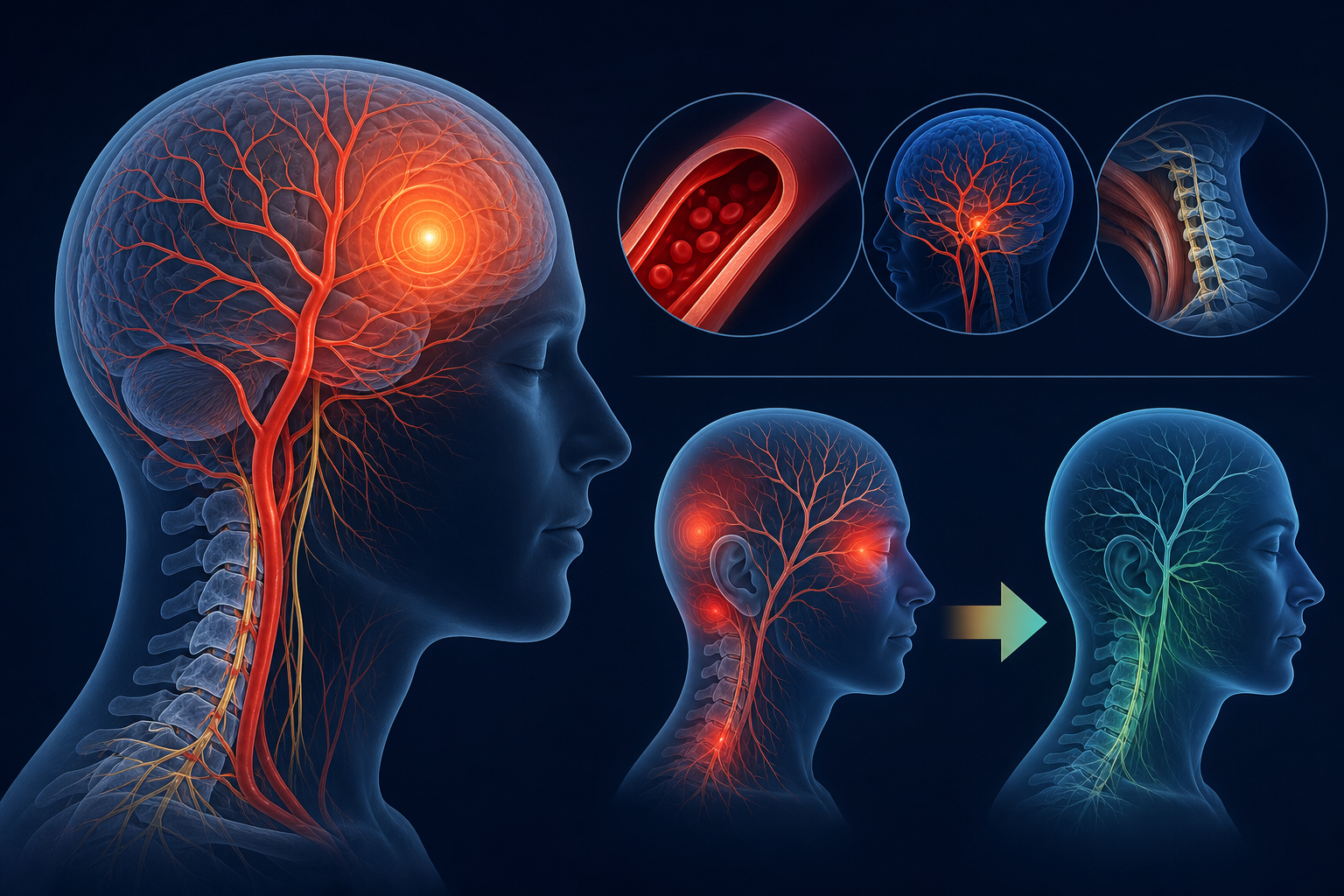
Upper cervical chiropractic corrects the atlas misalignment caused by whiplash, restoring proper inner ear drainage and reducing Meniere's symptoms without medication or surgery.