The terms vertigo and dizziness are often used interchangeably, yet they represent distinct conditions with different causes and symptoms. Understanding their differences is crucial for accurate diagnosis and effective treatment.
What is Vertigo?
Vertigo is a specific sensation of spinning or moving, often described as a feeling that the environment around you is whirling. It can be classified as:
Peripheral Vertigo: Caused by issues in the inner ear. Examples include Benign Paroxysmal Positional Vertigo (BPPV), Meniere’s disease, or vestibular neuritis.
Central Vertigo: Originates from neurological issues in the brain or spinal cord. Causes include migraines, stroke, or multiple sclerosis.
Symptoms of Vertigo:
- Nausea
- Vomiting
- Sweating
- Difficulty maintaining balance
- Hearing loss or tinnitus (in some cases)
What is Dizziness?
Dizziness is a broader term describing sensations such as lightheadedness, unsteadiness, or a feeling of fainting. Unlike vertigo, dizziness does not involve a rotational or spinning component.
Symptoms of Dizziness
- Weakness or fatigue
- A feeling of floating or wooziness
- Fainting sensations
Common Causes
- Dehydration
- Low blood sugar
- Anxiety or stress
- Cardiovascular issues
Chiropractic’s Role in Managing Vertigo and Dizziness
Chiropractic care offers a natural approach to managing vertigo and dizziness by addressing the root causes rather than just symptoms.
Realigning the Cervical Spine:
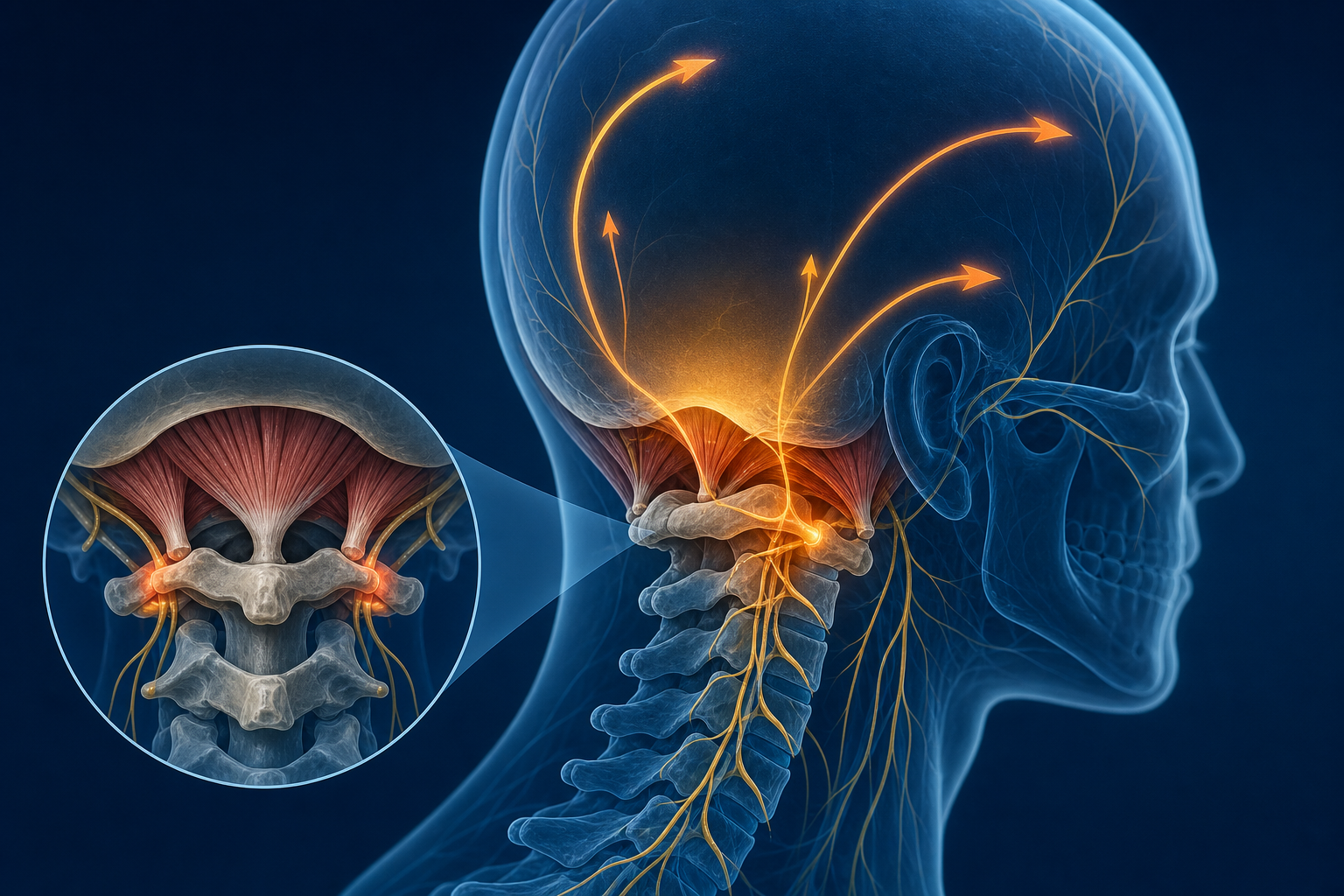
Misalignments in the upper cervical spine can disrupt nerve signals and blood flow to the brain. Chiropractic adjustments help restore alignment, potentially alleviating symptoms.
Vestibular Rehabilitation:
Specific exercises and manual techniques can target the vestibular system to improve balance and reduce vertigo symptoms.
Postural Corrections:
Poor posture may contribute to dizziness by compressing the neck's blood vessels and nerves. Chiropractors focus on improving posture for better nerve function.
Educational Guidance:
Chiropractors often provide advice on lifestyle modifications, including hydration, stress management, and exercises that can help minimize episodes of vertigo or dizziness.
Evidence Supporting Chiropractic Care
Studies have indicated that chiropractic manipulation, particularly of the upper cervical spine, can reduce symptoms of vertigo. Adjustments improve the nervous system's function, which may positively influence vestibular and balance-related issues.
Patient Experience: A Case Study
A 45-year-old patient with chronic vertigo reported significant improvement after six weeks of chiropractic care. Initial assessments revealed a misalignment in the atlas (C1 vertebra). After targeted adjustments and vestibular exercises, the patient experienced fewer episodes and improved balance.
When to Seek Chiropractic Help
Chiropractic care may be appropriate if:
- You experience frequent vertigo or dizziness with no known systemic causes.
- Symptoms persist despite medical treatments.
- Imaging shows cervical spine misalignments.
Understanding the differences between vertigo and dizziness is vital for effective management. Chiropractic care offers a non-invasive, holistic option for addressing these conditions, focusing on alignment, balance, and the overall nervous system's health. If you're experiencing these symptoms, consider consulting a chiropractor to explore a natural approach to relief.