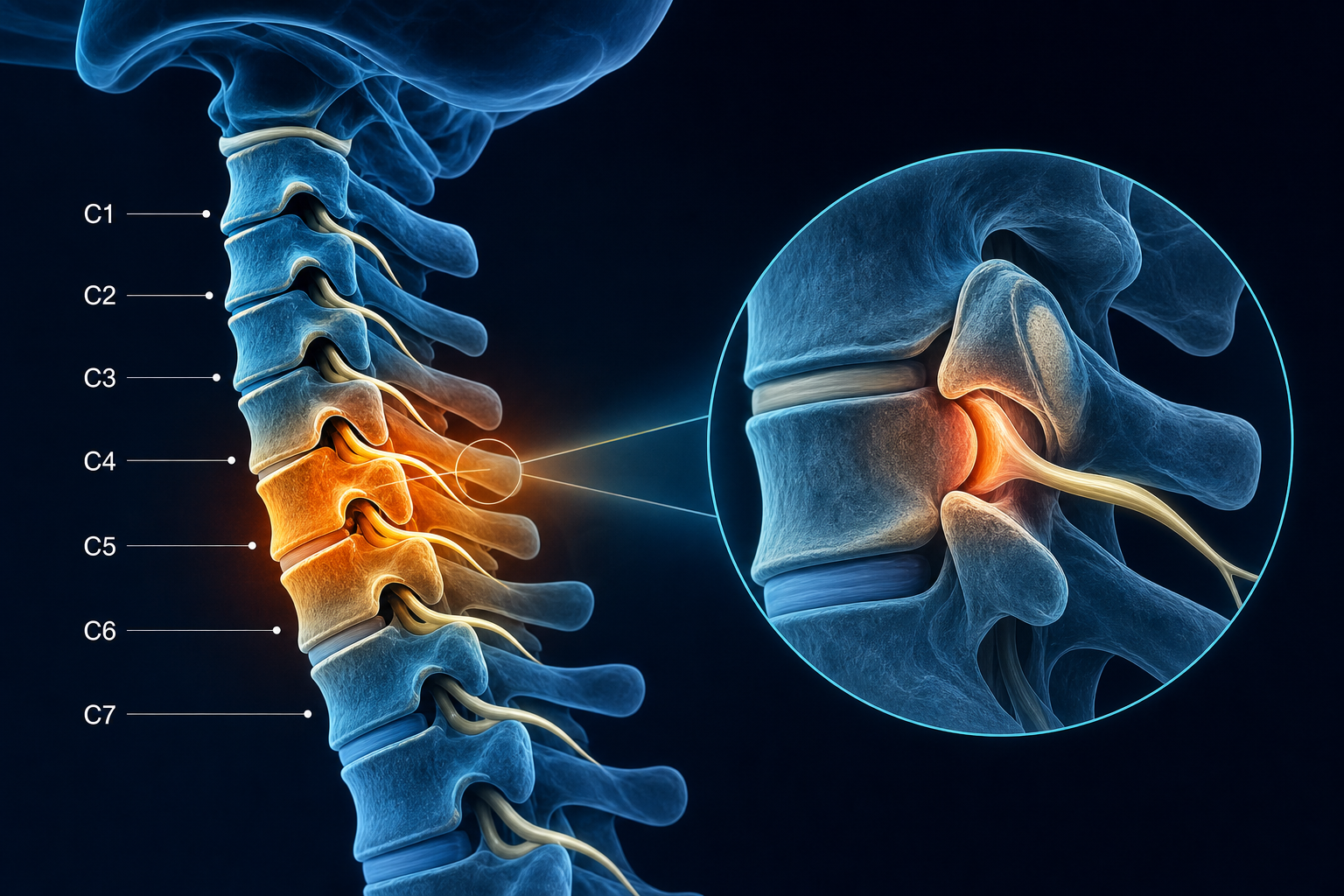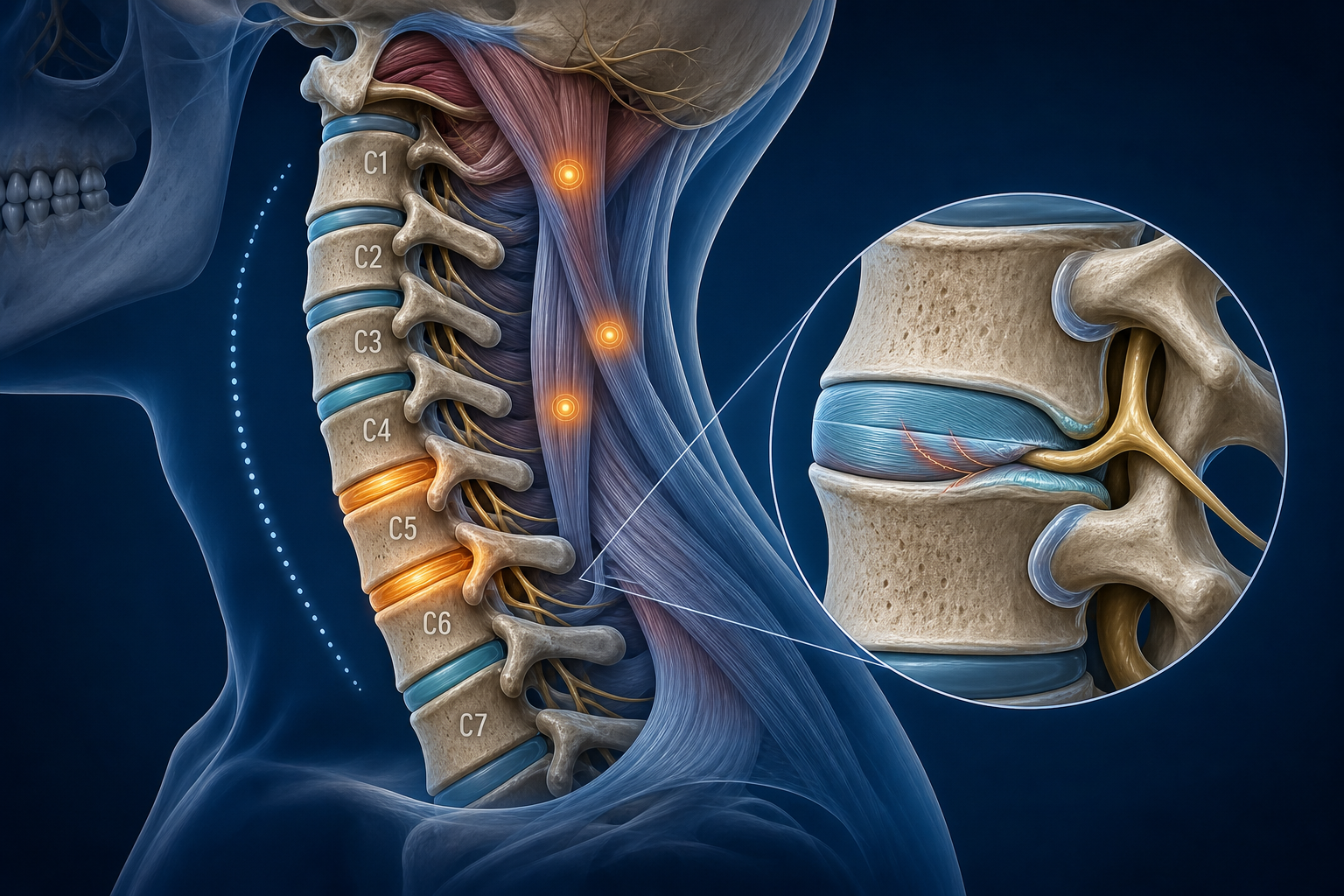
If you've been dealing with persistent headaches, neck pain, or other symptoms that haven't responded well to conventional treatment, you may have come across the term upper cervical chiropractic care. It's a specialized branch of chiropractic that has been growing in both practice and patient interest across Northeast Ohio. This guide explains what upper cervical care is, how it differs from traditional chiropractic, what conditions it may address, and how to find a qualified upper cervical chiropractor near Cleveland, Ohio.
\n\nWhat Is Upper Cervical Chiropractic Care?
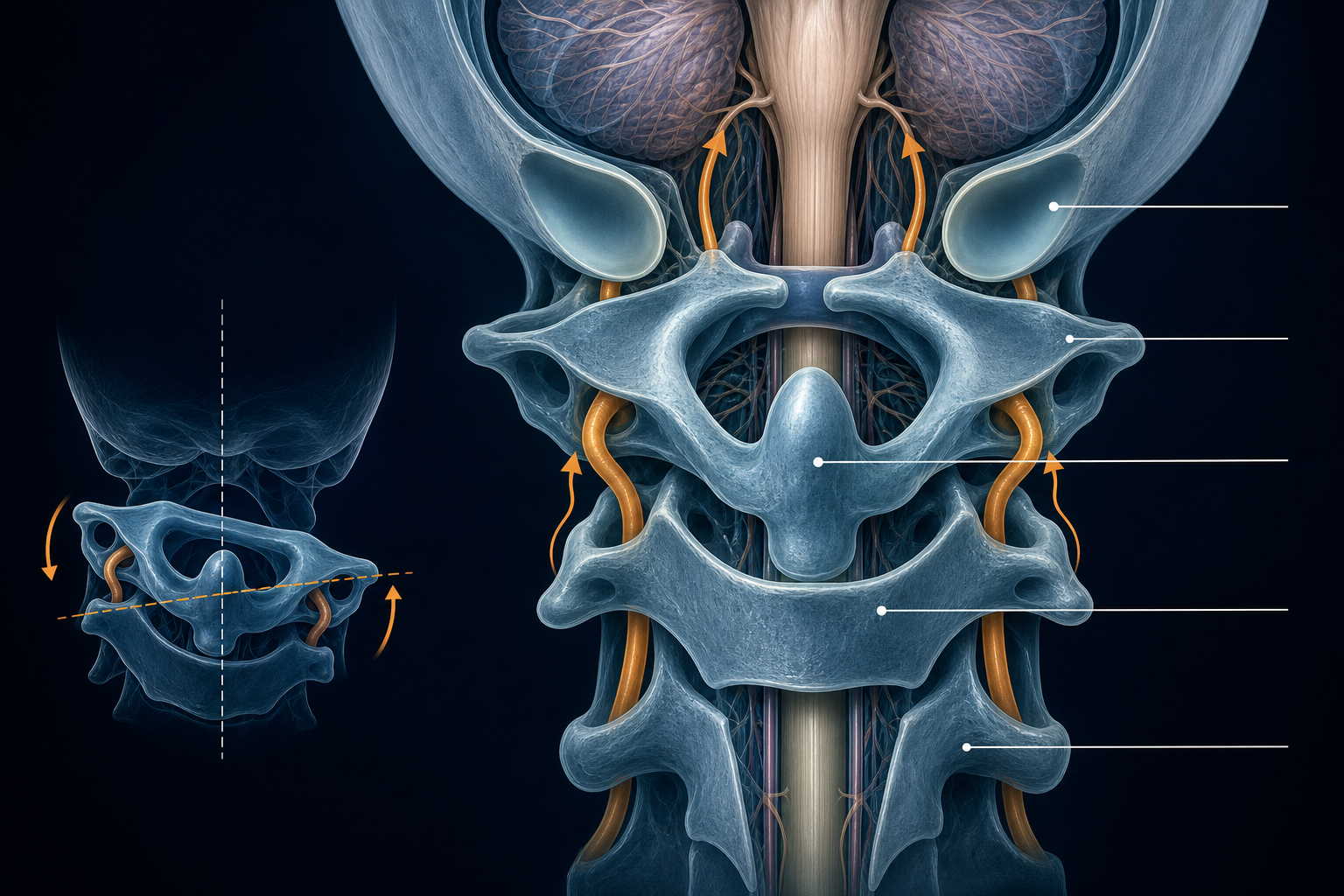
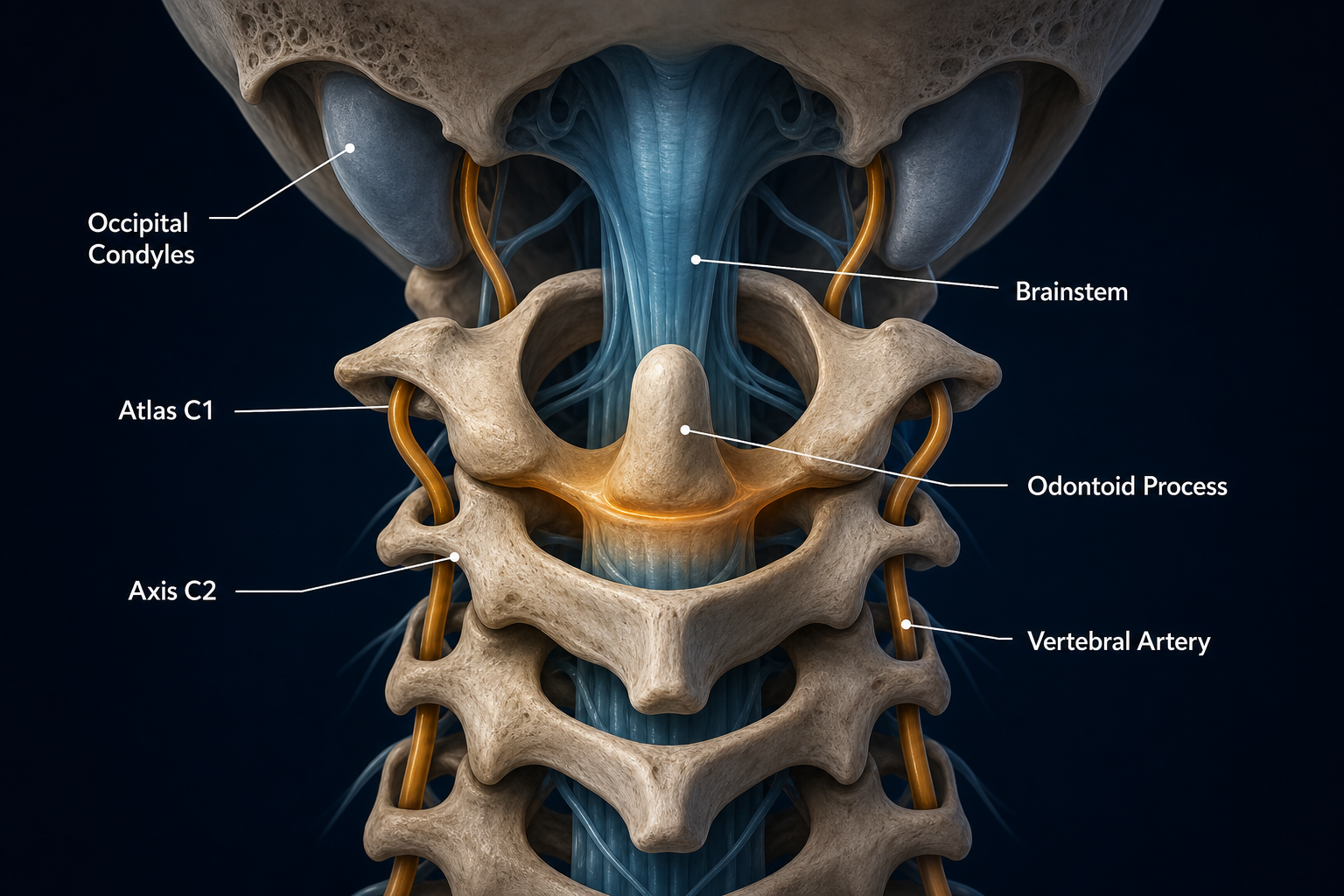
\n\nUpper cervical chiropractic care is a discipline that concentrates specifically on the uppermost two vertebrae in the spine: the atlas (C1) and the axis (C2). These bones sit directly beneath the skull and surround the brainstem — a region that plays a significant role in how the central nervous system communicates with the rest of the body.
\n\nWhen the atlas or axis shifts even slightly out of alignment, it may place pressure on surrounding nerves, alter cerebrospinal fluid flow, and disrupt the body's overall neurological balance. Upper cervical specialists are trained to detect and correct these subtle misalignments using precise, low-force techniques rather than the manual twisting or "cracking" commonly associated with traditional chiropractic adjustments.
\n\nSeveral technique systems fall under the upper cervical umbrella, including NUCCA (National Upper Cervical Chiropractic Association), Blair, Atlas Orthogonal, and Knee Chest Upper Cervical. Each uses specific imaging and measurement protocols to tailor the correction to the individual patient's anatomy.
\n\nUpper Cervical Care vs. Traditional Chiropractic: Key Differences
\n\nPatients often ask how upper cervical care differs from the chiropractic adjustments they may have received in the past. The distinctions are meaningful:
\n\n- \n
- Area of focus: Traditional chiropractic addresses the full spine and often includes the mid-back, lower back, and extremities. Upper cervical care focuses exclusively on C1 and C2.\n
- Adjustment force: Upper cervical corrections are typically low-force, measured, and instrument-assisted or hand-delivered at precise angles. There is generally no high-velocity thrust and no audible "crack."\n
- Imaging protocol: Upper cervical practitioners usually take a series of specialized X-rays or cone-beam CT scans before any adjustment to map the exact direction and degree of misalignment.\n
- Visit frequency: Because the goal is to hold the correction as long as possible, upper cervical patients may see their provider less frequently once an initial response is established.\n
For a broader look at how chiropractic disciplines compare, see our overview of chiropractic technique types.
\n\nConditions That May Be Treated by an Upper Cervical Chiropractor
\n\nUpper cervical care is not limited to neck complaints. Because the brainstem and upper cervical nerves influence so many body systems, a misalignment in this region has been associated with a diverse range of symptoms. Conditions that patients commonly seek upper cervical care for include:
\n\n- \n
- Migraines and chronic headaches — Upper cervical misalignment may affect blood flow and nerve signaling in ways that contribute to migraine patterns. Some patients report meaningful reduction in frequency and intensity after correction, though individual results vary.\n
- Neck pain and stiffness — Tension and restricted range of motion at C1–C2 can refer pain into the shoulders and skull base.\n
- Vertigo and dizziness — Proprioceptive disruption near the atlas is associated with balance problems in some patients.\n
- TMJ discomfort — The jaw's alignment and muscle function have anatomical relationships to the upper cervical region.\n
- Post-concussion symptoms — Some practitioners work with patients managing lingering concussion effects, though this requires careful clinical evaluation.\n
- Fibromyalgia and chronic pain syndromes — Research in this area is still developing, but some patients with systemic pain conditions explore upper cervical care as part of a broader conservative care plan.\n
Upper cervical care is not a replacement for medical diagnosis or treatment of serious conditions. Always consult a licensed healthcare provider about your specific symptoms before beginning any new care protocol.
\n\nIf neck pain following an auto accident or injury is your primary concern, our guide to chiropractic care for whiplash may also be relevant to your situation.
\n\nWhat to Expect at Your First Upper Cervical Chiropractic Visit in Cleveland
\n\nYour first appointment with an upper cervical specialist will look and feel different from a standard chiropractic intake. Here's a general outline of what most practices follow:
\n\nComprehensive History and Neurological Screening
\nThe provider will take a detailed health history, asking about the onset of your symptoms, any past injuries — including falls, car accidents, or sports trauma — and how those events may relate to your current complaints. Many upper cervical practitioners also perform neurological screenings using thermography, surface EMG, or posture analysis.
\n\nPrecise Diagnostic Imaging
\nBefore any adjustment, you will typically receive a series of specialized X-rays taken from precise angles. These are used to calculate the exact vectors needed to correct your specific misalignment — no two patients receive an identical adjustment.
\n\nA Gentle, Low-Force Correction
\nThe adjustment itself is often surprisingly subtle. Depending on the technique used, it may involve a light instrument contact behind the ear or a measured hand pressure at a specific angle. There is no cracking, twisting, or forceful rotation of the neck.
\n\nRest and Observation
\nMany upper cervical offices ask patients to rest in a reclined chair for 15–20 minutes after the adjustment so the provider can reassess the nervous system response before you leave.
\n\nTo prepare for your visit, review our list of questions to ask a chiropractor at your first appointment — several apply directly to upper cervical care.
\n\nHow Long Does Upper Cervical Care Take to Work?
\n\nThis is one of the most common questions patients ask, and the honest answer is: it depends. Some patients notice changes in symptoms within the first few visits. Others with long-standing or complex conditions may need several weeks before they begin to see consistent improvement. Factors that influence the timeline include the duration and severity of the original injury, age, overall health, and how well the body holds the initial correction.
\n\nUpper cervical providers typically re-examine patients at defined intervals to track progress objectively. If you are not seeing any response after a reasonable trial period, a good practitioner will say so and discuss other care options.
\n\nIs Upper Cervical Chiropractic Safe?
\n\nUpper cervical techniques are among the most studied low-force chiropractic approaches. Because they avoid high-velocity manipulation of the neck, many patients who have been told they are not candidates for traditional cervical adjustments find upper cervical care a more appropriate option. That said, a thorough intake examination and imaging review is essential before any cervical care is initiated. Inform your provider of any history of osteoporosis, vascular conditions, or prior cervical surgery.
\n\nFor a broader discussion of safety considerations in chiropractic, see our patient guide to chiropractic safety.
\n\nFinding an Upper Cervical Specialist Near Cleveland, Ohio
\n\nCleveland and the surrounding Northeast Ohio region — including communities such as Westlake, Strongsville, Beachwood, Parma, and Mentor — have a growing number of chiropractors who specialize in upper cervical techniques. When evaluating providers, consider asking:
\n\n- \n
- Which upper cervical technique system do you use (NUCCA, Blair, Atlas Orthogonal, etc.)?\n
- What imaging protocol do you follow before an adjustment?\n
- How do you measure whether the adjustment is holding?\n
- What does a typical care plan look like for someone with my primary complaint?\n
- Do you co-manage with other providers when appropriate?\n
You can search for credentialed chiropractors in the Cleveland area — including those with upper cervical specialization — through the Medximity Cleveland chiropractor directory. Provider profiles include specialty focus areas, accepted insurance, and patient reviews to help you make an informed comparison.
\n\nIf your symptoms also involve the mid or lower back, exploring a physical therapist in Cleveland alongside upper cervical care may support a more comprehensive recovery plan.
\n\n\n\n\nFrequently Asked Questions About Upper Cervical Care in Cleveland, Ohio
\n\nWhat is upper cervical chiropractic care?
\nUpper cervical chiropractic care is a specialized technique that focuses on correcting misalignments in the atlas (C1) and axis (C2) — the top two vertebrae in the spine. Practitioners use precise imaging and low-force adjustments to restore alignment and improve nervous system function.
\n\nIs upper cervical adjustment safe without cracking?
\nYes. Upper cervical techniques are specifically designed to avoid high-velocity thrusting. The corrections are gentle, measured, and do not produce the audible sound associated with traditional cervical manipulation. Most patients report that the adjustment is barely perceptible in terms of force.
\n\nCan upper cervical care help with migraines and headaches?
\nSome patients with chronic migraines and tension headaches report improvement following upper cervical care. The atlas region has anatomical relationships to the brainstem, vascular structures, and the trigeminal nerve system that may contribute to headache patterns. Results vary by individual, and upper cervical care should be evaluated as part of a broader headache management approach.
\n\nHow long does upper cervical care take to work?
\nResponse time varies. Some patients notice changes within the first few sessions; others with longer-standing conditions may need several weeks. Your provider should track progress with objective reassessments and communicate honestly about your response to care.
\n\nHow is upper cervical care different from regular chiropractic?
\nTraditional chiropractic addresses the full spine with a range of techniques, often including manual thrusts. Upper cervical care focuses exclusively on C1 and C2, uses specialized X-ray analysis before any adjustment, and employs low-force, highly precise corrections aimed at holding alignment rather than adjusting repeatedly.
\n\nHow do I find an upper cervical chiropractor near Cleveland, Ohio?
\nThe Medximity provider directory allows you to search for chiropractors in Cleveland and surrounding Northeast Ohio communities. Look for providers who list upper cervical techniques such as NUCCA, Atlas Orthogonal, or Blair in their profile, and review their specialty focus before scheduling.
\n\n\n\n", "faq_data": [ { "q": "What is upper cervical chiropractic care?", "a": "Upper cervical chiropractic care is a specialized technique focused on correcting misalignments in the atlas (C1) and axis (C2) — the top two vertebrae of the spine. Using precise imaging and low-force adjustments, practitioners aim to restore alignment and improve nervous system function." }, { "q": "Is upper cervical adjustment safe without cracking?", "a": "Yes. Upper cervical techniques are designed to avoid high-velocity thrusting and do not produce an audible crack. The corrections are gentle, measured, and considered by most practitioners to be among the safest approaches to cervical chiropractic care." }, { "q": "Can upper cervical care help with migraines and headaches?", "a": "Some patients with chronic migraines and headaches report improvement after upper cervical care. The atlas region has anatomical relationships to the brainstem and surrounding vascular and nerve structures that may influence headache patterns. Individual results vary, and care should be considered as part of a broader management approach." }, { "q": "How long does upper cervical care take to work?", "a": "Response time varies by patient. Some notice changes within a few sessions; others with longer-standing conditions may need several weeks. A good upper cervical provider will use objective reassessments to track your progress and communicate honestly about your response to care." }, { "q": "How is upper cervical care different from regular chiropractic?", "a": "Traditional chiropractic typically addresses the full spine and may use high-velocity manual thrusts. Upper cervical care focuses only on C1 and C2, requires specialized pre-adjustment imaging, and uses precise low-force corrections aimed at holding alignment between visits." }, { "q": "How do I find an upper cervical chiropractor near Cleveland, Ohio?", "a": "The Medximity provider directory lets you search for chiropractors in Cleveland and surrounding Northeast Ohio communities. Look for providers who list upper cervical specializations such as NUCCA, Atlas Orthogonal, or Blair technique in their profiles." } ], "key_takeaways": [ "Upper cervical chiropractic care targets the atlas (C1) and axis (C2) — the two vertebrae closest to the skull — using precise, low-force corrections.", "It differs from traditional chiropractic in its narrow anatomical focus, specialized imaging protocols, and absence of high-velocity neck manipulation.", "Conditions commonly associated with upper cervical misalignment include migraines, neck pain, vertigo, and TMJ discomfort, though individual responses vary.", "A first visit typically includes a detailed history, specialized X-rays, a gentle adjustment, and a post-adjustment rest period.", "Response time varies — some patients notice improvement quickly, while others with complex or long-standing issues may need several weeks of care.", "Cleveland and surrounding Northeast Ohio communities have a growing number of chiropractors who specialize in upper cervical techniques.", "Always consult a licensed healthcare provider before beginning any new treatment to ensure it is appropriate for your specific situation." ], "tags": [ "upper cervical care", "chiropractic", "Cleveland Ohio", "neck pain", "migraines", "headache relief", "NUCCA", "atlas orthogonal", "conservative care", "Northeast Ohio", "chiropractic techniques", "upper cervical chiropractor" ], "schema_markup": { "@context": "https://schema.org", "@type": "Article", "headline": "Upper Cervical Care in Cleveland, Ohio: What It Is and Who It Helps", "description": "A patient-focused guide to upper cervical chiropractic care in Cleveland, Ohio — covering what it is, how it works, conditions it may help, and how to find a qualified specialist.", "author": { "@type": "Organization", "name": "Medximity" }, "publisher": { "@type": "Organization", "name": "Medximity", "url": "https://www.medximity.com" }, "mainEntityOfPage": { "@type": "WebPage", "@id": "https://www.medximity.com/blog/upper-cervical-care-cleveland-ohio" }, "keywords": "upper cervical care cleveland ohio, upper cervical chiropractor near Cleveland Ohio, what is upper cervical chiropractic care, upper cervical care for migraines, upper cervical adjustment neck pain", "articleSection": "Chiropractic Care", "about": [ { "@type": "MedicalCondition", "name": "Cervical Misalignment" }, { "@type": "MedicalTherapy", "name": "Upper Cervical Chiropractic Adjustment" } ] } }