Aging is a natural part of life, and with it comes various changes to our bodies, including our joints. These changes can affect mobility, comfort, and overall quality of life. However, understanding these changes and knowing how to care for our joints can make a significant difference. One effective way to maintain joint health as we age is through chiropractic care. This holistic approach focuses on the root causes of pain and emphasizes movement, providing numerous benefits without relying on medications.
The Anatomy of Joints
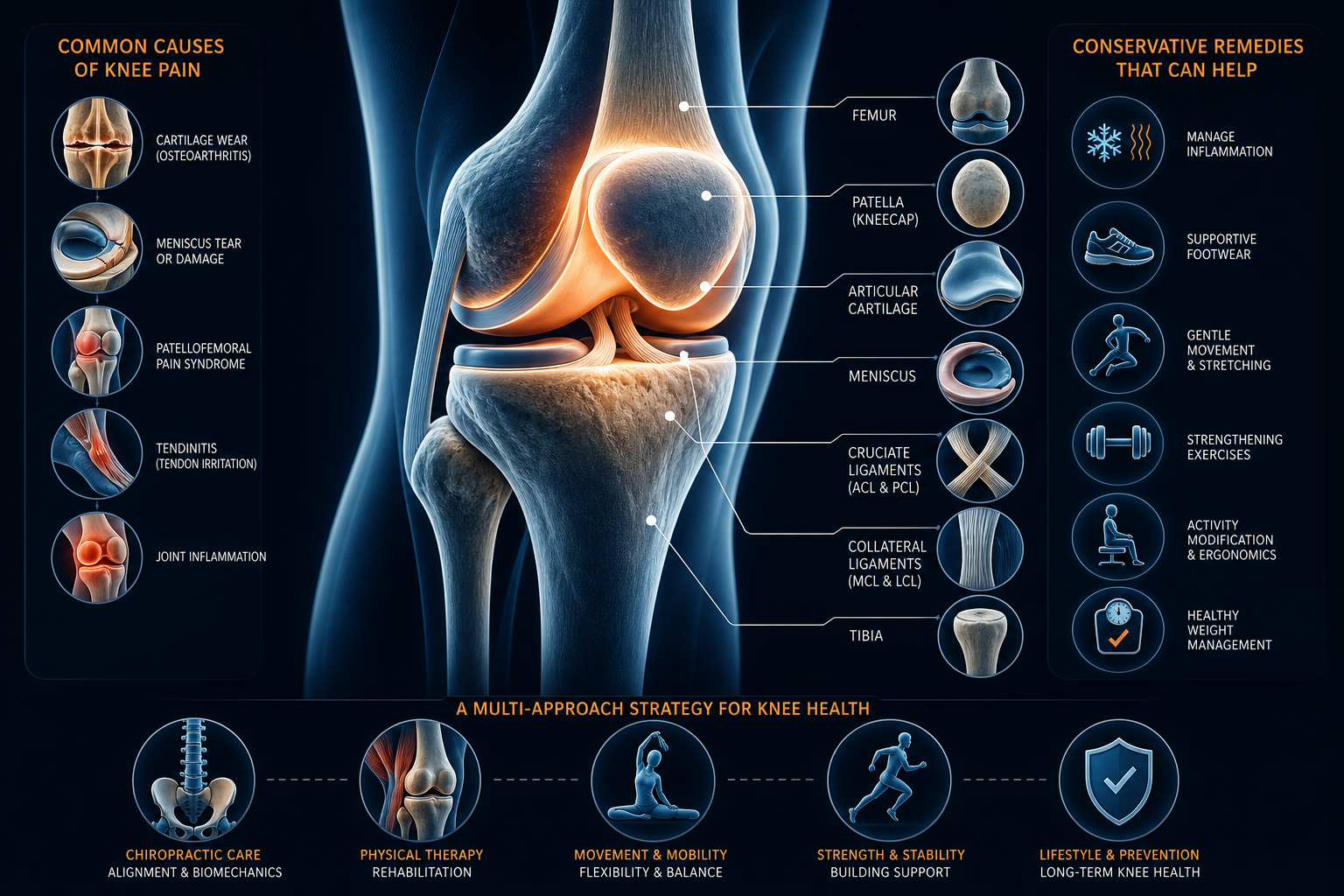
Joints are the connections between bones that allow for movement and provide support. They are made up of several components, including cartilage, synovial fluid, muscles, ligaments, and bones. Each part plays a crucial role in the joint's function and health:
- Cartilage: This smooth, rubbery tissue covers the ends of bones and reduces friction during movement.
- Synovial Fluid: This lubricating fluid in the joint capsule keeps the cartilage smooth and minimizes wear and tear.
- Muscles and Ligaments: These tissues support the joint and enable movement.
- Bones: The structural components of joints that provide the framework for our bodies.
Changes in Joints as We Age
As we age, several changes occur in our joints, leading to common issues like pain, stiffness, and reduced mobility. Here are some of the key changes:
1. Cartilage Wear and Tear
- Over time, cartilage can wear down due to repetitive movements and stress on the joints. This degradation leads to conditions such as osteoarthritis, characterized by pain and stiffness.
2. Reduced Synovial Fluid
- Aging decreases the production of synovial fluid, leading to less lubrication in the joints. This reduction increases friction and can cause discomfort and inflammation.
3. Weaker Muscles and Ligaments
- The muscles and ligaments that support joints can weaken with age, leading to joint instability. This instability can increase the risk of injuries and exacerbate joint pain.
4. Bone Density Changes
- Bones lose density as we age, becoming more brittle and prone to fractures. This is particularly concerning for weight-bearing joints like the hips and knees.
The Role of Chiropractic Care
Chiropractic care offers a holistic approach to joint health, focusing on the root causes of pain and emphasizing movement. Unlike medications, which can have side effects and potentially lead to joint damage over time, chiropractic care addresses musculoskeletal conditions through non-invasive methods. Here are some key benefits:
Pain Relief
- Chiropractors use manual adjustments to alleviate pain by realigning the spine and joints. This realignment can reduce pressure on nerves and improve overall joint function.
Improved Mobility
- Regular chiropractic care helps maintain and improve joint mobility. By ensuring proper alignment and function, chiropractic adjustments can enhance flexibility and reduce stiffness.
Holistic Approach
- Chiropractic care considers the whole body, addressing not just the symptoms but the underlying causes of joint issues. This approach can include recommendations for exercise, nutrition, and lifestyle changes to support joint health.
Prevention of Joint Damage
- By focusing on natural methods and avoiding medications, chiropractic care minimizes the risk of side effects and long-term joint damage associated with some pharmaceutical treatments.
Maintaining Joint Health Through Chiropractic Care
Incorporating chiropractic care into your routine can significantly enhance joint health as you age. Here are some tips to consider:
1. Regular Chiropractic Visits
- Regular visits to a chiropractor can help maintain proper joint alignment and function. These adjustments can prevent minor issues from becoming major problems.
2. Exercise and Movement
- Staying active is crucial for joint health. Your chiropractor can recommend specific exercises to strengthen muscles and improve flexibility, reducing the strain on your joints.
3. Healthy Diet
- A balanced diet rich in nutrients supports joint health. Foods high in omega-3 fatty acids, calcium, and vitamin D can help maintain cartilage and bone density.
4. Hydration
- Drinking plenty of water helps keep your joints lubricated and reduces the risk of cartilage wear.
5. Posture and Ergonomics
- Proper posture and ergonomics can prevent unnecessary stress on your joints. Chiropractors can offer guidance on maintaining good posture and creating an ergonomic environment at work and home.
Conclusion
Aging inevitably brings changes to our joints, but with the right care and attention, we can maintain joint health and enjoy an active, pain-free life. Chiropractic care offers a holistic, non-invasive approach to managing joint health by addressing the root causes of pain and emphasizing movement. By incorporating chiropractic care into your routine, along with healthy lifestyle choices, you can enhance your joint health and overall well-being.
For more information on how chiropractic care can benefit you, visit Medximity.
By focusing on a holistic approach and natural methods, chiropractic care provides an effective way to manage and maintain joint health as we age. Consider incorporating chiropractic care into your health routine to experience these benefits firsthand.