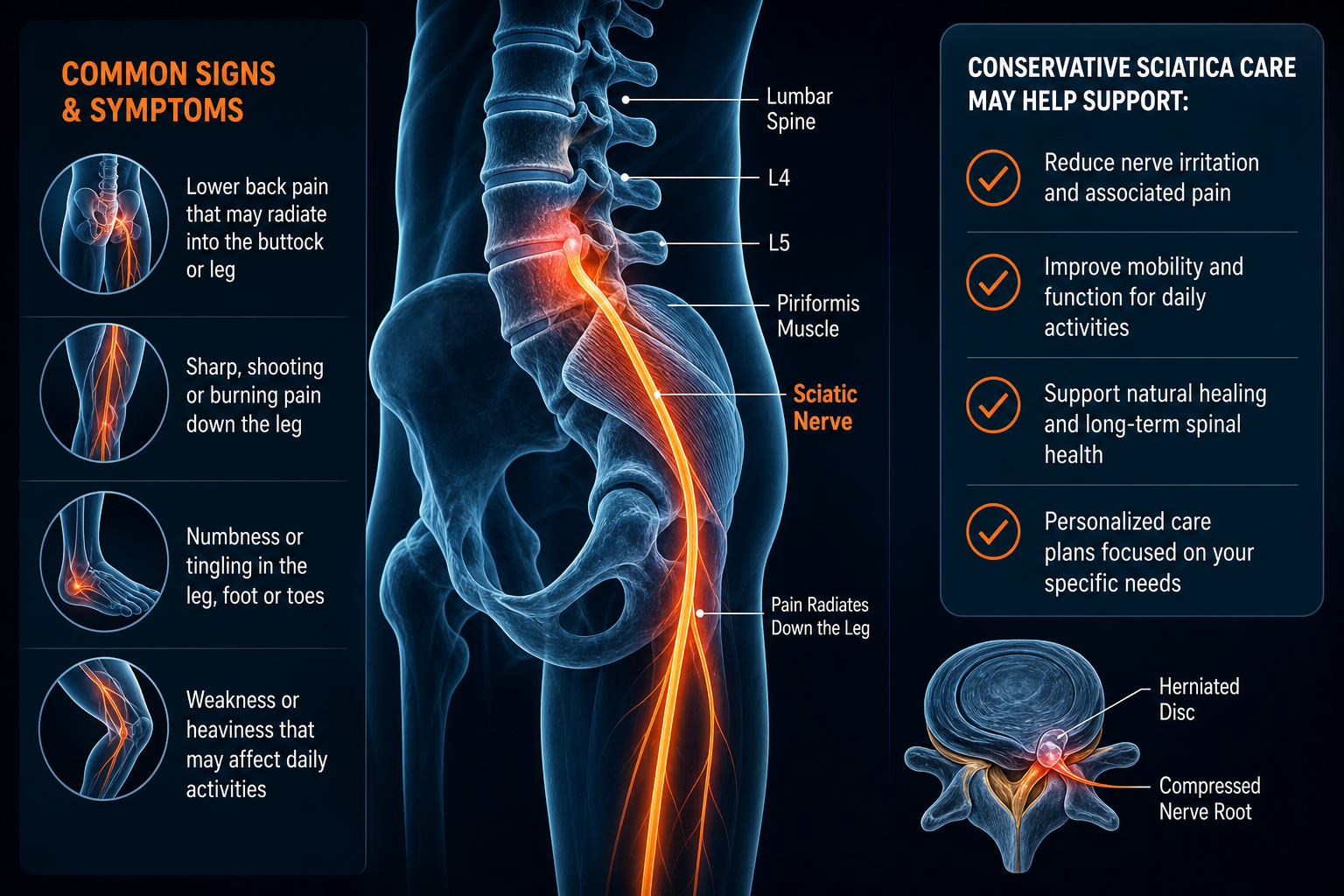
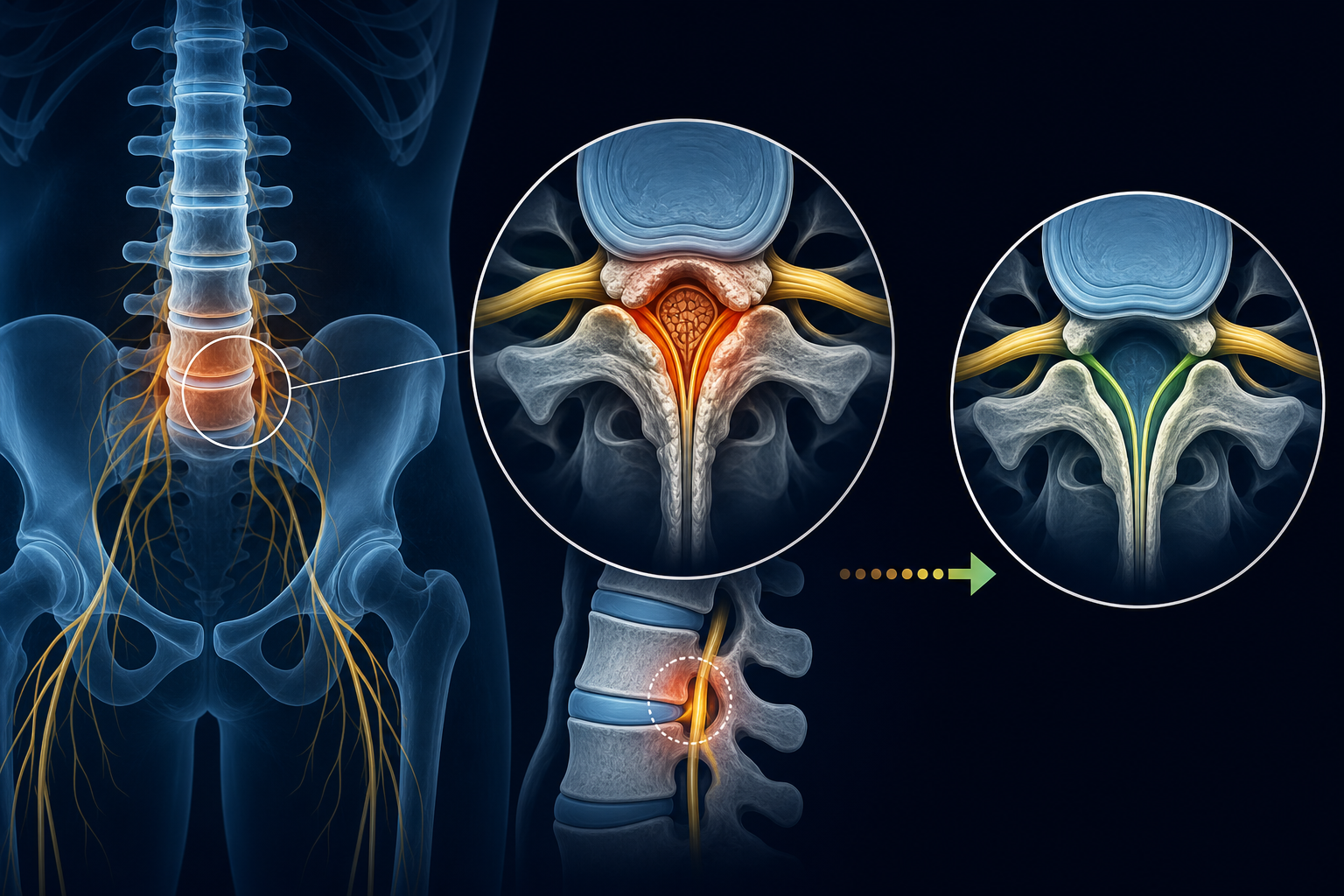
Scoliosis is a medical condition characterized by an abnormal lateral curvature of the spine. It often leads to back pain and can affect individuals of all ages. This article aims to explore the causes, symptoms, and non-invasive treatment options for scoliosis and associated back pain, providing a comprehensive guide for managing these conditions effectively.
Scoliosis
Prevalence and Impact: Scoliosis affects approximately 2-3% of the population, with varying degrees of severity. Back pain is a common symptom associated with scoliosis, impacting quality of life.
Causes: The exact cause of scoliosis is often unknown (idiopathic), but it can also result from congenital spinal malformations, neuromuscular conditions, or degenerative spinal diseases.
Symptoms: Key symptoms include visible spinal curvature, uneven shoulders or hips, and back pain.
Non-Invasive Treatments: Effective treatments include physical therapy, chiropractic care, bracing, and lifestyle modifications.
Causes of Scoliosis
Idiopathic Scoliosis: The most common form, particularly in adolescents, where the exact cause is unknown.
Congenital Scoliosis: Resulting from spinal abnormalities present at birth.
Neuromuscular Scoliosis: Associated with conditions such as cerebral palsy or muscular dystrophy that affect muscle control.
Degenerative Scoliosis: Occurs in adults due to age-related changes in the spine, such as osteoarthritis.
Symptoms of Scoliosis
Visible Curvature: A noticeable curve in the spine, often in an "S" or "C" shape.
Uneven Shoulders or Hips: One shoulder or hip may appear higher than the other.
Back Pain: Common in adults with scoliosis, ranging from mild to severe, often worsening with activity.
Limited Mobility: Reduced flexibility and movement in the spine.
Fatigue: Muscle strain from trying to maintain an upright posture.
Non-Invasive Treatments for Scoliosis and Back Pain - Physical Therapy:
Exercise Programs: Tailored exercises to strengthen the back muscles, improve flexibility, and reduce pain.
Manual Therapy: Techniques to increase spinal mobility and alleviate discomfort.
Chiropractic Care:
Spinal Adjustments: Chiropractors use manual adjustments to improve spinal alignment and relieve pain.
Posture Correction: Guidance on maintaining proper posture to reduce strain on the spine.
Bracing:
Custom Braces: Particularly effective in children and adolescents to prevent further curvature progression.
Wear Schedule: Braces are typically worn for most of the day and night, depending on the severity of the curve.
Lifestyle Modifications:
Weight Management: Maintaining a healthy weight to reduce strain on the spine.
Ergonomic Adjustments: Using ergonomic furniture and proper lifting techniques to prevent further injury.
Regular Exercise: Incorporating activities like swimming or yoga to strengthen the back and improve flexibility.
Alternative Therapies:
Massage Therapy: Helps reduce muscle tension and pain.
Acupuncture: Some individuals find relief through acupuncture, which can help manage pain and improve overall well-being.
When to See a Doctor
Persistent or Worsening Pain: If back pain continues or worsens over time, it is crucial to seek medical advice.
Visible Deformities: Noticeable changes in spinal curvature, uneven shoulders, or hips should be evaluated by a healthcare professional.
Functional Limitations: Difficulty performing daily activities due to pain or reduced mobility warrants a medical consultation.
Screening in Adolescents: Regular check-ups for children and adolescents can help detect scoliosis early, allowing for more effective management.
Related Issues
Mental Health Impact: Chronic back pain and visible deformities can lead to anxiety and depression. Addressing these psychological aspects through counseling and support groups is important.
Workplace Adjustments: Ensuring an ergonomic work environment and taking regular breaks can help manage symptoms for individuals with scoliosis.
Sleep Hygiene: Using a supportive mattress and pillows can alleviate back pain and improve sleep quality.
Preventive Measures: Regular physical activity, maintaining good posture, and avoiding activities that strain the back can help prevent scoliosis-related complications.
Scoliosis and associated back pain are prevalent conditions that can significantly affect one's quality of life. Understanding the causes and symptoms is crucial for seeking appropriate treatment. Non-invasive treatments such as physical therapy, chiropractic care, bracing, and lifestyle modifications can provide significant relief and improve spinal health. Staying informed and proactive in managing scoliosis and back pain is key to maintaining overall well-being.