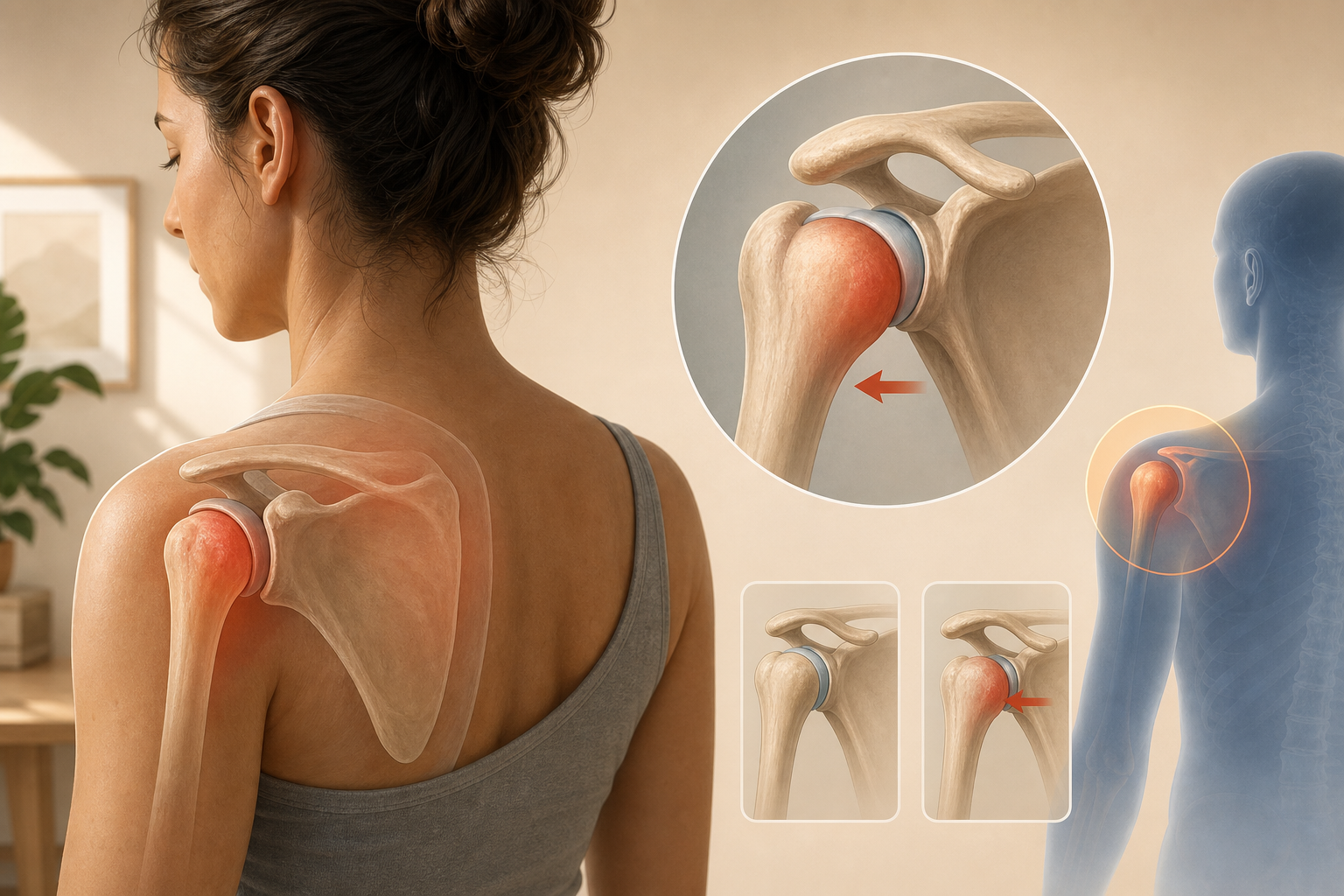
Hand bursitis is inflammation of a bursa — a small, fluid-filled sac that cushions bones, tendons, and soft tissue — occurring in the hand or wrist. It produces localized swelling, tenderness, and restricted movement, and responds well to conservative care in most cases without any surgical intervention.
What Is Hand Bursitis?
A bursa functions as a friction-reducing interface between moving structures. When one becomes irritated — through repetitive stress, direct trauma, or systemic inflammation — the sac fills with excess fluid and swells. The result is what is bursitis in the hand: a painful, often visible lump that worsens with use and eases with rest.
The hand contains several small bursae, and unlike the shoulder or knee, bursitis here is frequently underdiagnosed because it mimics other common hand conditions. Identifying it correctly determines whether your treatment plan actually works.
Where Bursitis Occurs in the Hand and Wrist
Bursae in the hand are small but anatomically significant. The most clinically relevant locations include:
- Dorsal (back of hand) subcutaneous bursae — over the metacarpophalangeal (MCP) joints, particularly the 2nd and 3rd knuckles
- Radial bursa — wraps around the flexor pollicis longus tendon in the wrist and thumb; communicates with the carpal tunnel in roughly 50% of people
- Ulnar bursa — surrounds the flexor digitorum tendons through the carpal tunnel; inflammation here can mimic carpal tunnel syndrome
- Subcutaneous olecranon-adjacent bursae at the wrist — less common, associated with rheumatoid arthritis
- Intermetacarpal bursae — between the metacarpal heads, irritated by pinching or gripping motions
Location matters. Radial or ulnar bursa involvement typically presents with diffuse wrist and palm pain, while MCP bursitis produces a discrete swollen lump directly over a knuckle.
What Are the Common Symptoms of Hand Bursitis?
Hand bursitis symptoms and treatment options depend significantly on which bursa is affected and how long it has been inflamed. Core symptoms include:
- A swollen, painful lump on the back of the hand or over a knuckle — soft and compressible when acute, firmer when chronic
- Localized warmth and redness over the affected bursa
- Pain that increases with gripping, pinching, or direct pressure
- Stiffness in the adjacent finger or wrist joint, especially in the morning
- Reduced grip strength
Acute bursitis develops over days following trauma or sudden overuse. Chronic bursitis builds gradually over weeks to months and often presents with thickened bursal walls on imaging.
Red flag: If the swelling is hot, rapidly enlarging, and accompanied by fever or red streaks tracking up the forearm, seek urgent care immediately — these are signs of septic (infected) bursitis, which requires medical treatment beyond conservative care.
What Causes Bursitis in the Fingers and Wrist?
Repetitive mechanical stress is the most common driver. Occupations and activities that load the hand repeatedly — assembly line work, construction, racket sports, and extended keyboard use — create cumulative microtrauma to bursal tissue.
Primary Causes
- Repetitive gripping or pinching — compresses intermetacarpal and MCP bursae
- Direct blunt trauma — a single impact over a knuckle can trigger acute bursitis
- Prolonged pressure — resting the dorsal hand on hard surfaces repeatedly
- Rheumatoid arthritis — systemic synovial inflammation extends to bursae
- Gout or pseudogout — crystal deposition within the bursa
Occupational Risk Factors
Mechanics, dental hygienists, musicians, and data entry workers carry elevated risk. Hand bursitis from keyboard use typically involves the radial or ulnar bursa secondary to sustained wrist flexion and ulnar deviation.
Hand Bursitis vs. Other Hand Conditions
Understanding the bursitis in wrist vs tendonitis difference — and how bursitis differs from ganglion cysts or trigger finger — prevents months of misdirected self-treatment.
Condition Location Key Distinguishing Feature Movement Affected Hand Bursitis Over joints or in wrist canal Soft, fluctuant swelling; worsens with compression Gripping, pinching Tendinitis Along tendon course Pain along tendon length; no discrete lump Resisted movement Ganglion Cyst Dorsal wrist most common Firm, transilluminates under flashlight Wrist extension Trigger Finger A1 pulley at MCP joint Clicking/locking with finger flexion Finger flexion/extension Rheumatoid Arthritis Bilateral MCP/PIP joints Symmetric, systemic symptoms present Multiple jointsA provider can typically distinguish these through physical examination. Imaging confirms when the clinical picture is unclear.
How Is Hand Bursitis Diagnosed?
How is bursitis in the hand diagnosed? In most cases, clinical examination is sufficient. A provider will assess the location, consistency, and compressibility of the swelling, test active and passive ROM of adjacent joints, and reproduce symptoms with provocative loading.
Diagnostic Tools
- Ultrasound — first-line imaging; shows bursal fluid, wall thickening, and rules out tendon tears in real time
- MRI — used when ultrasound is inconclusive or deep bursae (radial/ulnar) are suspected
- X-ray — rules out bony abnormality, calcification, or erosive arthritis
- Blood work — ordered when gout, RA, or infection is suspected (uric acid, ESR, CRP, CBC)
Aspiration of bursal fluid is both diagnostic and therapeutic — the fluid appearance (clear, cloudy, or bloody) guides the differential diagnosis.
Conservative Treatment Options for Hand Bursitis
Natural treatment for hand bursitis without surgery is effective for the majority of cases. Most acute presentations resolve within 3–6 weeks with consistent conservative management. Chronic cases may require 8–12 weeks.
Physical Therapy
A physical therapist near you will address both the bursa and the biomechanical factors that caused it. Expect:
- Manual therapy to the wrist, MCP, and intercarpal joints to restore normal mechanics and reduce compressive loading on the bursa
- Therapeutic ultrasound — 1 MHz, pulsed mode over the affected bursa, typically 5–8 sessions
- Iontophoresis — transdermal delivery of anti-inflammatory agents through the skin without needles
- Progressive loading exercises beginning at week 2–3 to restore grip strength without re-aggravating the bursa
Chiropractic Care
A chiropractor addresses hand and wrist bursitis through joint mobilization of the carpal bones, MCP joints, and — importantly — the cervical spine and thoracic outlet, which can alter nerve and vascular supply to the hand. Restricted movement at C6–C7 or through the thoracic outlet increases distal tissue vulnerability. Restoring that mobility is part of a complete treatment plan.
Just as cervical dysfunction contributes to distal upper extremity problems — a principle well-established in managing conditions like nerve-referred pain from the spine — hand bursitis treatment benefits from addressing the full kinetic chain.
Self-Care Protocol
- Ice application: Wrap crushed ice in a thin cloth. Apply to the affected bursa for 15 minutes, 3 times daily for the first 72 hours.
- Compression: A tubular bandage over the hand reduces fluid accumulation without restricting circulation.
- Elevation: Keep the hand above heart level when resting — prop it on a pillow — to reduce fluid pooling.
- Relative rest: Avoid the specific motion that aggravates it. Complete immobilization slows healing; movement within a pain-free range maintains circulation and tissue health.
- Heat (after 72 hours): Moist heat for 10–15 minutes before gentle range-of-motion exercises to improve tissue extensibility.
Splinting
A custom or prefabricated wrist splint worn during aggravating activities — not continuously — reduces mechanical stress on the radial and ulnar bursae. Continuous splinting leads to stiffness and muscle atrophy; use it strategically.
Activity Modification and Ergonomic Adjustments
Ergonomic tips to reduce hand and wrist pain are particularly relevant for occupation-related bursitis. Returning to the same mechanical environment without modification guarantees recurrence.
- Keyboard: Keep wrists neutral — not flexed or extended. Use a padded wrist rest only during pauses, not while typing.
- Mouse: Switch to a vertical mouse to reduce ulnar deviation and pronation load.
- Tools: Use padded grips on frequently used hand tools. Rotate tasks every 30–45 minutes to distribute load.
- Workstation height: Elbow angle should be 90–110° with shoulders relaxed. A surface that is too high forces sustained wrist extension.
- Grip technique: Avoid sustained pinch grip. Use the whole hand when possible; distribute force across the palm.
Recovery Timeline: What to Expect
How long does hand bursitis take to heal depends on whether it is acute or chronic and whether the underlying cause is addressed.
Stage Timeframe Expected Milestones Acute phase Days 1–7 Swelling reduction with ice, compression, relative rest Sub-acute phase Weeks 2–4 Pain-free ROM returns; gentle strengthening begins Rehabilitation phase Weeks 4–8 Full grip strength, return to full activity with ergonomic modifications Chronic bursitis 8–12 weeks Slower resolution; manual therapy and progressive loading essentialPatients who continue aggravating activity throughout treatment extend recovery significantly. The single most predictive factor for faster healing is consistent activity modification in weeks 1–3.
Is It Normal for Hand Bursitis to Come Back?
Yes — recurrence is common when the mechanical cause is not corrected. Is it normal for hand bursitis to come back? In occupational cases where the work environment is unchanged, recurrence rates exceed 40%. Prevention requires:
- Sustained ergonomic modifications at workstations and during tool use
- Grip strength and wrist stability exercises continued beyond symptom resolution — specifically wrist extensor strengthening (eccentric wrist curls, 3 sets of 15 reps, 3 days/week) and intrinsic hand muscle exercises
- Periodic re-assessment by a PT or chiropractor if the same occupation continues
- Managing underlying systemic conditions (gout, RA) that predispose bursae to re-inflammation
The same principle applies across musculoskeletal conditions — whether managing sciatica or hand bursitis, long-term outcomes depend on correcting the root mechanical problem, not just treating the flare.
What to Do Next
Hand pain and stiffness that won't go away after 2–3 weeks of rest and self-care warrants a professional evaluation. A physical therapist or chiropractor can confirm the diagnosis, rule out tendon involvement or fracture, and build a structured plan that gets you back to full function.
Seek care routinely (within 1–2 weeks) if:
- Swelling persists despite rest and ice
- Grip strength is noticeably reduced
- You have a known history of gout or rheumatoid arthritis
Seek urgent care immediately if:
- The area is hot, rapidly swelling, and you have a fever — this is septic bursitis
- You had a puncture wound near the affected area
- Red streaking appears on the skin around the swelling
For hand bursitis treatment near me, find a chiropractor or physical therapist in your area through the Medximity provider directory. You can also explore more musculoskeletal health topics to understand related conditions affecting the upper extremity and spine.
Frequently Asked Questions
What is bursitis in the hand?
Hand bursitis is inflammation of a bursa — a fluid-filled sac that reduces friction between tendons, bones, and skin in the hand and wrist. It causes localized swelling, pain, and stiffness, most commonly over the knuckles (MCP joints) or within the wrist canal around the flexor tendons.
How do I know if I have bursitis or tendinitis in my wrist?
Bursitis typically produces a soft, discrete swelling directly over a joint or bony prominence that worsens with direct pressure. Tendinitis produces pain along the length of a tendon that increases with resisted movement but rarely produces a visible lump. Ultrasound or MRI confirms the distinction when physical examination is inconclusive.
How long does hand bursitis take to heal?
Acute hand bursitis typically resolves in 3–6 weeks with consistent conservative care — ice, relative rest, compression, and manual therapy. Chronic bursitis that has been present for months may require 8–12 weeks of structured physical therapy and activity modification before full resolution.
Can a chiropractor treat hand bursitis?
Yes. Chiropractic care for hand bursitis addresses joint mobility restrictions in the carpal bones and MCP joints, and evaluates the cervical spine and thoracic outlet for proximal factors that increase distal tissue vulnerability. Manual therapy combined with soft tissue work and therapeutic exercise is an effective conservative approach.
What causes bursitis in the fingers and wrist to keep coming back?
Recurrence is driven by unresolved mechanical causes — typically returning to the same repetitive gripping, pinching, or keyboard postures without ergonomic correction. Systemic conditions like gout and rheumatoid arthritis also predispose bursae to repeated inflammation. Sustained strengthening exercises and workstation modifications significantly reduce recurrence risk.
Is hand bursitis serious?
Non-infected hand bursitis is not dangerous and responds well to conservative care. Septic (infected) bursitis — identified by rapid swelling, fever, and skin warmth — requires urgent medical evaluation. Any puncture wound near a bursa that is followed by increasing swelling and systemic symptoms should be assessed the same day.