Back and neck pain are common issues affecting millions of people worldwide. These conditions can range from mild discomfort to severe pain, significantly impacting daily activities and quality of life. The purpose of this article is to explore the various causes, symptoms, and non-invasive treatment options for back and neck pain, providing comprehensive insights to help manage and alleviate these conditions.
Key Findings
Prevalence and Impact: Back and neck pain are among the leading causes of disability, affecting a significant portion of the population at some point in their lives.
Causes: These pains can result from various factors, including poor posture, muscle strain, degenerative diseases, and injuries.
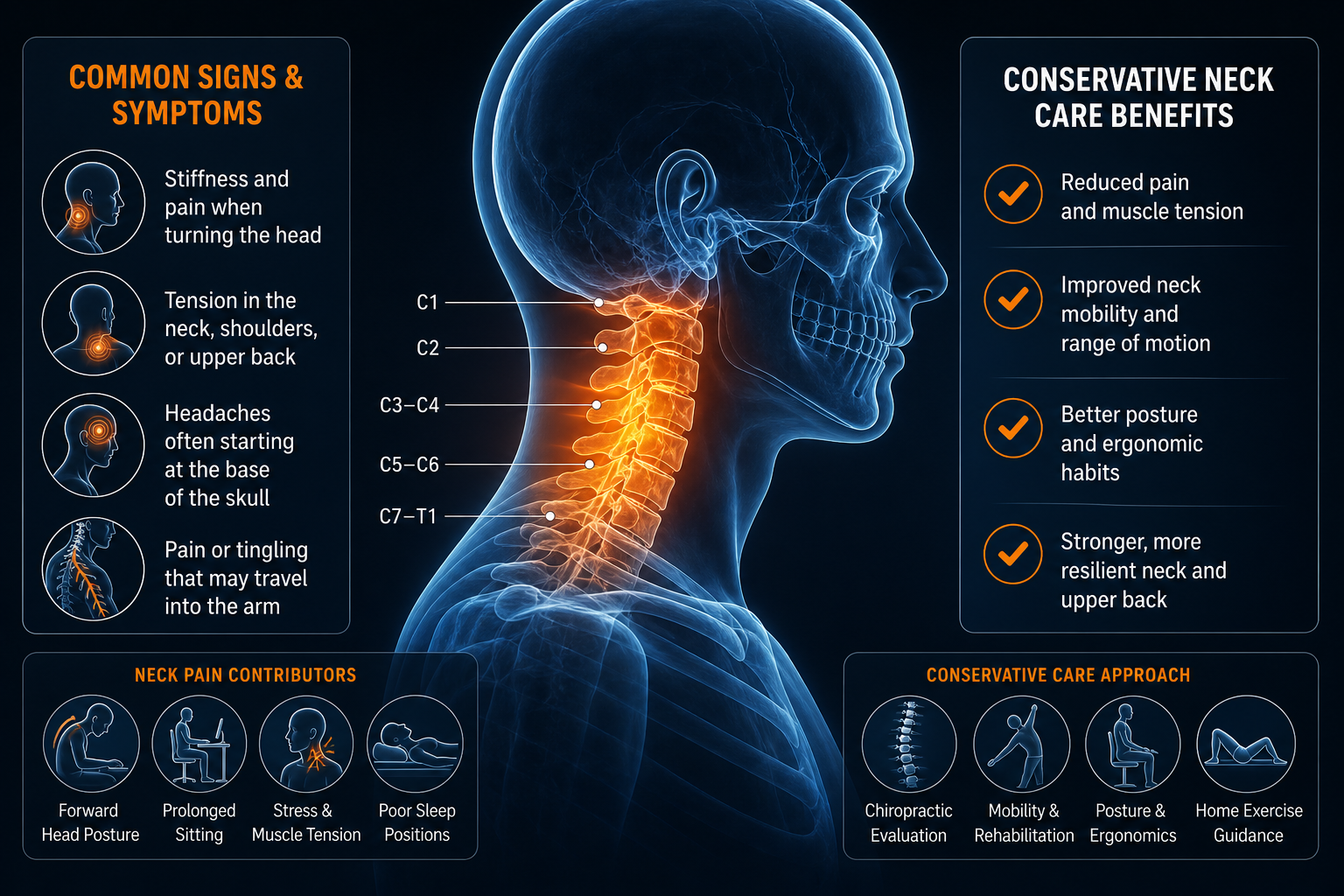
Symptoms: Common symptoms include stiffness, limited range of motion, and sharp or dull pain in the affected areas.
Non-Invasive Treatments: Several non-invasive treatment options are available, such as chiropractic care, physical therapy, lifestyle modifications, and alternative therapies.
Detailed Insights
Causes of Back and Neck Pain
Poor Posture: One of the leading causes of back and neck pain is poor posture. Prolonged sitting or standing in improper positions can strain the muscles and ligaments, leading to pain and discomfort.
Muscle Strain: Overuse or sudden movements can cause muscle strains, leading to acute pain. This is common in individuals who engage in heavy lifting or sudden, intense physical activities.
Degenerative Diseases: Conditions such as osteoarthritis, spinal stenosis, and degenerative disc disease can cause chronic back and neck pain. These diseases typically affect older adults but can occur at any age.
Injuries: Traumatic events such as car accidents, falls, or sports injuries can lead to back and neck pain. Whiplash, for example, is a common injury resulting from car accidents that affect the neck.
Symptoms of Back and Neck Pain
Stiffness: Stiffness in the back and neck can make it difficult to move or turn, leading to a decreased range of motion.
Sharp or Dull Pain: Pain can vary from sharp, stabbing sensations to a dull, aching discomfort. The intensity and type of pain can help diagnose the underlying cause.
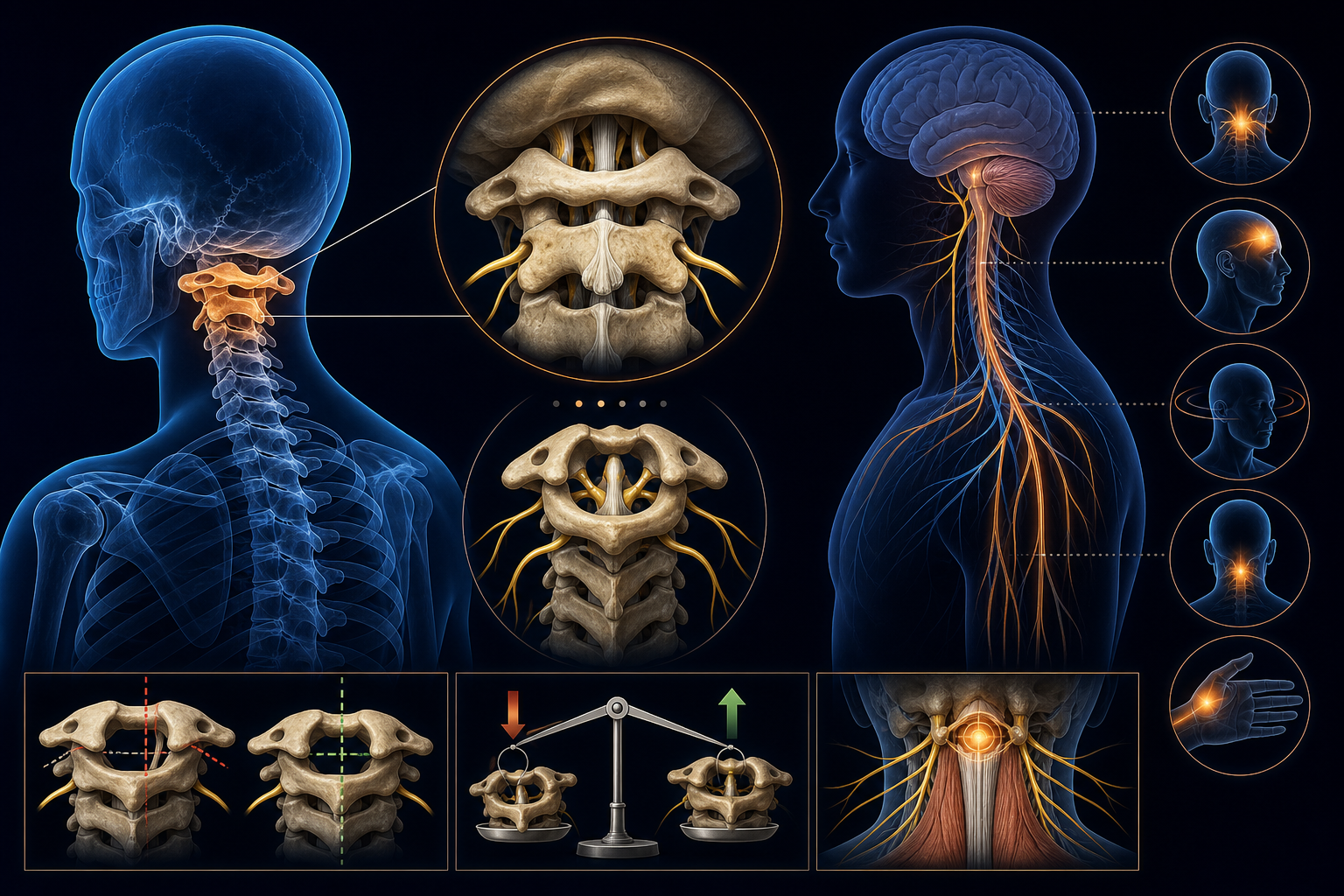
Radiating Pain: Sometimes, pain from the neck or back can radiate to other parts of the body, such as the arms or legs, indicating nerve involvement.
Muscle Weakness: Chronic back and neck pain can lead to muscle weakness, further impairing mobility and functionality.
Non-Invasive Treatments for Back and Neck Pain
Chiropractic Care: Chiropractic adjustments can help realign the spine, reduce pain, and improve function. Chiropractors use hands-on techniques to manipulate the spine and other parts of the body.
Physical Therapy: Physical therapy involves exercises and stretches designed to strengthen the muscles, improve flexibility, and reduce pain. Therapists may also use modalities like ultrasound and electrical stimulation.
Lifestyle Modifications: Making changes in daily habits, such as improving posture, using ergonomic furniture, and incorporating regular physical activity, can prevent and alleviate pain.
Alternative Therapies: Methods such as acupuncture, massage therapy, and yoga have been found effective in managing back and neck pain. These therapies focus on holistic approaches to reduce pain and improve overall well-being.
Related Issues
Psychological Impact: Chronic pain can lead to mental health issues such as depression and anxiety. It is essential to address the psychological aspects of chronic pain through counseling and support groups.
Workplace Ergonomics: Ensuring proper ergonomics at the workplace can prevent back and neck pain. This includes using adjustable chairs, standing desks, and taking regular breaks to move around.
Sleep Hygiene: Poor sleep quality can exacerbate back and neck pain. Maintaining good sleep hygiene, such as using a supportive mattress and pillows, can help manage pain.
Weight Management: Excess weight puts additional strain on the back and neck, contributing to pain. Maintaining a healthy weight through diet and exercise is crucial for managing pain.
Conclusion
Back and neck pain are prevalent issues that can significantly affect one's quality of life. Understanding the causes, symptoms, and non-invasive treatment options is crucial for managing and alleviating pain. By adopting a holistic approach that includes chiropractic care, physical therapy, lifestyle modifications, and alternative therapies, individuals can find relief and improve their overall well-being. Regularly updating knowledge and staying informed about new treatment options is essential for ongoing pain management.