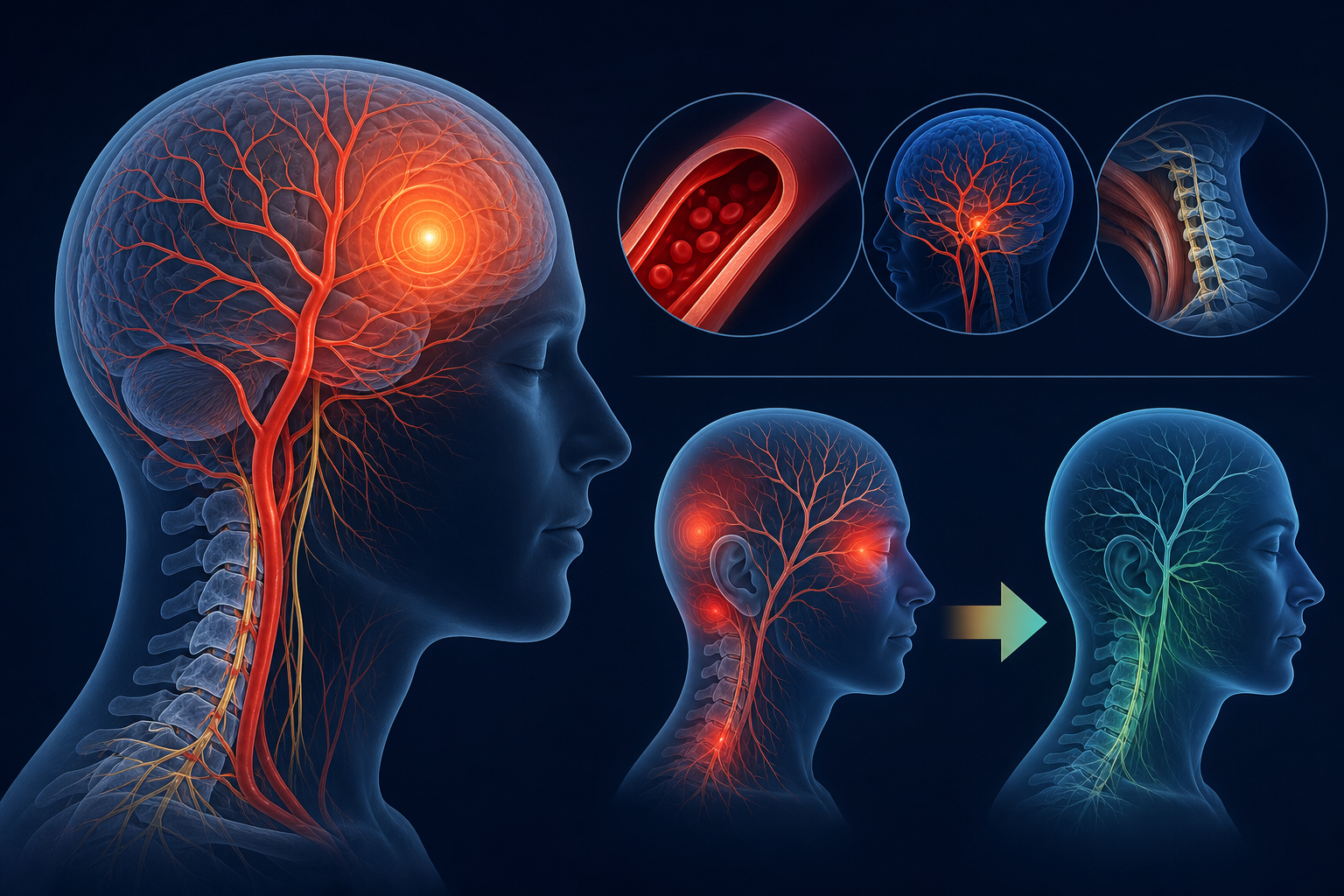
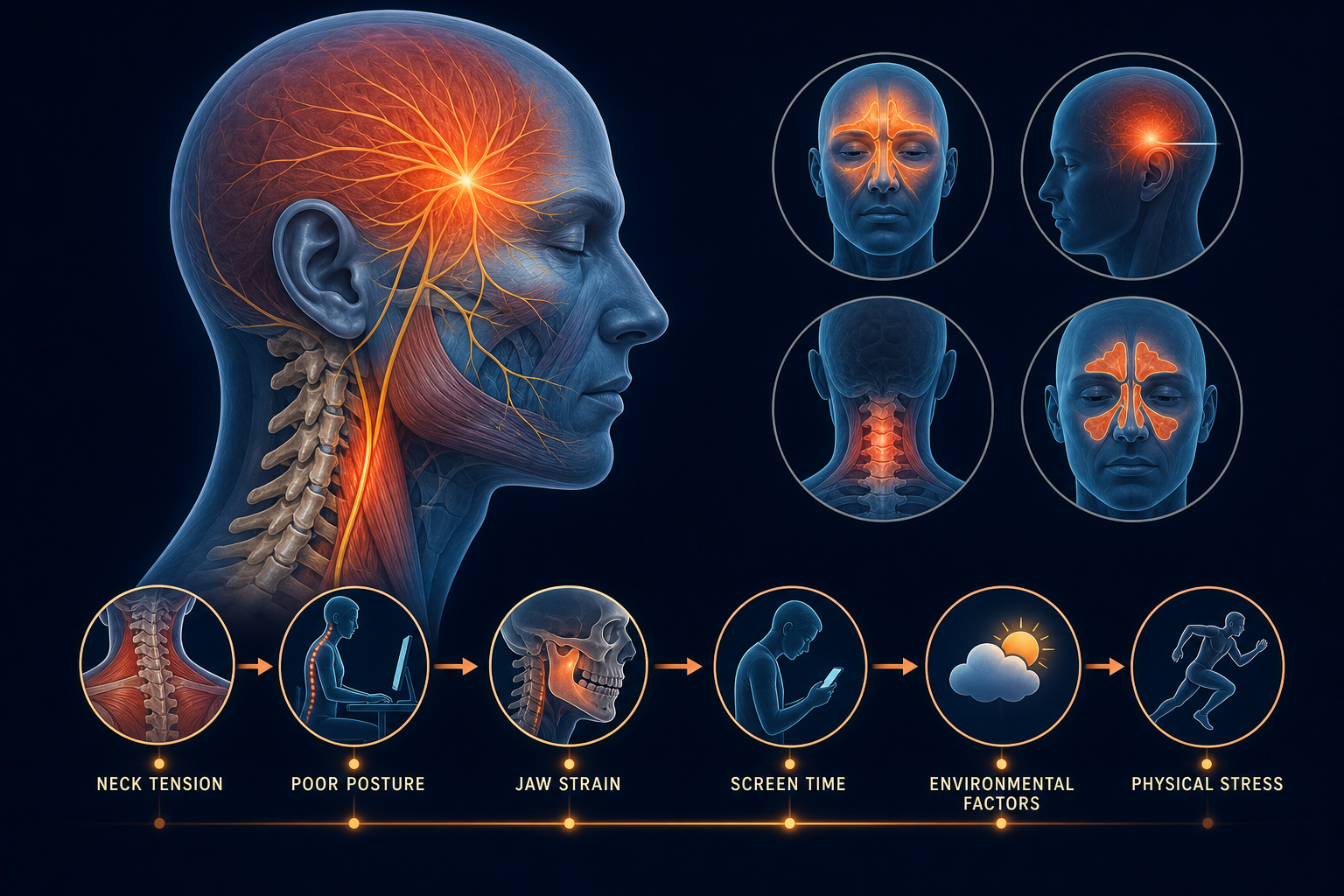
Post-concussion syndrome (PCS) is a complex disorder in which a constellation of symptoms—such as headaches, dizziness, cognitive difficulties, and emotional instability—persist for weeks, months, or even years after a concussion. The journey to recovery can be frustratingly slow, with traditional medical approaches often focusing on managing symptoms rather than addressing underlying causes.
The Importance of a Holistic Approach to Recovery
A holistic approach to PCS acknowledges the interconnection of body, mind, and spirit in the healing process. It encompasses a range of treatments from dietary changes and physical therapy to mindfulness and upper cervical chiropractic care. This comprehensive perspective supports the body's natural healing abilities, offering a path to recovery that extends beyond conventional medicine.
Understanding Upper Cervical Chiropractic Care
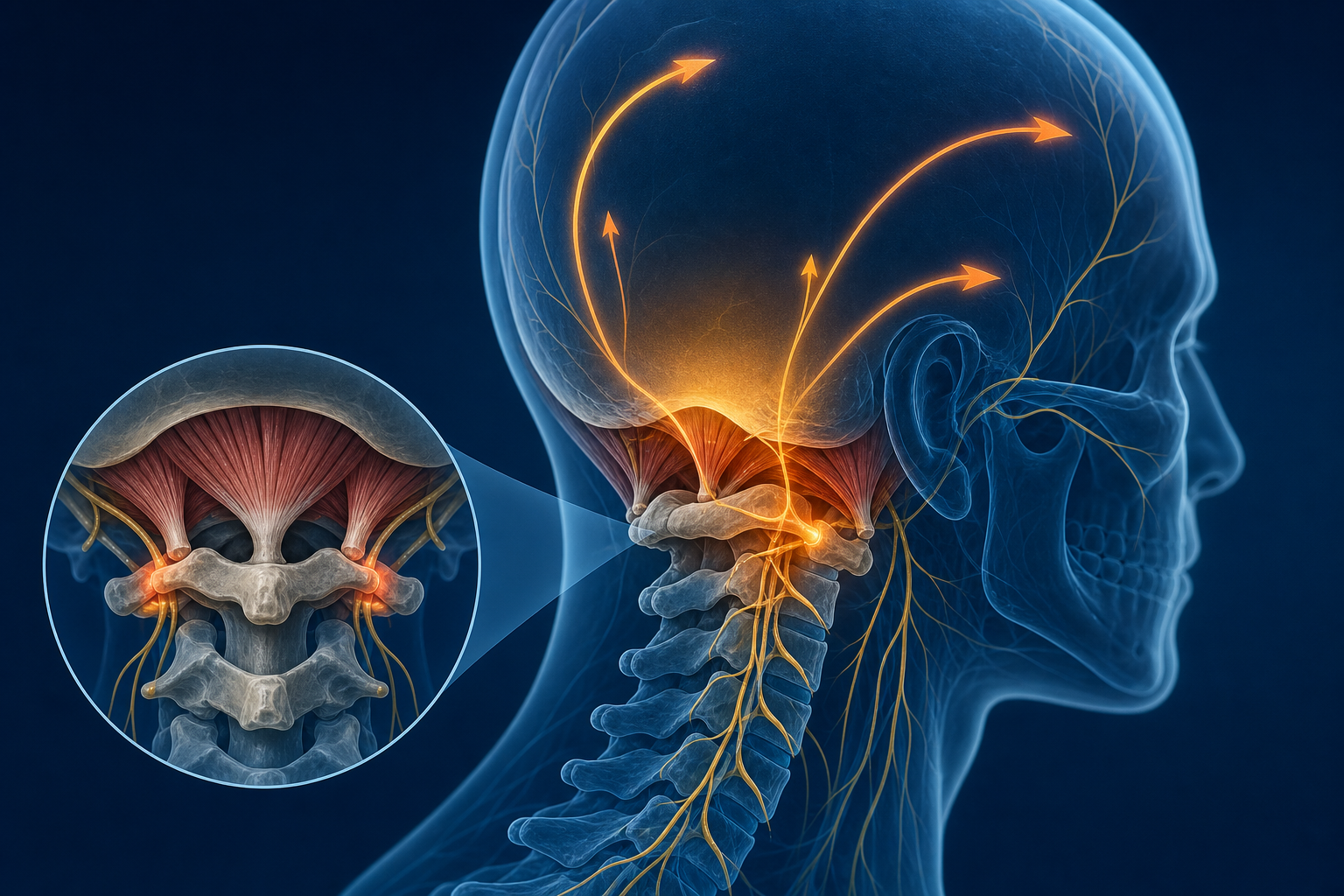
Upper cervical chiropractic care is a specialized form of chiropractic treatment focusing on the precise adjustment of the upper cervical spine, including the atlas (C1) and axis (C2) vertebrae. This area of the spine is crucial because it supports the head and protects the brainstem, a critical part of the nervous system that controls many bodily functions. Misalignments in this region can exacerbate PCS symptoms by disrupting normal brain-to-body communication.
Natural Remedies for PCS
Nutritional Support
Nutrition plays a pivotal role in brain health. A diet rich in omega-3 fatty acids, antioxidants, and essential vitamins can support neural repair and reduce inflammation. Foods such as fatty fish, nuts, berries, and leafy greens, along with supplements like fish oil and vitamin B complex, are beneficial for individuals recovering from PCS.
Physical Activity and Rest
Exercise is vital for brain recovery, but it's crucial to find a balance that doesn't exacerbate symptoms. Gentle activities like walking, swimming, or tai chi can improve blood flow to the brain and aid in the healing process. Equally important is adequate rest, allowing the brain to recover from cognitive and physical stress.
Mindfulness and Stress Reduction
Stress can significantly impact PCS recovery. Mindfulness practices, such as meditation and yoga, help reduce stress levels and improve cognitive function. These practices foster a state of relaxation and present-mindedness, crucial for individuals navigating the challenges of PCS.
Upper Cervical Chiropractic Techniques for PCS
Upper cervical chiropractic techniques involve precise adjustments that restore proper alignment to the upper neck, alleviating pressure on the brainstem and facilitating optimal nervous system function. These adjustments are gentle, tailored to each individual's specific misalignments, and can lead to significant improvements in PCS symptoms, including reduced headaches, better balance, and improved cognitive function.
Integrating Natural and Chiropractic Therapies into Your Recovery Plan
Combining natural remedies with upper cervical chiropractic care offers a comprehensive approach to treating PCS. It's important to consult with healthcare professionals who understand PCS and can guide you in integrating these therapies into a personalized recovery plan. Monitoring symptoms and adjusting treatments as needed are essential steps in finding what works best for your unique situation.
Conclusion: Empowering Yourself Through Natural and Chiropractic Care
Recovering from Post-Concussion Syndrome is a journey that requires patience, persistence, and a proactive approach to treatment. By embracing a holistic approach that includes natural remedies and upper cervical chiropractic care, individuals with PCS can find relief from their symptoms and make significant strides toward recovery. Empower yourself by exploring these options, staying informed, and working closely with healthcare providers who support your journey back to health.
This blog post is designed to inform and inspire those affected by Post-Concussion Syndrome to explore holistic and natural approaches to their recovery. While the journey may be challenging, the integration of upper cervical chiropractic care and natural remedies offers a promising path to healing and well-being. Always remember to consult with healthcare professionals before making any significant changes to your treatment plan.