Find a Provider Community Forum
For Providers For Attorneys
Sign In

Traumatic Brain Injury Recovery with Chiropractic help

Traumatic Brain Injury Recovery with Chiropractic help

Key Takeaways

  • Increased sub-occipital muscle tone correlates with higher TBI symptom severity.
  • The rectus capitis posterior minor muscle attaches directly to the spinal dura, influencing neurological function.
  • Chiropractic care may support TBI recovery by addressing cervical tension and promoting nervous system communication.
  • Conservative management focuses on reducing dural stress and improving cervical mobility without invasive intervention.

Sub-occipital Muscle Tone and How It Relates to Traumatic Brain Injury Treatment

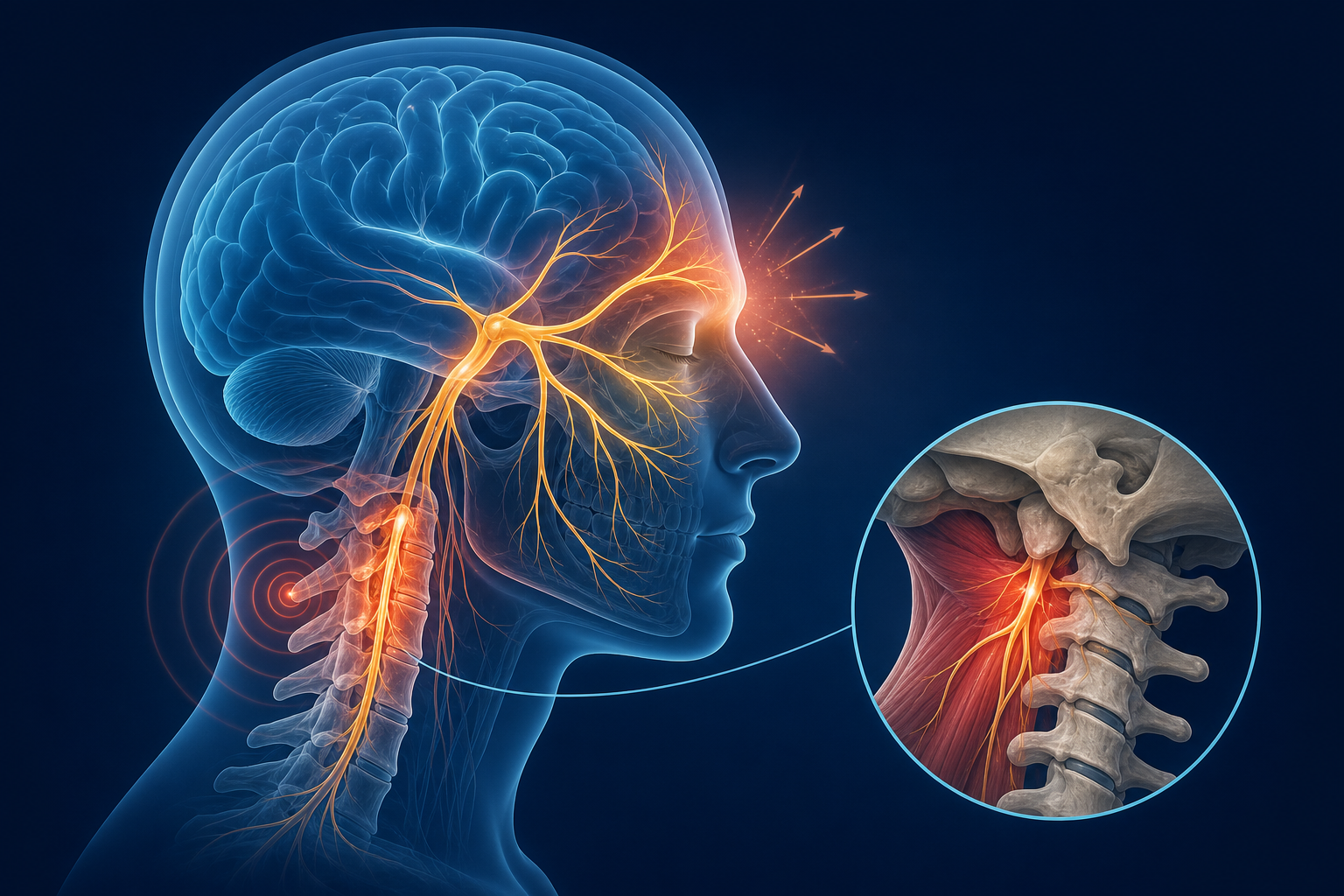
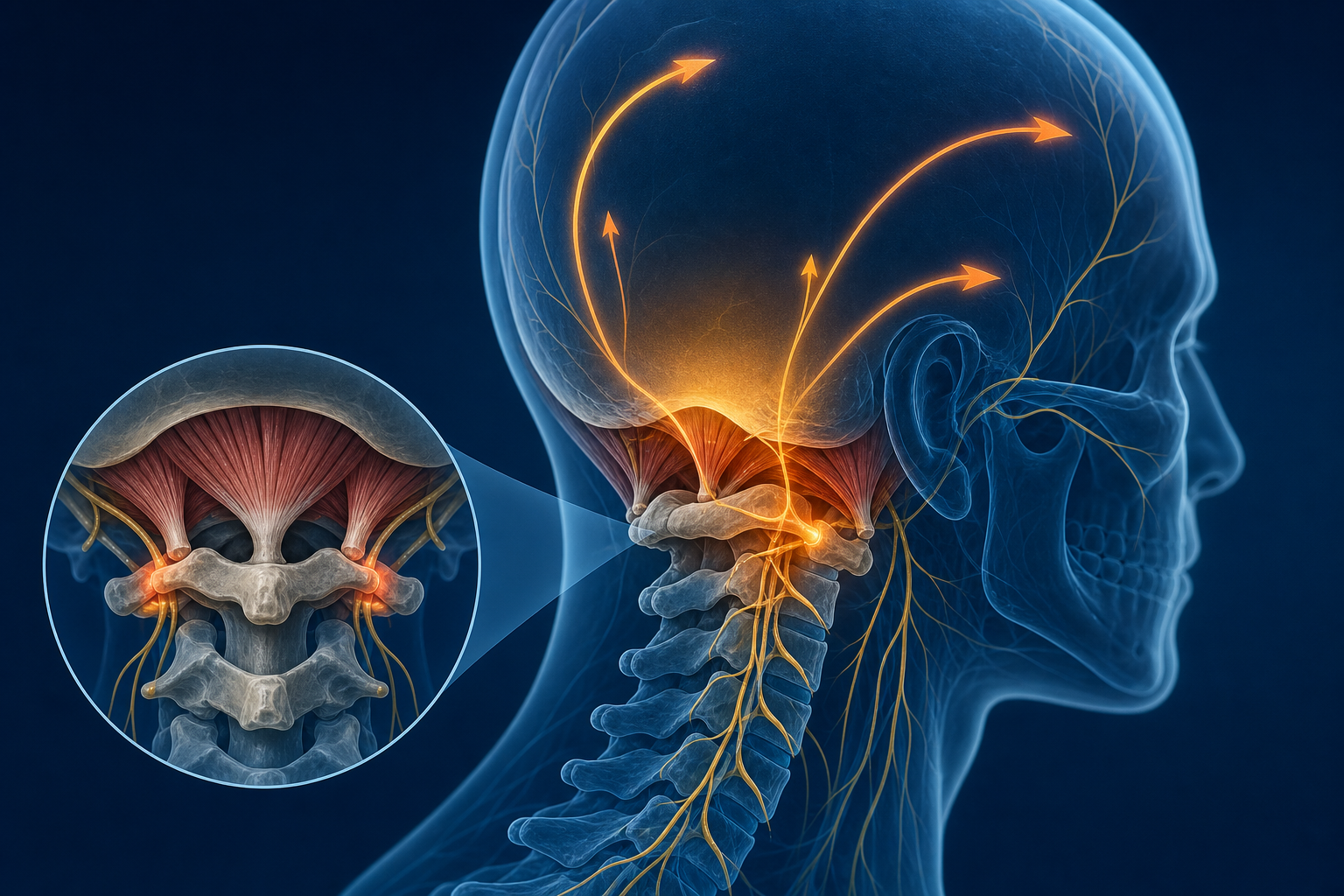
Interestingly, the research found that there was a correlation between the increased tone of the rectus capitus posterior minor muscle and an increase in symptom severity. In a blog written on headaches, we briefly describe the relationship between the rectus capitus posterior minor and its dural attachment to the spinal cord. Why is this significant?

Neurological Consequences of a Traumatic Brain Injury

Traumatic brain injuries have dual consequences. The most obvious is that a brain injury has far-reaching effects on health and cognitive performance. Depending on the severity of the brain injury it can take years for the brain to heal and in many cases, the individual is a shell of their former self. The second consequence of traumatic brain injury is neck injury. A trauma that is substantial enough to cause brain injury also damages the upper cervical spine. The head-neck relationship is the most complex and unstable junction of the spine. Mainly because the head weighs 10 - 12 pounds and the atlas weighs 2 ounces. This junction is held together by muscles and ligaments and as a consequence when someone has a head injury this junction is injured.

Upper Cervical Chiropractic and Traumatic Brain Injury TBI

When the upper neck sustains an injury, the muscles that connect the head to the neck become spastic. Because the rectus capitis posterior minor muscle attaches to the sheath that covers the spinal cord it causes dural stress and cord irritation. Cord irritation can be the underlying cause of headaches, neck pain, and cognitive issues. Anyone who has had a traumatic Brain Injury should seek proper medical care and in combination be checked by an Upper Cervical Doctor.  Upper Cervical Doctors are trained in identifying spinal misalignments that occur at the neck skull junction. Neurological tests are used to determine if cord irritation exists. Then x-rays are taken of the joints that connect the skull to the first cervical vertebra. Once the misalignment direction is determined a precise correction is made to restore normal joint motion and reduce brain stem irritation. Healing occurs when impediments to normal functions are removed. 

Medical Disclaimer: This article is for informational purposes only and does not constitute medical advice, diagnosis, or treatment. Always consult a qualified healthcare provider for personalized medical guidance. If you are experiencing a medical emergency, call 911 or your local emergency number immediately.
Frequently Asked Questions

How does chiropractic care support TBI recovery?
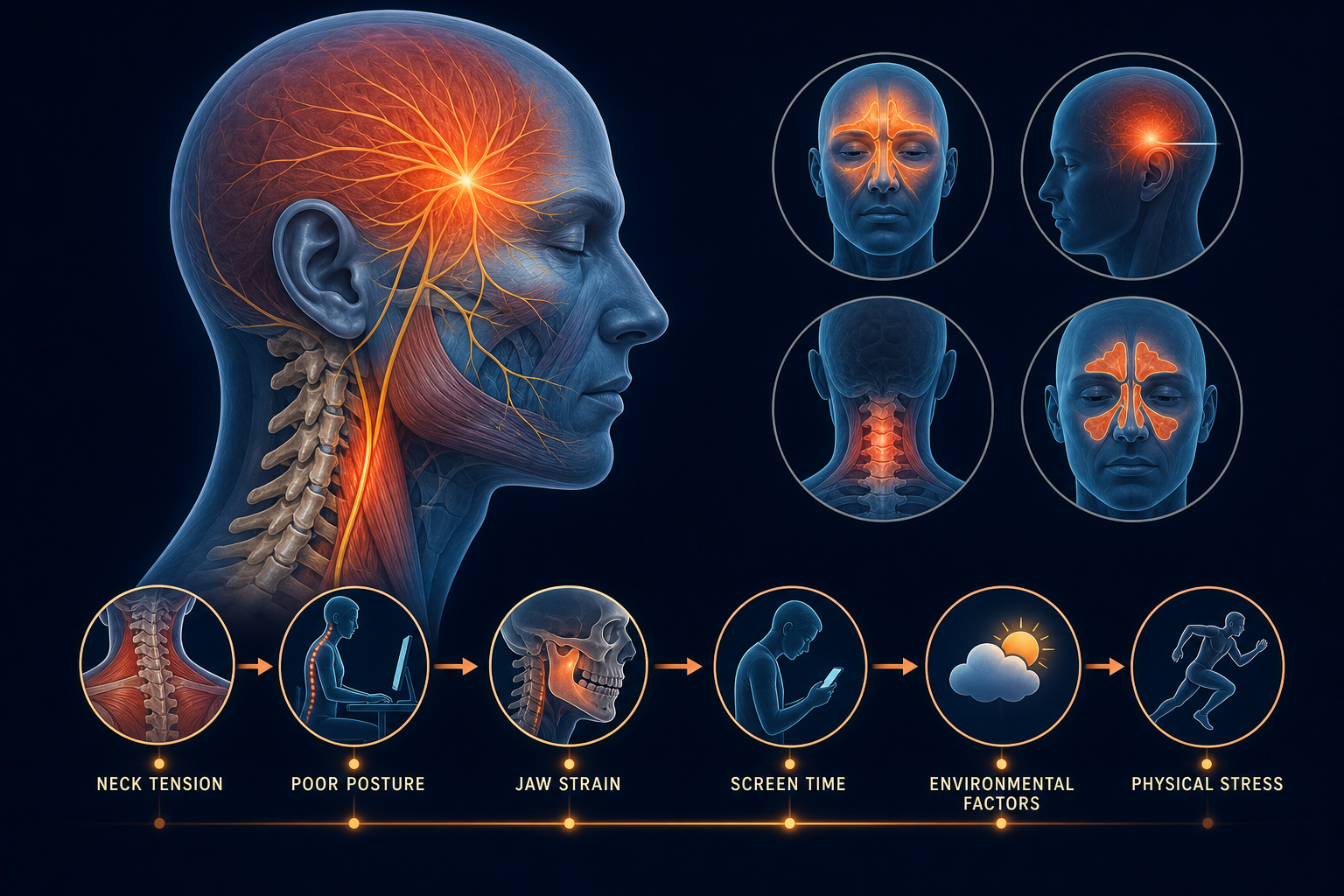
Chiropractic care focuses on reducing cervical muscle tension and improving spinal alignment. By addressing sub-occipital tightness, providers may help decrease dural stress and support nervous system function. This conservative approach complements standard neurological care by promoting better mobility and reducing secondary symptoms like headaches.
What is the rectus capitis posterior minor muscle?
This small neck muscle connects the top vertebra to the skull. Research shows it attaches directly to the spinal dura, the protective membrane around the nervous system. Increased tone in this area often correlates with heightened neurological symptoms following a head injury.
Can chiropractic adjustments help with post-TBI headaches?
Many patients experience tension-type headaches after a traumatic brain injury. Gentle cervical adjustments and soft tissue work may help release sub-occipital tightness. This approach targets the root muscular tension rather than masking symptoms, offering a non-invasive path to relief.
Is chiropractic care safe after a head injury?
Safety depends on proper medical clearance and provider experience. A qualified chiropractor will avoid aggressive techniques and focus on gentle, evidence-based mobilization. Always coordinate care with your neurologist or primary provider to ensure the treatment plan aligns with your recovery stage.

We use first-party cookies to run this site and understand how patients find us. Privacy