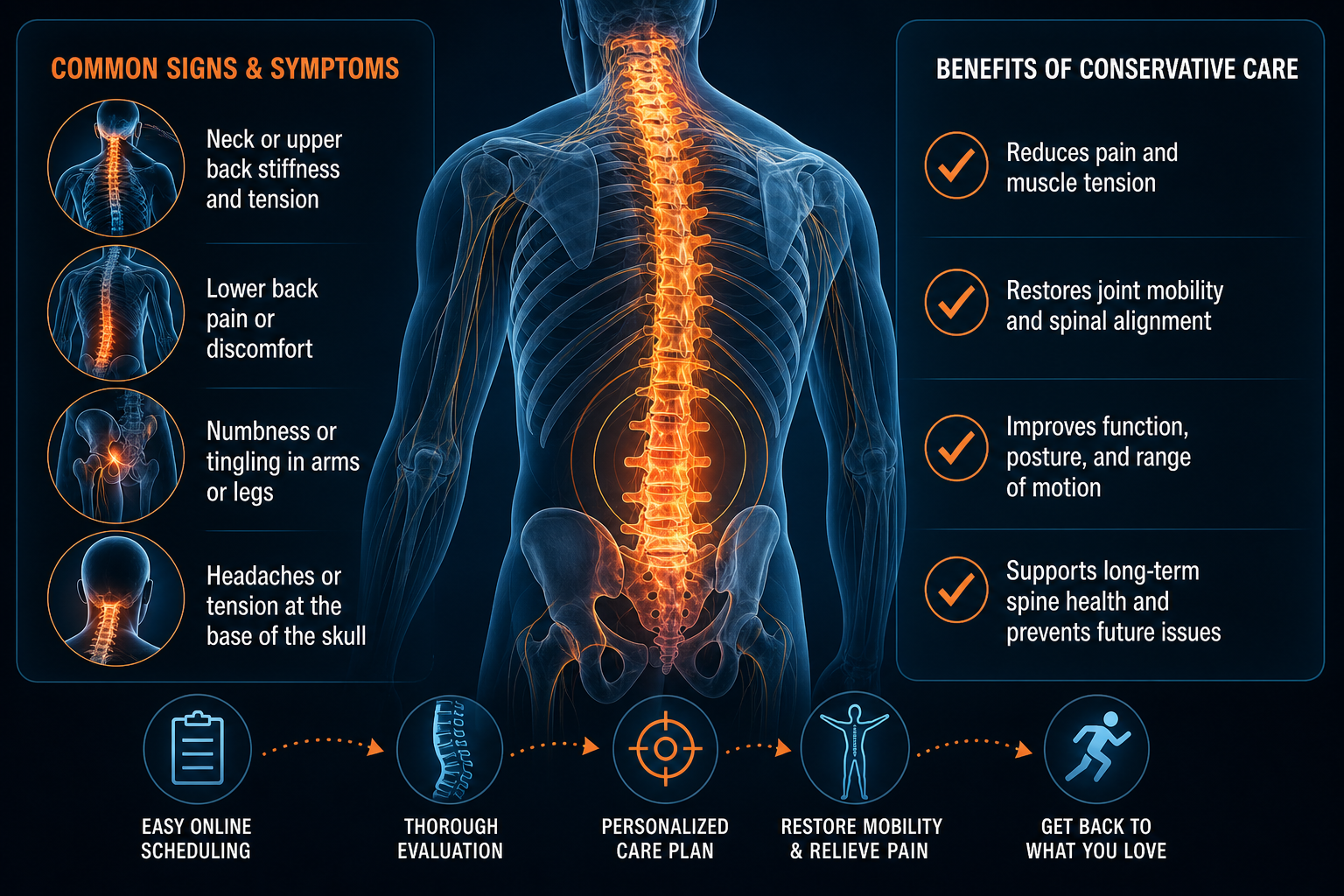
You typed it into the search bar — therapist near me — and now you're staring at a wall of results with no idea where to start. Chiropractors, physical therapists, massage therapists, rehabilitation specialists — they all sound like they could help, but which one is right for your pain, your injury, or your situation?
You're not alone. Millions of Americans search for local therapy providers every month, often after an injury, a flare-up of chronic pain, or a doctor's referral they're not sure how to act on. This guide breaks it all down: what each type of provider does, when you need to see one, what to expect at your first appointment, and how to find a trusted specialist in your area through Medximity.
What Type of Therapist Treats Back Pain?
Back pain is the single most common reason people search for a therapist near them — and it's one of the most confusing, because several different providers can legitimately help. Here's a quick breakdown:
Physical Therapists
Physical therapists (PTs) are licensed healthcare professionals who specialize in movement, function, and rehabilitation. If your back pain stems from a herniated disc, muscle strain, poor posture, post-surgical recovery, or a sports injury, a physical therapist will design a customized exercise and treatment plan to address the root cause — not just the symptoms. They use hands-on manual therapy, targeted exercises, stretching protocols, and modalities like ultrasound or electrical stimulation.
Chiropractors
Chiropractors focus on the relationship between the spine, the nervous system, and overall body function. They use spinal manipulation (adjustments) to correct misalignments called subluxations. Many patients with lower back pain, neck pain, and headaches find significant relief through chiropractic care, often in fewer visits than they expected. Chiropractic is a drug-free, non-surgical approach and is one of the most widely recommended natural treatments for chronic pain without surgery.
Massage Therapists
Licensed massage therapists work on soft tissue — muscles, tendons, fascia — to relieve tension, improve circulation, and reduce pain. They are excellent for muscle-related back pain, stress-related tension, and as a complementary therapy alongside chiropractic or physical therapy.
Not sure which is right for you? Search for a therapist near you on Medximity and filter by specialty to compare local providers.
The Difference Between a Chiropractor and a Physical Therapist
This is one of the most searched questions by patients looking for local care — and it's a great one to understand before booking an appointment.
Factor Chiropractor (DC) Physical Therapist (PT) Primary focus Spinal alignment, nervous system Movement, function, rehabilitation Main technique Spinal adjustments / manipulation Therapeutic exercise, manual therapy Best for Neck pain, back pain, headaches, joint pain Injury recovery, post-surgery rehab, mobility issues Referral needed? Usually no (direct access) Sometimes (depends on state and insurance) Treatment duration Shorter sessions, often 15–30 min Longer sessions, often 45–60 minIn many cases, chiropractors and physical therapists work together as part of a coordinated care plan. Your best outcome may involve both. Read our in-depth comparison of chiropractors vs. physical therapists to decide which specialist fits your needs first.
When You Should Stop Googling and Just See Someone
Pain is your body's signal that something needs attention. While minor soreness after exercise or a long day at a desk can resolve on its own with rest, there are specific warning signs that mean it's time to stop waiting and find a therapist near you:
- Pain when walking that won't go away — especially in the hips, knees, or lower back — can indicate structural issues, nerve compression, or joint dysfunction that won't self-resolve.
- Pain lasting more than 2–3 weeks without improvement
- Pain that radiates down your arm or leg (possible nerve involvement)
- Loss of range of motion or flexibility that affects daily tasks
- Recurring pain that comes back every few weeks or months
- Pain following a car accident, sports injury, or workplace injury
- Stiffness or soreness after sleeping that takes more than 30 minutes to ease
If any of these describe you, don't wait. Early intervention from a qualified therapist can prevent a manageable condition from becoming a chronic one.
Chiropractor or Massage Therapist for Neck Pain: Which Should You Choose?
Neck pain is incredibly common — especially in an era of desk jobs, smartphones, and poor sleeping positions. Both chiropractors and massage therapists can help, but in different ways.
A chiropractor will assess the alignment of your cervical spine (the neck vertebrae), identify any restricted joints or nerve impingement, and use precise adjustments to restore proper movement. If your neck pain comes with headaches, stiffness, or radiating pain into your shoulder or arm, chiropractic care is often the more targeted first choice.
A massage therapist is better suited if your neck pain is primarily muscular — tight traps, scalenes, or suboccipital muscles from stress or prolonged sitting. Massage won't correct structural alignment issues, but it can dramatically reduce muscle tension and improve circulation in the area.
Many patients benefit from combining both: massage to loosen soft tissue, followed by chiropractic adjustment for structural correction. Find a chiropractor near you on Medximity and ask about integrated care options during your first visit.
What to Expect at Your First Physical Therapy Appointment
First appointments can feel intimidating — especially if you've never seen a physical therapist before. Here's what typically happens so you can walk in with confidence:
Initial Evaluation (30–60 Minutes)
Your PT will begin with a detailed intake, asking about your medical history, how and when your pain started, what makes it better or worse, and your goals for treatment. Be honest and specific — the more detail you give, the better they can help you.
Physical Assessment
Expect a hands-on examination: range of motion tests, strength assessments, posture analysis, and palpation of the affected area. They may watch you walk, squat, or perform specific movements to understand how your body is compensating for pain.
Treatment Plan Discussion
Your PT will explain what they found, what they believe is causing your pain, and outline a treatment plan — including how many visits per week and for how long. They'll often perform some initial treatment on the first visit.
Home Exercise Program
Almost every PT will send you home with exercises to do between sessions. These are critical to your recovery — the in-clinic work reinforces what you practice at home.
Knowing what to expect helps you get more out of the experience from day one. Get our full first-visit checklist for physical therapy appointments.
Questions to Ask a New Physical Therapist
A great PT will welcome your questions. Here are the most important ones to ask when you start care with someone new:
- What do you believe is causing my pain? — You deserve a clear, plain-English explanation.
- What does my treatment plan look like, and how long will it take?
- How will I know if I'm making progress?
- What should I avoid doing while I'm in treatment?
- What should I be doing at home between sessions?
- Have you treated patients with my specific condition before?
- What's your experience with workers' compensation or post-accident cases? (if applicable)
- Will I work with you at every visit, or with your assistants?
A therapist who communicates clearly and involves you in your care plan is a therapist worth keeping. Trust your instincts — if something doesn't feel right, it's okay to get a second opinion or try a different provider.
How Long Does Physical Therapy Take to Work?
This is one of the most common questions patients ask — and the honest answer is: it depends. But here's a realistic framework:
- Acute injuries (recent sprains, strains, minor tears): Many patients notice significant improvement within 4–8 sessions over 2–4 weeks.
- Subacute injuries (a few weeks to a few months old): Expect 8–16 sessions over 4–8 weeks.
- Chronic pain (lasting 3+ months): Progress is slower and more variable — often 12–24+ sessions over 2–6 months.
- Post-surgical rehabilitation: Timelines vary by procedure, but most take 3–6 months of consistent PT.
The biggest predictor of success isn't the injury type — it's patient consistency. Patients who complete their home exercises, attend scheduled sessions, and communicate openly with their therapist recover faster and more completely than those who skip steps.
If you're several sessions in and not seeing any change, talk to your PT about adjusting the approach. A good therapist reassesses and adapts your plan regularly.
Is It Normal to Feel Worse After a Chiropractic Adjustment?
Yes — and it's more common than you might think. Many patients experience mild soreness, achiness, or even temporary increased pain for 24–48 hours after their first few chiropractic adjustments. Here's why:
When your spine is adjusted, joints and muscles that haven't moved properly in a long time are suddenly mobilized. This can trigger an inflammatory response similar to what happens after a new workout. The body needs a short period to adapt to the correction.
What's normal: Mild soreness, fatigue, or a "different" feeling in the adjusted area for 1–2 days after treatment. This is often followed by noticeable improvement.
What to watch for: Severe pain, sharp radiating pain, numbness, tingling, or any neurological symptoms (weakness, loss of coordination) should be reported to your chiropractor immediately. These are not typical adjustment responses and warrant evaluation.
Most patients feel better — not worse — after a few sessions as their body adapts and heals. If discomfort persists beyond a few visits, communicate clearly with your provider and ask about modifying the technique.
Natural Treatment for Chronic Pain Without Surgery
Surgery is rarely the first answer to musculoskeletal pain — and more and more medical guidelines now recommend conservative care first. Here are the most effective non-surgical approaches supported by current research (including guidelines from the American College of Physicians and the Centers for Disease Control and Prevention):
Chiropractic Care
Spinal manipulation has strong evidence for low back pain, neck pain, and headaches. It's recommended as a first-line treatment by many primary care physicians before exploring medications or procedures.
Physical Therapy
Targeted exercise therapy is one of the most powerful tools for chronic pain management. PT addresses not just symptoms but the movement dysfunctions and weaknesses that perpetuate pain cycles.
Massage Therapy
Therapeutic massage reduces muscle tension, improves blood flow, and activates the body's natural pain-inhibiting systems. It's particularly effective as a complement to other conservative treatments.
Movement and Exercise
Controlled, progressive movement is medicine. Your therapist will guide you toward activities that build strength and resilience without aggravating your condition.
Lifestyle Modifications
Sleep quality, nutrition, stress management, and ergonomics all play meaningful roles in chronic pain. A well-rounded therapist will address these factors alongside hands-on treatment.
Explore our guide to natural, non-surgical chronic pain treatments to learn more about building a sustainable pain management plan.
Does Workers' Compensation Cover Physical Therapy Visits?
In most cases, yes — workers' compensation insurance is required to cover medically necessary physical therapy following a workplace injury. However, the specifics vary by state, employer, and the nature of your injury claim.
Here's what you generally need to know:
- You typically need a workers' comp claim to be open and accepted before PT visits are covered.
- Your employer's workers' comp carrier may require you to see a specific provider or get pre-authorization for therapy.
- Some states require a physician referral for PT under workers' comp; others allow direct access.
- Keep records of all visits, treatment notes, and communication with your claims adjuster.
If you're navigating a workplace injury, working with a physical therapist or chiropractor experienced in workers' compensation cases is essential. They understand the documentation requirements and can communicate effectively with adjusters and attorneys if needed. Search for workers' compensation-experienced providers near you on Medximity.
Finding the Best Physical Therapist Near Me After a Car Accident
Car accident injuries are unique. Even low-speed collisions can cause whiplash, soft tissue damage, and spinal injuries that don't always show up on imaging right away. Symptoms like neck stiffness, headaches, shoulder pain, or lower back soreness may emerge days after the accident.
When searching for a local rehabilitation specialist after a car accident injury, look for providers who:
- Have experience with motor vehicle accident (MVA) cases
- Understand personal injury documentation requirements
- Can work with your auto insurance or personal injury attorney
- Offer coordinated care between chiropractic, PT, and massage if needed
- Provide thorough treatment records that support your claim
Starting care promptly after an accident — ideally within days — is important both for your health and for your legal claim. Delays in treatment are sometimes used to argue that injuries weren't serious. Don't wait to find care.
Use the Medximity provider directory to find a therapist near you who specializes in car accident injury recovery, with verified credentials and patient reviews.
How to Use Medximity to Find a Therapist Near You
Medximity's provider directory makes it simple to find qualified, local therapists matched to your specific condition. Here's how to get started:
- Go to the search page and enter your zip code or city.
- Filter by specialty — chiropractor, physical therapist, massage therapist, or rehabilitation specialist.
- Review provider profiles — check credentials, years of experience, areas of focus, and patient reviews.
- Check insurance compatibility — many profiles include insurance information so you can confirm coverage before calling.
- Book or contact directly through the provider's profile page.
Whether you need the best physical therapist near you for injury recovery, a chiropractor for chronic neck pain, or a massage therapist to complement your existing care plan, Medximity connects you with trusted local providers who are accepting new patients.
Find a therapist near you — search the Medximity provider directory now.
Frequently Asked Questions
What type of therapist treats back pain?
Physical therapists, chiropractors, and massage therapists all treat back pain, but in different ways. Physical therapists focus on movement rehabilitation and strengthening. Chiropractors address spinal alignment and joint function through adjustments. Massage therapists work on soft tissue tension. The right choice depends on the cause and nature of your back pain — many patients benefit from a combination of approaches.
How long does physical therapy take to work?
Most patients with acute injuries notice improvement within 4–8 sessions (2–4 weeks). Chronic pain conditions typically require 12–24+ sessions over several months. Post-surgical rehabilitation often takes 3–6 months of consistent PT. Consistency with home exercises and regular attendance are the biggest factors in how quickly you progress.
Is it normal to feel worse after a chiropractic adjustment?
Yes, mild soreness or achiness for 24–48 hours after an adjustment is common and normal, especially after the first few sessions. This is your body adapting to the correction. However, severe pain, sharp radiating pain, numbness, or neurological symptoms are not normal and should be reported to your chiropractor immediately.
Does workers' compensation cover physical therapy?
In most states, yes — workers' compensation insurance covers medically necessary physical therapy for workplace injuries. You typically need an accepted claim and may need pre-authorization or a physician referral depending on your state. Working with a PT experienced in workers' comp cases helps ensure proper documentation and smooth reimbursement.
What's the difference between a chiropractor and a physical therapist?
Chiropractors focus on spinal alignment and use adjustments (manipulation) as their primary tool. Physical therapists focus on movement, function, and rehabilitation through exercise therapy and manual techniques. Chiropractors are best for spinal and joint pain; physical therapists are best for injury recovery and functional rehabilitation. Both can be highly effective, and many patients benefit from seeing both.
What should I expect at my first physical therapy appointment?
Your first PT visit typically lasts 45–60 minutes and includes a detailed health history intake, a physical assessment (range of motion, strength, posture, movement patterns), a discussion of your treatment plan, and often some initial hands-on treatment. You'll likely leave with home exercises to begin between sessions.
Should I see a chiropractor or massage therapist for neck pain?
If your neck pain involves stiffness, headaches, or radiating pain into your shoulder or arm, a chiropractor is usually the better first choice, as they can assess and correct structural alignment issues. If your pain is primarily from muscle tension — from stress, desk work, or poor sleep position — a massage therapist may provide faster relief. Many patients benefit from both.
When should I see a therapist for pain when walking that won't go away?
If you experience consistent pain when walking — in your hips, knees, feet, or lower back — that doesn't improve after 1–2 weeks, you should see a provider. Persistent walking pain can indicate joint dysfunction, nerve compression, structural issues, or gait problems that won't resolve on their own and may worsen without treatment.
", "faq_data": [ { "q": "What type of therapist treats back pain?", "a": "Physical therapists, chiropractors, and massage therapists all treat back pain, but in different ways. Physical therapists focus on movement rehabilitation and strengthening. Chiropractors address spinal alignment and joint function through adjustments. Massage therapists work on soft tissue tension. The right choice depends on the cause and nature of your back pain — many patients benefit from a combination of approaches." }, { "q": "How long does physical therapy take to work?", "a": "Most patients with acute injuries notice improvement within 4–8 sessions (2–4 weeks). Chronic pain conditions typically require 12–24+ sessions over several months. Post-surgical rehabilitation often takes 3–6 months of consistent PT. Consistency with home exercises and regular attendance are the biggest factors in how quickly you progress." }, { "q": "Is it normal to feel worse after a chiropractic adjustment?", "a": "Yes, mild soreness or achiness for 24–48 hours after an adjustment is common and normal, especially after the first few sessions. This is your body adapting to the correction. However, severe pain, sharp radiating pain, numbness, or neurological symptoms are not normal and should be reported to your chiropractor immediately." }, { "q": "Does workers' compensation cover physical therapy?", "a": "In most states, yes — workers' compensation insurance covers medically necessary physical therapy for workplace injuries. You typically need an accepted claim and may need pre-authorization or a physician referral depending on your state. Working with a PT experienced in workers' comp cases helps ensure proper documentation and smooth reimbursement." }, { "q": "What's the difference between a chiropractor and a physical therapist?", "a": "Chiropractors focus on spinal alignment and use adjustments (manipulation) as their primary tool. Physical therapists focus on movement, function, and rehabilitation through exercise therapy and manual techniques. Chiropractors are best for spinal and joint pain; physical therapists are best for injury recovery and functional rehabilitation. Both can be highly effective, and many patients benefit from seeing both." }, { "q": "What should I expect at my first physical therapy appointment?", "a": "Your first PT visit typically lasts 45–60 minutes and includes a detailed health history intake, a physical assessment (range of motion, strength, posture, movement patterns), a discussion of your treatment plan, and often some initial hands-on treatment. You'll likely leave with home exercises to begin between sessions." }, { "q": "Should I see a chiropractor or massage therapist for neck pain?", "a": "If your neck pain involves stiffness, headaches, or radiating pain into your shoulder or arm, a chiropractor is usually the better first choice, as they can assess and correct structural alignment issues. If your pain is primarily from muscle tension — from stress, desk work, or poor sleep position — a massage therapist may provide faster relief. Many patients benefit from both." }, { "q": "When should I see a therapist for pain when walking that won't go away?", "a": "If you experience consistent pain when walking — in your hips, knees, feet, or lower back — that doesn't improve after 1–2 weeks, you should see a provider. Persistent walking pain can indicate joint dysfunction, nerve compression, structural issues, or gait problems that won't resolve on their own and may worsen without treatment." } ], "key_takeaways": [ "Chiropractors, physical therapists, and massage therapists all treat pain differently — the right choice depends on your specific condition and goals.", "Physical therapy for acute injuries typically shows results within 4–8 sessions; chronic conditions may take several months of consistent care.", "Mild soreness after a chiropractic adjustment is normal; severe or neurological symptoms are not and should be reported immediately.", "Workers' compensation generally covers physical therapy for workplace injuries, but requirements vary by state — work with a provider experienced in WC cases.", "Pain when walking that persists beyond 1–2 weeks warrants professional evaluation — it rarely resolves on its own.", "Chiropractic care and physical therapy are both considered first-line, evidence-based natural treatments for chronic pain without surgery.", "Starting care promptly after a car accident — even if symptoms seem mild — is important for both recovery and documentation purposes.", "Medximity's provider directory helps you find verified, local therapists filtered by specialty, condition, and insurance compatibility." ], "tags": [ "therapist near me", "physical therapy", "chiropractor", "massage therapy", "back pain", "neck pain", "chronic pain", "injury recovery", "workers compensation", "car accident injury", "rehabilitation", "natural pain treatment", "chiropractic adjustment", "find a provider" ], "schema_markup": { "@context": "https://schema.org", "@type": "Article", "headline": "Therapist Near Me: How to Find the Right Provider for Pain Relief and Recovery", "description": "Searching for a therapist near me? Learn which provider treats your pain, what to expect, and how to find top-rated local specialists on Medximity.", "url": "https://www.medximity.com/articles/therapist-near-me-find-right-provider-pain-relief-recovery", "publisher": { "@type": "Organization", "name": "Medximity", "url": "https://www.medximity.com" }, "mainEntityOfPage": { "@type": "WebPage", "@id": "https://www.medximity.com/articles/therapist-near-me-find-right-provider-pain-relief-recovery" }, "articleSection": "Patient Education", "keywords": [ "therapist near me", "physical therapist near me", "chiropractor near me", "what type of therapist treats back pain", "difference between chiropractor and physical therapist", "how long does physical therapy take to work", "natural treatment for chronic pain without surgery", "does workers compensation cover physical therapy", "what to expect at first physical therapy appointment", "is it normal to feel worse after chiropractic adjustment" ] } }