Find a Provider Community Forum
For Providers For Attorneys
Sign In

The Stages of a Migraine Headache – Migraine Therapy

The Stages of a Migraine Headache – Migraine Therapy

Key Takeaways

  • Migraines often follow a pattern of stages: prodrome, aura (for some people), headache attack, and postdrome.
  • Prodrome symptoms can start hours to days before head pain and may include mood changes, fatigue, and digestive changes.
  • Aura can involve temporary visual or sensory changes and doesn’t happen with every migraine.
  • The postdrome phase may leave you feeling drained, foggy, or sensitive even after the head pain improves.

Migraine Headache Stages - Migraine Therapy Specialists

The symptoms sometimes last until a migraine goes away. So, what are these stages or phases?

The Four Phases of Migraines

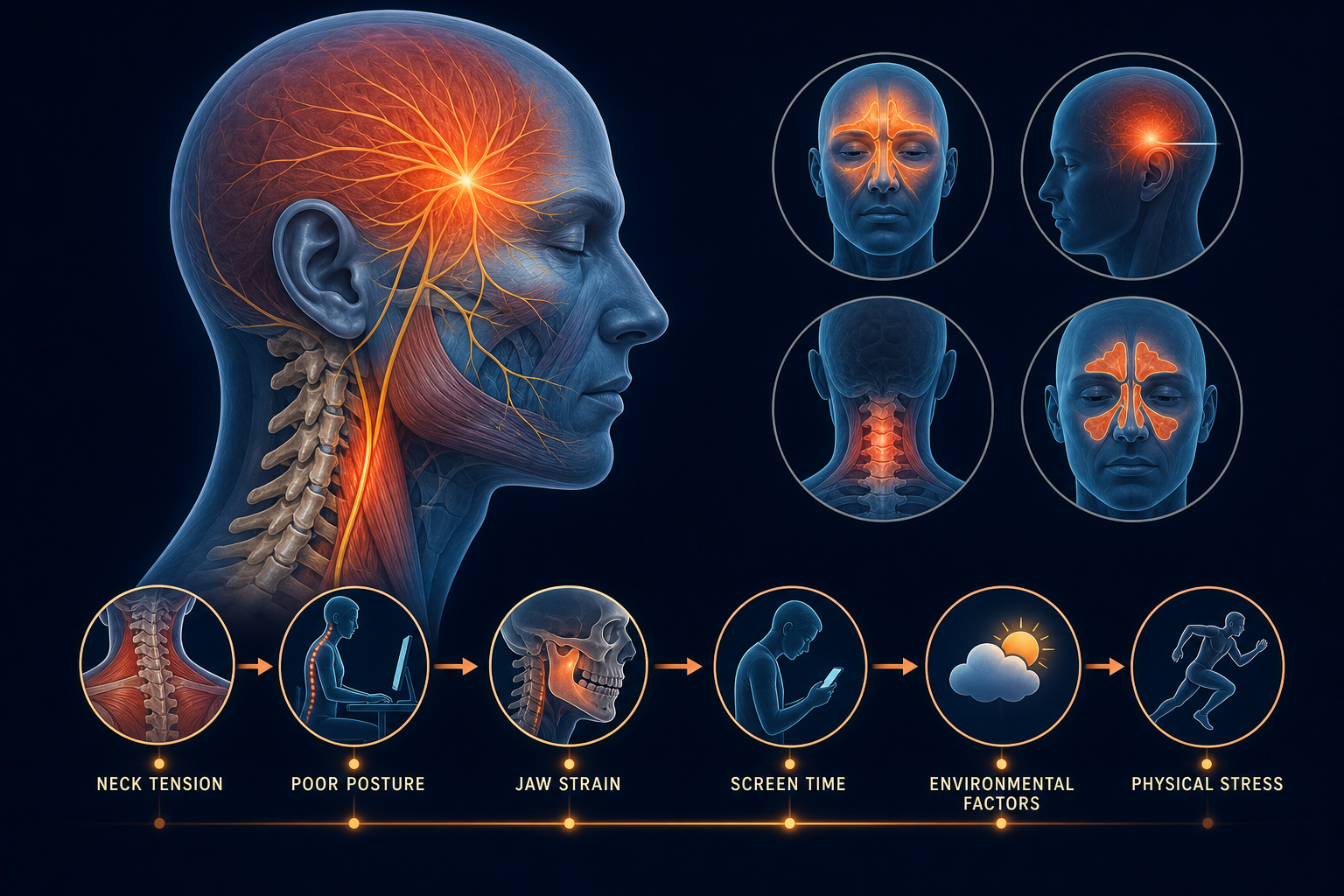
The first stage is called the prodrome phase. About 60% of those with migraines suffer from this phase. The symptoms include the following:  • Irritability or euphoria  • Constipation or diarrhea  • Altered mood  • Depression  • Extreme tiredness  • Cravings for certain foods  • Stiff muscles, particularly in the neck The next stage someone may go through is the aura phase. This happens directly before a migraine starts. It comes on slowly and can last for about an hour. Approximately 1/3 of migraine patients will suffer from the aura phase. The symptoms are:  • Visual disturbances, such as partial blindness, seeing zigzag lines, and blurriness  • Pins and needles feeling  • Numbness and tingling  • Hallucinations  • Loss of motor function  • Dizziness  • Difficulty speaking The pain phase is next in the progression. This also comes on at a slow pace. If the person did not have an aura, they might have neck pain at this point. The head pain can be moderate to severe, being worsened by any type of activity. This can last 4–72 hours. The postdrome phase is the final stage. This can feel in some ways like a hangover. The head pain may be gone, but the person is not free from the following symptoms:  • Extreme tiredness  • Mood changes  • Weakness  • Problems with thinking  • Soreness where the migraine occurred  • Gastrointestinal problems

How to Find Relief

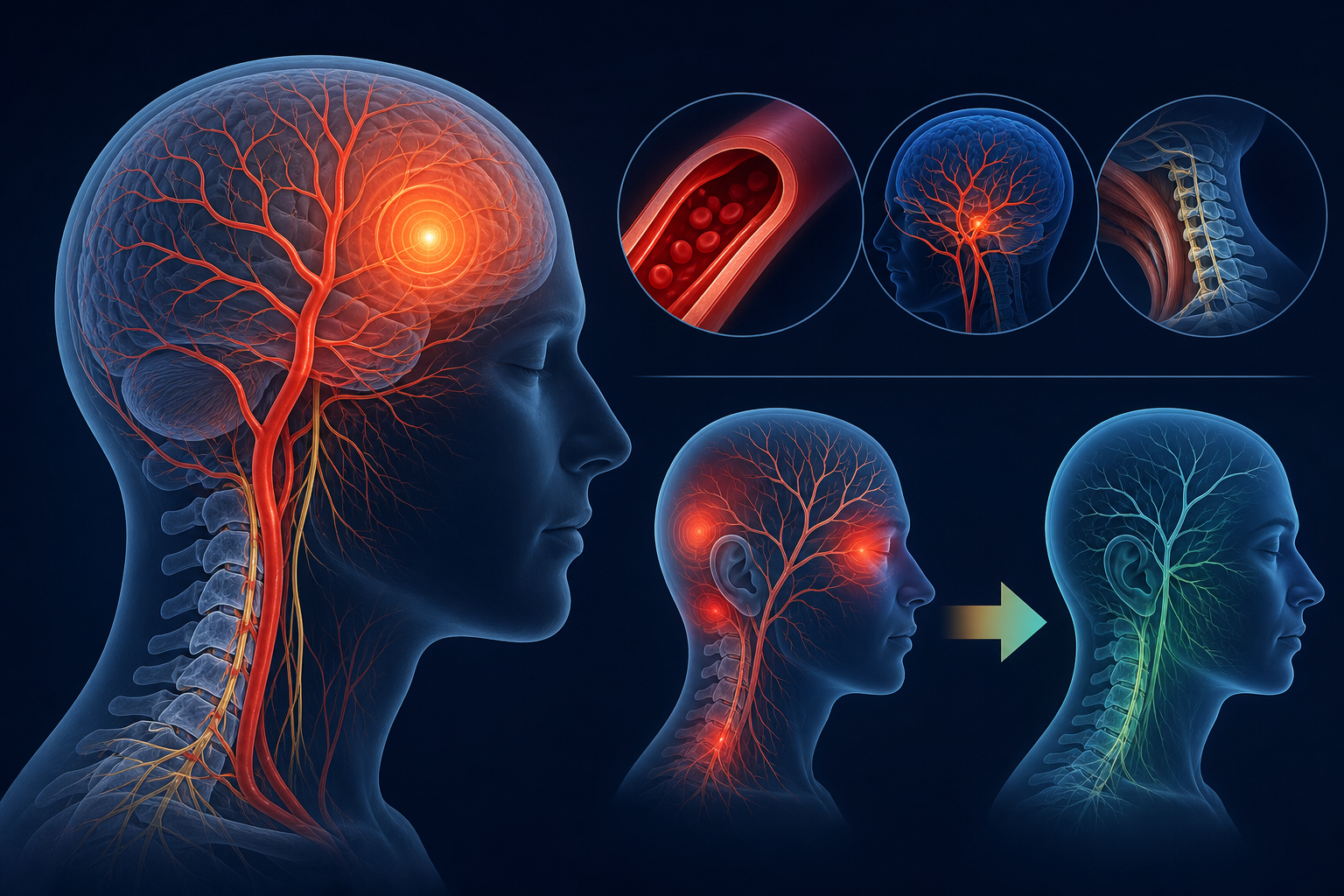
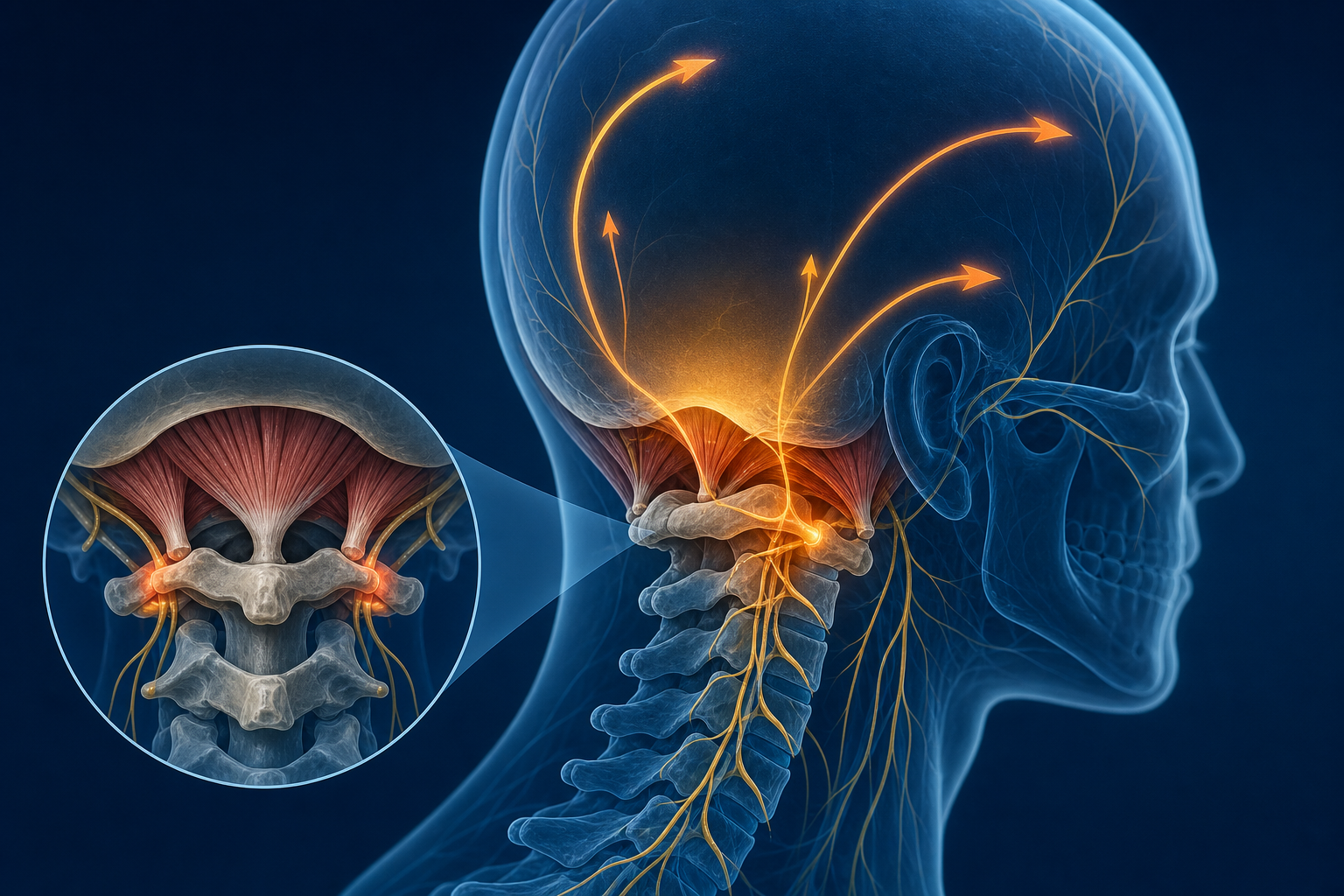
Migraines do not have to disable a person’s life. If they are due to misalignment in the upper neck of only a ¼ of a millimeter, there is a way to find relief. Upper cervical chiropractors are trained to find these misalignments. They understand that this can affect the way the body and brain communicate with each other, leading to many health problems, including migraines. Once the vertebrae are realigned, the body can begin to heal, and migraines may be old news.  

Medical Disclaimer: This article is for informational purposes only and does not constitute medical advice, diagnosis, or treatment. Always consult a qualified healthcare provider for personalized medical guidance. If you are experiencing a medical emergency, call 911 or your local emergency number immediately.
Frequently Asked Questions

What are the stages of a migraine headache?
Many migraines occur in phases: **prodrome**, **aura** (not everyone has this), the **headache/attack** phase, and **postdrome**. Prodrome can show up hours to days early with subtle changes like fatigue or mood shifts. The attack phase is when head pain and other symptoms peak. Postdrome is the “migraine hangover” period afterward.
How long does each migraine stage last?
Timing varies, but a typical pattern is: prodrome lasting several hours up to 1–2 days, aura lasting minutes to about an hour, the headache/attack phase lasting hours to a few days, and postdrome lasting up to a day (sometimes longer). Your pattern may be consistent over time, which is why tracking symptoms can be helpful.
What does the prodrome phase feel like?
Prodrome is the early warning stage. People often notice changes like irritability or unusual energy, fatigue, food cravings, neck stiffness, frequent yawning, and digestive changes such as constipation or diarrhea. These symptoms can be easy to miss because they don’t always feel like a “headache” problem yet. Recognizing prodrome can help you plan rest and reduce triggers.
Is aura required for a migraine diagnosis?
No. Many people have **migraine without aura**. Aura is a set of temporary neurologic symptoms that can include visual changes (flashing lights, zig-zag lines), tingling, or speech difficulty, usually before head pain. If aura symptoms are new, severe, or different from your usual pattern, it’s smart to get evaluated to rule out other causes.
What is the postdrome phase (migraine hangover)?
Postdrome is the phase after the main headache improves. You may feel washed out, foggy, sore, or sensitive to light and sound. Some people feel unusually upbeat, while others feel low energy. Gentle movement, hydration, regular meals, and sleep support may help you recover. If postdrome symptoms are frequent or prolonged, a provider can help you build a plan.

Sources

  1. Migraine — National Institute of Neurological Disorders and Stroke (NINDS) (2024)
  2. Migraine — World Health Organization (WHO) — Headache disorders fact sheet (2023)
  3. Migraine Headache — MedlinePlus (U.S. National Library of Medicine) (2024)

We use first-party cookies to run this site and understand how patients find us. Privacy