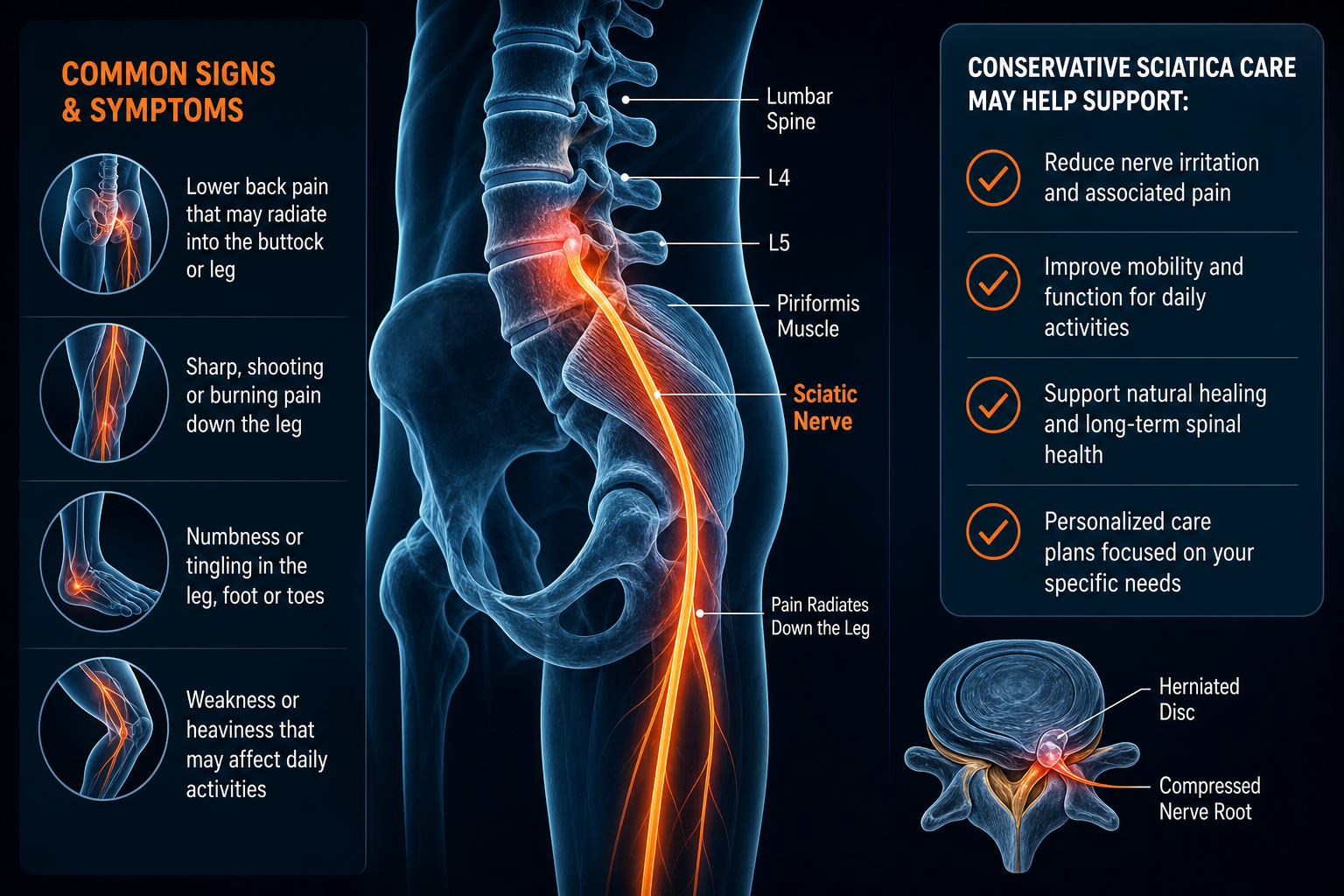
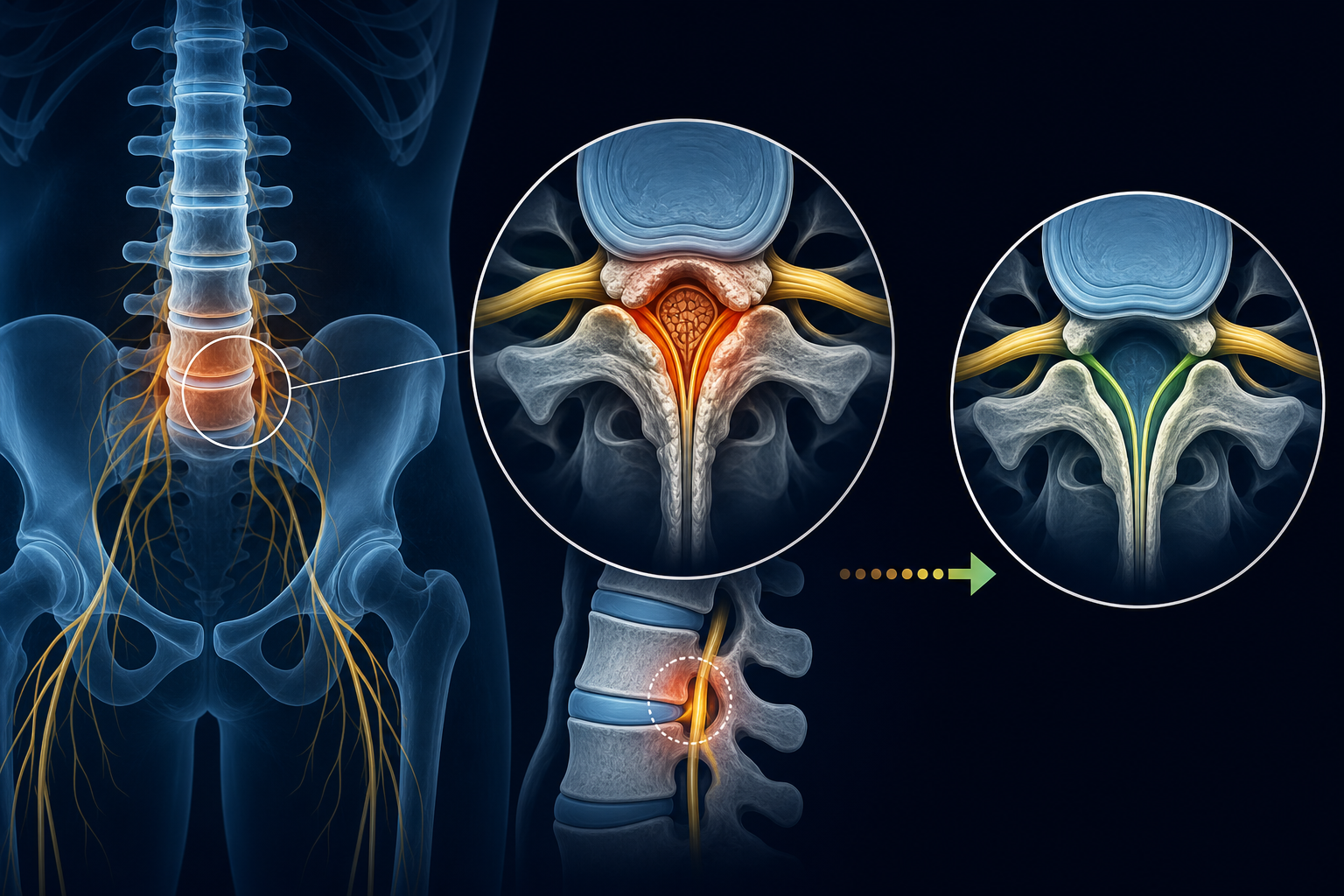
Low back pain is a pervasive issue that affects millions of people worldwide, cutting across all age groups, genders, and socioeconomic statuses. It is not just a medical concern but also a significant social and economic burden, leading to lost workdays, decreased productivity, and reduced quality of life. In the search for effective treatments, many have turned to chiropractic care, a non-invasive approach that offers relief and long-term management strategies for those suffering from low back pain.
Understanding Low Back Pain
Low back pain is often categorized into acute and chronic forms. Acute low back pain is typically short-lived, lasting a few days to weeks, and is usually associated with specific injuries or strains. Chronic low back pain, however, persists for 12 weeks or longer, even after the initial injury or underlying cause has been treated. This condition can lead to significant disability and is one of the most common reasons for seeking medical care.
The Chiropractic Approach to Low Back Pain
Chiropractic care focuses on diagnosing, treating, and preventing mechanical disorders of the musculoskeletal system, particularly the spine. Chiropractors use hands-on spinal manipulation and other alternative treatments to align the body’s musculoskeletal structure, particularly the spine, enabling the body to heal itself without surgery or medication.
How Chiropractic Care Helps with Low Back Pain
Spinal Manipulation: The core technique used by chiropractors is spinal manipulation, also known as chiropractic adjustment. This involves applying controlled force to joints that have become restricted in their movement, restoring mobility, reducing pain, and improving function.
Soft Tissue Therapy: Chiropractors also employ soft tissue therapies to relax and treat tight or sore muscles, tendons, and ligaments, which often accompany low back pain.
Exercise and Rehabilitation: Beyond in-office treatments, chiropractors provide patients with personalized exercise and stretching programs. These exercises help strengthen the muscles supporting the spine, improve flexibility, and prevent future episodes of low back pain.
Lifestyle and Ergonomic Advice: Chiropractors offer guidance on posture, ergonomics, and other lifestyle factors that can contribute to low back pain. By addressing these elements, patients can make positive changes that reduce strain on the back and prevent pain from recurring.
The Science Behind Chiropractic Care
Research supports the efficacy of chiropractic care for managing low back pain. A study published in the Journal of the American Medical Association found that spinal manipulation is as effective as other standard treatments for acute low back pain, with fewer side effects than medications such as painkillers or muscle relaxants.
Another study in the Spine Journal concluded that chiropractic care combined with standard medical care provided significant improvement in patients with low back pain compared to standard care alone. These findings emphasize the role of chiropractic care as a valuable component of a multidisciplinary approach to low back pain.
Advantages of Chiropractic Care
Chiropractic care offers several advantages that make it an attractive option for those dealing with low back pain:
Non-Invasive Treatment: Unlike surgery or injections, chiropractic care is non-invasive, reducing the risk of complications and allowing for quicker recovery times.
Drug-Free Approach: Chiropractic care avoids the use of medications, which can have side effects and the potential for dependency. This drug-free approach aligns with a growing preference for natural and holistic health care.
Personalized Care: Chiropractors take a patient-centered approach, tailoring treatments to the individual’s specific condition, needs, and preferences. This personalized care increases the likelihood of successful outcomes.
Focus on Prevention: Chiropractic care emphasizes not only the treatment of low back pain but also its prevention. By addressing lifestyle factors and encouraging healthy habits, chiropractors help patients avoid future pain and maintain their overall health.
Keywords: non-invasive treatment, drug-free approach, personalized care, preventive care
When to See a Chiropractor for Low Back Pain
While low back pain can often be managed with home care, certain symptoms warrant a visit to a chiropractor:
- Persistent pain lasting more than a few weeks
- Pain that spreads down the legs, especially below the knee
- Weakness, numbness, or tingling in the legs
- Unexplained weight loss accompanied by back pain
- Difficulty standing up straight, walking, or performing daily activities
These symptoms could indicate a more serious underlying issue, such as a herniated disc or spinal stenosis, that requires professional evaluation and treatment.
Conclusion
Low back pain is a significant health concern that can have a profound impact on one’s quality of life. Chiropractic care offers an effective, non-invasive, and drug-free option for managing this condition, providing relief from pain and helping to prevent future episodes. By addressing the root causes of low back pain and promoting overall spine health, chiropractic care empowers individuals to lead healthier, more active lives.
If you are experiencing low back pain, consider consulting with a chiropractor to explore how this holistic approach can benefit you. With the right care and preventive strategies, it is possible to manage low back pain effectively and enjoy a higher quality of life.