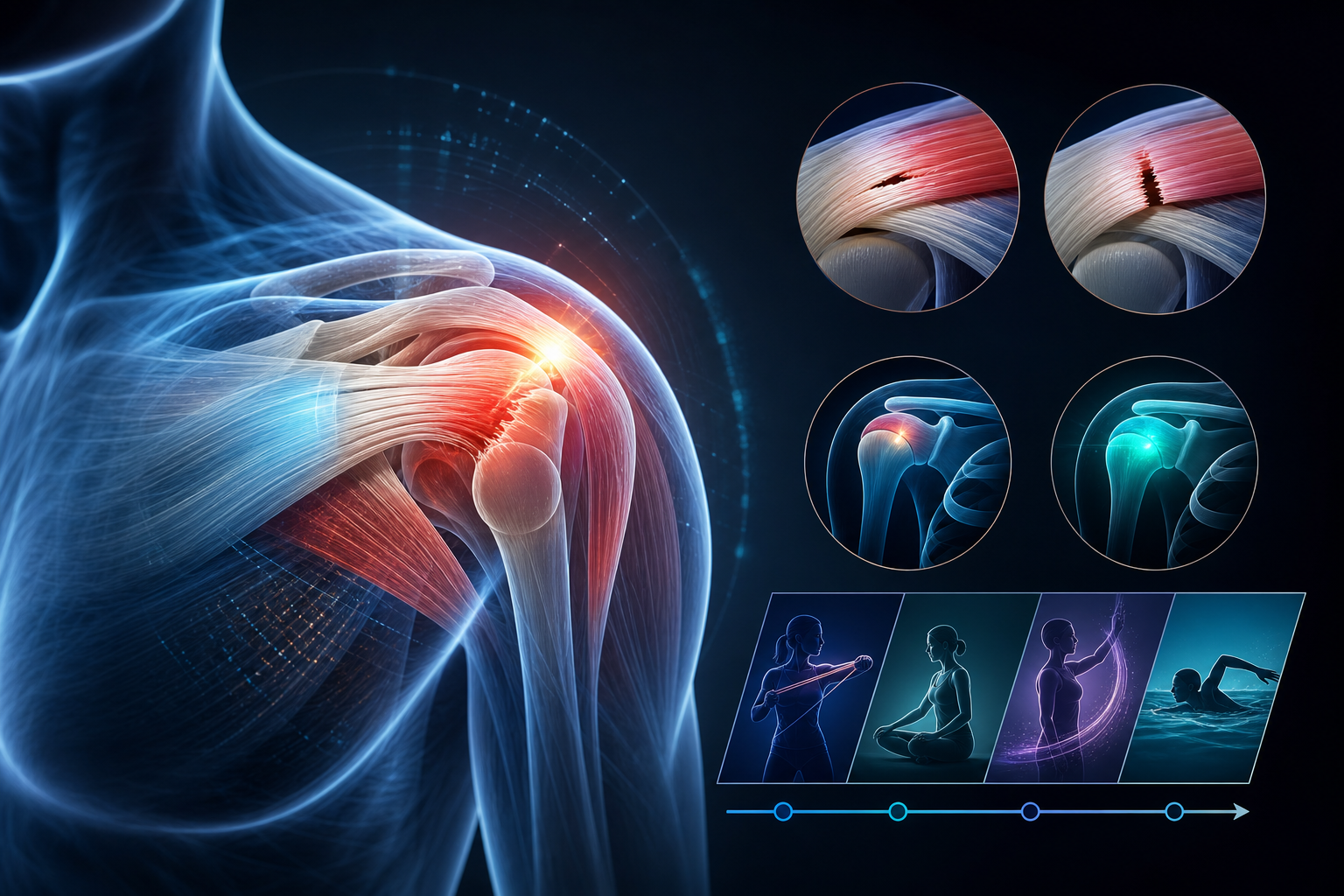
The Moment Everything Changed: When Your Left Shoulder Says 'Stop'
Picture this: You're reaching up to grab something from a high shelf, playing catch with your kids, or perhaps just sleeping in an awkward position when suddenly—sharp pain shoots through your left shoulder. That simple, everyday movement that you've done thousands of times before now leaves you wincing and wondering what just happened. The pain might be immediate and intense, or it could develop gradually over the following hours, but either way, your shoulder is clearly telling you something is wrong.
If you're reading this, you've likely experienced that jarring moment when your body forces you to stop and pay attention. Perhaps you've already visited a healthcare provider who mentioned terms like "shoulder girdle sprain" or showed you a medical code that looks like alphabet soup. The confusion and concern that follows an unexpected injury is completely normal—you're not alone in feeling overwhelmed by medical terminology and uncertain about what comes next.
A sprain of other specified parts of your left shoulder girdle might sound complicated, but it's essentially an injury to the ligaments and soft tissues that connect and support the bones in your shoulder area. These injuries can happen to anyone, from weekend warriors to office workers, and they're more common than you might think. Your feelings of frustration, worry about recovery time, and questions about treatment options are all valid responses to finding yourself dealing with an unexpected injury that's disrupting your daily life.
Taking Your First Steps: Understanding What Happened to Your Shoulder
Your shoulder girdle is an intricate system of bones, joints, and ligaments that work together to give your arm its remarkable range of motion. Think of it as the foundation that connects your arm to your torso—it includes your collarbone (clavicle), shoulder blade (scapula), and the joints where these bones connect to each other and your ribcage. The acromioclavicular joint connects your collarbone to your shoulder blade, while the sternoclavicular joint connects your collarbone to your breastbone.
When healthcare providers use the term "other specified parts" in relation to your shoulder girdle sprain, they're referring to injuries that affect these connecting structures but don't fit into more specific diagnostic categories. This might include sprains to the ligaments supporting these joints, soft tissue injuries around the shoulder blade, or damage to the complex network of tissues that keep your shoulder girdle stable and functional.
The medical code S43.8XXA that appears on your paperwork is part of the International Classification of Diseases (ICD-10) system. The "initial encounter" designation is important because it indicates this is your first visit for this particular injury. This coding helps healthcare providers track your care, ensures proper insurance billing, and establishes a baseline for your treatment plan. It's essentially a way for the medical system to document that this is a new injury requiring fresh attention.
Left shoulder girdle sprains commonly occur from falls onto an outstretched arm, direct impacts to the shoulder, sudden pulling motions, or repetitive overhead activities. Sports injuries, car accidents, workplace incidents, and even simple household activities can cause these injuries. Sometimes the mechanism of injury is obvious—like a fall or collision—but other times, patients develop symptoms gradually from repetitive stress or minor trauma they barely noticed at the time.
Getting proper assessment quickly matters because early intervention often leads to better outcomes. While some shoulder injuries can wait, others may involve complications that benefit from prompt treatment. Additionally, establishing proper documentation from the beginning helps ensure continuity of care and can be important for insurance coverage and potential workplace injury claims.
Discoveries Along the Way: Recognizing Symptoms and Getting Answers
The symptoms of a left shoulder girdle sprain can vary significantly depending on which specific structures are involved and the severity of the injury. Patients often experience a combination of pain, swelling, and limited range of motion, but the exact pattern can provide important clues about the nature of the injury. Pain might be localized to a specific joint, such as where your collarbone meets your shoulder blade, or it could be more diffuse across the entire shoulder region.
Common symptoms include aching or sharp pain that worsens with movement, tenderness when pressure is applied to specific areas of the shoulder girdle, swelling or visible deformity around the injured structures, and difficulty lifting your arm or performing overhead activities. Many patients notice that the pain is worse at night, particularly when lying on the affected side, and that certain movements trigger sharp, shooting pains. Stiffness often develops within hours or days of the initial injury, making it challenging to perform routine activities like reaching across your body or behind your back.
However, certain symptoms require immediate medical attention and shouldn't wait for a scheduled appointment. Seek emergency care if you experience severe deformity of the shoulder area, complete inability to move your arm, numbness or tingling in your arm or hand, signs of circulation problems like color changes in your fingers, or if your pain is so severe that over-the-counter medications provide no relief. These red flag symptoms could indicate more serious injuries like fractures, dislocations, or nerve damage that require urgent intervention.
During your diagnostic evaluation, healthcare providers typically begin with a thorough history and physical examination. They'll ask detailed questions about how the injury occurred, what symptoms you've experienced, and how the injury has affected your daily activities. The physical examination involves careful palpation of the shoulder girdle structures, assessment of range of motion, and specific tests designed to evaluate the stability and function of different joints and ligaments.
Imaging studies may be recommended to rule out fractures and better visualize soft tissue injuries. X-rays are often the first step to ensure no bones are broken, while MRI or ultrasound might be used to evaluate ligament damage and soft tissue injuries. Your healthcare provider will use this combination of clinical findings and imaging results to differentiate your shoulder girdle sprain from other conditions like rotator cuff tears, fractures, or arthritis.
Understanding severity levels helps set realistic expectations for recovery. Grade 1 sprains involve mild stretching of ligaments with minimal functional impact, typically healing within a few weeks. Grade 2 sprains include partial tearing of ligaments with moderate pain and functional limitations, often requiring several weeks to months for full recovery. Grade 3 sprains involve complete ligament tears and may require more intensive treatment and longer recovery periods. Regarding insurance and billing, the "initial encounter" designation typically ensures good coverage for diagnostic procedures, and many insurance plans cover physical therapy and other conservative treatments for these injuries.
Putting Knowledge into Practice: Your Treatment and Recovery Roadmap
In the immediate aftermath of your shoulder girdle sprain, following basic first aid principles can help minimize further damage and provide some relief. The RICE protocol—rest, ice, compression, and elevation—remains a cornerstone of early injury management. Applying ice for 15-20 minutes several times daily during the first 48-72 hours can help reduce swelling and numb pain, while gentle compression with an elastic wrap may provide support and limit swelling.
Treatment options typically begin with conservative approaches and progress to more intensive interventions only if necessary. Most shoulder girdle sprains respond well to non-surgical treatment, which might include medications to manage pain and inflammation, targeted physical therapy to restore function and prevent stiffness, and activity modifications to allow healing while maintaining overall fitness. Some patients benefit from supportive devices like slings or specialized braces during the acute phase of recovery.
Physical therapy often becomes a central component of recovery, typically beginning once acute pain and swelling subside. Early sessions might focus on gentle range-of-motion exercises and pain management techniques, progressing to strengthening exercises as healing advances. Your physical therapist will design a program specific to your injury pattern, functional goals, and activity level. The timeline varies, but many patients begin physical therapy within a few days to weeks after injury, with treatment continuing for several weeks to months depending on severity and response to treatment.
Activity modifications during recovery are crucial for optimal healing. This might mean temporarily avoiding overhead reaching, heavy lifting, or specific sports activities that stress the injured structures. However, complete immobilization is rarely beneficial, so your healthcare team will guide you on which activities to avoid and which gentle movements can actually promote healing. Many patients can continue working with modifications, though jobs requiring heavy lifting or repetitive overhead motions may require temporary restrictions.
Follow-up appointments are typically scheduled based on your specific injury and response to initial treatment. Most patients see their healthcare provider again within 1-2 weeks to assess progress and adjust treatment plans as needed. Recovery milestones to expect include gradual reduction in pain over the first few weeks, progressive improvement in range of motion, and gradual return to functional activities. Complete recovery timelines vary widely but often range from a few weeks for mild sprains to several months for more severe injuries.
Your Road to Recovery: Moving Forward with Confidence
Prevention strategies for future shoulder injuries focus on maintaining good shoulder girdle strength and flexibility, using proper body mechanics during lifting and reaching activities, and gradually increasing activity levels when returning to sports or demanding physical activities. Regular strengthening exercises for the muscles that support your shoulder girdle can provide better stability and reduce injury risk. Many patients find that continuing some form of the exercises learned during physical therapy helps maintain shoulder health long-term.
The long-term outlook for shoulder girdle sprains is generally positive, with most patients returning to their previous activity levels without ongoing problems. However, it's important to monitor for potential complications such as persistent stiffness, recurrent pain with certain activities, or development of arthritis in affected joints. Some patients experience occasional discomfort with weather changes or after particularly strenuous activities, but this doesn't necessarily indicate incomplete healing or future problems.
Determining when it's safe to return to work, sports, and normal activities requires careful consideration of your specific injury, job demands, and activity level. Healthcare providers typically clear patients for full activity when they've regained normal range of motion, adequate strength, and can perform job or sport-specific movements without pain. This process is gradual—you might return to desk work within days but wait weeks or months before returning to contact sports or heavy manual labor.
Building an effective healthcare team can optimize your recovery experience. This might include your primary care physician for overall coordination, an orthopedic specialist for complex cases, a physical therapist for rehabilitation, and potentially other specialists depending on your specific needs. Using resources like MedXimity can help you find qualified providers in your area who specialize in shoulder injuries and understand the unique challenges of shoulder girdle sprains. Remember that healing takes time, and everyone's recovery timeline is different—be patient with the process while staying actively engaged in your treatment plan.
Frequently Asked Questions About Left Shoulder Girdle Sprains
How long does it typically take to recover from a left shoulder girdle sprain?
Recovery timeframes vary significantly based on injury severity, with mild sprains often improving within 2-4 weeks while more severe injuries may require several months of treatment and rehabilitation.
Can I sleep on my injured shoulder during recovery?
Most patients find sleeping on the injured shoulder uncomfortable and potentially harmful to healing. Healthcare providers typically recommend sleeping on your back or uninjured side with pillow support.
Will I need surgery for my shoulder girdle sprain?
The vast majority of shoulder girdle sprains heal successfully with conservative treatment. Surgery is rarely needed unless there are complete ligament ruptures or associated fractures that don't respond to non-surgical approaches.
When can I return to driving after my injury?
Return to driving depends on pain levels, range of motion, and your ability to safely control the vehicle. Many patients can drive within days to weeks, but should discuss timing with their healthcare provider.
Is it normal to have some ongoing discomfort even after treatment?
Some patients experience occasional mild discomfort or stiffness, especially with weather changes or after strenuous activities. However, persistent significant pain warrants follow-up evaluation with your healthcare provider.
This information is for educational purposes only and should not replace professional medical advice. Always consult with a qualified healthcare provider for personalized medical guidance.