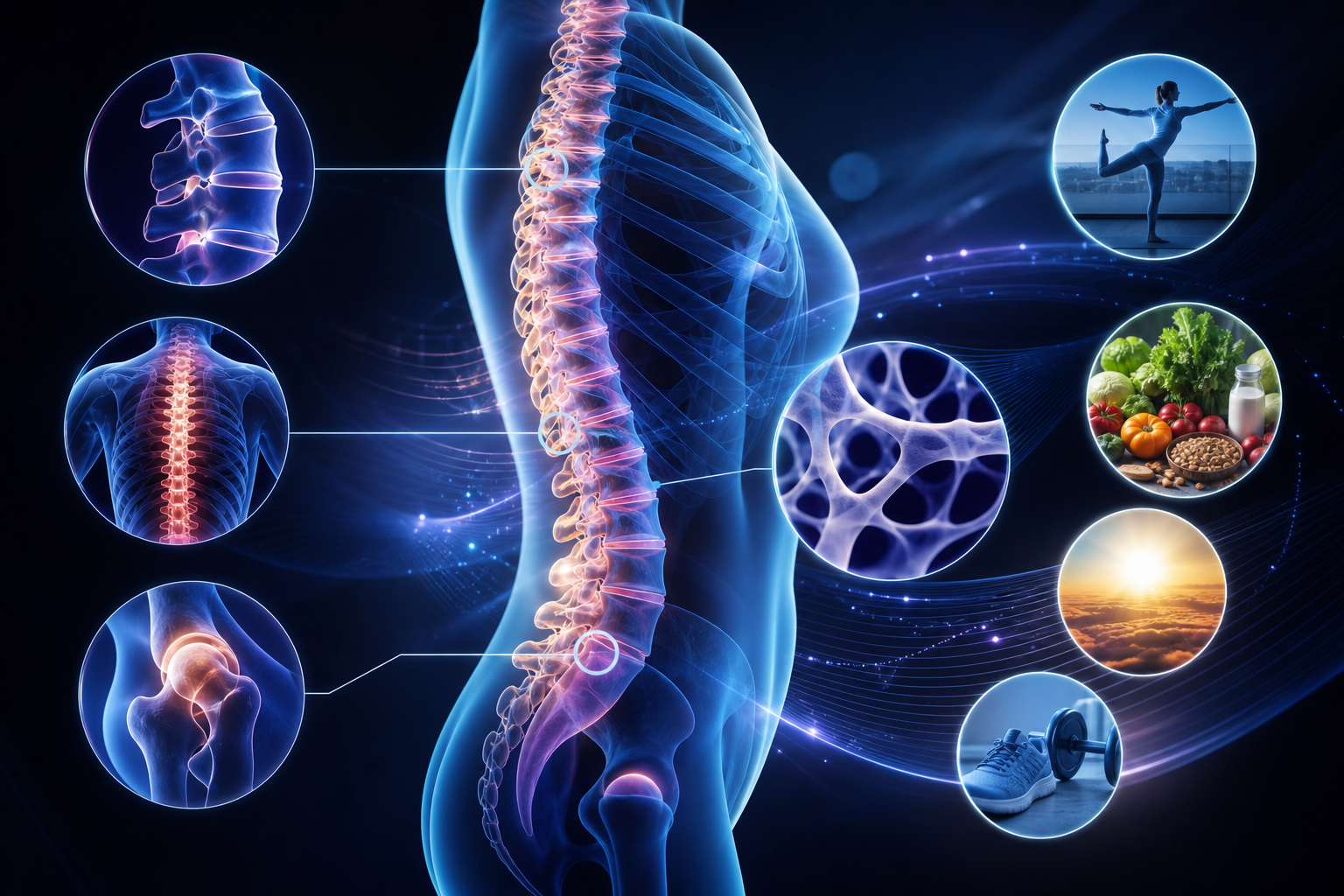
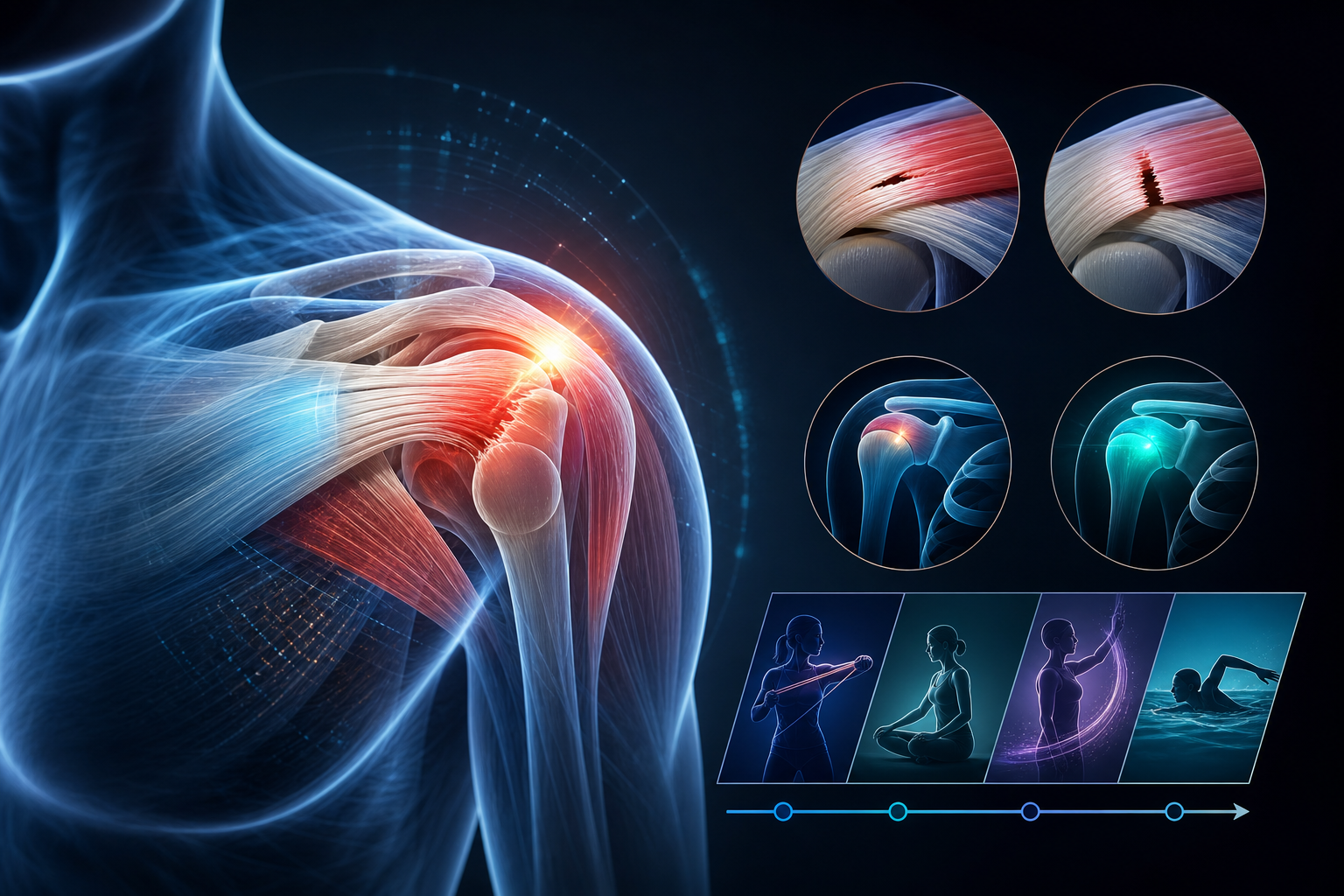
After a car accident, most people need medical attention. Some of them are lucky enough to walk away with a few scratches and bruises. But for the largest majority, a car crash results in serious injuries, such as fractures, soft tissue injuries, herniated spinal disc on head injuries. Even the most common type of injury caused by a car crash – whiplash – requires medical attention. And when it’s time to start your rehabilitation and physical therapy, you should choose chiropractic care to restore mobility.
What Are the Long Term Consequences of Car Crash Injuries?
Serious injuries require hospitalization for weeks and various specialized treatments. While doctors focus on saving the patient’s life and functionality of critical organs, it is not possible to keep a look-out for other future complications, such as:
• Reduced mobility
• Weakened muscles
• Joint misalignments caused by the accident
• The formation of scar tissue at the site of muscle and ligament injury.
None of these are life threatening conditions. However, they will have a negative impact on your quality of life after you are pronounced recovered for your car crash injuries. You may not be able to perform fine movements with your hand. You may not be strong enough to lift your children up in your arms. You may not be able to practice the sports and hobbies you enjoy.
This is why car accident victims should seek chiropractic care to restore mobility as soon as their doctor gives them the green light to start physical therapy.
Why Choose a Chiropractor Instead of a Physical Therapist?
Physical therapy will focus solely on restoring the ability to use the injured parts of your body. A chiropractor’s focus is on your entire body – starting with the proper functioning of your nervous system.
Here are other reasons why accident victims seek chiropractic care to restore mobility:
1. Drug Free Way of Managing Pain
Many people do not respond well to pain medication. They may have allergic reactions or they may develop addiction to painkillers. The opioid epidemic of recent years has made many Americans look for alternative, drug free ways of managing pain.
This is why they choose to go to a chiropractor. Chiropractic care to restore mobility also resolves inflammation and muscle tension. These are the main causes of pain. Once the underlying cause disappears, so does the pain.
2. Prevention of Negative Symptoms Caused by Misalignments
Spine or joint misalignments may not cause negative effects in your body immediately. You may believe that you are fully healed from your car accident injuries. However, these unresolved misalignments may result in long term conditions, such as:
• Chronic back pain
• Tinnitus (ringing in the ear)
• Vertigo
• Numbness in hands and feet.
Misalignments in the vertebrae of the spine can also create conditions that you would not associate with your initial car crash injuries, such as digestive problems or sexual dysfunction. Through chiropractic care to restore mobility, you can also prevent this kind of conditions, which have a major negative impact on your quality of life.
3. Specialized Massage Prevents Scar Tissue
Scar tissue is one of the consequences of allowing micro-tears in muscles and ligaments to heal by themselves. The body responds to the injury by producing collagen in excess to bind the torn muscle or ligament to nearby fibers. In time, it forms a clump, which is not as flexible as the original tissue.
A chiropractor will apply specialized massage techniques to break up the excess collagen formation and increase the blood flow to the injury site, allowing the muscle or ligament tissue to heal.
Finally, we want to remind you that chiropractic care to restore mobility is recognized by personal injury law as a form of medical care. Thus, if you were injured by someone else’s fault, you may claim costs with chiropractic therapy in your car accident claim or as part of the economic losses you seek to recover in a personal injury lawsuit.
Chiropractic care to restore mobility after a car crash can effectively help you recover and return to your everyday life. We encourage you to search for a chiropractor near you in our online directory and schedule an appointment as soon as you can start physical therapy after your car crash.