Post Concussion Syndrome
Concussions in youth sports have become a pressing concern, with the Centers for Disease Control (CDC) highlighting football as the leading cause of concussions among males and soccer holding that title for females. Alarming statistics reveal that 53% of high school students have already experienced a concussion before even beginning their high school sports careers, while 36% of college athletes report multiple concussions. These figures underscore the urgent need for awareness and education on this issue.
Youth athletes are particularly vulnerable to concussions for several reasons. One significant factor is the sheer amount of time spent engaged in sports-related activities. With athletes participating in their sport five to six days a week, including practices and games, exposure to potential head injuries increases substantially. Interestingly, 78% of concussions in youth sports occur during practices rather than games, highlighting a critical area for intervention. The typical youth sports schedule, which includes four to five days of practice and one to two games per week, further compounds this risk.
Another contributing factor to the increased susceptibility among youth is the developmental stage of their brains. Specifically, the frontal lobe, which plays a crucial role in moderating behavior and decision-making, is not fully developed until around the age of 25. This underdevelopment can contribute to higher risks and potentially more severe consequences from head impacts.
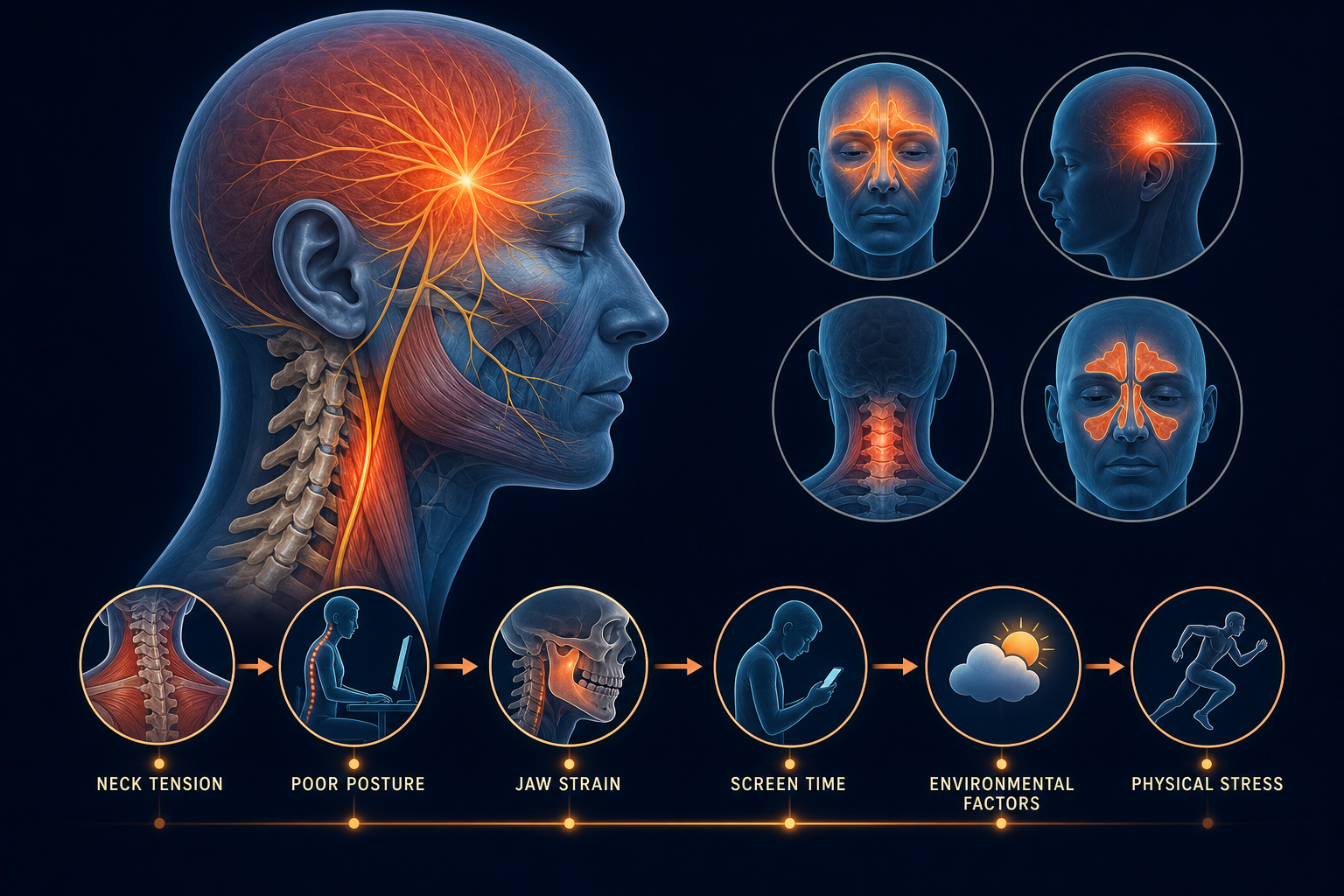
Understanding the symptoms and effects of concussions is essential for parents, coaches, and athletes. Concussions can affect physical, cognitive, emotional, and sleep behaviors, leading to headaches, difficulty concentrating, irritability, and a loss of sleep or energy. Despite these significant symptoms, concussions are notoriously difficult to diagnose, as 47% of athletes do not report feeling symptoms, and less than 10% experience loss of consciousness.
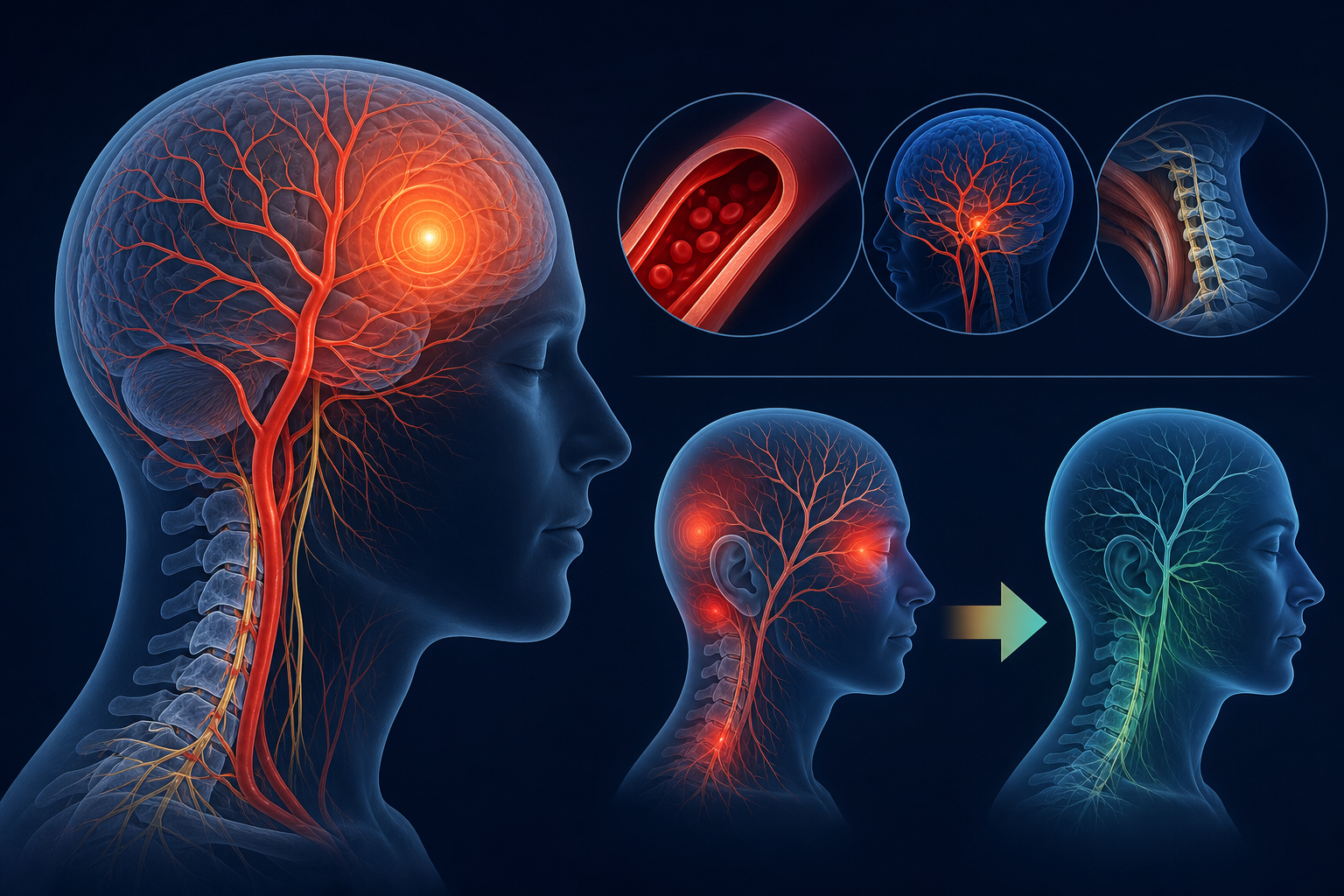
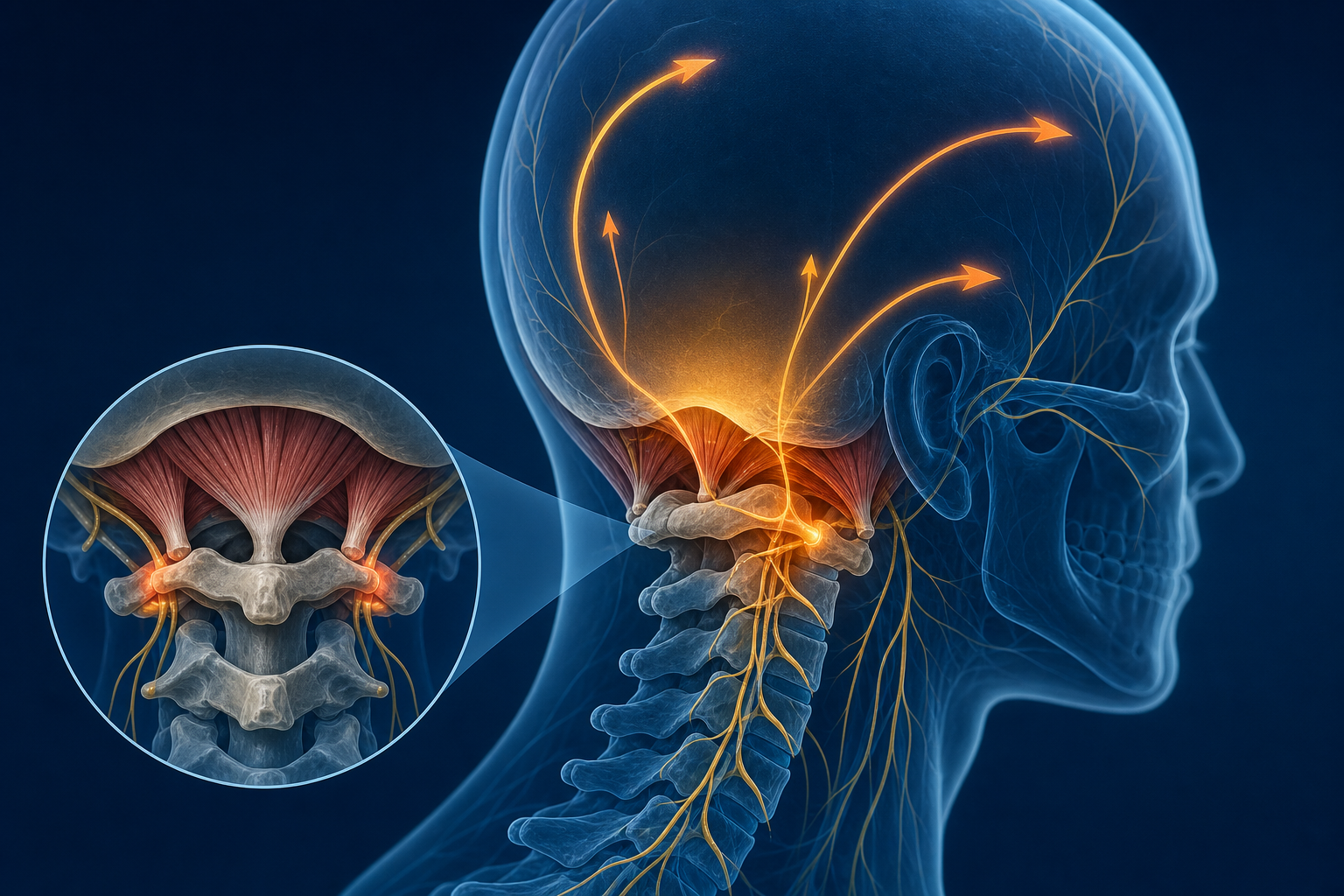
The treatment and prevention of concussions are multi-faceted. One approach includes Upper Cervical Chiropractic, particularly in addressing Post-concussion Syndrome. This syndrome can occur following head trauma, potentially leading to a subluxation of the atlas vertebra. Adjusting the atlas can improve communication between the brain and body, aiding in symptom relief and recovery. The Blair technique, a specific method within Upper Cervical Chiropractic, focuses on returning the body to its pre-injury state, promoting a quicker return to normal activities.
Preventative measures are also critical in combating the incidence of concussions. Ensuring athletes wear proper equipment and are trained in concussion awareness can significantly reduce risks. Moreover, maintaining spinal health through regular checks can prepare a young athlete's body for the rigors of sports, potentially speeding up recovery times and reducing the likelihood of injuries, including concussions.
Understanding concussions, recognizing their symptoms, and knowing how to respond to head traumas are essential for everyone involved in youth sports. Education and preventative measures, coupled with approaches like Blair Upper Cervical Care, can offer significant benefits. Parents and coaches must remain vigilant and informed to protect young athletes from the potentially lasting impact of concussions. Regular consultations with upper cervical professionals can provide additional reassurance and safety for athletes, ensuring their spinal health is as prioritized as their overall performance.