Parkinson's Disease (PD) is a progressive neurological disorder that primarily affects movement. It develops gradually, sometimes starting with a barely noticeable tremor in just one hand. But while tremor may be the most well-known sign of Parkinson's disease, the disorder also commonly causes stiffness or slowing of movement. In the early stages of Parkinson's disease, your face may show little or no expression, or your arms may not swing when you walk. Your speech may become soft or slurred. Parkinson's disease symptoms worsen as the condition progresses over time.
Although Parkinson's disease can't be cured, medications might significantly improve symptoms. Occasionally, surgery may be advised, and lifestyle changes, along with physical therapy, are recommended to help improve mobility and maintain independence. However, an alternative approach that is gaining attention in the management of PD symptoms is upper cervical chiropractic care.
Understanding Upper Cervical Chiropractic Care
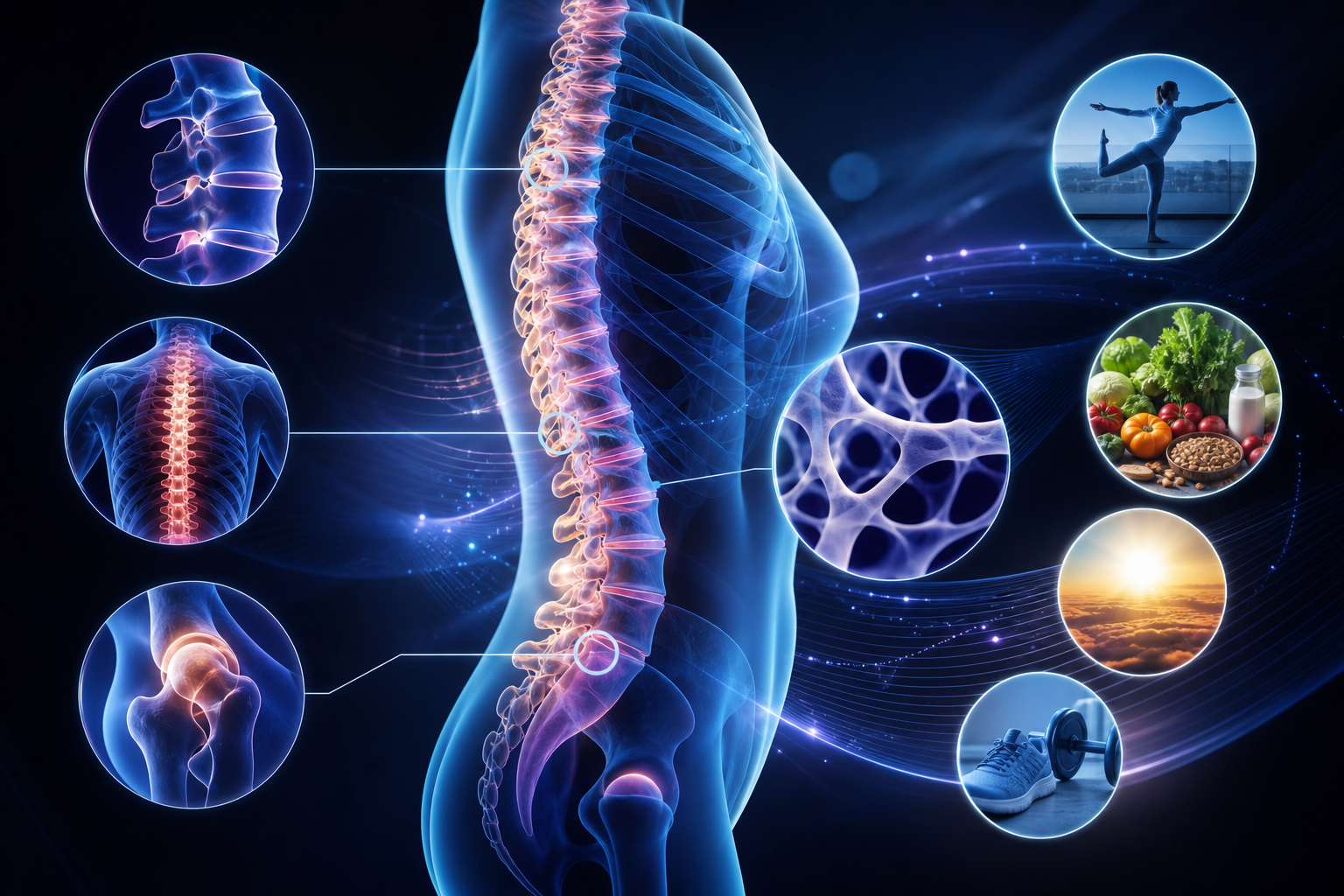
Upper cervical chiropractic care focuses on correcting minor misalignments in the upper neck region, particularly involving the C1 (atlas) and C2 (axis) vertebrae. This area of the spine is crucial because it houses the brainstem, which plays a vital role in transmitting messages between the brain and the body. Misalignments in this area can potentially affect neurological function throughout the body.
Chiropractors specializing in upper cervical care use specific, gentle techniques to correct these misalignments. Unlike general chiropractic manipulations, upper cervical adjustments are low-force and precise, aiming to restore balance and optimal neural transmission.
Parkinson’s Disease and the Upper Cervical Spine
The relationship between the upper cervical spine and neurological conditions like Parkinson's Disease is an area of growing interest. Some theories suggest that misalignments or subluxations in the upper cervical spine can lead to changes in neurological function, potentially exacerbating symptoms of PD. These misalignments might alter the function of the brainstem and the flow of cerebrospinal fluid, thereby affecting the central nervous system's performance.
Research and Evidence
While research into the effects of upper cervical chiropractic care on Parkinson's symptoms is still in its early stages, some preliminary studies and case reports have shown promising results. Patients have reported improvements in symptoms such as tremors, balance, mobility, and speech after receiving upper cervical chiropractic care. However, these studies often have small sample sizes and lack control groups, so further research is needed to substantiate these findings.
Potential Benefits of Upper Cervical Care for Parkinson’s Patients
1. Improved Motor Function: Adjustments may help improve coordination and reduce tremors, potentially leading to better control over movements.
2. Enhanced Neurological Function: By optimizing spine alignment and possibly improving cerebrospinal fluid flow, upper cervical care might enhance overall neurological health.
3. Decreased Pain and Discomfort: Many patients with Parkinson's experience pain, often due to rigidity and abnormal postures. Correcting spinal misalignments can reduce muscle tension and pain.
4. Better Quality of Life: Improvements in physical abilities and reductions in discomfort can lead to a better overall quality of life.
Considerations and Safety
While upper cervical chiropractic care is generally considered safe, patients with Parkinson’s Disease must consult with their healthcare provider before starting any new treatment regimen. It is also essential to ensure that the chiropractor is well-trained and experienced in upper cervical techniques.
Conclusion
Parkinson’s Disease presents significant challenges to those it affects, impacting their mobility, independence, and quality of life. While traditional medical treatments remain the cornerstone of Parkinson’s management, alternative therapies like upper cervical chiropractic care offer additional avenues for managing symptoms and improving well-being. With further research, we might better understand the potential of this specialized approach to make a meaningful difference in the lives of those battling this debilitating disorder.