Upper cervical doctors across the country have been helping thousands of people with vertigo. For years this simple, non-invasive procedure has produced positive effects for vertigo sufferers. What is vertigo?
A sensation of whirling and loss of balance, particularly with looking down from a great height. It also can be from a disease affecting the inner ear or the vestibular nerve. Hardly a fun experience. According to Vestibular.org, from 2001 through 2004, “As many as 35.4% of US adults aged 40 years and older (69 million Americans) had vestibular dysfunction.” Dizziness is a common symptom affecting about 30% of people over the age of 65. Vestibular disorders affect a large segment of the population.
For the most part, medical help can be invasive and most cases unsuccessful. People who suffer from vestibular disorders go through batteries of tests. While ruling out serious conditions such as brain tumors and heart issues is important, once ruled out, the treatments are drugs and surgeries.
On the noninvasive side of the spectrum: physical therapy is employed. In the great majority of the cases, results are reactionary. Getting to the underlying cause isn't determined and so a purely symptomatic treatment path is followed.
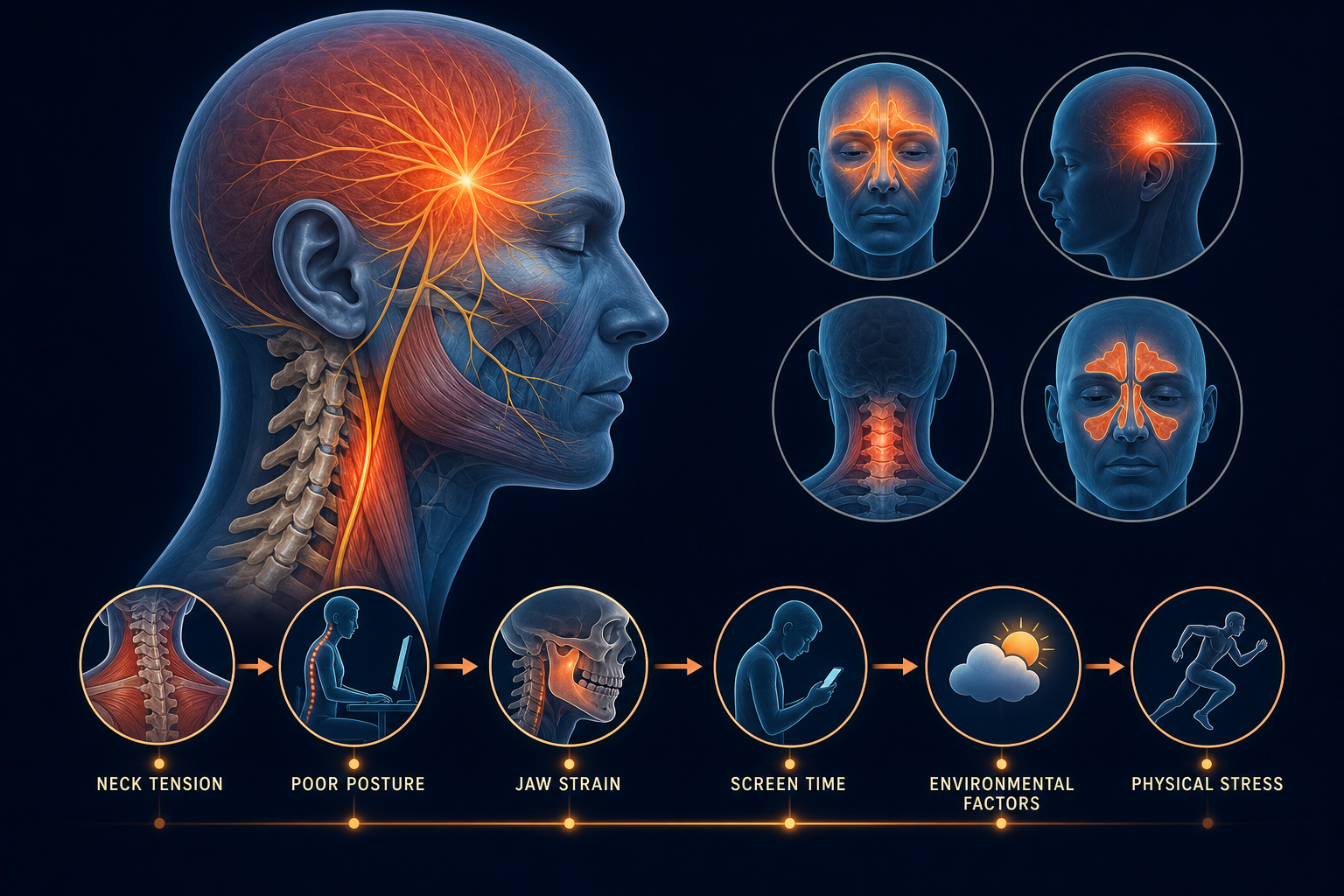
In our offices, we see 10 cases of vestibular disorders a month, ranging from the very serious Meniere's disease to cervicogenic vertigo. While there are many reasons people develop vestibular disorders when medical testing has ruled out serious problems such as brain tumors and heart conditions, the next best place to look is the cervical spine.
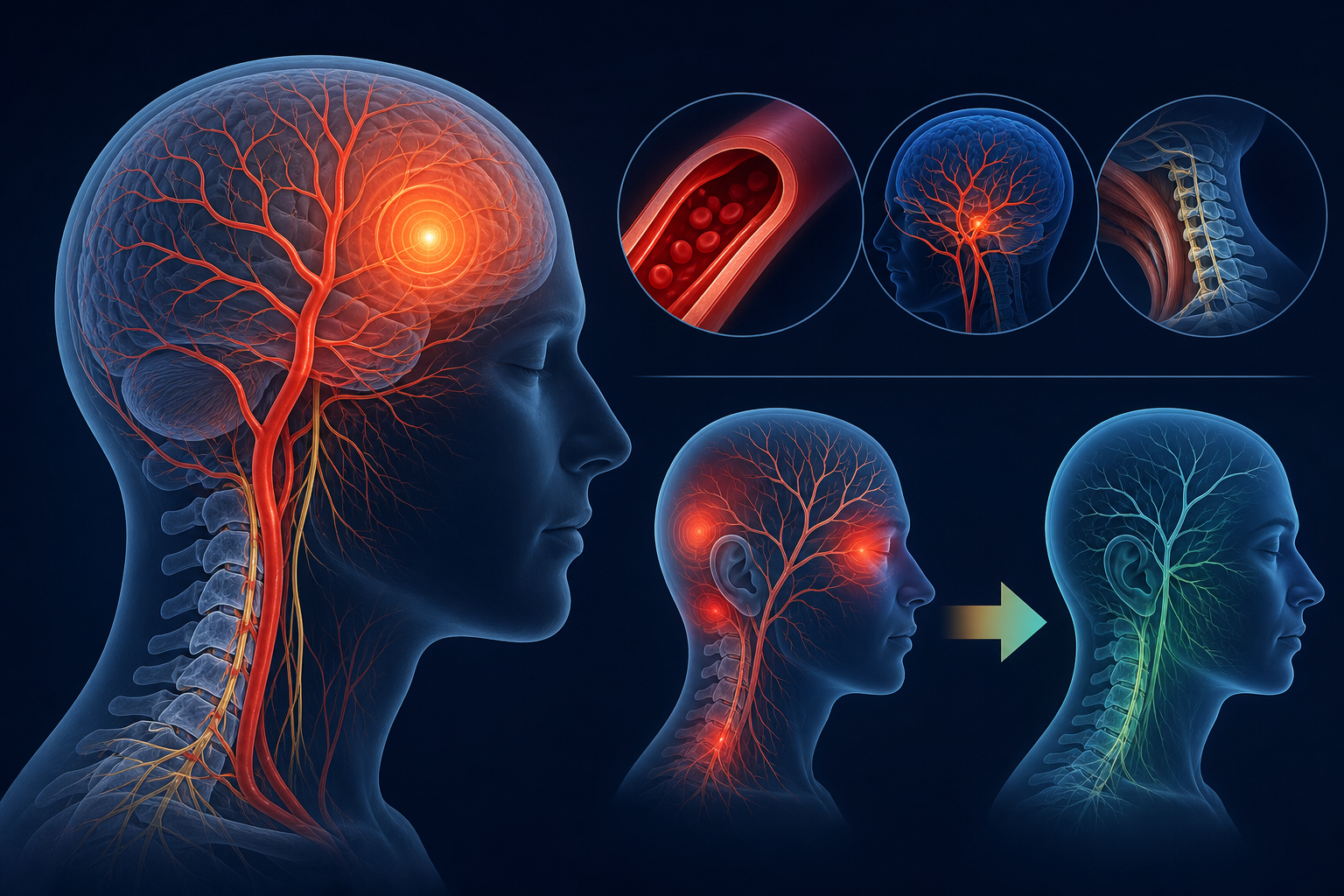
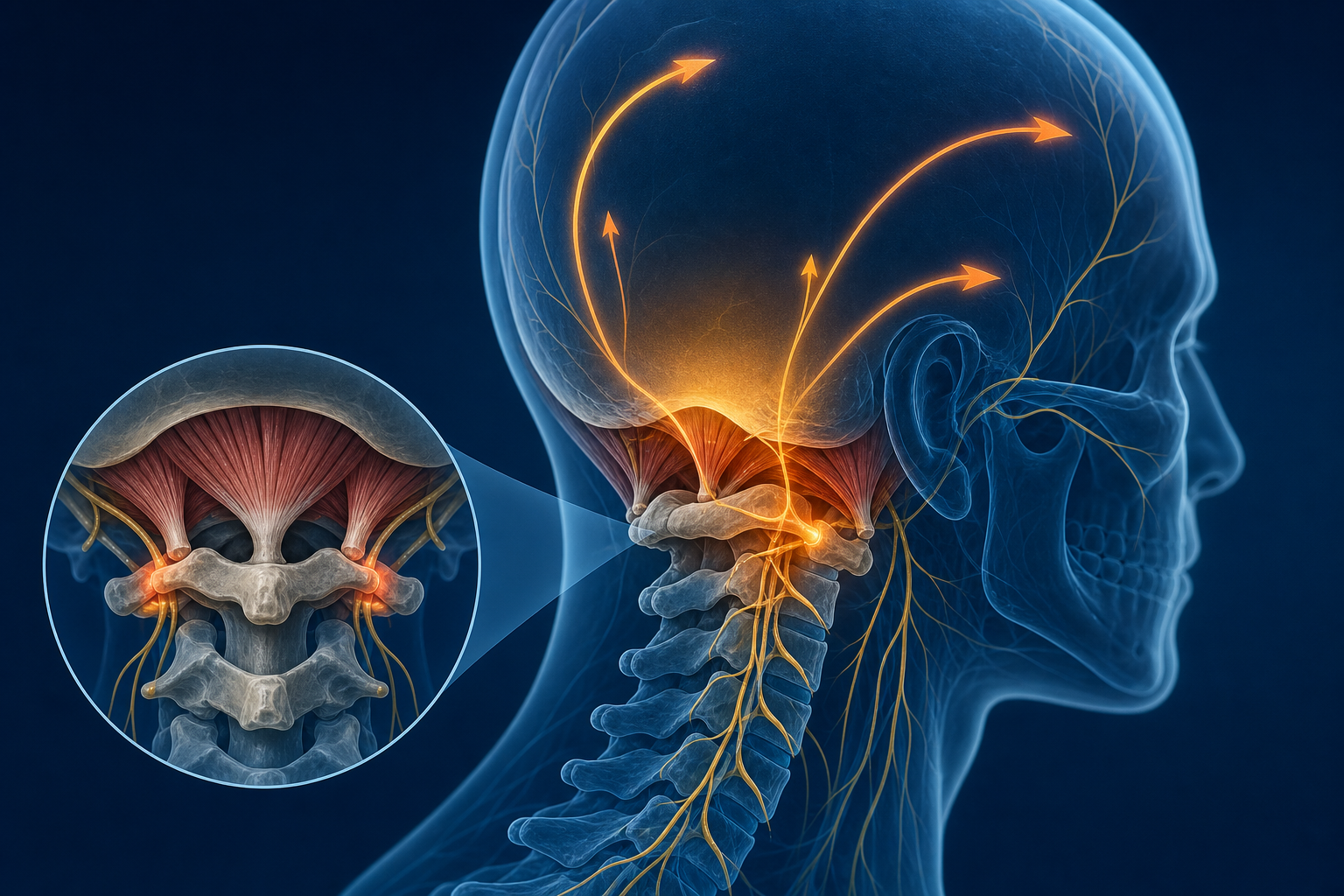
Here is why: the spinal joints in the upper neck carry afferent signals(from the joint to the brain) that have direct pathways to the vestibular apparatus(equilibrium brain center). Furthermore, many of the balance disorders reported after trauma can be justified by a post-traumatic modification to the cervical proprioceptive input, with consequent damage to the vestibular spinal reflex. What does that mean?
Damage to the joints disrupts the information flow from the joint to the brain. This disruption leaves the brain without the information to know where it is in comparison to the rest of the body! When an individual suffers a traumatic injury the damage to the neck joints can be the underlying reason someone is suffering from vertigo.
Traumatic injuries can be simple injuries such as minor car accidents, slip and fall trauma, sports injuries, and many others. There is the misconception that 'traumatic' incites the image of a 50 mph head-on collision but this is just not the case.
Minor whiplash injuries can cause significant injuries to the cervical spine. Kenna states: "It is wrong to assume that maximum neck injury occurs in a high-speed collision; it is the slow or moderate collision that causes maximum hyperextension of the cervical spine. High-speed collisions often break the back of the seat, thus minimizing the force of hyperextension."
The Upper Cervical chiropractor specifically corrects spinal misalignments to the atlas axis(top two vertebrae). Special stereoscopic X-rays are taken to look at each joint individually to determine exactly how the vertebra has misaligned.
A specific noninvasive spinal correction is made to restore normal motion to the joint. Once motion is restored the body can mend and repair the soft tissue which supports the joint. This allows the joint to heal and repair which has a global effect on the nervous system.
In most cases this allows vertigo and dizziness patients to regain control of their lives again. If you are one of those out there who have been to every doctor under the sun and are still suffering from vertigo/dizziness and other health issues you may very well be dealing with an upper neck injury that was not corrected and is now making your life miserable.