The traditional medical treatment of ear infections has been controversial in more recent years and typically begins with antibiotic therapy – the focus is directed at the eradication of bacteria in the middle ear. There is no compelling evidence that children who are given antibiotics for treatment have a shorter duration of symptoms. In addition to that, there is no evidence that they have fewer recurrences of ear infections or better long-term outcomes.
Now get this, over half of all ear infections are not caused by bacteria! Why does that matter? ...because the most common form of treatment is antibiotics. Antibiotics don't work on "non-bacterial" infections. The recurrent use of antibiotics leads to a depressed immune system. So, when you stop and think about it, antibiotics may be doing more harm than good when it comes to kids with ear infections.
If antibiotics are not effective (and they're not effective in over 50% of cases) the next protocol for treatment is the insertion of tympanostomy tubes in order to prevent recurrence, mastoiditis, and hearing loss. Tympanostomy tubal insertion allows for the fluid in the middle ear to drain as well as permitting ventilation. Due to a lack of consensus on which children who present with ear infections would benefit from having this procedure, it is estimated that 27-32% of tympanostomies performed are unnecessary. Even with tubal insertion, it is found that almost 98% of the children have a recurrence of ear infections within two months and 25% have total hearing loss within 7-10 years.
Upper Cervical Approach
The medical approach to ear infections is ineffective. As a result, many parents are looking for real solutions. Upper Cervical Chiropractic Care has proved to be extremely effective. For instance, one study looked at 332 children with chronic ear infections. The results show that 80% of the children did not experience another ear infection within the six-month period following their initial visits. So what is the underlying cause of ear infections? Well, the most likely cause of chronic ear infections is eustachian tube dysfunction. The eustachian tube is a narrow passage that connects the middle ear to the throat.
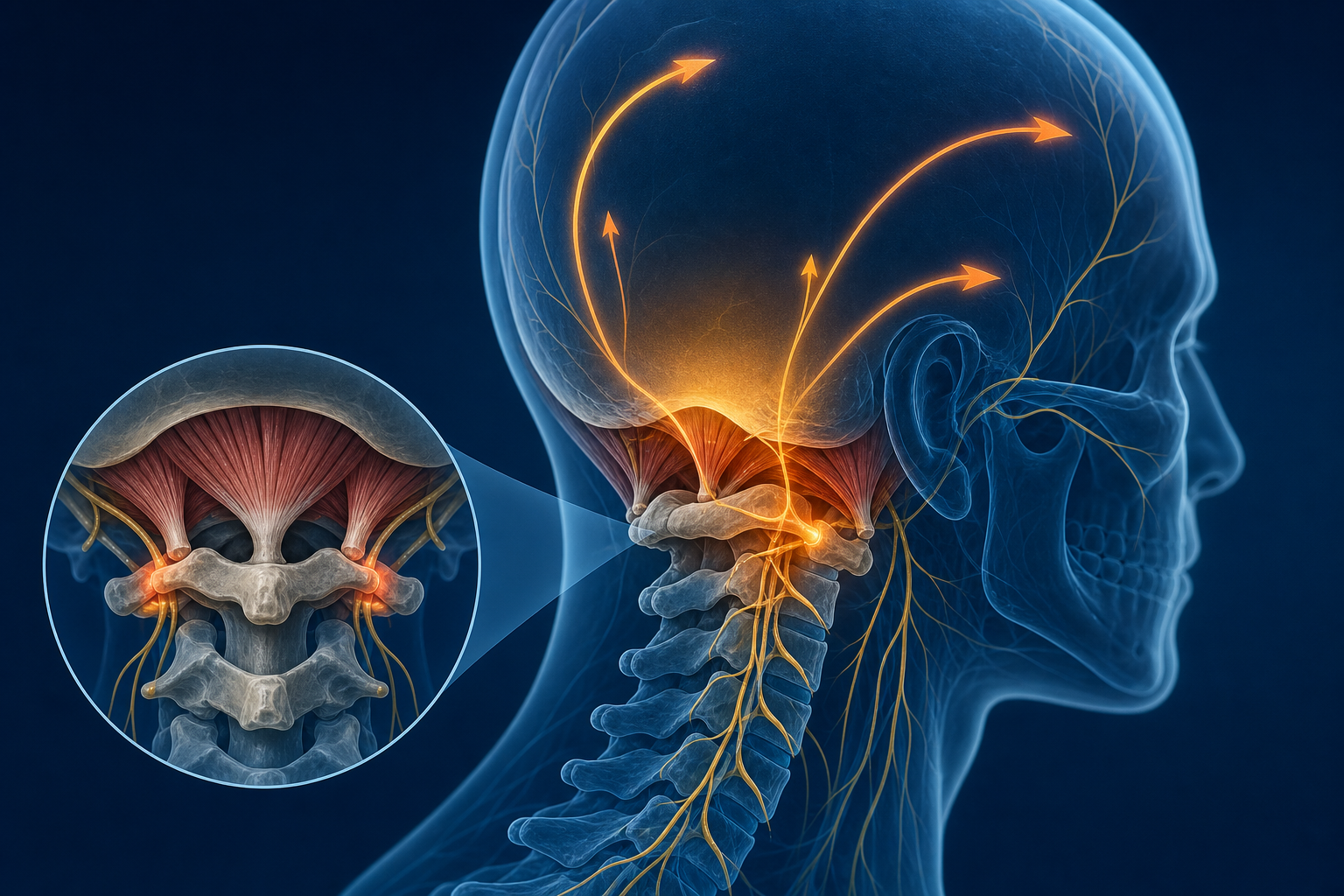
The abnormal function of the eustachian tube traps fluid in the middle ear and leads to an inflammatory response. When normalization of the eustachian tube is achieved it allows for protection of the middle ear from fluids from the nose and the throat, natural drainage of fluid from the middle ear to the nose and throat, and regulation of pressure in the middle ear to equilibrate with the outside environment. Proper eustachian tube function is dependent upon the function of the tensor veli palatini muscle – the only active opener of the Eustachian tube which is controlled by nerves that originate from the upper neck. Misalignment and dysfunction in the upper neck lead to dysfunction in the nerves that leave that area, which in turn leads to dysfunction in the muscles that control the eustachian tube.
Case Study Proves Upper Cervical Chiropractic's Effectiveness with Ear Infections
A recent case study in the Journal of Pediatric, Maternal, and Family Health highlights once again the success of upper cervical chiropractic and recurring ear infections. A 16-month-old child had recurrent ear infections that were unresponsive to antibiotics for 2 months. The pediatrician recommended putting tubes into the ears, but the mother wanted to first try chiropractic care. Misalignments were located in the upper neck and corrected over the span of a month. At the end of that month, all ear infections had resolved. According to the pediatrician, the child was no longer considered for the placement of the tubes. The child’s ear infections have not returned. Upper cervical chiropractic care enables the ear to open and drain which, in turn, allows the body to resist the buildup of fluid and possible infection.
Many children develop their own antibodies and recover quickly and naturally without the use of unnecessary antibiotics and tubes. The discomfort of chronic ear infections, lost days of school for children, and lost days of work for parents can become a thing of the past. The Upper Cervical procedure is very gentle. There is no cracking, popping, or anything that will hurt or cause pain to your baby. References: Resolution of Otitis Media & Avoidance of Tympanostomy Tubes in a 16-Month Old with Birth Trauma Following Subluxation
Based Care: A Case Study and Selective Review of Literature Pamela Stone-McCoy, DC, CACCP & Chantelle Korn, DC Journal of Pediatric, Maternal & Family Health – Chiropractic ~ Volume 2013 ~ Issue 2 ~ Pages 39-46