Tinnitus Care-Two Muscles In Your Inner Ear May Be The Cause!
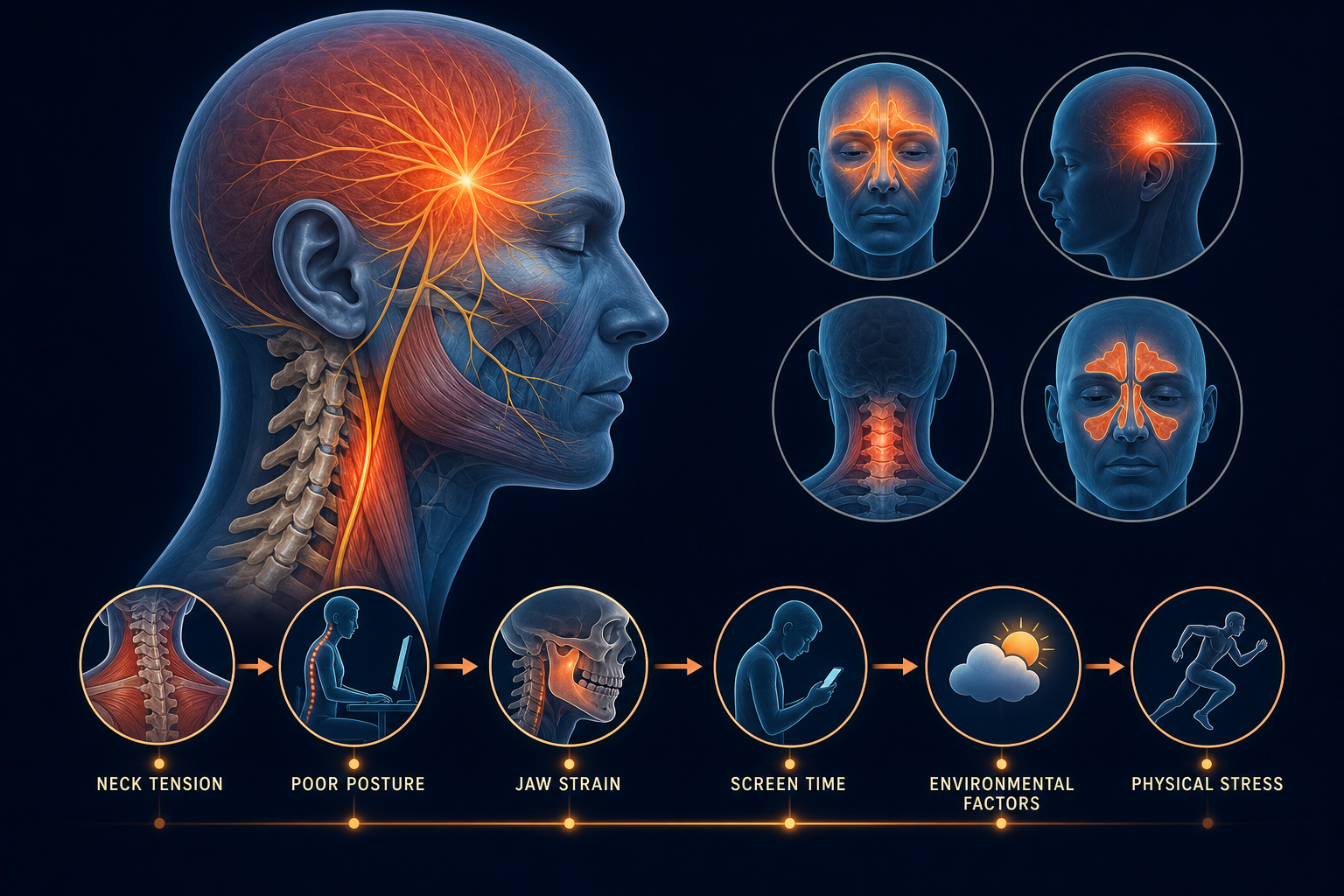
Tinnitus is one of the most misunderstood and difficult conditions to correct. Current medical science has little to offer on what causes tinnitus. And even less to offer in the form of successful treatment. While we do not have a magic bullet for tinnitus, in the following blog we will attempt to shed some light on what some of the literature is saying about its origin. Then we will introduce a little-known procedure that may help end your nightmare. Tinnitus is defined as a ringing, roaring, or whining in the ear. It may be either constant or transient. Some patients find that it is made worse by stress. however many find no real correlation to what makes it ebb and flow. Tinnitus is also very common with, vertigo, TMJ, and cognitive fog.
What Does The Research Say?
There are several peer-reviewed studies in the literature that implicate the tensor tympani and stapedius muscle involvement. Hypertonicity of these muscles can cause tension in the insertion of the muscle that connects to a piece of cartilage in the inner ear. This increase in tension creates stress that then alters sensory input to the nervous system. Another article suggests that clonus(tightening of the muscle) is responsible for the clicking sensation that some tinnitus sufferers experience.
Medical Intervention:
There is no known medical treatment that is effective for tinnitus sufferers. With that said, many patients report that anti-anxiety medication, wine, and other outside influences decrease or temporarily eliminate tinnitus symptoms. It appears that when there is a normal tone in these two muscles there is normal neurological input into the CNS. However, when these muscles become spastic it sends an aberrant signal into the CNS causing the replication of tinnitus symptoms. If anti-anxiety medication and other muscle relaxers help temporarily by reducing spasms in these muscles what can one do to remove one of the underlying causes of their tinnitus?
Upper Cervical Care and Tinnitus: While Upper Cervical Care does not correct Tinnitus in 100 percent of the patients, approximately 30 percent of those that come to us have 90 percent improvement. Another 40 percent improve about 50-70 percent while the other 20 percent seem to be unchanged. We wish there was a 100 percent success rate. With that said, patients who are relieved of their constant noise are grateful.
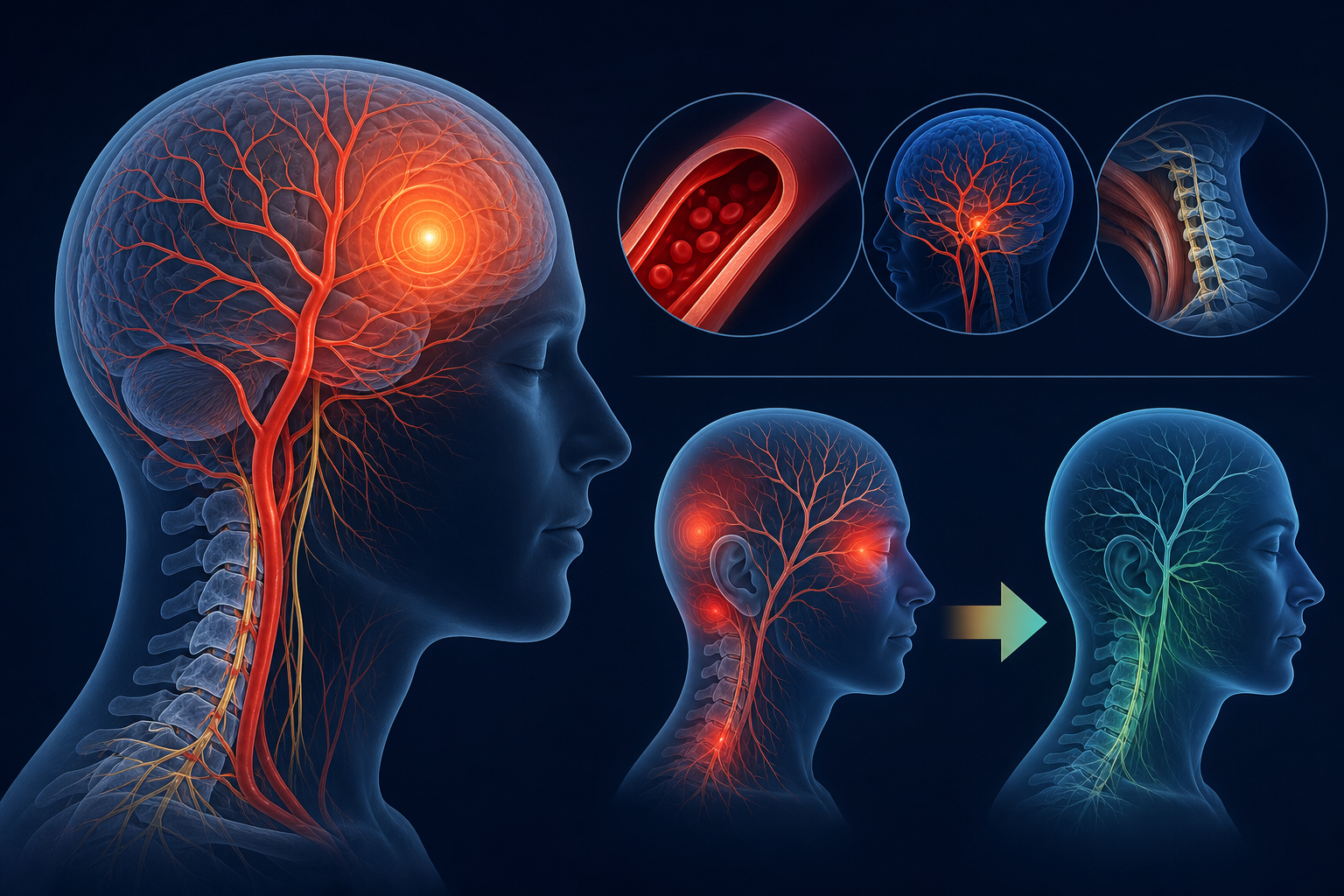
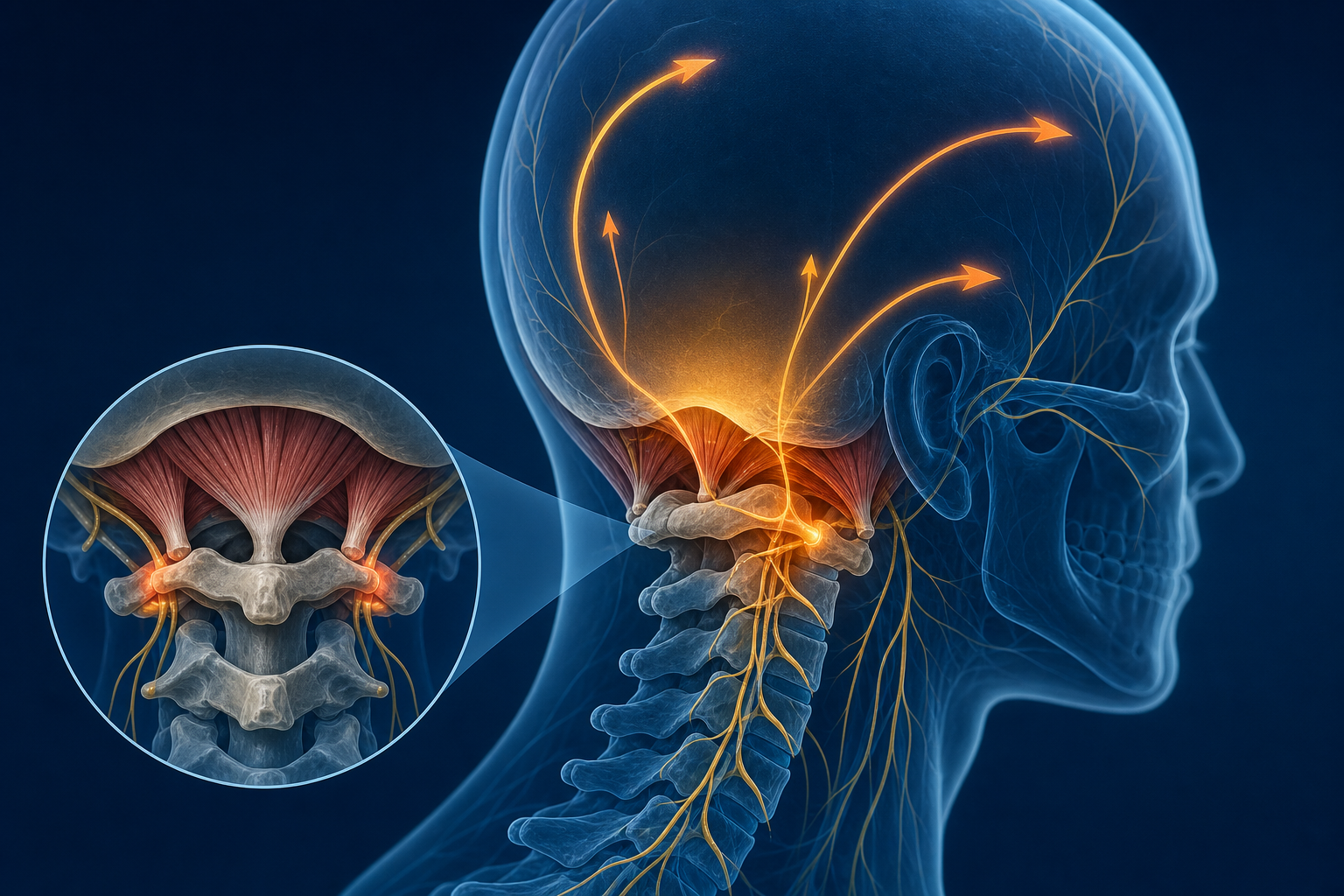
Many tinnitus sufferers notice that their onset of tinnitus happens following a neck injury. This can be explained by muscle, ligament, and soft tissue injury to the neck. When someone experiences whiplash they lose normal joint biomechanics. This loss of motion sends aberrant neurological input into the CNS which can underlie chronic hypertonicity of the stapedius and tensor tympani muscles. Remove the interference and health returns!
The Upper Cervical Correction: The goal of Upper Cervical Care is to restore proper neurological function. Upper cervical doctors do this by following a procedure to determine if the patient has an upper cervical misalignment. Once a problem has been located a set of precise x-rays are taken to ascertain exactly what direction the joint has misaligned. Once determined a precise correction is made, which does NOT include popping, twisting, or jerking of the neck.
After the initial correction, the goal is for the joint to stay in motion so the body can heal and repair and the nervous system can return to normal function. If you have ringing in the ears and have not consulted an Upper Cervical Doctor you should. While it is not a cure-all many tinnitus sufferers have found it life-changing.