Find a Provider Community Forum
For Providers For Attorneys
Sign In

Hydrops Treatment with Chiropractic

Hydrops Treatment with Chiropractic

Key Takeaways

  • Endolymphatic hydrops involves abnormal inner-ear fluid pressure and can cause ear fullness, tinnitus, and hearing changes.
  • Some chiropractic articles suggest a relationship between upper cervical spine dysfunction and inner-ear symptoms, but evidence is limited and not definitive.
  • Conservative care for hydrops-like symptoms often includes vestibular rehabilitation, balance exercises, and lifestyle strategies to reduce symptom triggers.
  • Because symptoms can overlap with Ménière’s disease and other conditions, evaluation by an appropriate healthcare provider is recommended.

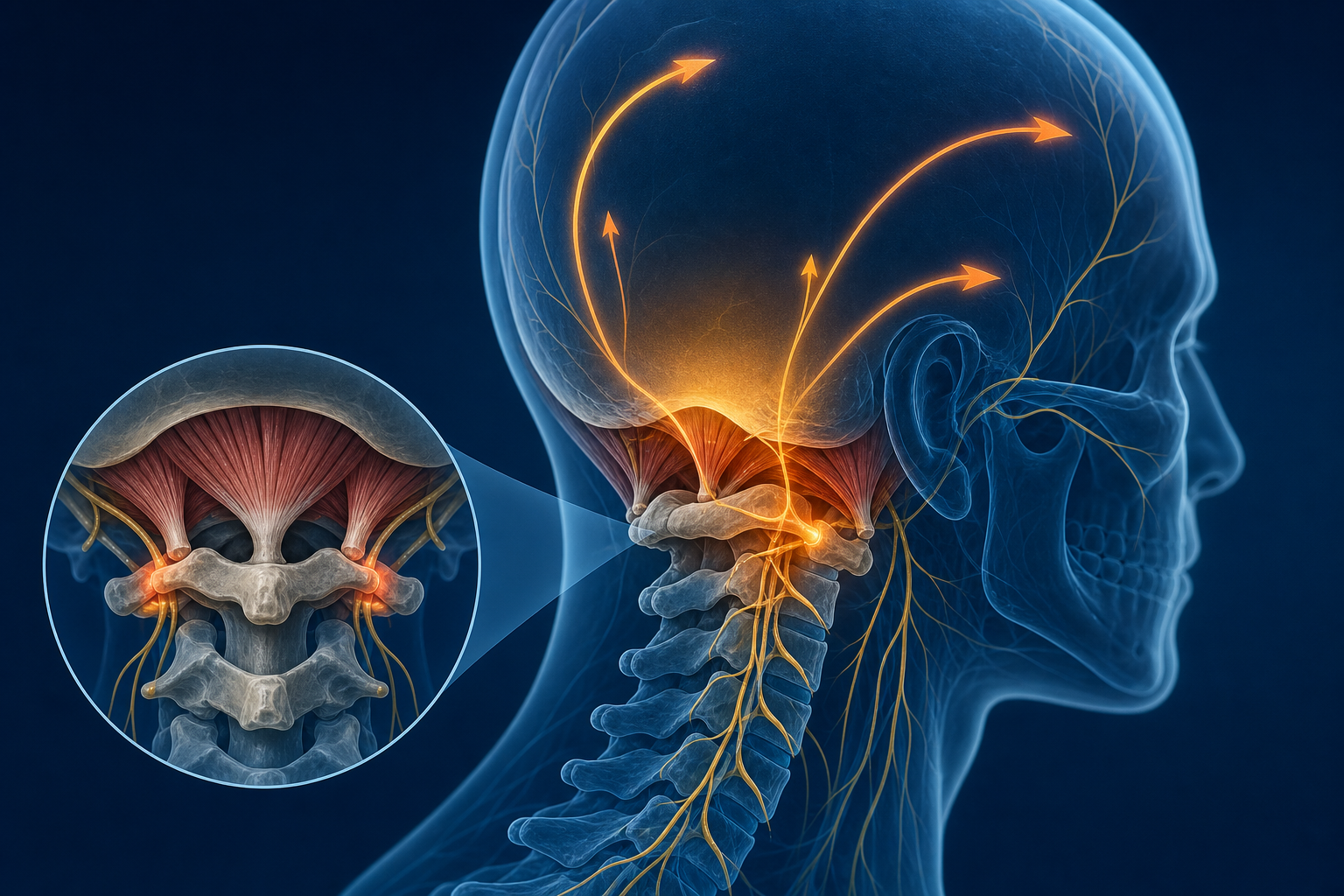
 At Upper Cervical Health Centers we have found that the underlying cause of Hydrops can be associated with injuries to the Upper Cervical Spine, which results in abnormal function of the inner ear due to nerve interference.

Hydrops May be Caused by Muscle Tone Imbalance of the Eustachian Tube

Hydrops is the cousin of  Meniere's Disease. Patients who suffer from it generally have all of the same symptoms as Meniere's sufferers without the violent vertigo attacks.  We have come to realize that in both the cases of Meniere's and Hydrops the muscles that line the eustachian tube are malfunctioning.   

This causes the eustachian tube to close and over time creates the sensation of water in the ear, cotton in the ear, loss of hearing, and many of the other bizarre symptoms they experience.  In fact, there is a neurological connection between the upper cervical spine and the functioning of these muscles. 

Dr. Dan Murphy has compiled neuropathways that explain how the upper cervical spine can cause the underlying situation that provokes Meniere's and Hydrops in the first place. Right here in Los Angeles, our office has been helping Meniere's and Hydrops sufferers recover naturally. Listen to what our patients say about their recoveries.

Upper Cervical Chiropractic Research And Hydrops/Meniere's Disease

Dr. Michael Burcon, out of Grand Rapids Michigan,  has published research showing that there is a correlation between Upper Cervical Misalignments and Meniere's. He has successfully treated over 300 cases of medically diagnosed Meniere's.  Several years ago he published research connecting whiplash injuries to the onset of Meniere's Disease and resolution following Upper Cervical Care.

We hope that this blog has led you to information that will help you overcome your health challenges. health is our greatest wealth. With it, you are happy, prosperous and life is good. Without it, life can be a drag.  We always end these blogs with a quote from BJ Palmer, "Nature needs no help just no interference."
Medical Disclaimer: This article is for informational purposes only and does not constitute medical advice, diagnosis, or treatment. Always consult a qualified healthcare provider for personalized medical guidance. If you are experiencing a medical emergency, call 911 or your local emergency number immediately.

Frequently Asked Questions

What is endolymphatic hydrops?
Endolymphatic hydrops is a condition where fluid (endolymph) builds up or becomes imbalanced in the inner ear. This can lead to symptoms like ear fullness or pressure, ringing in the ear (tinnitus), hearing changes, and dizziness or imbalance. It’s closely related to Ménière’s disease, and the symptoms can look similar to other ear and neurologic conditions.
Can chiropractic care help with hydrops symptoms?
Chiropractic care may help some people manage related symptoms such as neck tension, headaches, or balance discomfort, especially when neck stiffness or posture issues are also present. Claims that upper cervical adjustments directly treat hydrops are not strongly established by high-quality research. If you try chiropractic care, it’s best used as supportive, conservative care alongside appropriate medical evaluation.
How is hydrops different from Ménière’s disease?
Hydrops is often described as inner-ear fluid imbalance, while Ménière’s disease is a clinical diagnosis that typically includes episodes of vertigo along with hearing symptoms. Some people with hydrops-like symptoms may not have the classic, intense vertigo attacks seen in Ménière’s disease. Because the overlap is significant, a provider may recommend hearing testing and a vestibular evaluation to clarify what’s going on.
What conservative, non-invasive options may support hydrops or Ménière’s-type symptoms?
Conservative options may include vestibular rehabilitation (balance therapy), gentle neck mobility work, posture and ergonomic changes, stress management, and symptom-trigger tracking. Some people also benefit from guided breathing, sleep routine improvements, and graded activity to reduce flare-ups. A provider can help tailor a plan based on whether your main issue is dizziness, hearing changes, neck tension, or a mix.
When should you see a provider for ear fullness, tinnitus, or dizziness?
Seek evaluation if symptoms are new, worsening, or affecting daily life. It’s especially important to be seen if you have sudden hearing loss, one-sided hearing changes, severe or persistent dizziness, fainting, new neurologic symptoms, or symptoms after a head/neck injury. These signs can point to conditions that need prompt assessment and should not be managed with self-care alone.

Sources

  1. Ménière’s Disease — National Institute on Deafness and Other Communication Disorders (NIDCD) (2024)
  2. Ménière’s disease — NHS (2023)
  3. Dizziness and Vertigo — National Institute of Neurological Disorders and Stroke (NINDS) (2024)

We use first-party cookies to run this site and understand how patients find us. Privacy