We all know that feeling: you twist your ankle, and the next day it's twice its normal size. That's inflammation in action! Inflammation is a natural response to injury, and it plays an important role in healing. In this article, we'll discuss what inflammation is, how it works, and some tips for dealing with it. We'll also explore the long-term benefits of inflammation on the body. So read on to learn more about this vital process!
What is inflammation?
Inflammation is the body's response to injury or infection. It is a way for the body to protect itself and promote healing. When you are injured, your body releases chemicals that cause swelling and redness. This helps to widen the blood vessels and allows more blood and oxygen to reach the injury site. The increased blood flow speeds up the healing process and the swelling helps to limit movement, which also aids in healing.
How does it work?
In most cases, inflammation promotes healing. When you have inflammation, you may experience swelling, redness, pain, and heat. These are all signs that your body is working to heal itself.
Tips for dealing with it
There are many different ways to deal with inflammation. You can take over-the-counter medication, such as ibuprofen or aspirin, to help reduce pain and swelling. You can also apply ice or heat to the affected area. Ice helps to reduce inflammation by constricting blood vessels. Heat dilates blood vessels and helps to increase blood flow, which can speed up the healing process.
The benefits of inflammation on the body
Inflammation is a critical component of the body's immune response, and it plays an important role in protecting us from infection and injury. Without inflammation, wounds would take much longer to heal, and we would be more susceptible to infection. In addition to its role in healing, inflammation also helps to protect us from disease. Chronic inflammation is a key factor in the development of many diseases, including heart disease, cancer, and arthritis. By reducing inflammation, we can reduce our risk of developing these conditions.
While acute inflammation is a necessary and beneficial response to injury or infection, chronic inflammation can cause damage to the body and lead to a variety of health problems.
Chronic Inflammation
Chronic inflammation, on the other hand, is a whole different story. This is when the body’s inflammatory response becomes dysregulated and starts to do more harm than good. Chronic inflammation has been linked to a whole host of long-term health problems, including heart disease, cancer, and Alzheimer’s disease.
So how do you know if you have chronic inflammation? Unfortunately, there is no definitive answer to this question. However, there are some general signs and symptoms that may be indicative of chronic inflammation, including fatigue, joint pain, abdominal pain, and skin problems. If you are experiencing any of these symptoms on a regular basis, it may be worth talking to your doctor about the possibility of chronic inflammation.
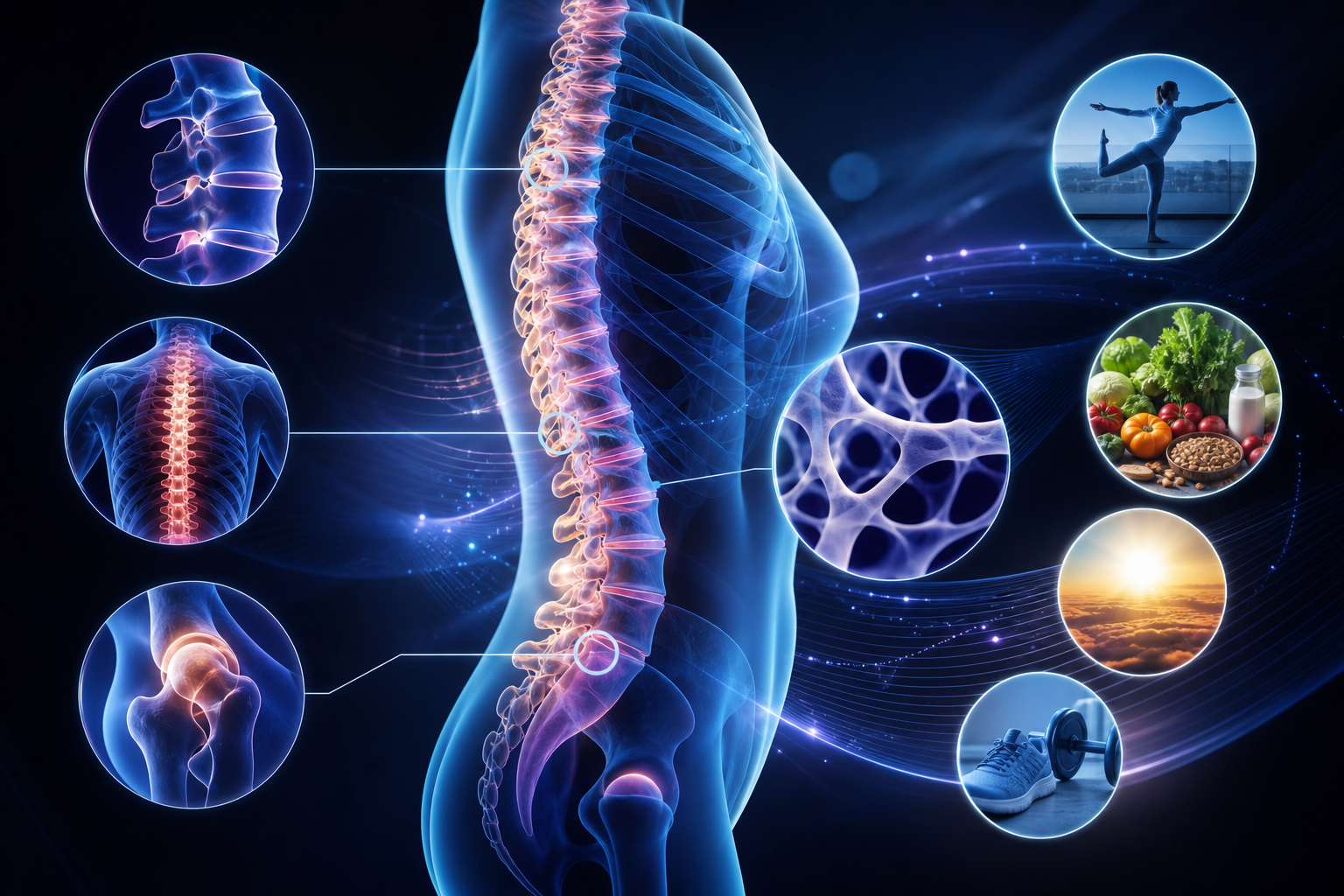
There is no one-size-fits-all approach to dealing with chronic inflammation. However, there are some general lifestyle and diet changes that can help to reduce inflammation in the body. These include eating more anti-inflammatory foods (such as salmon, nuts, and seeds), exercising regularly, managing stress levels, and getting enough sleep. Making even small changes in these areas can have a big impact on your overall inflammation levels.
Naturals way to reduce inflammation
There are many ways to reduce inflammation naturally. Some simple lifestyle changes can make a big difference:
- Eating a healthy diet - includes omega-three fatty acids, fruits and vegetables, and whole grains.
- Getting regular exercise - exercise helps reduce inflammation by promoting blood flow and helping to flush out toxins from the body.
- Managing stress
- Get enough rest - when you are well-rested, your body is able to better fight off inflammation.
Chiropractic Care and Inflammation
Chiropractic care is a great way to deal with inflammation. By aligning the spine, chiropractors can help reduce inflammation and improve overall health. In addition, chiropractic care can also help relieve pain associated with inflammation. If you are struggling with inflammation, don’t hesitate to reach out for help. There are many resources available to you. Speak with your doctor or a chiropractor to find out more about how you can deal with inflammation and improve your overall health.
Thank you for reading! I hope this article was helpful in understanding inflammation and how to reduce it. Stay tuned for more articles on health and wellness. Until next time, stay healthy!