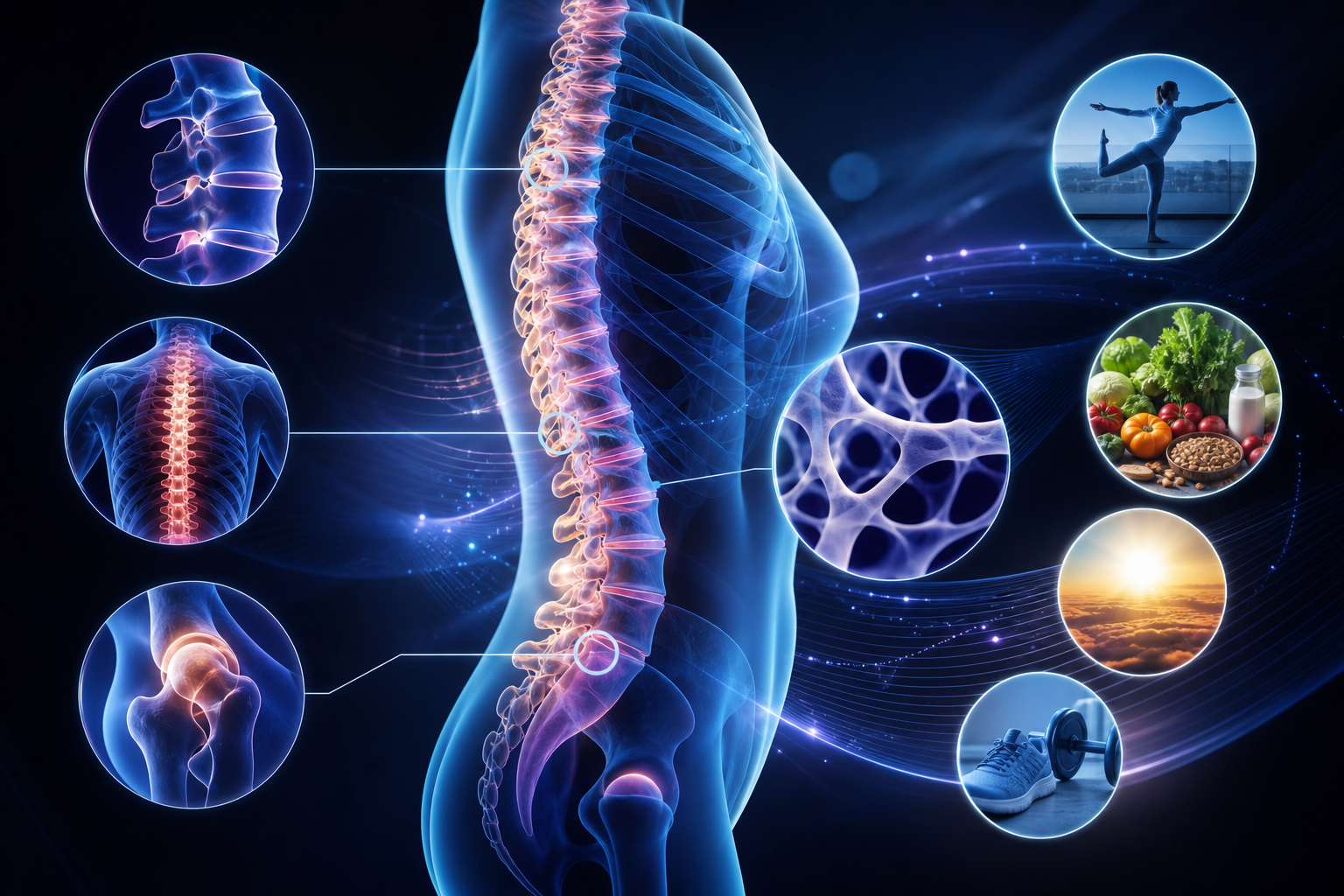
Spinal stenosis represents the process of narrowing of the spaces within your spine – the canal through which the spinal cord runs. This means that, as this canal becomes narrower, your spine will be pressured from all sides. In turn, this means that your nerves will not be able to send the signals from the brain accurately and with the regular speed to various parts of the body.
What Are the Causes of Spinal Stenosis?
In general, spinal stenosis affects people over 50 years old. This is the main risk factor for the great majority of patients. Unfortunately, special conditions, such as the advanced degeneration of the joints, mean that even young people may suffer from spinal stenosis. However, the leading causes of this condition are:
• Bone overgrowth as a result of osteoarthritis • Herniated disks
• Thickened ligaments
• Tumors
• Spine injuries causing dislocation or fracture of the vertebrae.
Overall, except for trauma and tumoral growth, the number one cause of spinal stenosis is the wear and tear our bodies have to endure. From the time you reach the young adult age and stop growing, your body reduces its ability to produce new cells at a sufficient rate to fully replace old ones. And, when the right type of cells stop being generated in joints, the body compensates by creating bone tissue. Little by little, as we grow older, our bodies become less flexible and more prone to pain and reduced mobility.
Should You Be Worried about Spinal Stenosis?
As you understand from what we explained so far, almost anyone may risk developing spinal stenosis. Indeed, many people have no idea that they suffer from this condition. So, how dangerous is spinal stenosis? Can’t you simply accept it as a sign of aging? The answer is no. In its lesser forms, the most common symptoms of spinal stenosis are:
• Weakness in the muscles
• Numbness (especially in extremities)
• Pain in the neck or lower back
• Cramping in the legs. However, in the more severe cases, patients with spinal stenosis may experience:
• Bowel or bladder dysfunction (incontinence, urinary urgency)
• Balance problems
• Paralysis.
Thus, you can give an honest answer for the question in the title. Left untreated, spinal stenosis is dangerous and can drastically reduce your ability to enjoy life and perform daily activities.
Can Chiropractic Help with Spinal Stenosis?
Now that you know how dangerous is spinal stenosis, the next question is: can it be cured? Unfortunately, just like any degenerative condition, spinal stenosis cannot be completely reversed. Allopath medicine may recommend surgery in the most severe cases, but this kind of procedure is highly risky: the simplest error by the surgeon may leave the patient with permanent paralysis. As chiropractors, we will not promise to cure you of spinal stenosis. However, we can help reduce its severity and allow you to regain your mobility and alleviate pain. A course of chiropractic treatment for spinal stenosis will usually include:
• Adjustments to help realign vertebrae
• Massage to relieve pain and improve blood flow
• Exercise to encourage your body to regain and maintain its flexibility.
The entire course of therapy proposed by the chiropractic is non-invasive, does not involve taking drugs and has very few contraindications. While the ultimate benefit is not fully reversing spinal stenosis, your wellbeing is worth the effort.