Trigeminal Neuralgia Relief
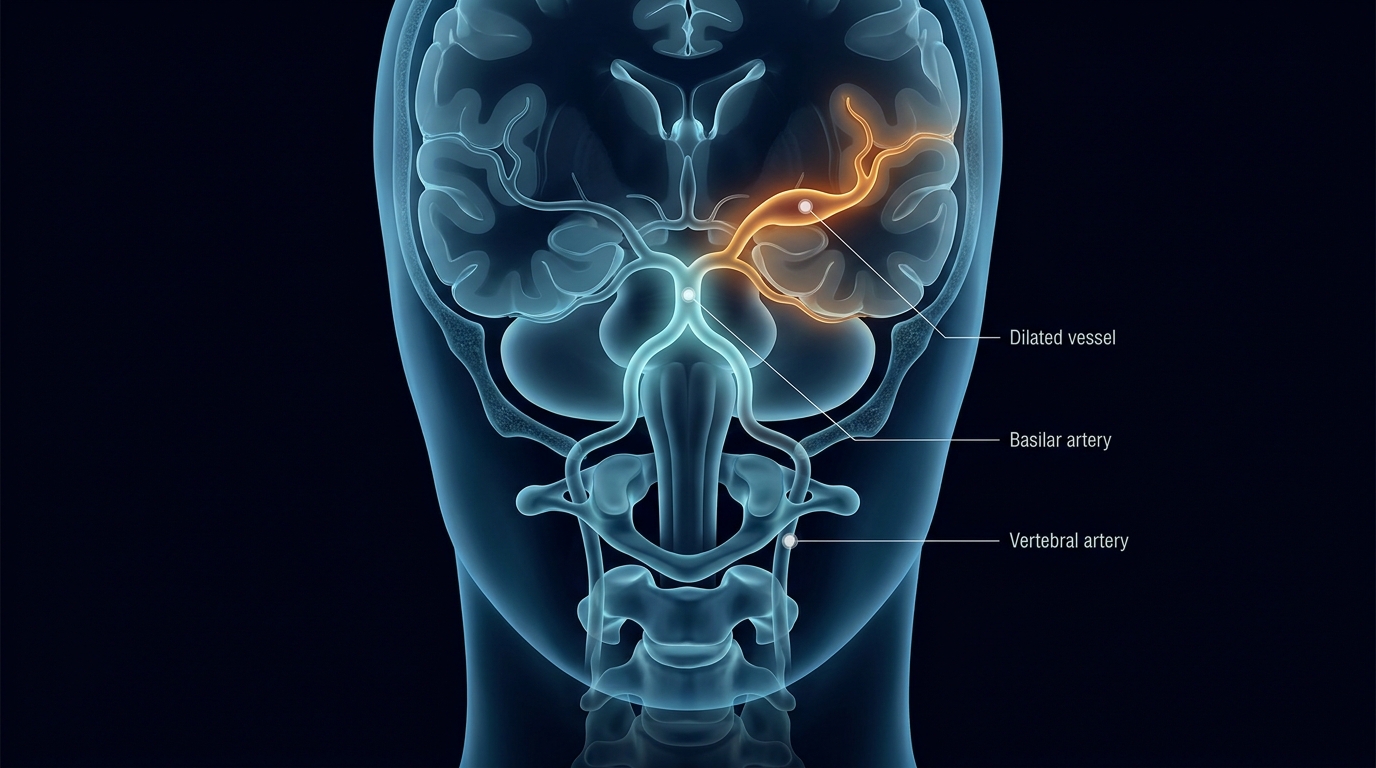
TN, trigeminal neuralgia, also known as tic douloureux, is facial pain along the trigeminal nerve in the face—the cheek, jaw, teeth, gums, lips, and less often the eyes and forehead. TN usually affects one side of the face at a time. The pain can be focused in one spot or spread to a larger area of the face.
Symptoms of Trigeminal Neuralgia
Neuralgia Some sufferers describe TN as a shooting, jabbing pain and liken it to an electric shock. Others experience it as a constant aching or burning sensation.
The pain can come in short bouts lasting from a few seconds to several minutes, or it can last for days, weeks, even months, interspersed with periods with little or no pain. The pain is both relentless and unpredictable. Spontaneous attacks from TN can be triggered while doing simple acts like chewing, speaking, touching the face, or brushing teeth.
Medical Treatment for TN
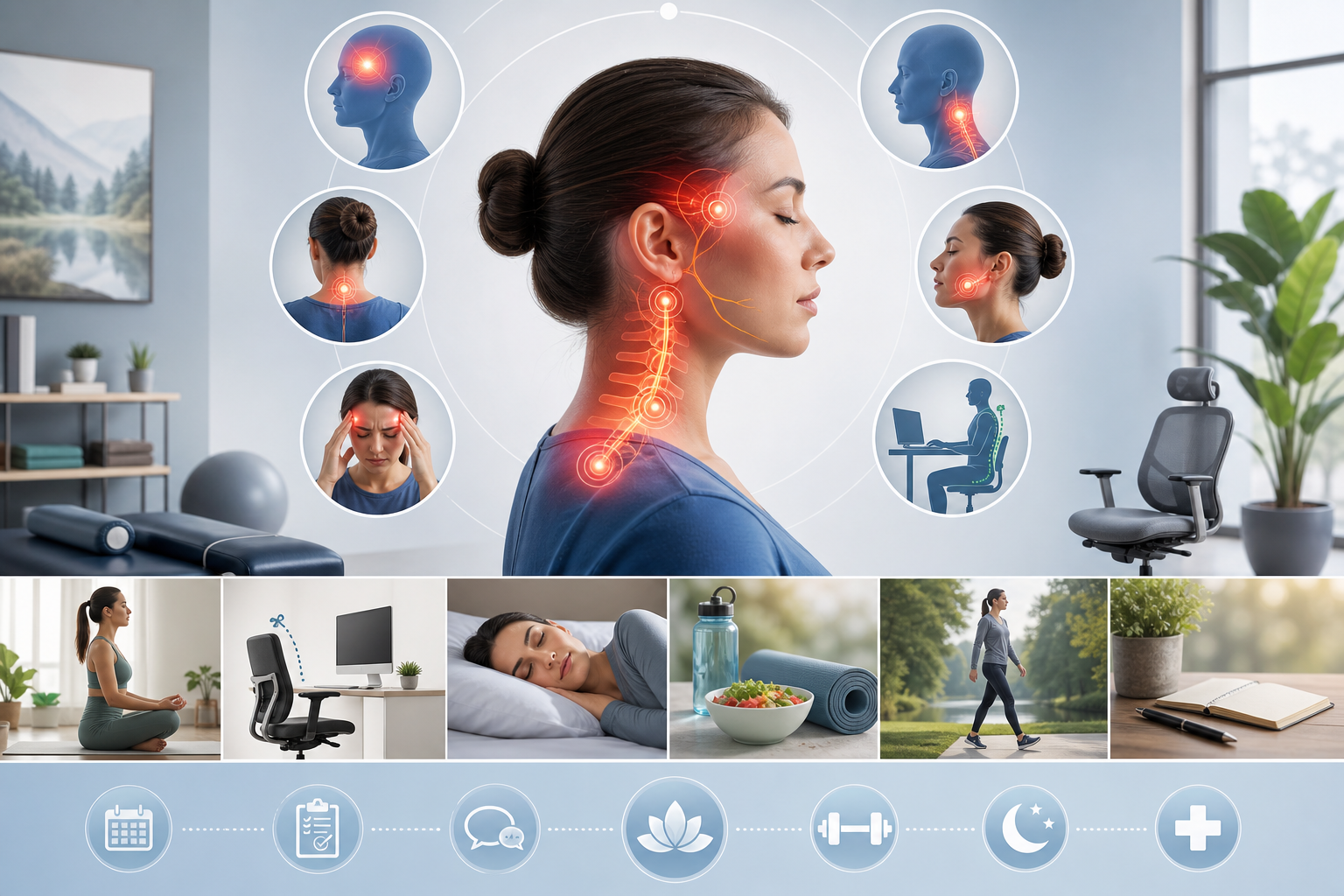
TN is treated with anti-seizure medications and anti-depressants. If these drugs don’t help, sometimes surgery is an option, but surgery improves the condition in a small percentage of cases. Some TN patients report having reduced and relieved the pain by means of alternative therapies such as chiropractic adjustments. Upper Cervical is one of those “alternative therapies” that is helping a lot of people with TN.
Finally, Help For TN
During the twelve years James Tomasi suffered from TN, he sought help from both traditional and alternative medicine, but the pain remained. Then he found Upper Cervical and today he is pain-free. He says that, quite literally, Upper Cervical saved his life.
You see, he had the date set to take his life and be free from the pain when his wife happened to hear an Upper Cervical doctor being interviewed on the radio. She made an appointment immediately and under Upper Cervical care, Mr. Tomasi’s pain grew less and less until it went away for good. (The Tomasi’s wrote about their experience in their book,
What Time Tuesday? Tuesday was the day Mr. Tomasi had scheduled to take his own life. It was also the day his wife scheduled his appointment with the Upper Cervical doctor. Coincidence? An abbreviated version of Tomasi’s story is in Chapter One of my book, The Best Kept Secret in Health Care.)
One of the greatest joys as an Upper Cervical doctor is helping people who have been told they can’t be helped. They’re usually prescribed high-powered drugs, many with dangerous side effects, that only mask the pain.
The pain doesn't have to be a life sentence, and our office has a library of videos from patients who didn’t accept it either and are now living happier, pain-free lives to prove it.