If you are trying to find back pain care Fountain Inn residents can access, start by clarifying what kind of help you need: an evaluation, conservative treatment, movement guidance, soft-tissue care, or coordination with another healthcare professional. Back pain can come from many sources, so a careful first visit matters more than convenience alone.
This guide is general educational information. It is not a diagnosis and should not replace individualized medical advice from a qualified healthcare professional. If symptoms are severe, worsening, or associated with the red flags below, seek appropriate immediate medical care.
Find Back Pain Care in Fountain Inn: Where to Start
A useful search for back pain care near Fountain Inn should include both location and care type. Some people search for a back pain chiropractor near Fountain Inn, while others look for physical therapy for back pain Fountain Inn, massage therapy, acupuncture, or rehabilitation. If you are unsure which category fits, look for providers who explain their evaluation process clearly and can refer or coordinate when another type of care may be appropriate.
A strong local provider page should help you understand who treats back pain, what the first visit may include, and what questions to ask before scheduling. That is more helpful than a thin contact page or a broad directory that does not explain conservative care options.
Common Reasons People Seek Back Pain Care
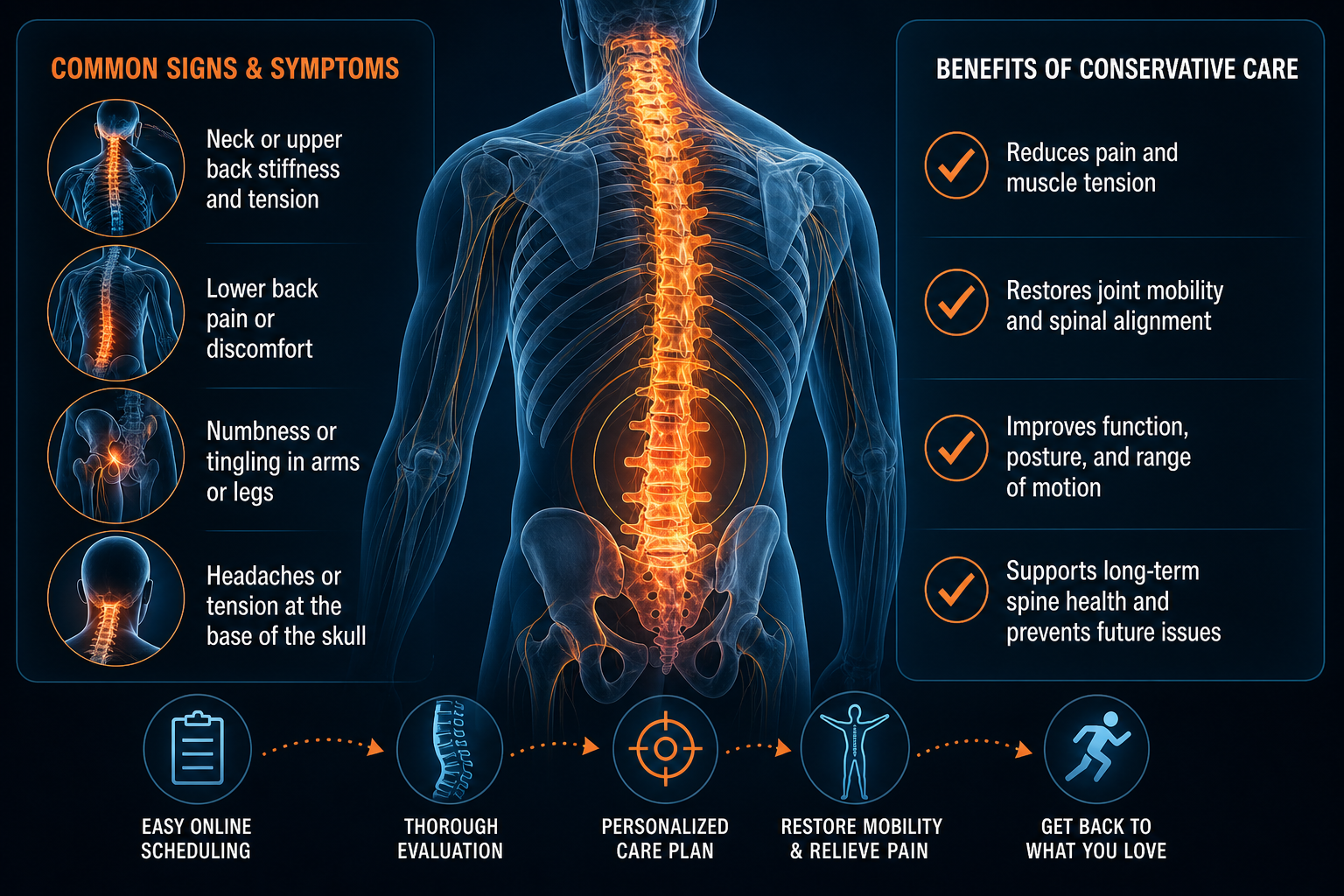
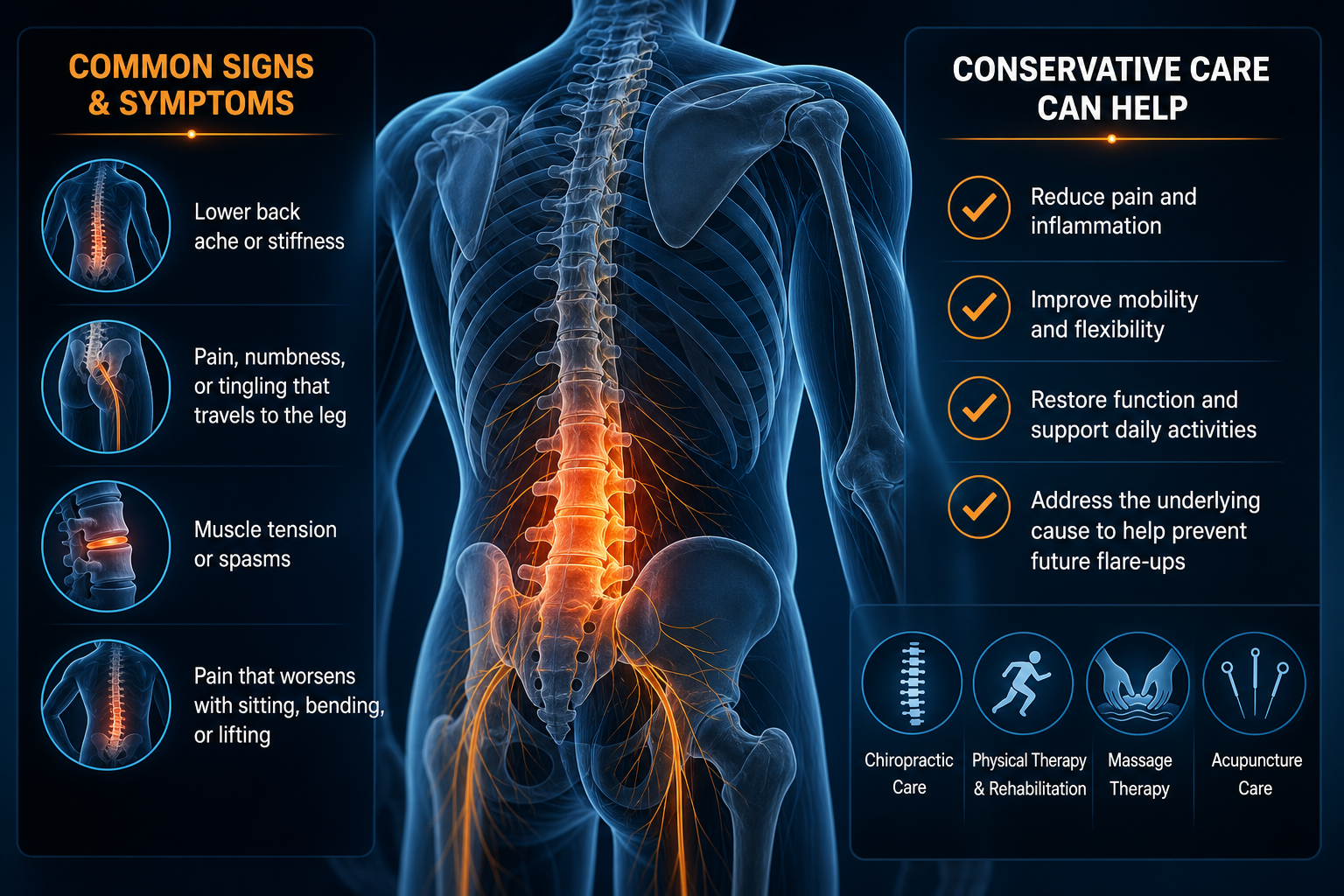
Many people ask, “why does my lower back hurt?” General contributors can include muscle strain, joint irritation, posture-related stress, reduced mobility, repetitive lifting, prolonged sitting, athletic activity, or irritation involving nerves in the low back. Pain may stay near the spine, spread into the hip area, or travel into the leg. That pattern does not confirm a specific diagnosis, but it can help a provider decide what to evaluate.
Back pain may also be influenced by work habits and daily movement. For practical prevention ideas, see MedXimity’s article on safety and preventing back pain at work. If leg symptoms are involved, MedXimity also offers educational resources on sciatic pain and understanding sciatica.
Conservative Care Options Available for Back Pain
When people search for conservative treatment for back pain near me, they are often looking for non-invasive approaches that may help improve comfort, movement, strength, and function. Conservative care can include several provider types:
- Chiropractic care: May focus on spinal and joint movement, alignment-related mechanics, posture, and hands-on care. A back pain chiropractor near Fountain Inn may also discuss home movement habits or ergonomic changes.
- Physical therapy: Often focuses on mobility, strengthening, movement retraining, balance, and activity modification. Physical therapy for back pain Fountain Inn patients may seek can be helpful when pain affects walking, lifting, work tasks, or exercise tolerance.
- Rehabilitation: May include a broader plan for returning to daily tasks, work activities, or athletic movement with progressive exercises and functional training.
- Massage therapy: May help address muscle tension, soft-tissue sensitivity, and relaxation. Massage therapy for back pain Fountain Inn searches often come from patients who feel tightness or soreness after work, activity, or long periods of sitting.
- Acupuncture: May be considered by some patients as part of a conservative care plan for pain management and overall wellness. If you are looking for acupuncture for back pain near Fountain Inn, ask how the provider evaluates your symptoms and coordinates care when needed.
For a broader discussion of natural low back pain strategies, read MedXimity’s resource on natural approaches to low back pain.
Choosing Between Chiropractic Care, Physical Therapy, Rehabilitation, Massage, and Acupuncture
The choice is not always chiropractic vs physical therapy for back pain. Some patients benefit from one provider type, while others may use a coordinated approach. The right starting point depends on your symptoms, goals, medical history, activity level, and what the evaluation shows.
Consider chiropractic care if you want an assessment of spinal and joint mechanics with hands-on conservative care. Consider physical therapy or rehabilitation if you need a structured exercise plan, progressive strengthening, or help returning to specific activities. Massage therapy may be supportive when muscle tension and soft-tissue discomfort are major concerns. Acupuncture may be considered by patients seeking a complementary approach, especially when provided by a qualified professional who recognizes when referral is appropriate.
How to Compare Back Pain Providers Near Fountain Inn
If you are wondering how to choose a back pain provider, look beyond a short listing or contact page. A patient-centered provider should be able to explain how they evaluate back pain, what conservative services they offer, and how progress is reviewed over time.
Helpful comparison points include:
- Whether the provider performs a detailed history and physical assessment before recommending care
- How they explain possible contributors without diagnosing you before an exam
- Whether the care plan is individualized to your goals, job demands, and activity level
- How they measure progress, such as pain patterns, function, mobility, or activity tolerance
- Whether they communicate clearly about visit structure, costs, forms, and follow-up
- Whether they coordinate with other healthcare professionals when symptoms fall outside their scope
What to Expect at an Initial Back Pain Visit
Patients often search for what happens at first back pain visit because they want to feel prepared. While each office is different, an initial appointment commonly includes a conversation about your symptoms, health history, daily activities, work demands, prior injuries, and what makes the pain better or worse. The provider may ask about pain location, movement limits, leg symptoms, and recent changes in function.
A physical assessment may include posture, range of motion, basic strength or flexibility checks, movement patterns, and orthopedic or neurologic screening when appropriate. The provider should explain findings in plain language and discuss conservative care options that fit your situation. If your symptoms suggest a need for a different level of evaluation, the provider should guide you toward appropriate medical care.
Questions to Ask Before Scheduling an Appointment
Bringing the right questions to ask back pain specialist offices can make your search easier. Before scheduling, consider asking:
- Do you commonly evaluate back pain similar to my symptoms?
- What types of conservative care do you provide?
- What should I bring to the first visit?
- How do you decide whether chiropractic care, physical therapy, rehabilitation, massage therapy, or acupuncture is appropriate?
- How will you explain the care plan and review progress?
- Do you coordinate with other healthcare professionals if symptoms require additional evaluation?
- What accessibility, scheduling, or paperwork details should I know before arriving?
Local Access Considerations for Fountain Inn and Nearby Areas
When comparing back pain care near Fountain Inn, consider practical details that may affect consistency. Look at appointment availability, parking, travel time from nearby communities, hours that fit your work or family schedule, and whether the office can accommodate mobility limitations. If back pain makes driving, sitting, or walking difficult, ask what to expect when you arrive and whether new-patient forms can be completed in advance.
Patients in and around Fountain Inn may also compare options in nearby areas depending on provider availability and specialty focus. A slightly longer drive may be worthwhile if the provider offers a clearer evaluation process, better communication, or the conservative service category you are seeking.
When Back Pain May Need Urgent Medical Attention
Knowing when back pain needs urgent care is important. Seek immediate medical attention if back pain is associated with new loss of bowel or bladder control, numbness in the groin or saddle area, progressive leg weakness, major trauma, fever with severe back pain, unexplained significant weight loss, or pain with other concerning symptoms such as chest pain or difficulty breathing. This list is not exhaustive. If symptoms feel severe, unusual, or rapidly worsening, contact emergency services or seek prompt medical evaluation.
Conservative providers play an important role for many back pain concerns, but they should not be used to delay urgent evaluation when red-flag symptoms are present.
FAQs About Finding Back Pain Care in Fountain Inn
How do I find back pain care Fountain Inn residents can use?
Start by identifying whether you are seeking chiropractic care, physical therapy, rehabilitation, massage therapy, acupuncture, or a general conservative evaluation. Then compare providers based on assessment process, communication, individualized planning, and referral coordination when needed.
Should I choose chiropractic care or physical therapy first?
It depends on your symptoms, goals, and evaluation findings. Chiropractic care may focus more on spinal and joint mechanics with hands-on treatment, while physical therapy often emphasizes exercise, movement retraining, and functional progression. Some patients use both as part of a coordinated plan.
Can massage therapy or acupuncture help with back pain?
Massage therapy and acupuncture may be supportive conservative options for some people. Results vary, and these services should be provided by qualified professionals who evaluate your needs and recognize when medical referral is appropriate.
What should I bring to a first back pain appointment?
Bring a summary of your symptoms, prior relevant records if available, a list of current healthcare concerns, and notes about what activities worsen or ease your pain. Comfortable clothing may help if movement assessment is part of the visit.
When should I seek urgent care for back pain?
Seek prompt medical attention for back pain with new bowel or bladder control changes, saddle-area numbness, progressive weakness, major trauma, fever with severe pain, or symptoms that feel severe or rapidly worsening.
This article is for educational purposes only and is not a substitute for professional medical advice, diagnosis, or treatment. Always consult a qualified healthcare provider about your specific condition. If you may be experiencing a medical emergency, call 911 or seek emergency care immediately.