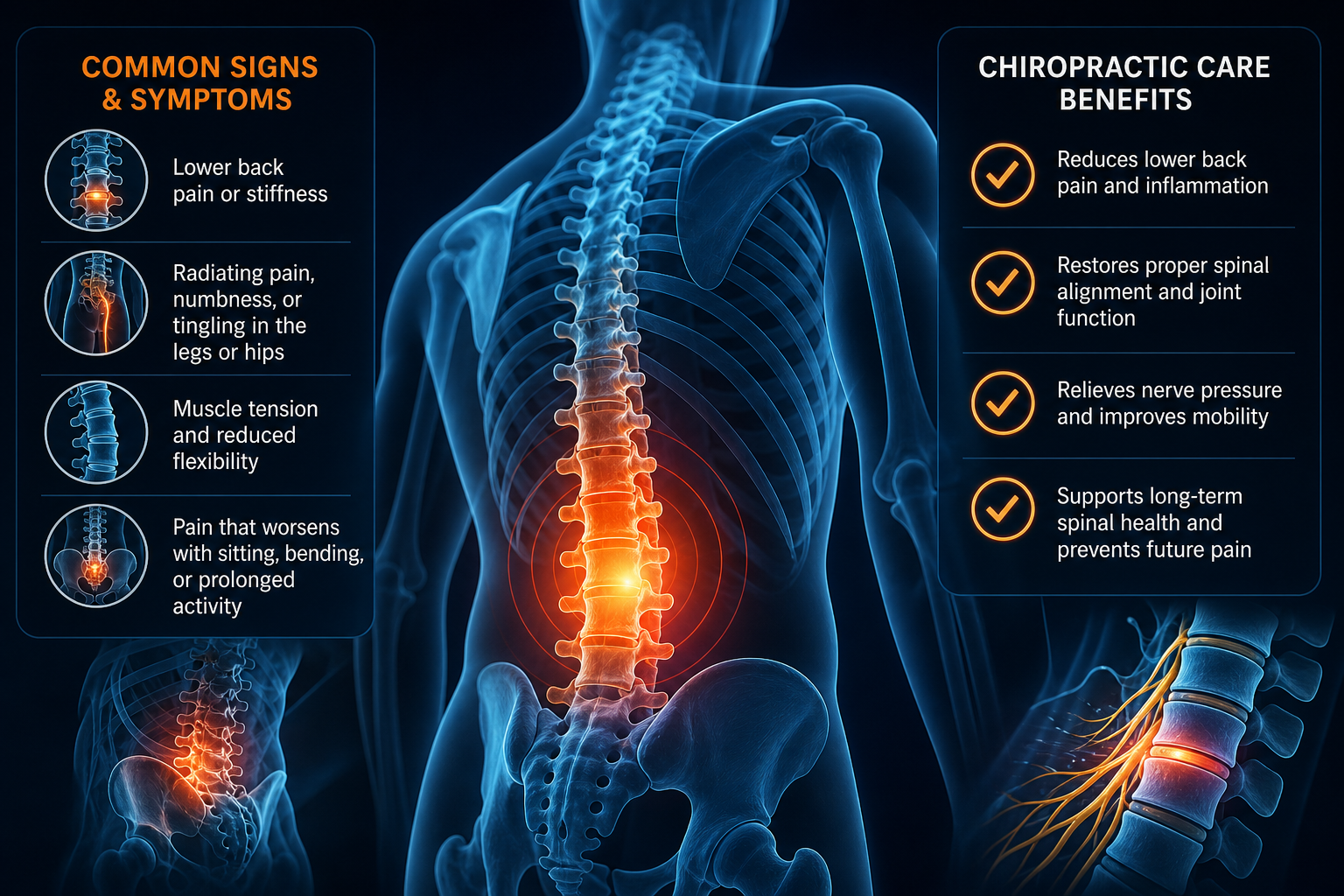
Find a Back Pain Chiropractor in Fountain Inn
If you are trying to find a back pain chiropractor in Fountain Inn, start with two goals: identify providers who regularly evaluate back pain and choose a setting that fits your needs, schedule, and comfort level. Back pain can come from many sources, including joint irritation, muscle strain, disc-related irritation, posture demands, repetitive work, exercise, or an injury. A chiropractor should not assume the cause without an appropriate evaluation.
For many people, chiropractic care is one part of a conservative plan that may include movement assessment, spinal or joint adjustments, soft-tissue work, stretching, exercise education, ergonomic changes, and coordination with other healthcare professionals when needed. The right provider should explain your options clearly, discuss individual variation, and help you understand whether chiropractic care is appropriate for your situation.
Because Fountain Inn sits near other Upstate communities, you may also compare providers in nearby areas if location, availability, or services differ. A search for a chiropractor near Fountain Inn for back pain should look beyond ratings alone. Reviews can be useful, but profile completeness, back-pain experience, appointment access, and referral relationships also matter.
What to Look for in a Chiropractor for Back Pain
When deciding what to look for in a back pain chiropractor, focus on clinical process rather than promises. A patient-centered chiropractor should take a history, ask about your symptoms and activity limitations, screen for warning signs, perform an examination that matches your concern, and explain whether conservative care is reasonable.
Useful provider profile details may include areas of focus, services offered, accepted appointment types, clinic accessibility, language availability, and whether the office commonly manages work-related, sports-related, or injury-related back pain. If you are looking for a Fountain Inn chiropractor for lower back pain, the profile should help you understand whether lower back conditions are a routine part of that provider’s practice.
A cautious, professional chiropractor should avoid absolute claims. Back pain improvement varies based on the cause of symptoms, general health, activity demands, duration of pain, and consistency with home recommendations. Look for language that emphasizes assessment, conservative management, education, and appropriate referral when symptoms fall outside chiropractic care.
Communication style also matters. A good visit should leave you with a clearer understanding of what was assessed, what care options were discussed, what you can do between visits, and what signs should prompt medical attention.
Fountain Inn-Area Provider Profiles and Directory Listings
Directory listings can be helpful when they do more than display a name and rating. For back pain, a stronger local directory should make it easier to compare profile details consistently. Look for service categories such as chiropractic care options for back pain, physical therapy, rehabilitation, massage therapy, acupuncture, exercise instruction, and ergonomic education. Not every provider offers every service, and some clinics coordinate with outside professionals.
When reviewing Fountain Inn-area listings, consider practical details: how close the office is to your home or workplace, whether appointment times match your schedule, whether the provider has experience with the type of back pain you are describing, and whether the profile explains how new patients are evaluated. If you recently had an accident, sports injury, or work-related strain, look for providers who describe documentation and care coordination while still focusing on your health needs.
Because public directories may vary in completeness, confirm key details directly with the office before booking. Services, availability, and accepted payment arrangements can change. Avoid assuming that a provider offers a specific technique or rehabilitation program unless the profile or office confirms it.
Conservative Back Pain Care Options to Ask About
Conservative care options for back pain generally aim to reduce irritation, improve movement, support strength, and help patients return to daily activities with better body mechanics. Chiropractic care may include spinal or joint adjustments, mobilization, soft-tissue techniques, stretching guidance, and exercise recommendations. Some people may also benefit from posture coaching, workstation changes, walking plans, core and hip strengthening, or gentle mobility work guided by a qualified provider.
Massage therapy may help some patients manage muscle tension associated with back pain. Acupuncture is another conservative option some patients consider for pain management. Physical therapy and rehabilitation services may focus more heavily on progressive exercise, movement retraining, balance, flexibility, and activity-specific goals. Nutritional and lifestyle counseling may be relevant when general wellness habits affect sleep quality, activity tolerance, or recovery demands.
For additional patient education, MedXimity offers resources on natural approaches to low back pain, back pain prevention at work, and understanding sciatic pain. These articles are general resources and should not be used to self-diagnose the source of your symptoms.
Questions to Ask Before Booking an Appointment
Bringing the right questions to ask a chiropractor before appointment scheduling can help you compare providers more confidently. Consider asking:
- Do you regularly evaluate patients with lower back pain, mid-back pain, or pain that travels into the hip or leg?
- What happens during the first visit, and how long should I plan to be there?
- Do you perform an examination before recommending care?
- What conservative options do you offer besides adjustments?
- Do you provide home exercises, stretching guidance, or ergonomic education?
- How do you decide whether a patient should be referred to another healthcare professional?
- Do you coordinate with physical therapists, rehabilitation providers, massage therapists, or other conservative care professionals?
- What should I bring to the first appointment?
The answers should be specific enough to help you understand the clinic’s process. Be cautious with any office that suggests the same plan for every patient without learning about your symptoms, goals, health history, and functional limitations.
How Chiropractic Care May Fit With Physical Therapy and Rehabilitation
Chiropractic and physical therapy for back pain can be complementary when each service is matched to the patient’s needs. Chiropractic care may focus on joint motion, spinal mechanics, soft-tissue irritation, and education. Physical therapy and back pain rehabilitation near Fountain Inn may emphasize progressive strengthening, movement control, mobility, balance, and return-to-activity planning.
Some patients begin with chiropractic care and later add rehabilitation exercises. Others start with physical therapy and use chiropractic care as part of a broader conservative plan. The order and combination depend on the evaluation, symptom behavior, and patient goals. Someone whose back pain is aggravated by long workdays may need ergonomic changes and movement breaks, while someone returning to recreational sports may need activity-specific strengthening and mobility. MedXimity’s article on sports therapy and chiropractic care offers related context for active patients.
Coordination matters. If you see more than one provider, share relevant information about your care plan so recommendations do not conflict. A provider should be willing to explain how each part of the plan supports your function and comfort.
When Back Pain Needs Urgent Medical Attention
Knowing when back pain needs urgent care is an important part of safe decision-making. Seek immediate medical attention if back pain is associated with new loss of bladder or bowel control, numbness in the groin or saddle area, significant weakness in the legs, major trauma, fever with severe back pain, unexplained severe symptoms, or pain with other concerning symptoms such as chest pain or shortness of breath. If symptoms feel emergent, contact local emergency services or go to an appropriate emergency setting.
Back pain that is worsening rapidly, follows a significant fall or collision, or is accompanied by neurological changes should be assessed promptly. A chiropractor may screen for red flags, but urgent symptoms should not wait for a routine chiropractic appointment. Conservative care is most appropriate when serious underlying concerns have been considered and the patient is suitable for non-invasive management.
Preparing for Your First Chiropractic Visit
If you want to prepare for first chiropractic visit back pain concerns, gather information that helps the provider understand your situation. Be ready to describe when symptoms started, where you feel discomfort, what activities make it better or worse, whether symptoms travel into the hip or leg, and how back pain affects work, sleep, exercise, or daily tasks. If you have relevant imaging reports, prior care notes, or discharge instructions from another healthcare professional, bring them if available.
Wear comfortable clothing that allows you to move. The first visit may include posture observation, range-of-motion checks, orthopedic or neurological screening when appropriate, muscle and joint assessment, and discussion of care options. The provider may recommend chiropractic care, home exercises, activity modifications, referral to another professional, or a combination of conservative approaches.
You should have the opportunity to ask questions before care begins. If a technique makes you uncomfortable, say so. Many chiropractors have more than one conservative approach and can discuss alternatives. Your preferences, tolerance, and goals should be part of the conversation.
Using MedXimity to Compare Back Pain Providers Near Fountain Inn
MedXimity can help patients compare back pain providers near Fountain Inn using organized healthcare profile information. Instead of relying only on a general web search, you can look for relevant categories, location fit, services offered, appointment details, and profile completeness. If you are searching for a chiropractor near Fountain Inn for back pain, a structured directory can make it easier to identify which offices appear aligned with your needs before you contact them.
Use MedXimity as a starting point, then verify details directly with the provider. Ask whether the office evaluates your type of back pain, what conservative services are available, and whether they coordinate with rehabilitation or physical therapy providers when appropriate. A practical comparison may include distance, scheduling, communication style, treatment options, and whether the provider explains care in a way that feels clear and respectful.
Back pain care is personal, and no directory can determine the right plan for you without a clinical evaluation. The strongest choice is usually a provider who listens carefully, screens appropriately, explains conservative options, and supports informed decisions. For related education, you may also find MedXimity’s articles on neck pain and chiropractic care and sciatic pain care options helpful as general background.
Educational disclaimer: This article is for general educational information only. It is not a diagnosis, treatment plan, or substitute for professional medical advice. Discuss your symptoms and care options with a qualified healthcare professional. If you have symptoms that may require urgent attention, seek appropriate immediate medical care.
This article is for educational purposes only and is not a substitute for professional medical advice, diagnosis, or treatment. Always consult a qualified healthcare provider about your specific condition. If you may be experiencing a medical emergency, call 911 or seek emergency care immediately.


